a single step
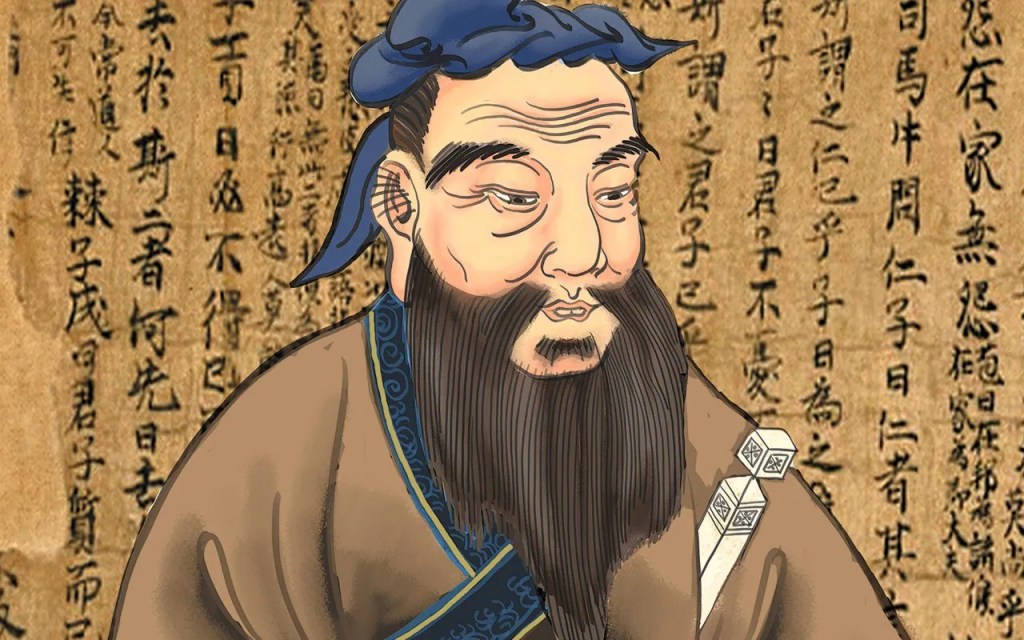
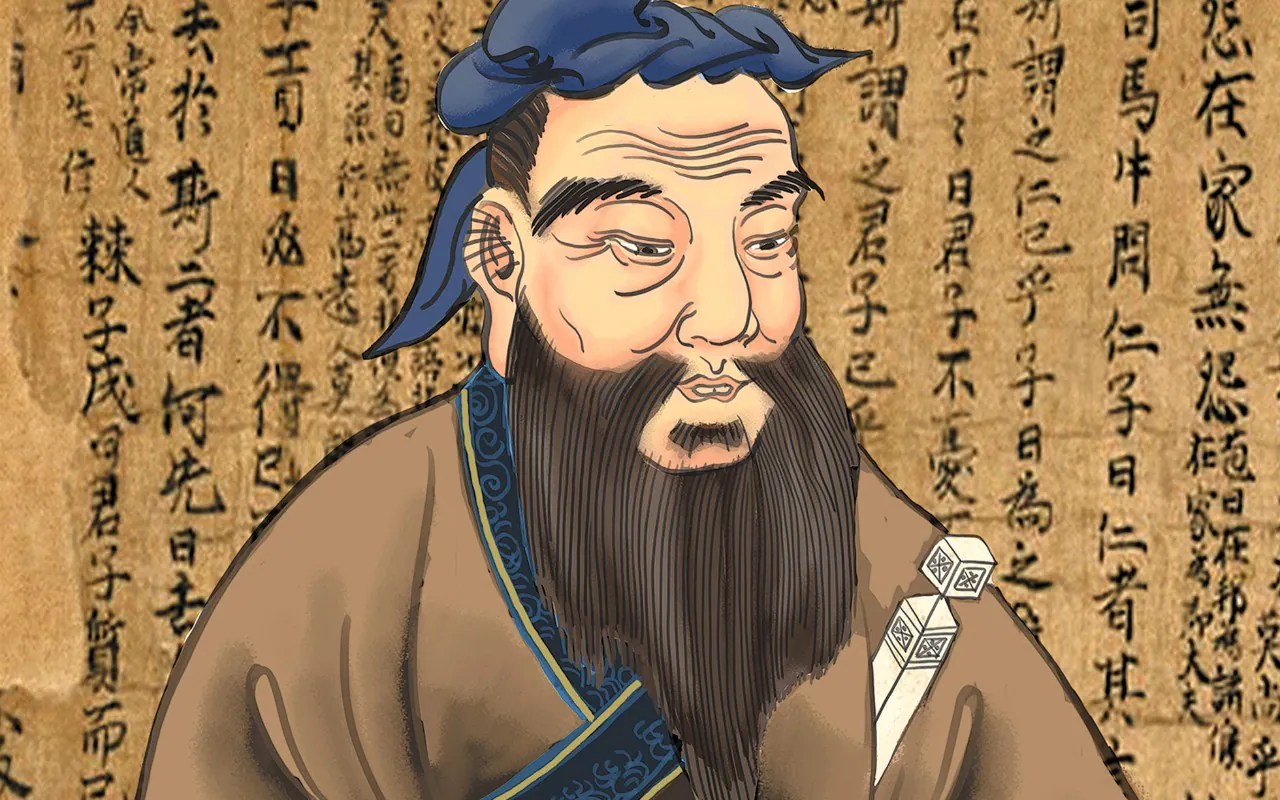
Given where we are going, it seems appropriate to name this blog in honour of the Chinese philosopher, Confucius. That is, after one of his many, oft-quoted, sayings: ‘A journey of a thousand miles begins with a single step’. After all, flying from London to Beijing will clock up 8,000 km. Our return, Hong Kong to London, will add a further 9,500 km. In between, over a four week period, criss-crossing China itself, we will travel 4,000 km by train. So, I make that 21,500 km; a journey of 13,360 miles, in total.
Furthermore, my writing of this introductory page coincides exactly with a long-held personal determination to learn (properly so) an ancient language. So, as we take our first step towards China and all that truly ancient civilisation has to offer and teach us, I will, quite literally, be learning my a, b, c. More accurately, अ, ब, च. My first step towards mastering the 3,500 year old language that is Sanskrit. A journey of many thousands of days, I anticipate.
As a young man, I read Colin Thubron’s Among the Russians (published 1983). Essentially, a 10,000 mile journey, by car (Morris Marina), through late Soviet culture and history. The tale gripped me. That, and Boris Pasternak’s evocative Doctor Zhivago planted a deep desire within me to travel to and throughout Russia. I did not. I have not. I cannot. At least until Putin and Trump stop playing at being schoolyard bullies, self-serving, and begin to appreciate that their games impact the rest of us. China is a different story. It is now possible for a UK passport holder to travel visa-free for a period of up to 30 days (this arrangement is currently due to expire on 31 December 2026).
As a young man, I read Colin Thubron’s Among the Russians (published 1983). Essentially, a 10,000 mile journey, by car (Morris Marina), through late Soviet culture and history. The tale gripped me. That, and Boris Pasternak’s evocative Doctor Zhivago planted a deep desire within me to travel to and throughout Russia. I did not. I have not. I cannot. At least until Putin and Trump stop playing at being schoolyard bullies, self-serving, and begin to appreciate that their games impact the rest of us. China is a different story. It is now possible for a UK passport holder to travel visa-free for a period of up to 30 days (this arrangement is currently due to expire on 31 December 2026).

A great man should in the morning be at the blue sea, and in the evening at Mount Cangwu. Why should I restrict myself to one corner of the world?
Xu Xiake
Xu Xiake (1587-1647) lived during the final decades of the Ming dynasty, a period in Chinese history that has received much attention from historians and literary scholars. What is of interest here is that Xu Xiake has been canonised as China’s greatest traveller. In twenty-six separate journeys, he spent more than eighteen years travelling around China. Xu’s extensive travels took him to nineteen of modern China’s twenty-three provinces. The written accounts of his journeys, collectively titled The Travel Diaries of Xu Xiake, survive and have been circulated and published in hand-copied and printed editions since his death. It seemed obvious, therefore, that Xu’s work should feature on our pre-visit reading list; in the form of the latest translation enticingly entitled Wading Barefoot through a Mountain Stream, edited by James M. Hargett.
Another book featuring on our list is historian Michael Wood’s The Story of China: a portait of a civilisation and its people. As well as being a first rate historian, Wood is an excellent communicator and broadcaster. So, if your preferred medium is audiobook then the fact that Wood narrates it himself is a good thing. The authenticity of Wood’s work lies in the fact that he, too, travelled the length and breadth of China and he draws on his own extensive travel journals. His account of China’s 4,000 year-old tradition is a truly staggering achievement, offering a level of insight that sees us so much better informed than we would have been as we embark on our own travels in Xu Xiake and Michael Wood’s footsteps.
Another book featuring on our list is historian Michael Wood’s The Story of China: a portait of a civilisation and its people. As well as being a first rate historian, Wood is an excellent communicator and broadcaster. So, if your preferred medium is audiobook then the fact that Wood narrates it himself is a good thing. The authenticity of Wood’s work lies in the fact that he, too, travelled the length and breadth of China and he draws on his own extensive travel journals. His account of China’s 4,000 year-old tradition is a truly staggering achievement, offering a level of insight that sees us so much better informed than we would have been as we embark on our own travels in Xu Xiake and Michael Wood’s footsteps.
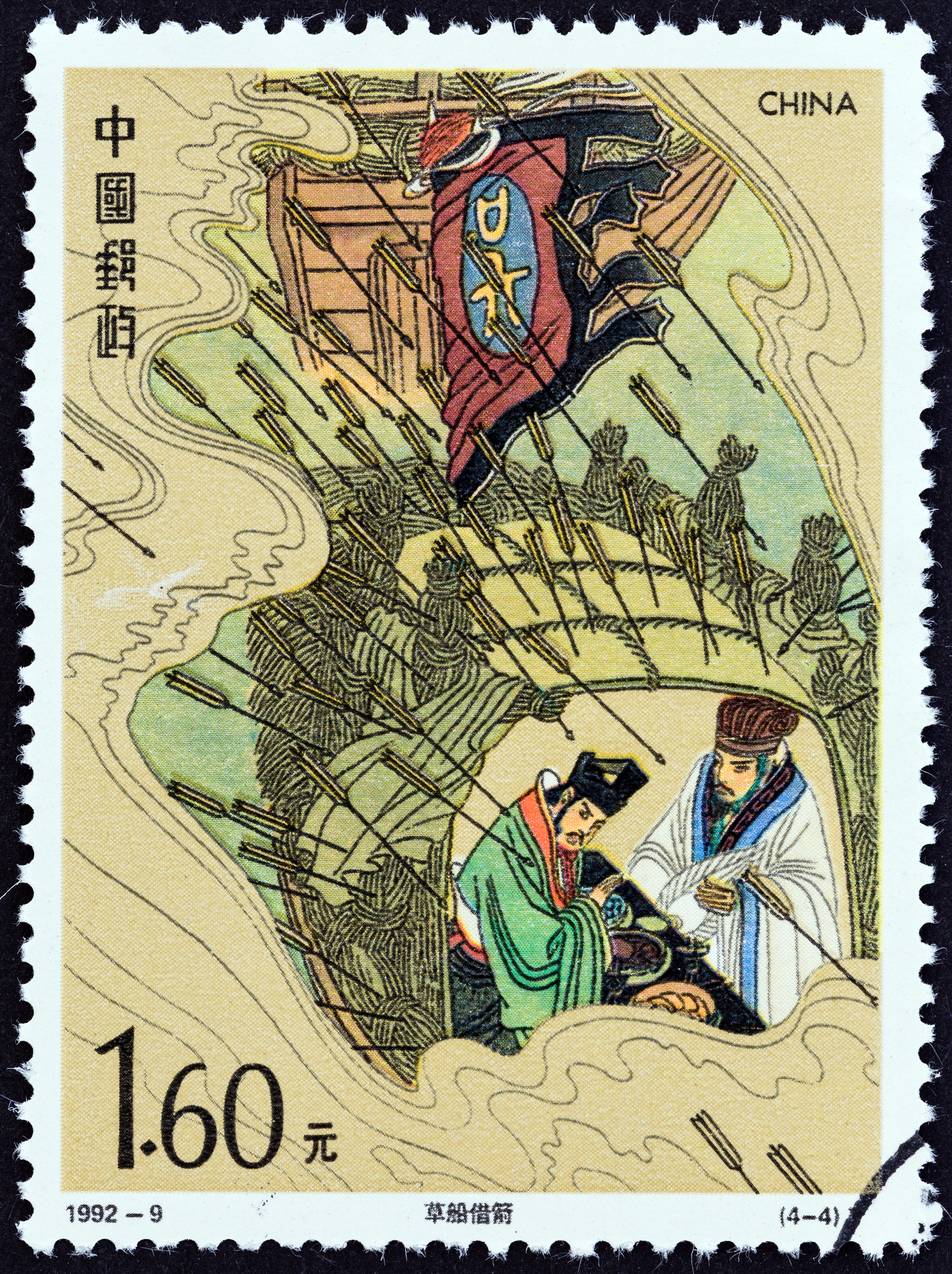
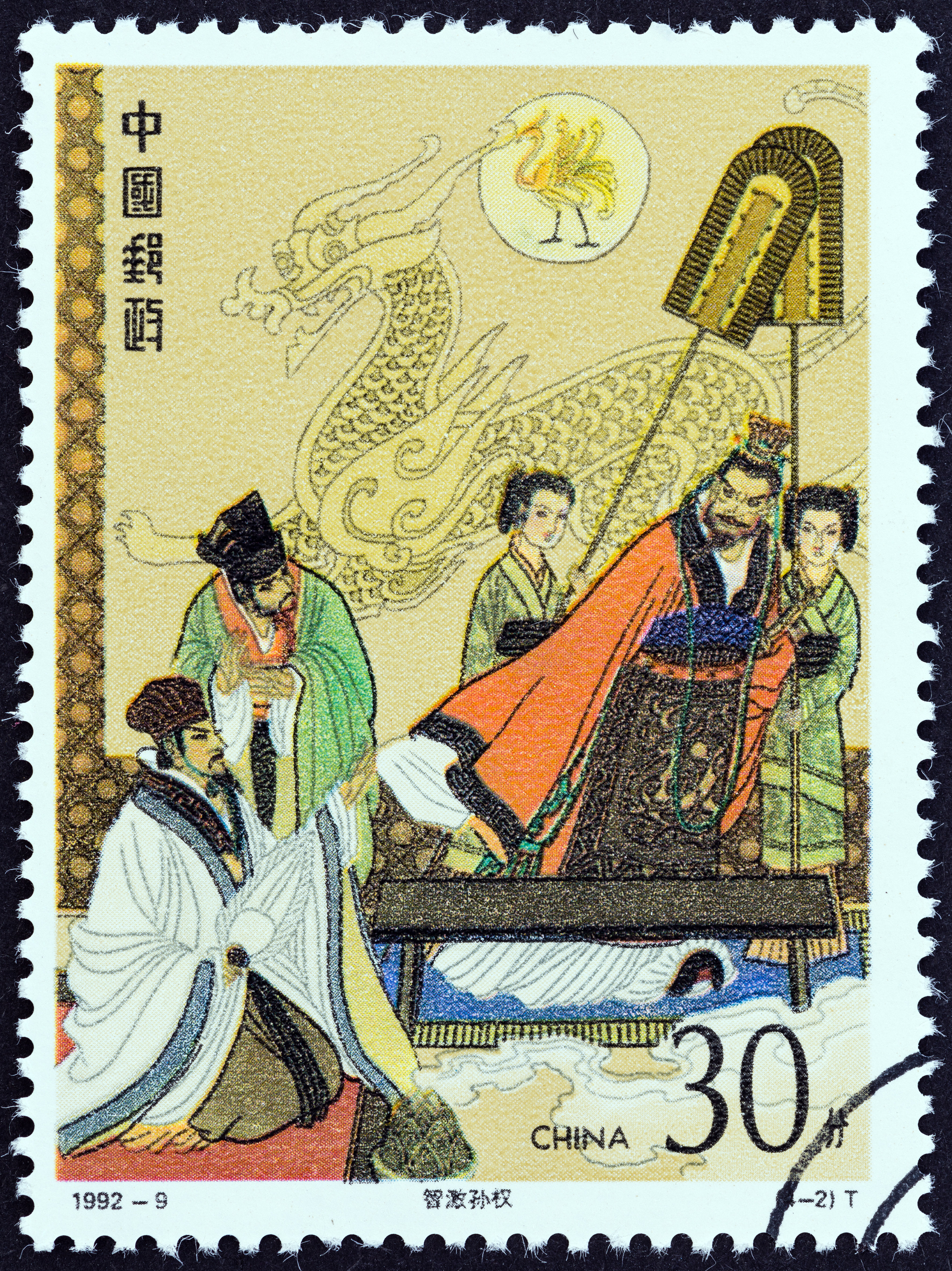
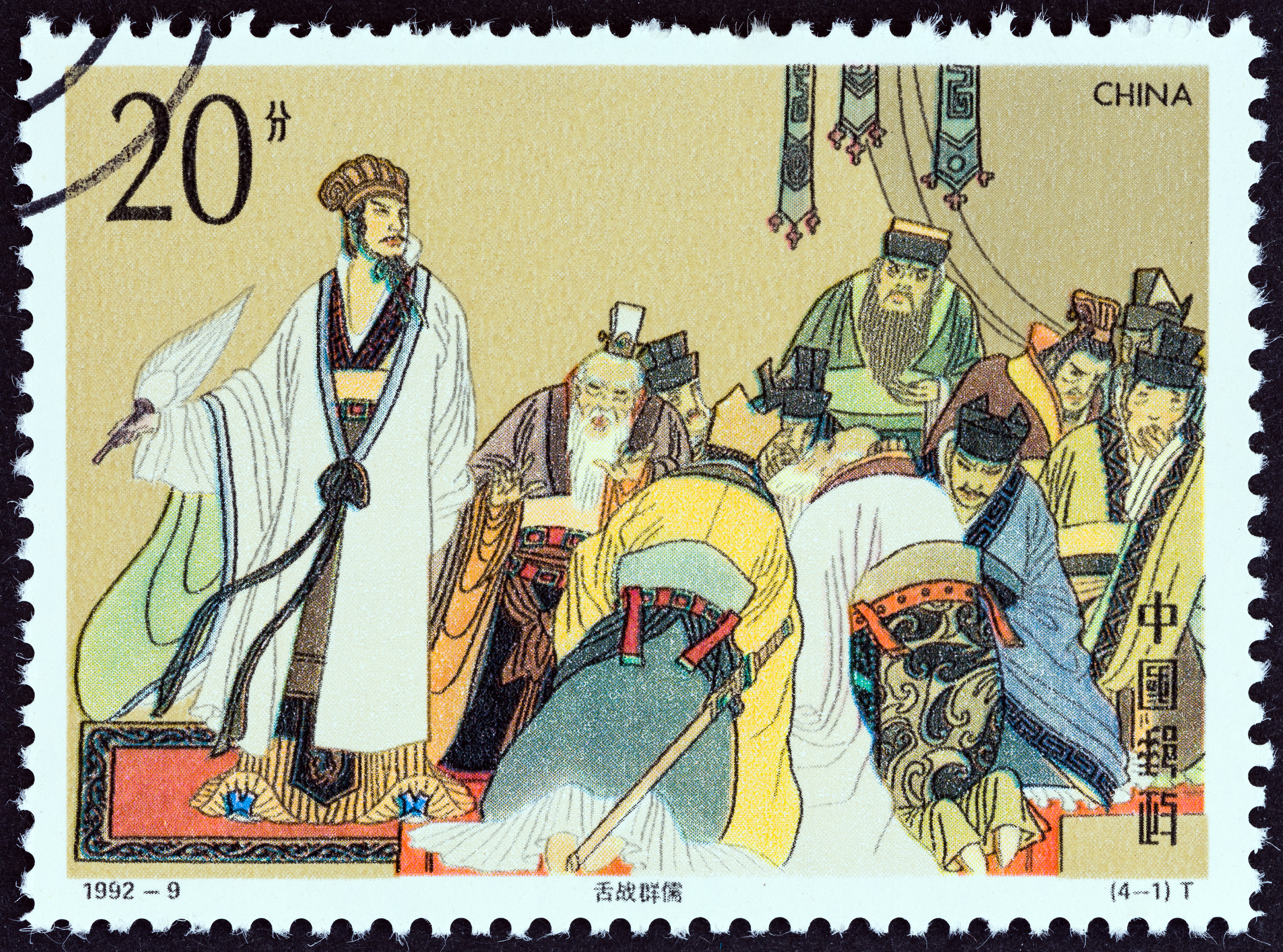
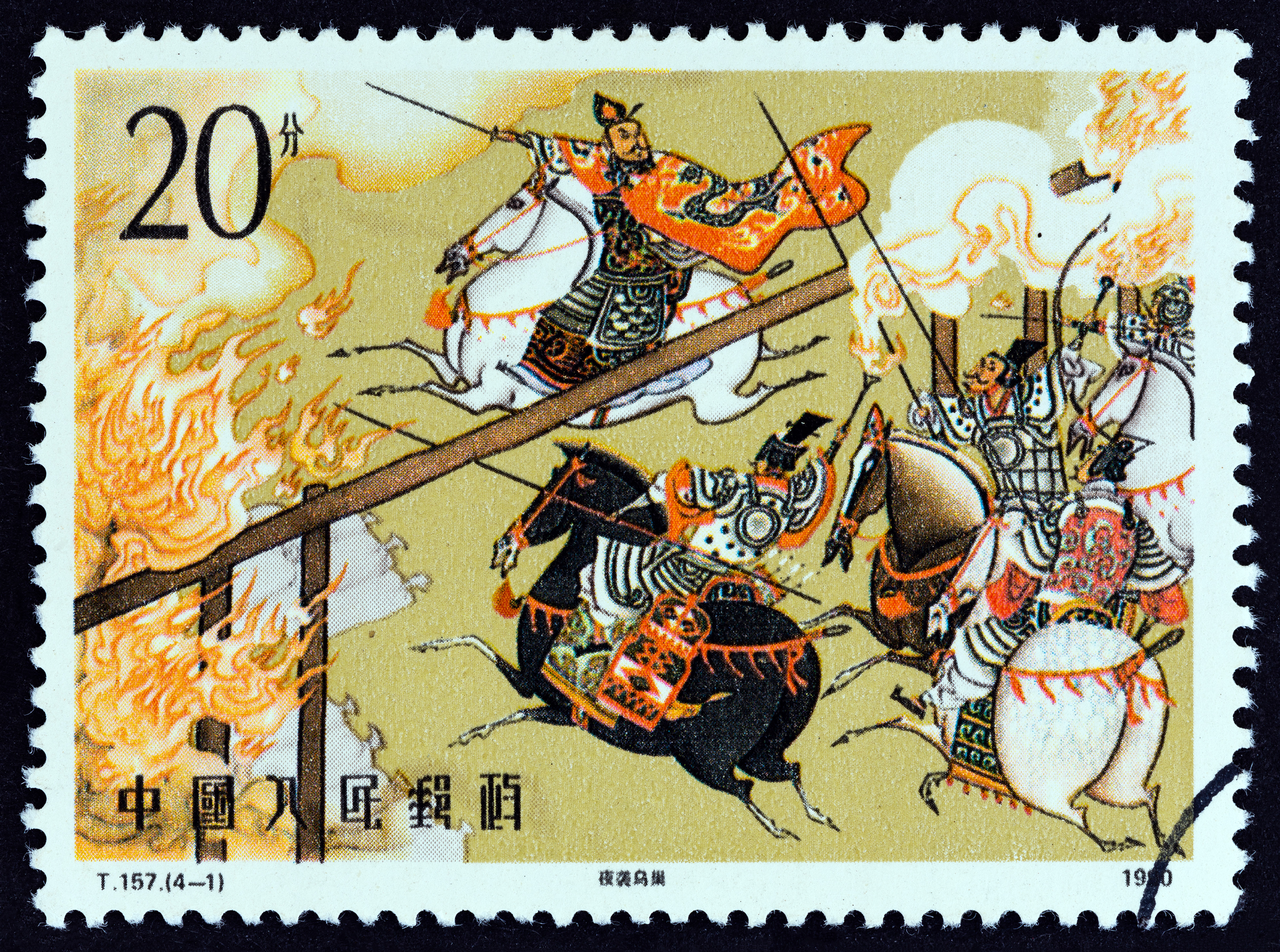
Another book that also made the cut is Luo Guanzhong’s epic The Three Kingdoms. Considered a classic in China and beyond, to this day, The Three Kingdoms, part myth, part fact, was written over six centuries ago. It recounts the turbulent years at the close of the Han Dynasty, when China broke into three competing kingdoms and over half the population were either killed or driven from their homes. Its comparison with Game of Thrones is understandable. Placed alongside Andrew Wood’s tale of tumultuous change, one fully understands the novel’s opening lines…
Another book that also made the cut is Luo Guanzhong’s epic The Three Kingdoms. Considered a classic in China and beyond, to this day, The Three Kingdoms, part myth, part fact, was written over six centuries ago. It recounts the turbulent years at the close of the Han Dynasty, when China broke into three competing kingdoms and over half the population were either killed or driven from their homes. Its comparison with Game of Thrones is understandable. Placed alongside Andrew Wood’s tale of tumultuous change, one fully understands the novel’s opening lines…
Unity succeeds division and division follows unity. One is bound to be replaced by the other after a long span of time. This is the way with things in the world.
A slideshow featuring 4 postage stamps depicting and celebrating Luo Guanzhong’s The Three Kingdoms (shuffle image to move left and right)…
Given China’s rich cultural and literary tradition – coupled with its history being marked by era after era of internal strife, natural disasters and political turmoil – it is hardly surprising that the novel genre offers so much. And this is where we discovered Yu Hua, Chinese novelist and essayist, born in 1960, so, interestingly, very much of our generation.
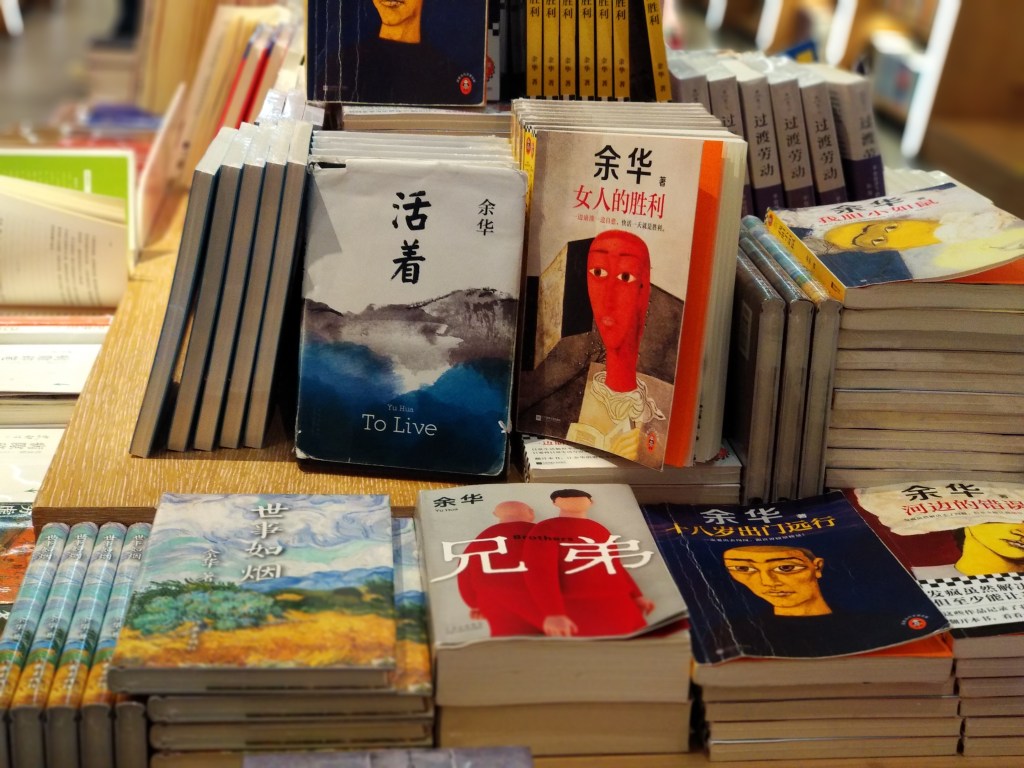
Yu Hua’s To Live (Huozhe) really is your archetypal non-put-downer. It traces the struggle of Fugui and his family to survive the civil war between the Nationalists and the Communists (1945-49), the founding of the People’s Republic (1949), the land reform era (1949-52), the Great Leap Forward (1958-62) and the Great Proletarian Cultural Revolution (1966-76). It is a truly stunning piece of work, sensitive to the details of everyday life across a period of tumultuous change, with the characters forever clinging on to the hope of a brighter future…
The little chickens will grow to be ducks, the ducks will become geese, and the geese will become oxen, and tomorrow will be better
Given China’s rich cultural and literary tradition – coupled with its history being marked by era after era of internal strife, natural disasters and political turmoil – it is hardly surprising that the novel genre offers so much. And this is where we discovered Yu Hua, Chinese novelist and essayist, born in 1960, so, interestingly, very much of our generation.
Yu Hua’s To Live (Huozhe) really is your archetypal non-put-downer. It traces the struggle of Fugui and his family to survive the civil war between the Nationalists and the Communists (1945-49), the founding of the People’s Republic (1949), the land reform era (1949-52), the Great Leap Forward (1958-62) and the Great Proletarian Cultural Revolution (1966-76). It is a truly stunning piece of work, sensitive to the details of everyday life across a period of tumultuous change, with the characters forever clinging on to the hope of a brighter future…
The little chickens will grow to be ducks, the ducks will become geese, and the geese will become oxen, and tomorrow will be better
a single step
a journey around China

