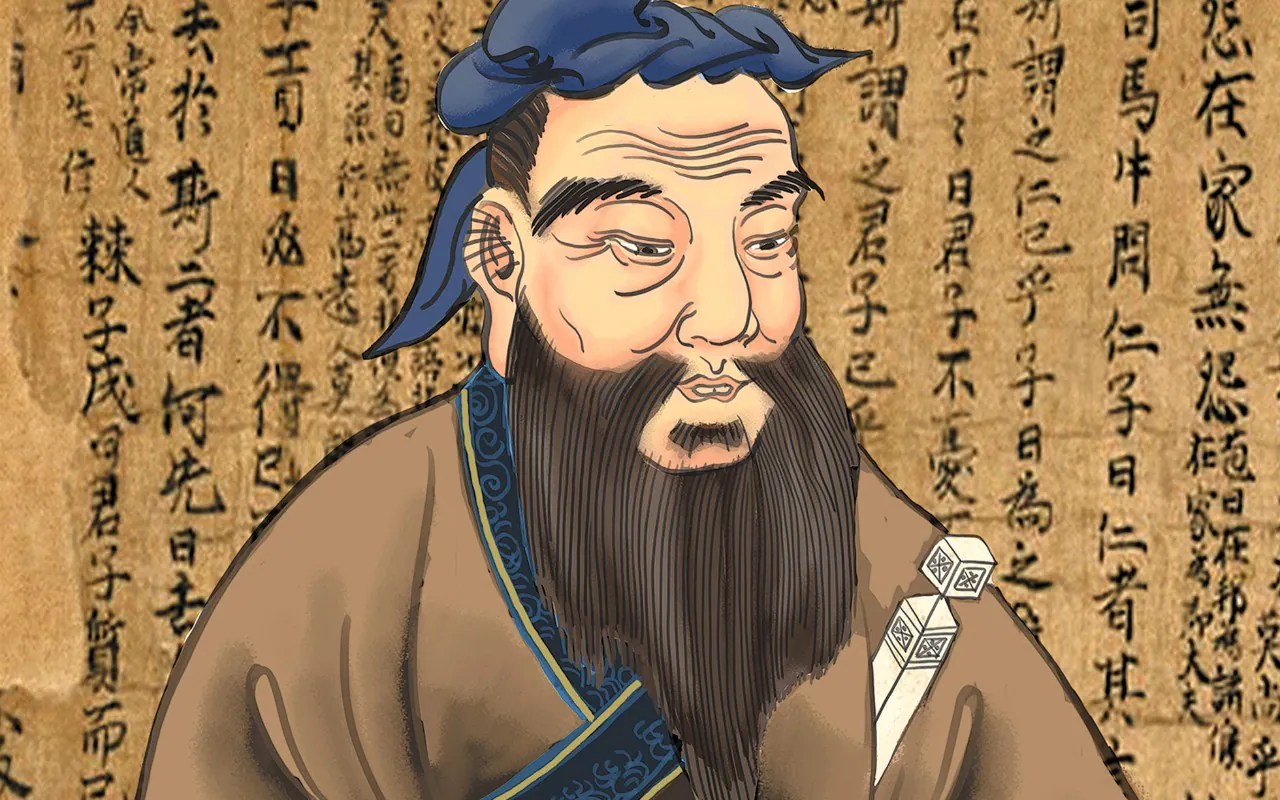

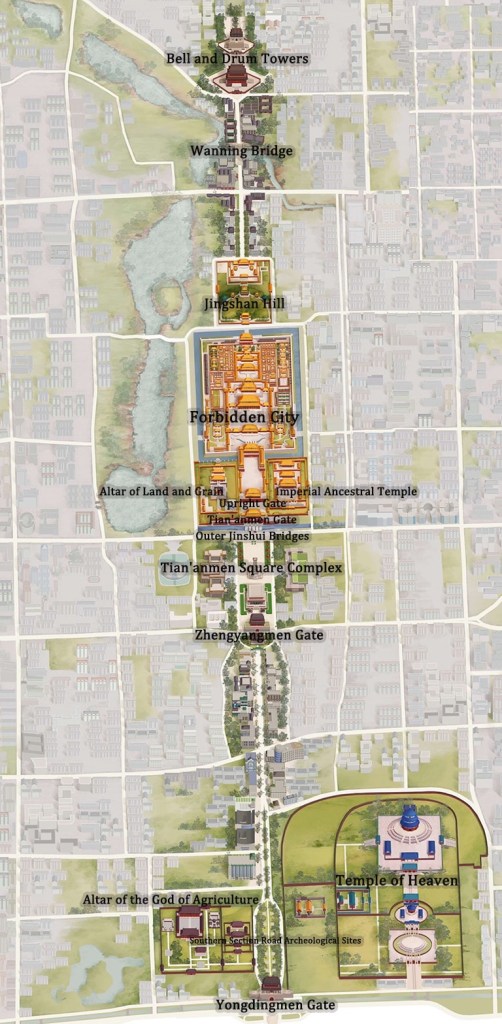
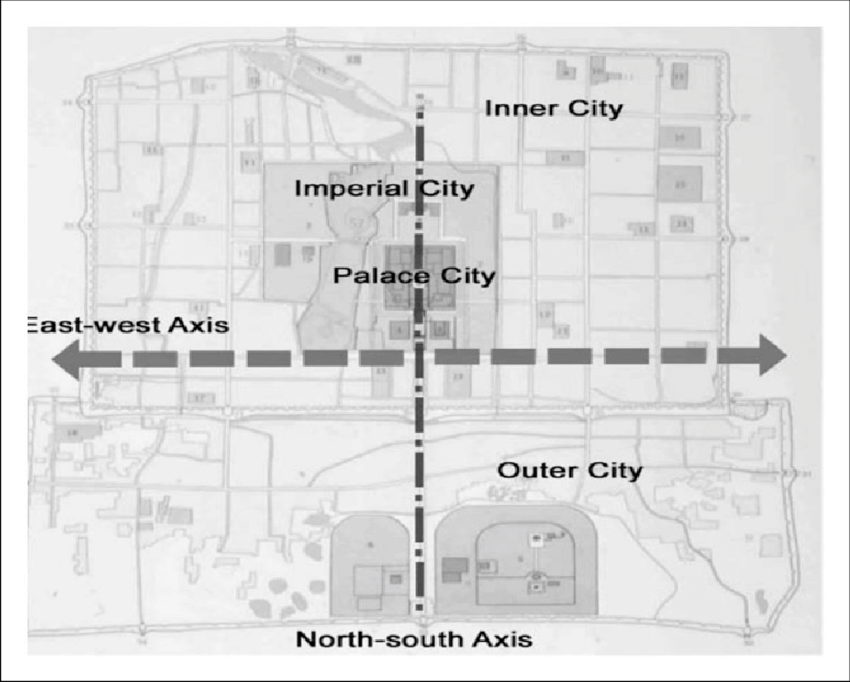
Tiananmen Square, located within the Beijing Central Axis, is a designated UNESCO World heritage site. As the site of numerous significant events throughout Chinese history, it holds immense political, historical, and cultural importance.
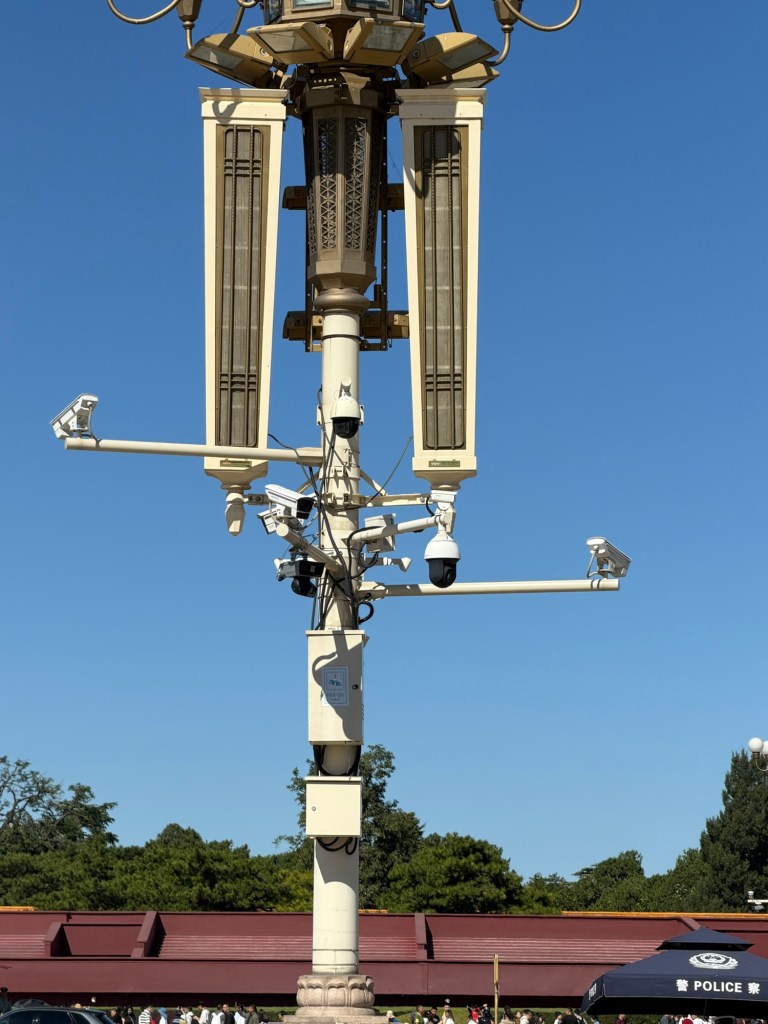
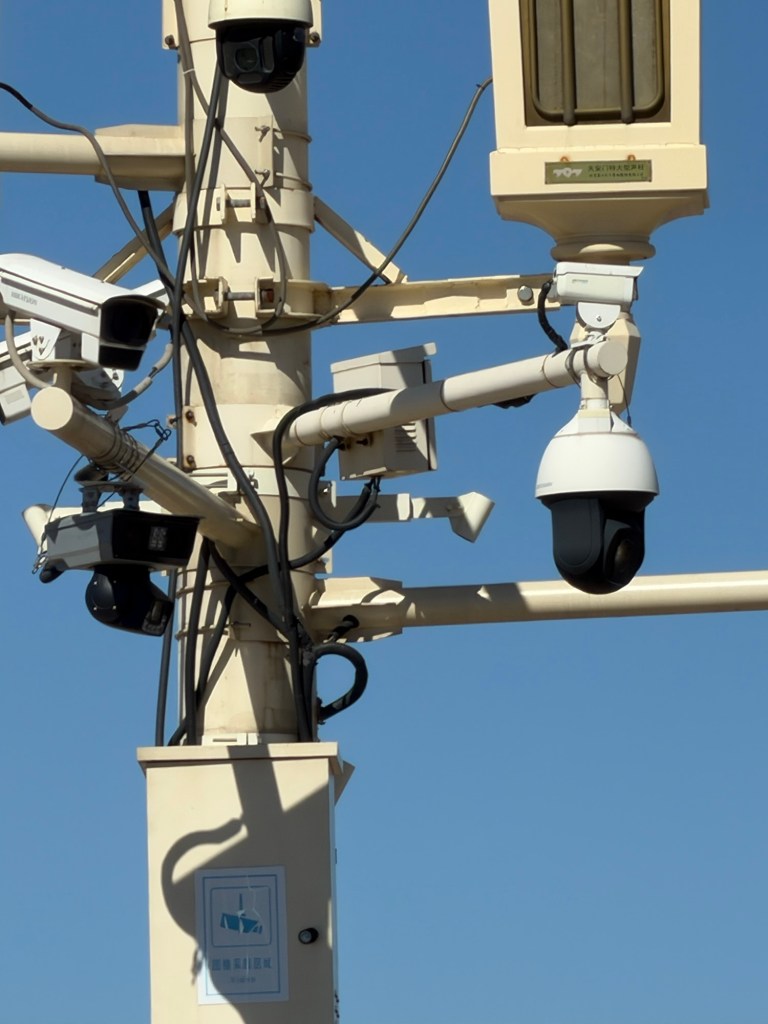
As stressed yesterday, security was all-encompassing and tight – note, again, the essential expandable equipment. Top tip: invest in shares of the company that manufactures and supplies Beijing’s expandable kettling gear.
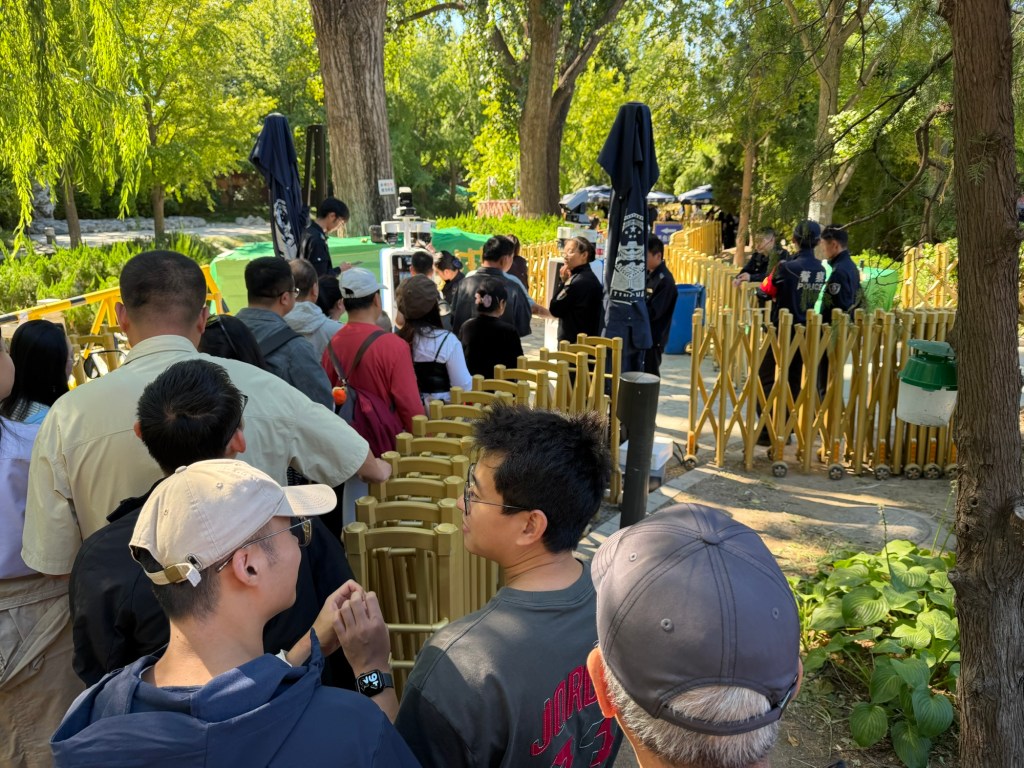
Chinese nationals were subject to facial recognition scanning, and had to give a digital fingerprint imprint. We were asked for our passports and entrance tickets. We knew from our pre-visit research that carrying our passports around with us was necessary.
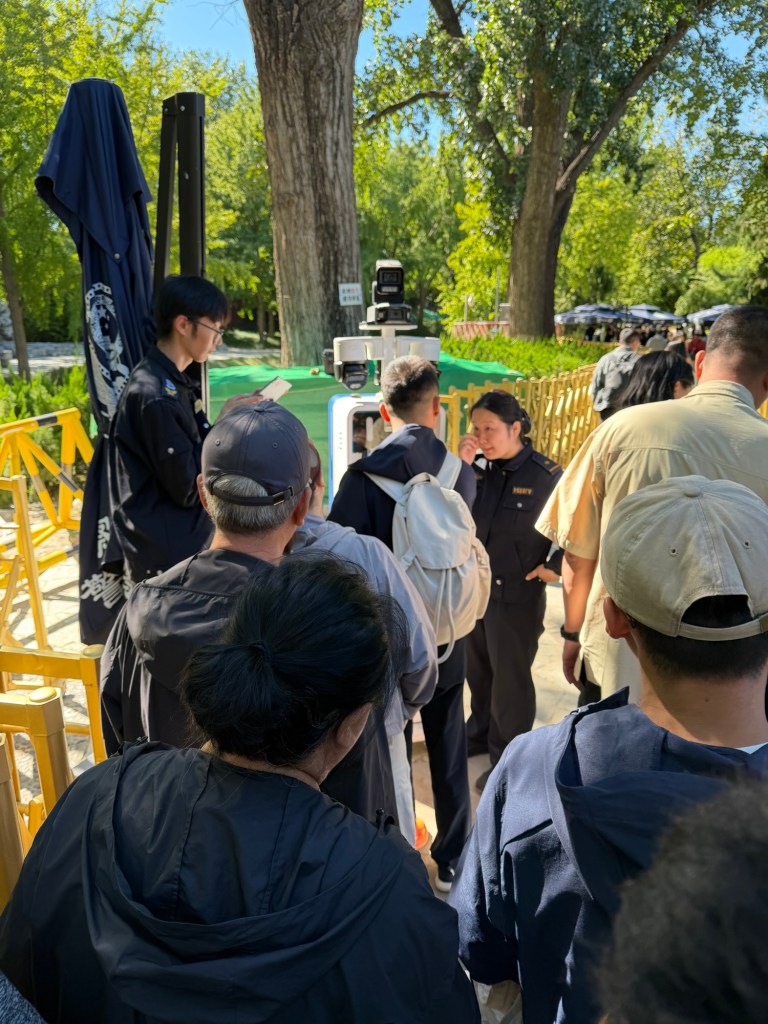
Once through, after being thoroughly checked out and frisked, twice, we hit Tiananmen Square.
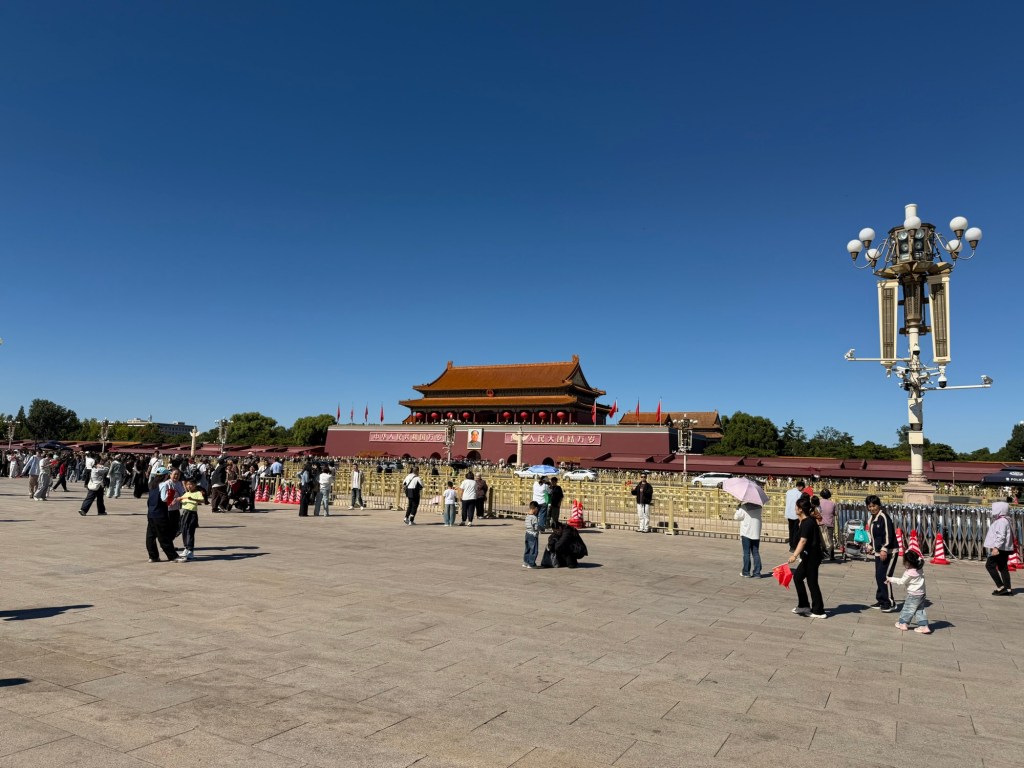
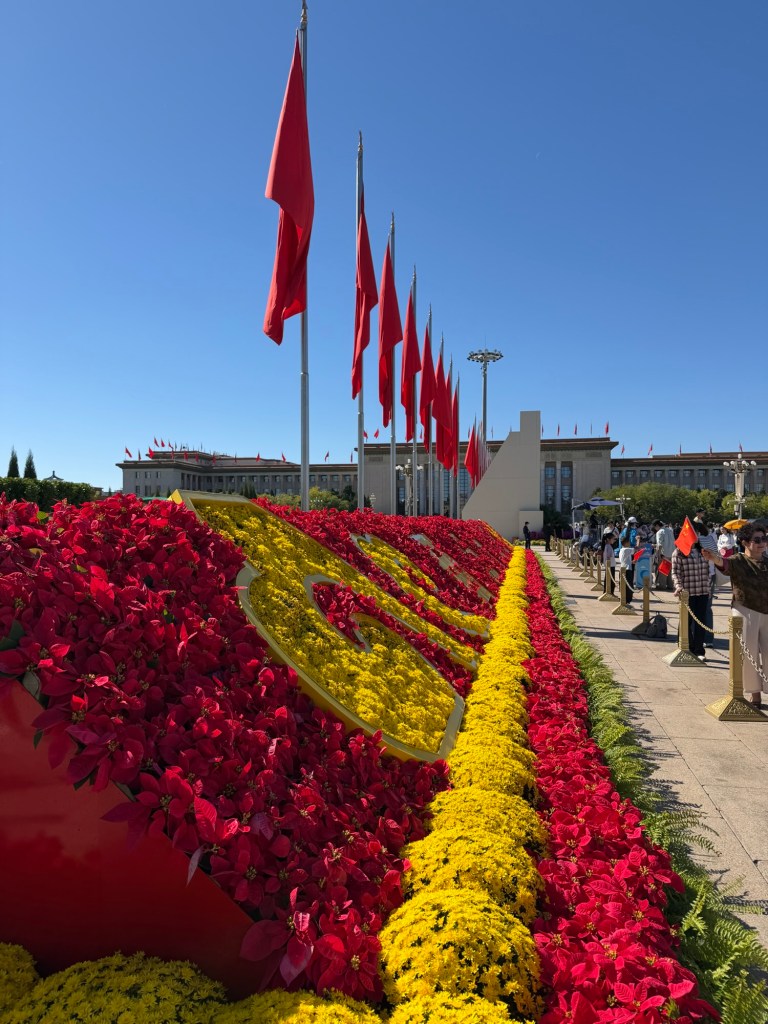
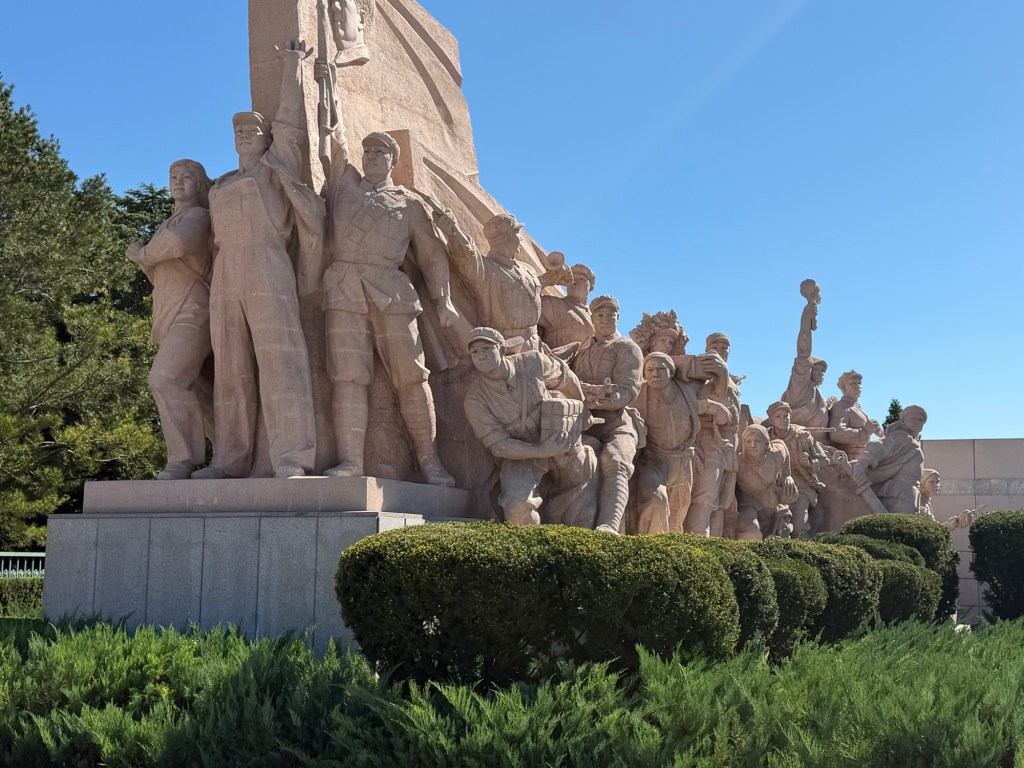
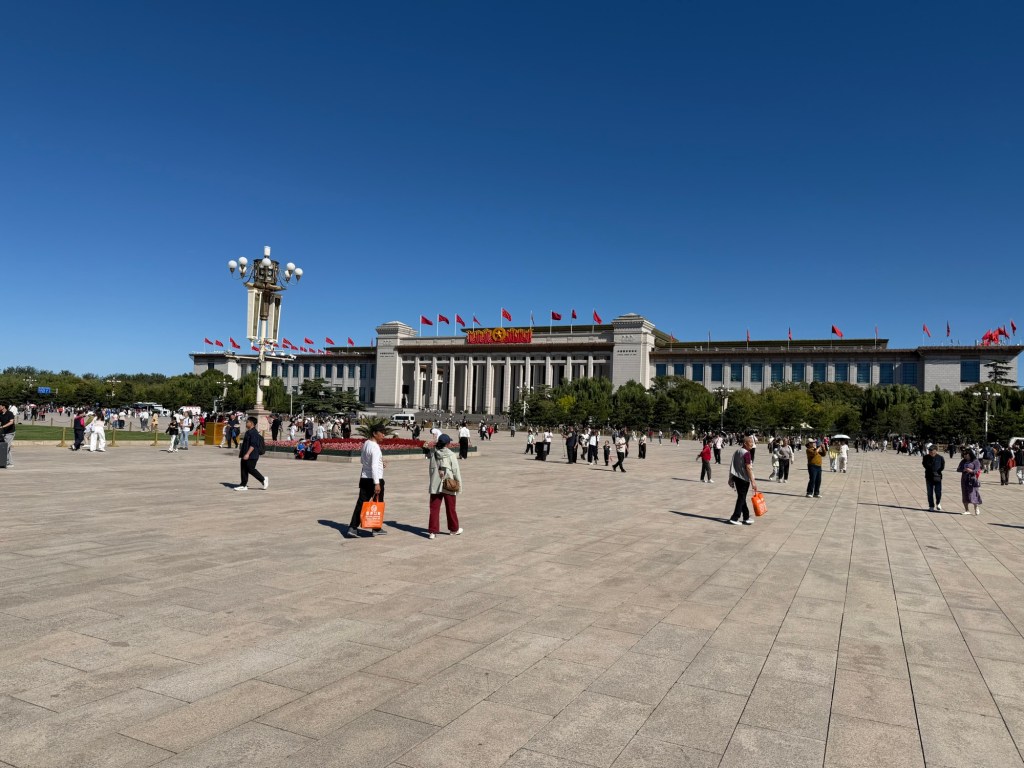
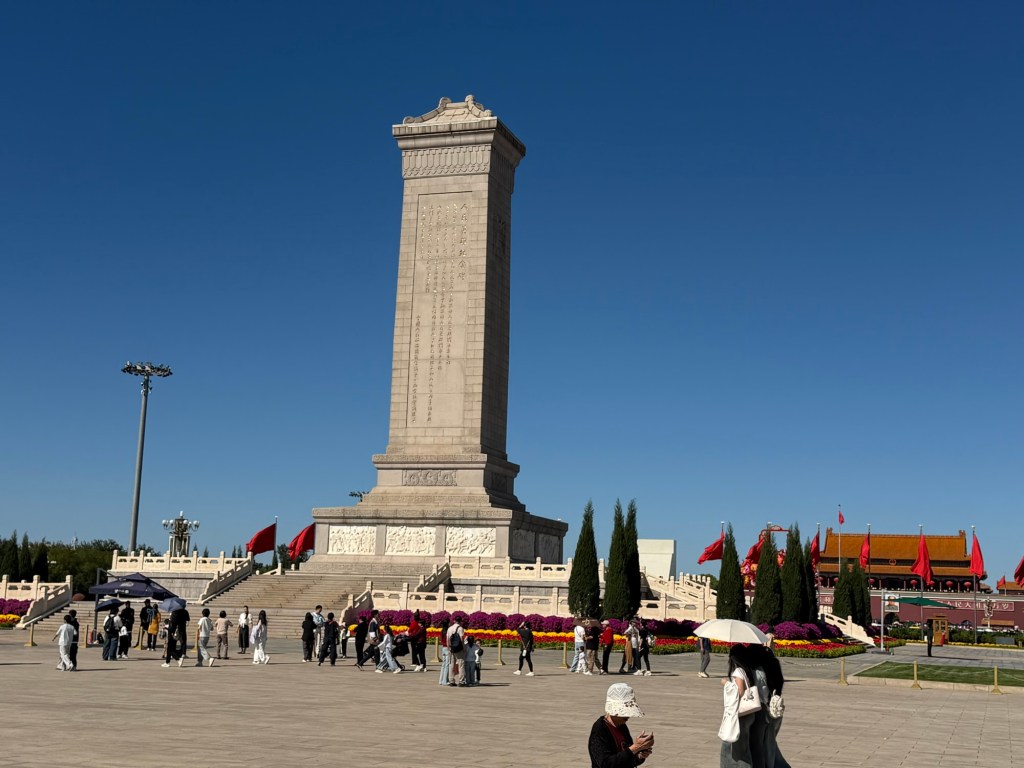
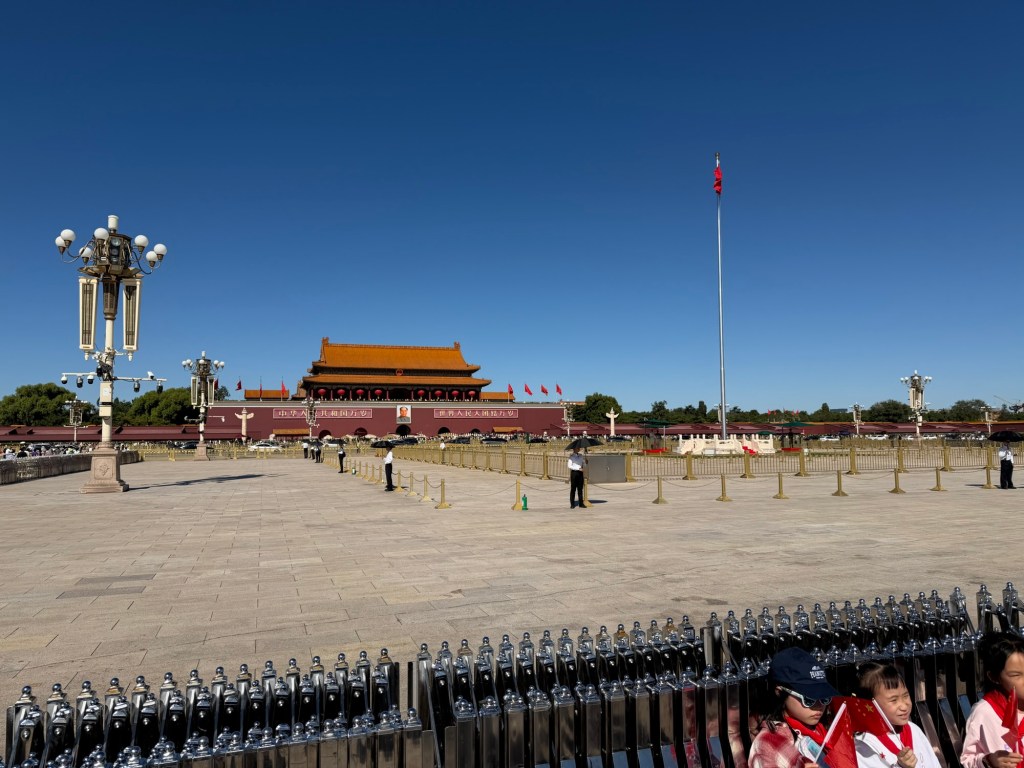
Tiananmen Gate was first built in 1417 and served as the front gate to the Forbidden City. During the Ming and Qing dynasties it was the site where officials and eunuchs issued the emperor’s proclamations. It was on 1 October 1949, from Tiananmen Tower – the specific two-story platform on the Gate – that Chairman Mao proclaimed the establishment of the People’s Republic of China.
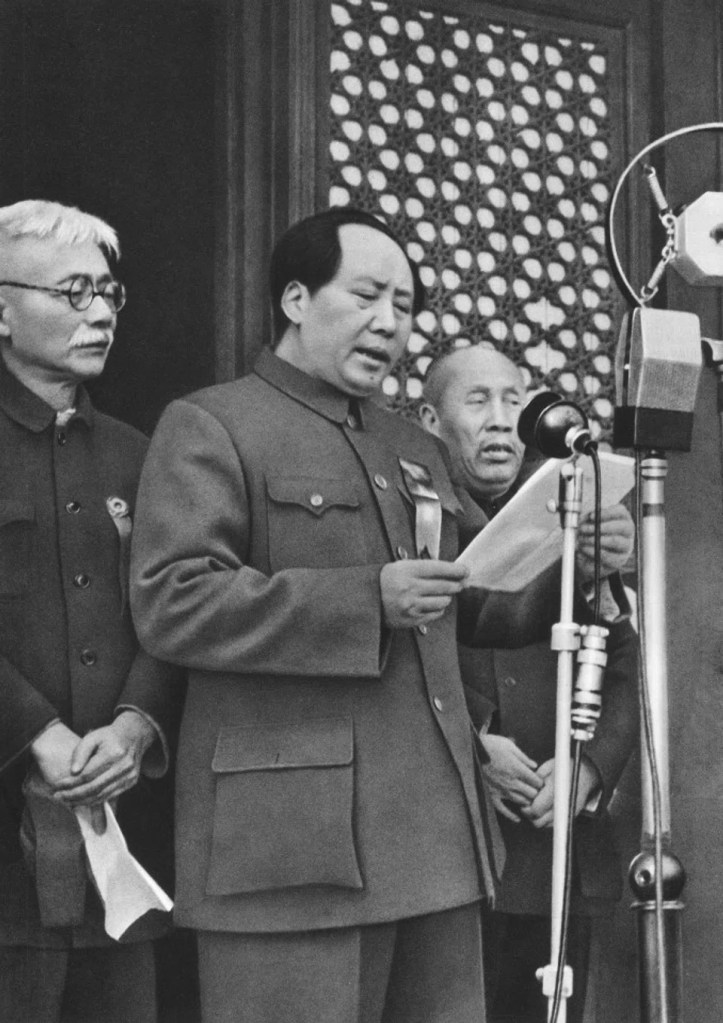
Ever since Chiang Kai-shek’s reactionary Kuomintang government betrayed the nation, colluded with imperialism, and launched a counterrevolutionary war, the people of the whole nation found themselves in a situation of deep water and intense heat. To defend the territorial sovereignty of the mother country, to protect the life and property of the people, and to relieve the people of their misery and strive for their rights, our PLA, with the aid of the people of the entire country, disregarded personal safety and fought courageously, thus wiping out the reactionary troops and overthrowing the reactionary control of the National Government. Currently, a basic victory has been won in the people’s liberation war, and the majority of the people in the nation have gained liberation. On this foundation, the plenum of the first session of the Chinese People’s Political Consultative Conference, Organized by all the democratic parries and factions, the people’s organizations, the PLA, the areas, the minority nationalities, and representatives of Overseas Chinese and other patriotic elements, has been convened. Representing the will of the people of the entire nation, it has formulated the organization law for the Central People’s Government of the People’s Republic of China, elected Mao Tse-tung as chairman of the Central People’s Government…The committee also resolved to declare to the governments of all nations that this government is the only legitimate government representing the People’s Republic of China and the people of the entire country. This government is willing to establish diplomatic relations with all foreign governments which are willing to follow the principles of equality, reciprocity, and mutual respect of territorial sovereignty. It is so proclaimed.
Mao Tse-tung,
Chairman of the Central People’s Government of the People’s Republic of China
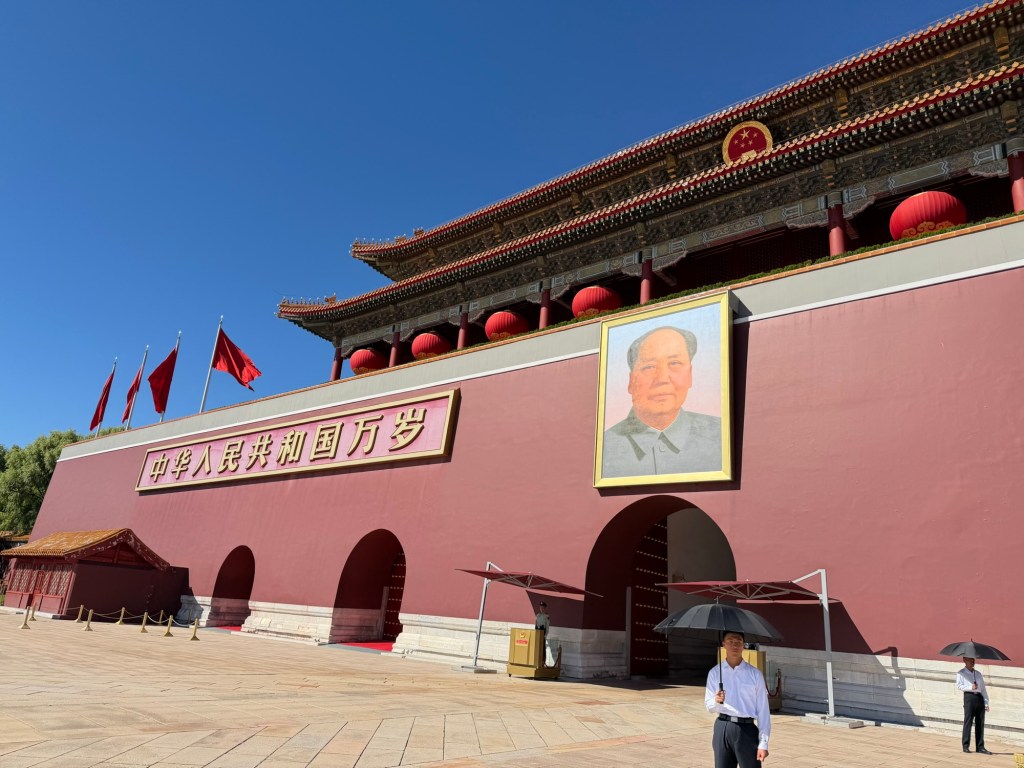
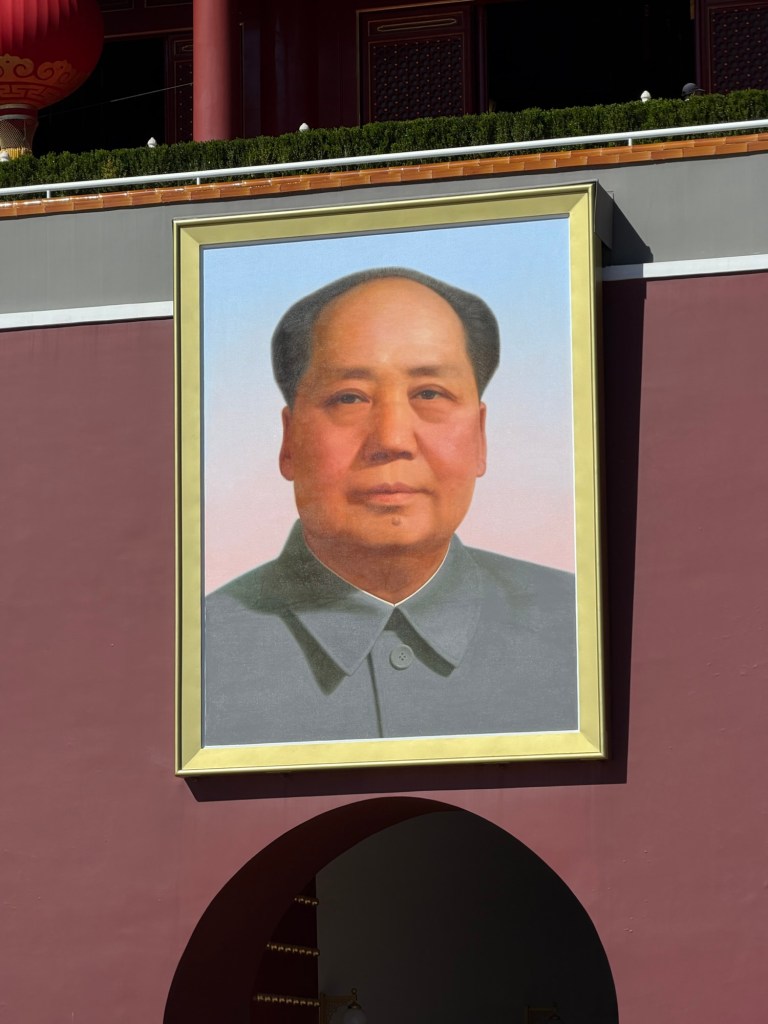
The Forbidden City, reclusive home to two dynasties of imperial rule, is enclosed by 3.5km of citadel walls and made up of 900-plus buildings. The imperial court was served by a retinue of consorts, eunuchs and palace maids.
It was extremely busy but – other than at key transition points – the different areas that make up the complex offer more than enough space for one to step aside.
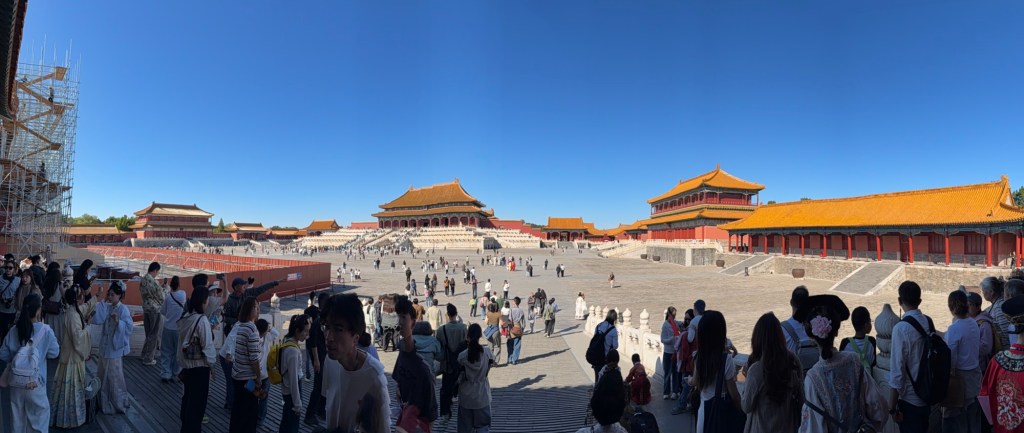
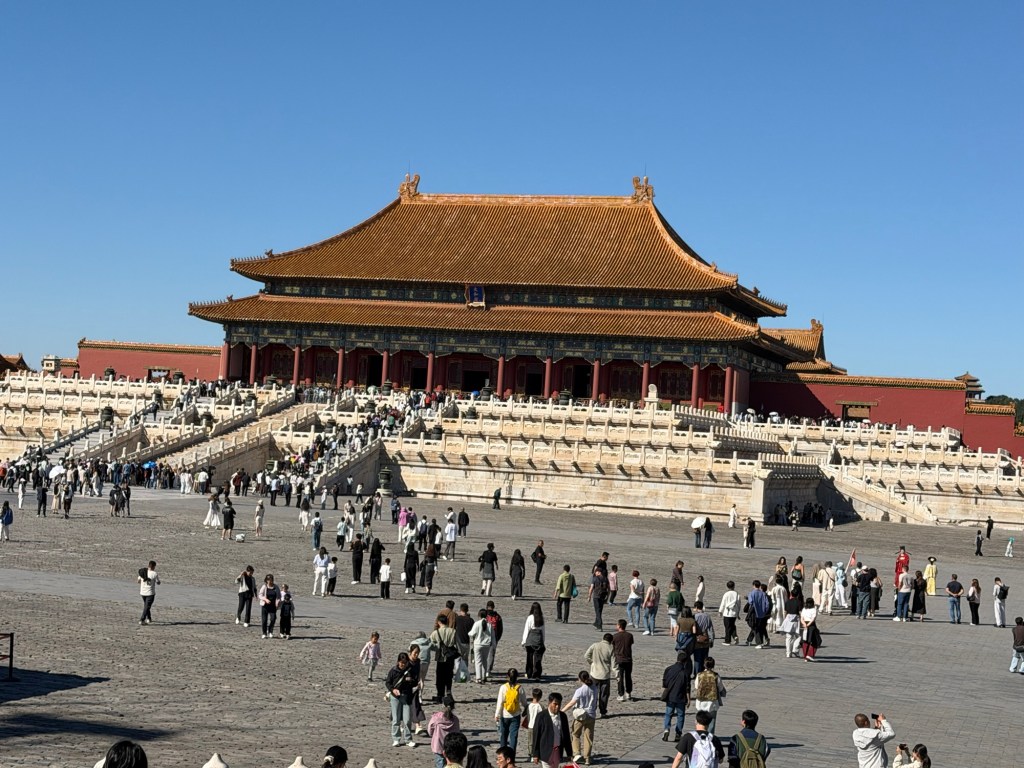
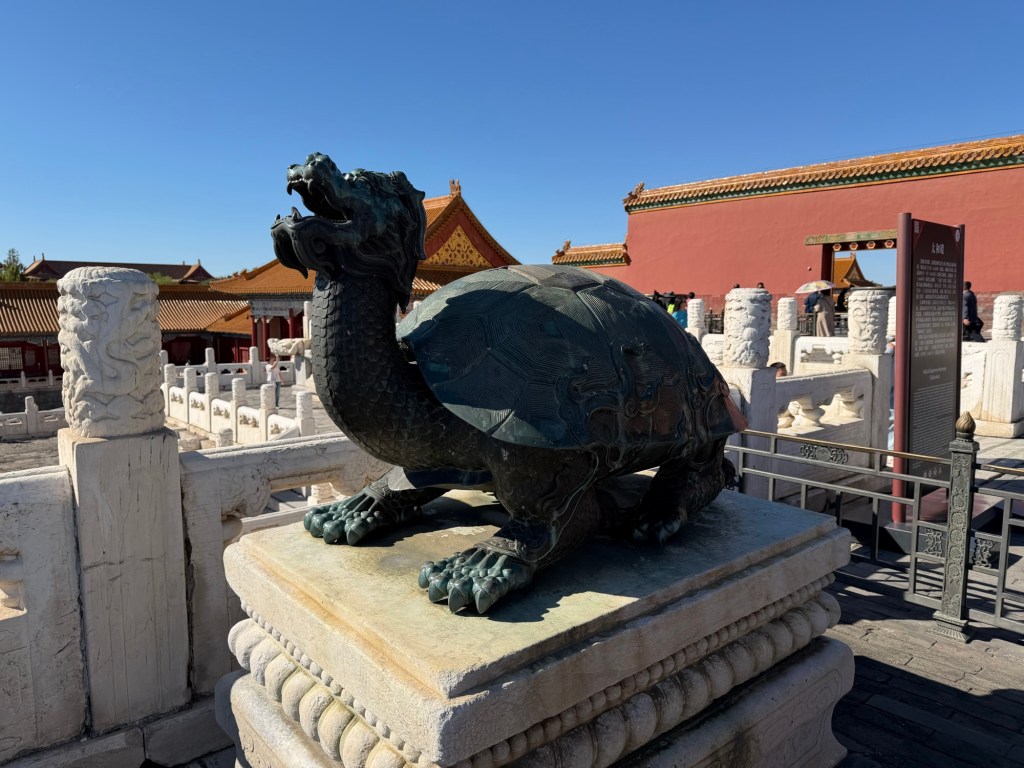
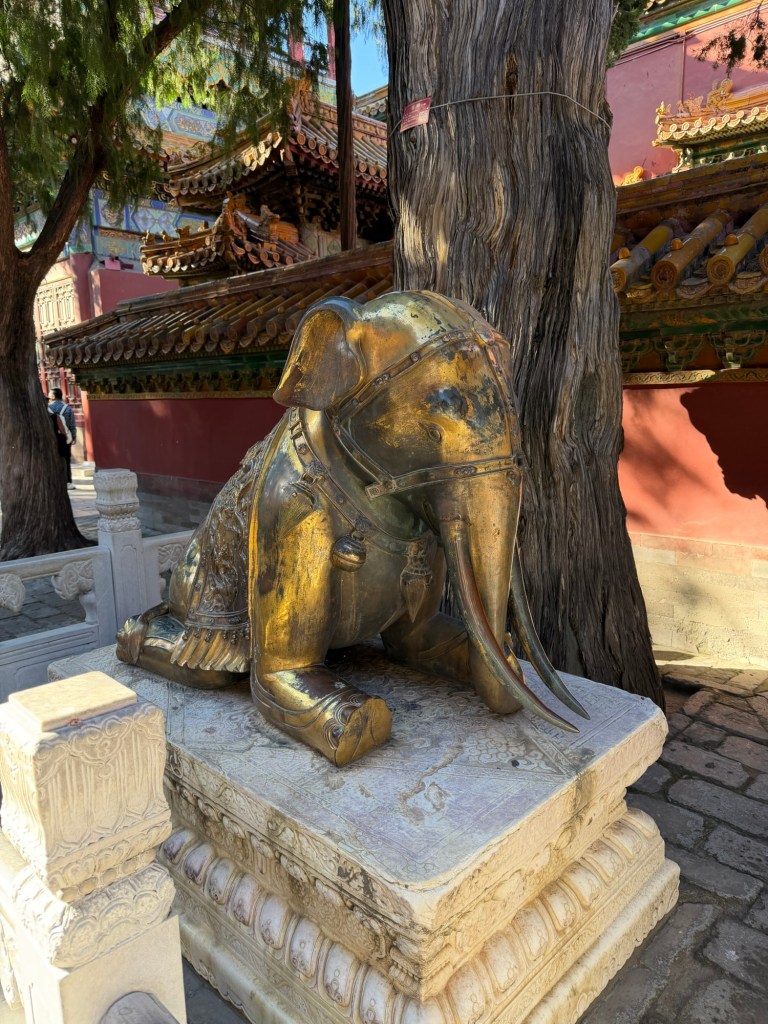
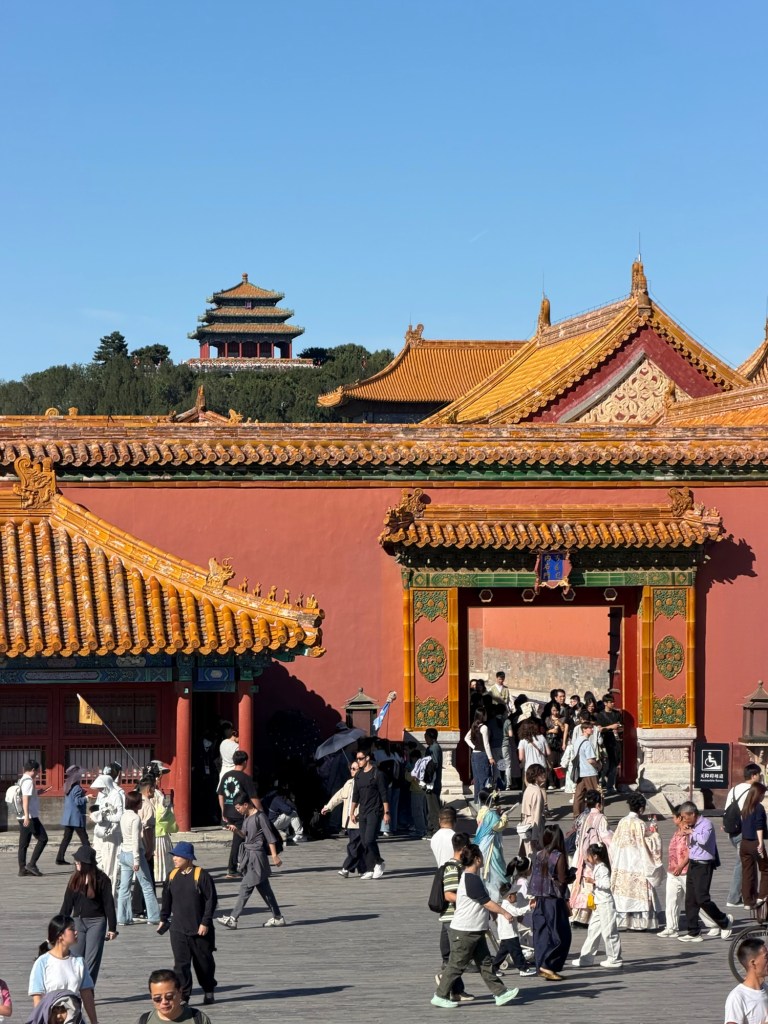
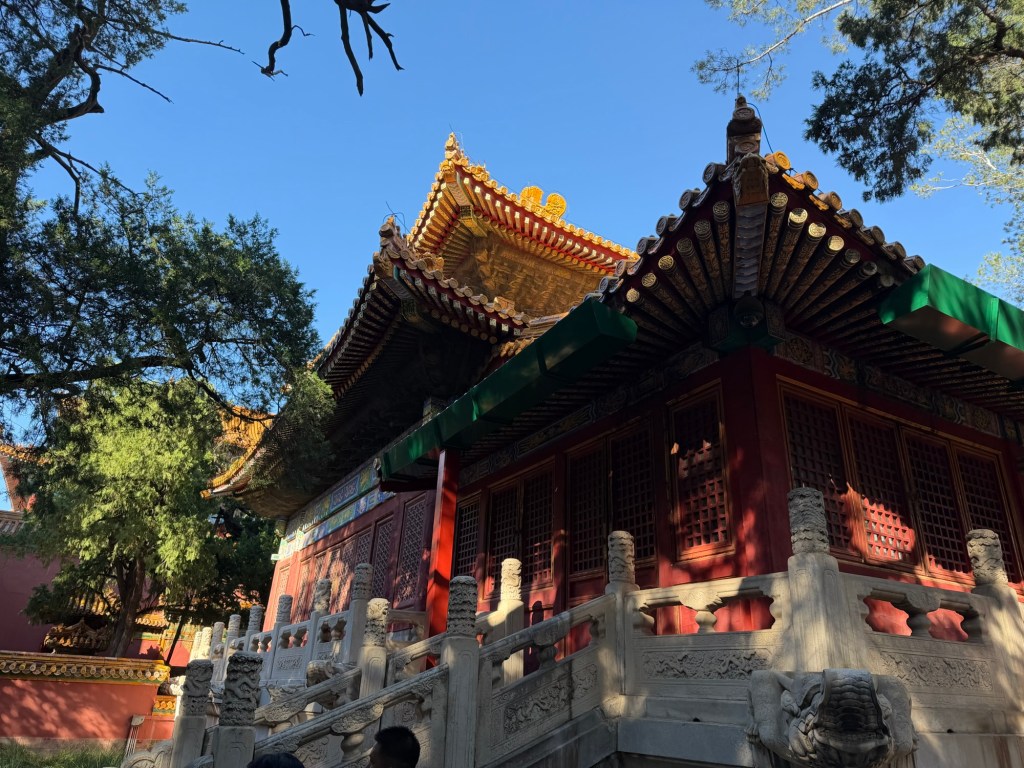
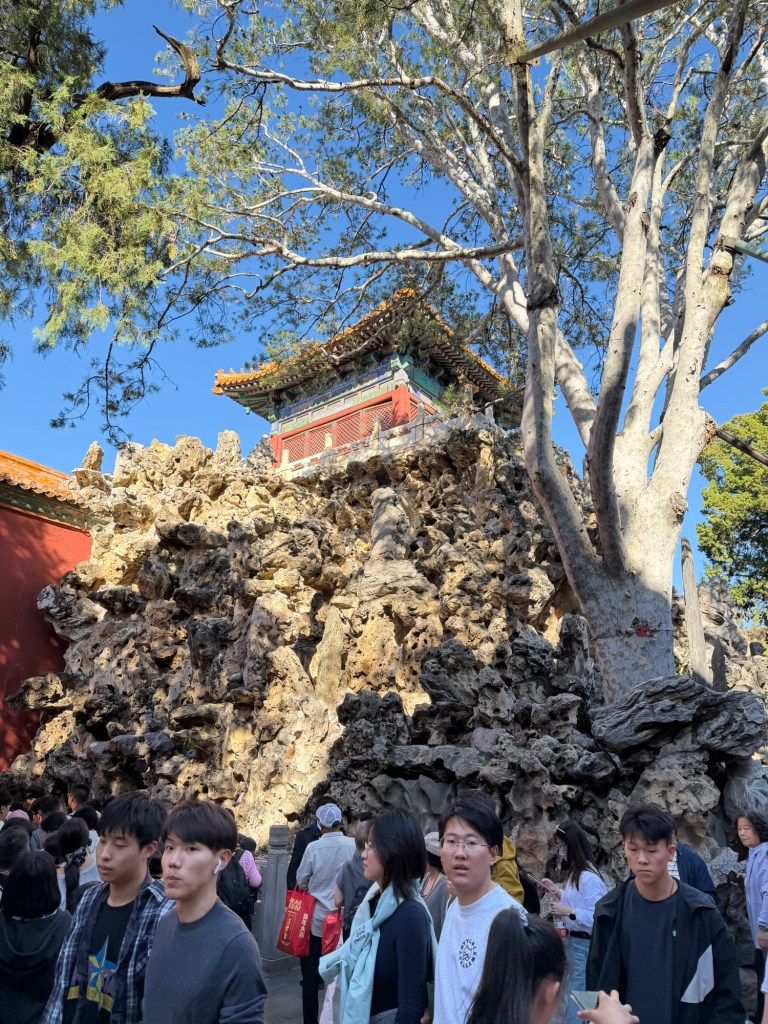
After being the home of 24 emperors – 14 of the Ming dynasty and 10 of the Qing dynasty – the Forbidden City ceased being the political centre of China in 1912 with the abdication of Puyi, the last emperor of China.
Formerly, access to the site was restricted only to the emperor, the imperial family, and their eunuch servants. The penalty for unauthorised access was immediate execution; hence the Chinese term “Forbidden City” emerged.
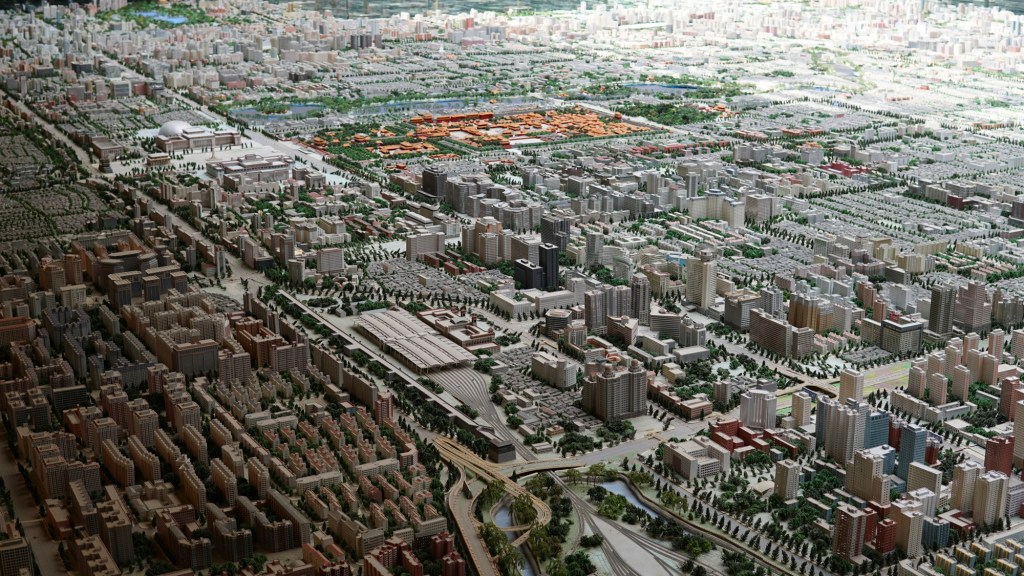
And there it is, right at the heart of modern day Beijing…

Final word…
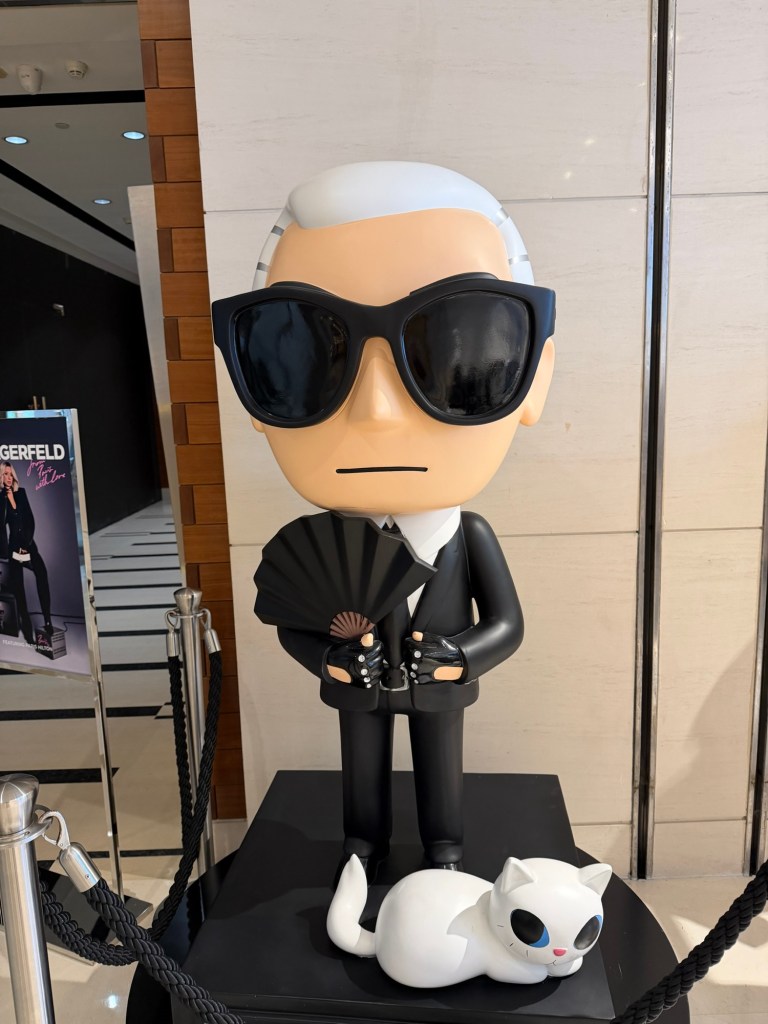
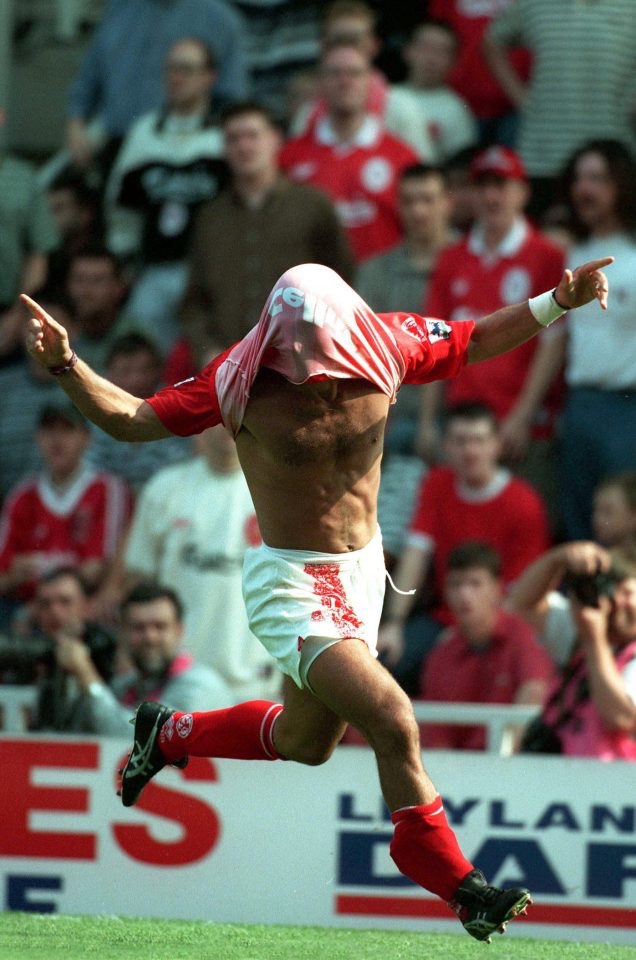
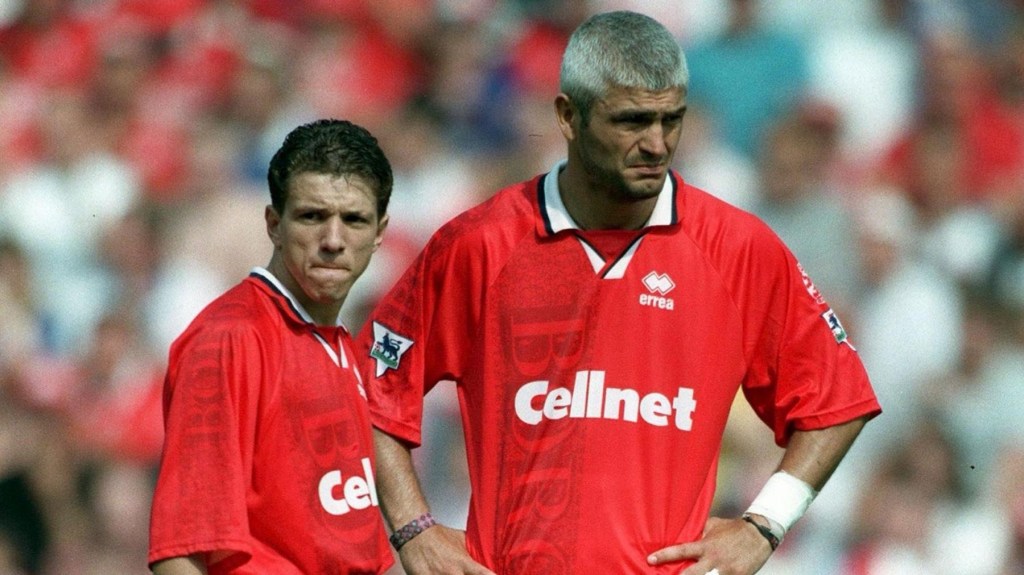
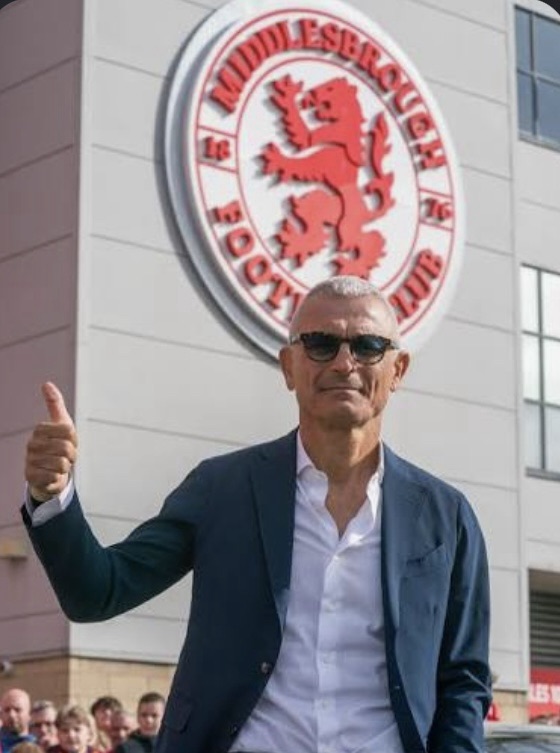
Our appreciation of the hotel we are staying in went up a notch today after discovering they have a tribute to the mighty Boro’s very own Fabrizio Ravanelli (a.k.a. the White Feather) at the far end of the lobby.
The Great Wall of China tomorrow!


Leave a Reply