
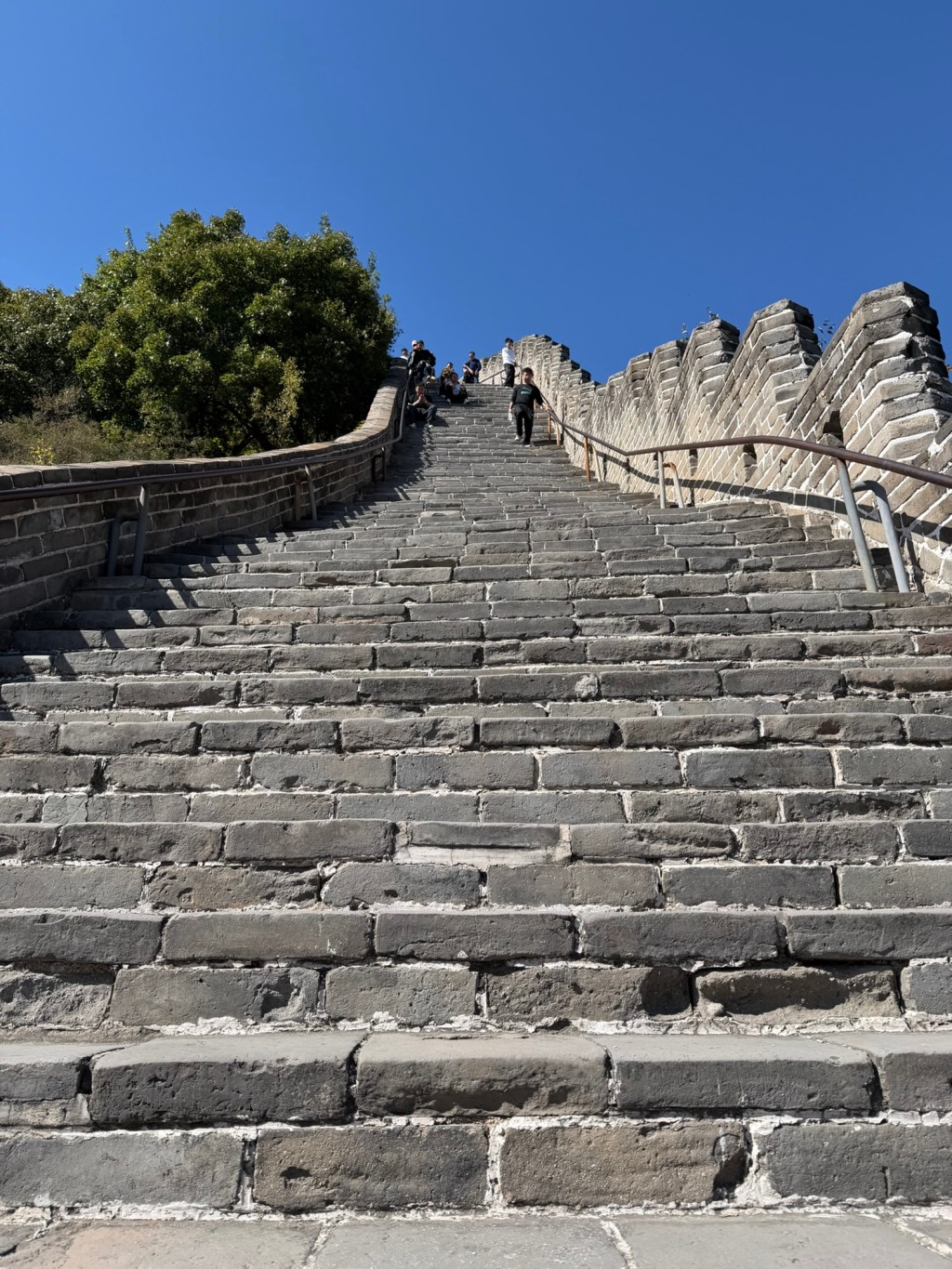
In Chinese (Mandarin), Wànlǐ means ‘ten thousand li’. A li is a traditional Chinese unit of distance (about one-third of a mile). ‘Ten thousand’ is used to mean an extremely large, uncountable number.
Chángchéng means, ‘long wall’.
Combined: It literally translates to the ‘ten-thousand-li long wall’.
Today’s destination: The Great Wall of China!!
We didn’t want to experience what we anticipated would be one of the absolute highlights of our journey around China being part of a group. And so, we purchased entry tickets through TripAdvisor and ventured to make our own way to our Wall access point, Badaling.
A little bit of research determined that the swiftest way would be to travel by high-speed train from Qinghe Railway Station to Badaling. We bought them on Trip.com – total cost, £3.60 each, First Class. This did mean having to get to Qinghe, so, who are you going to call? Ghost busters DiDi! A 20km drive – total cost, £8.
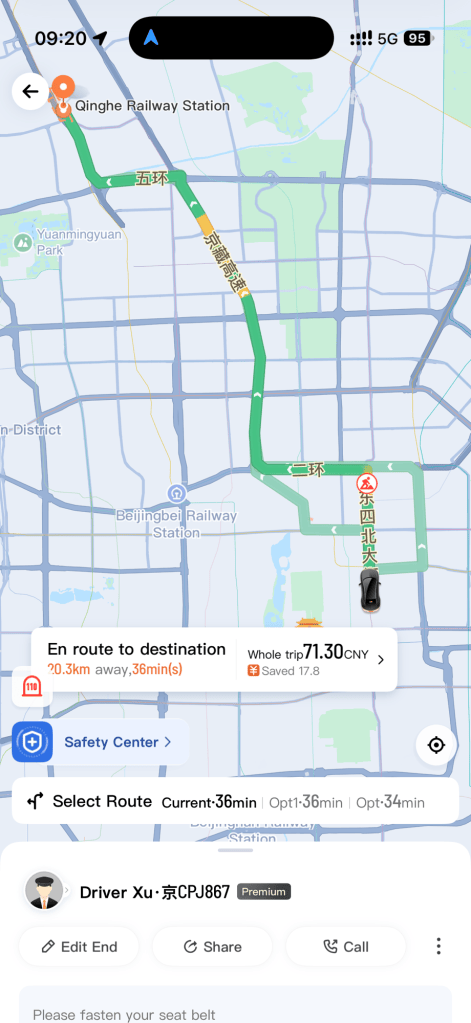
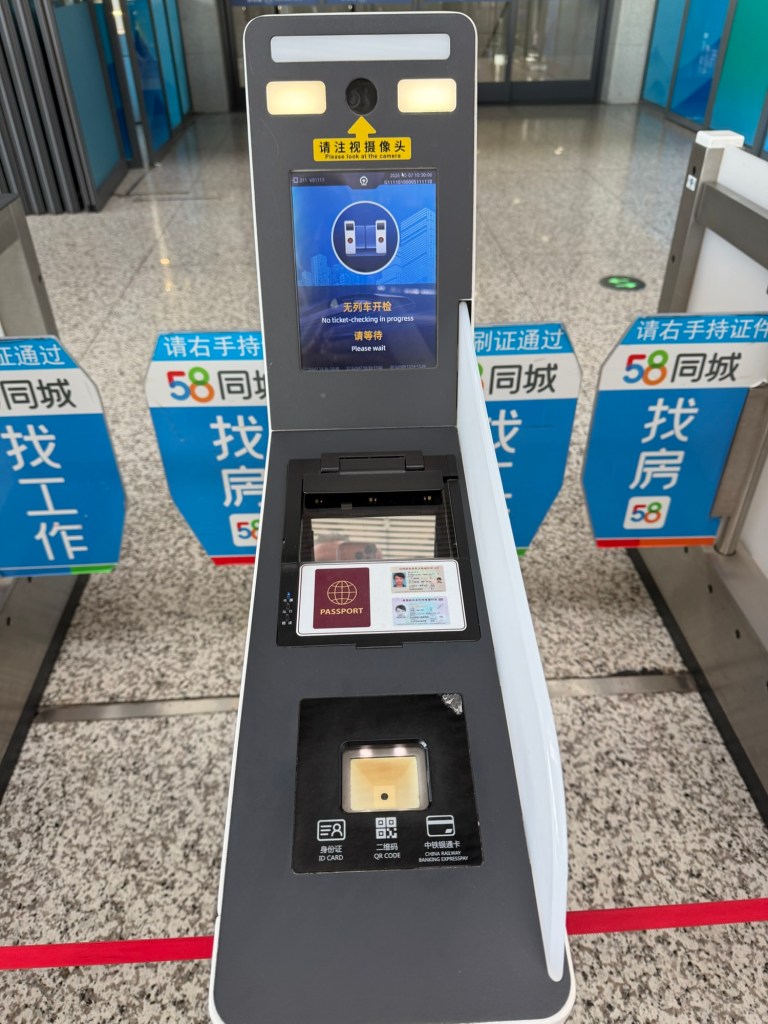
Dropped at the main entrance to the station, we walked in, showed our passports at security and…
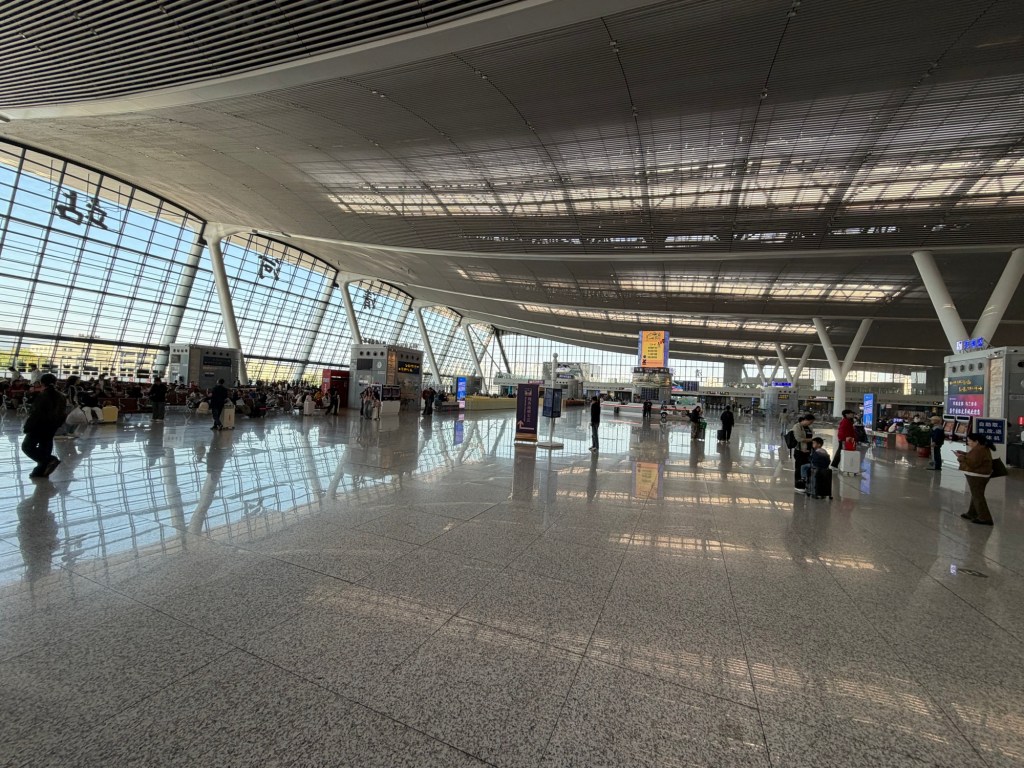
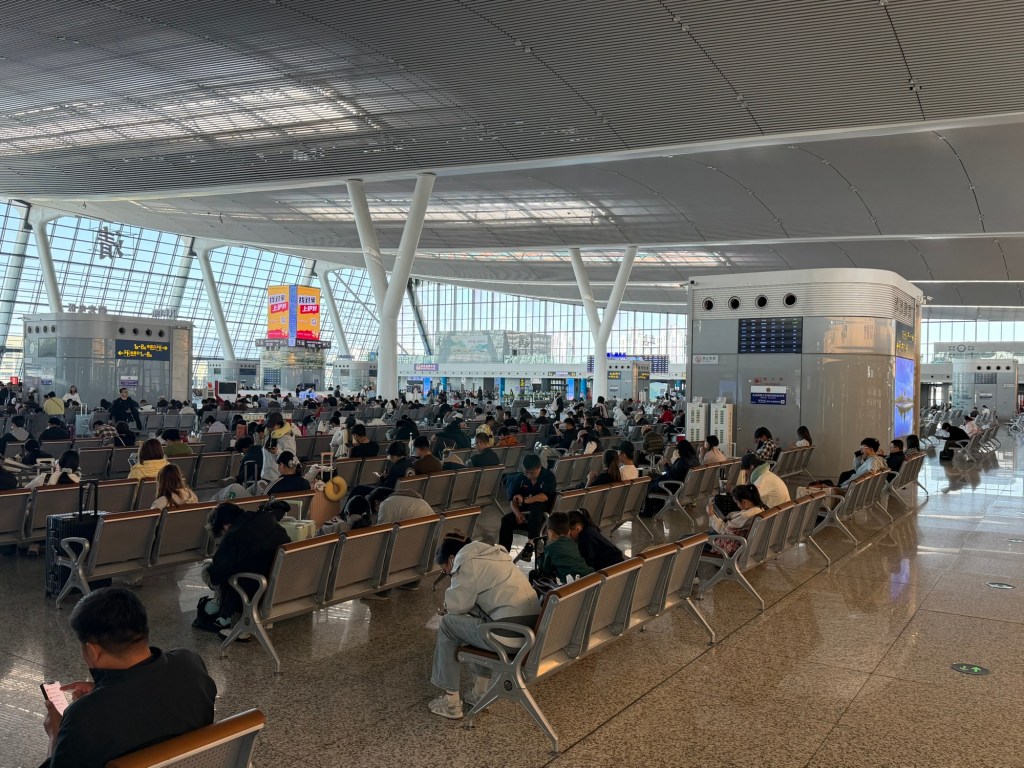
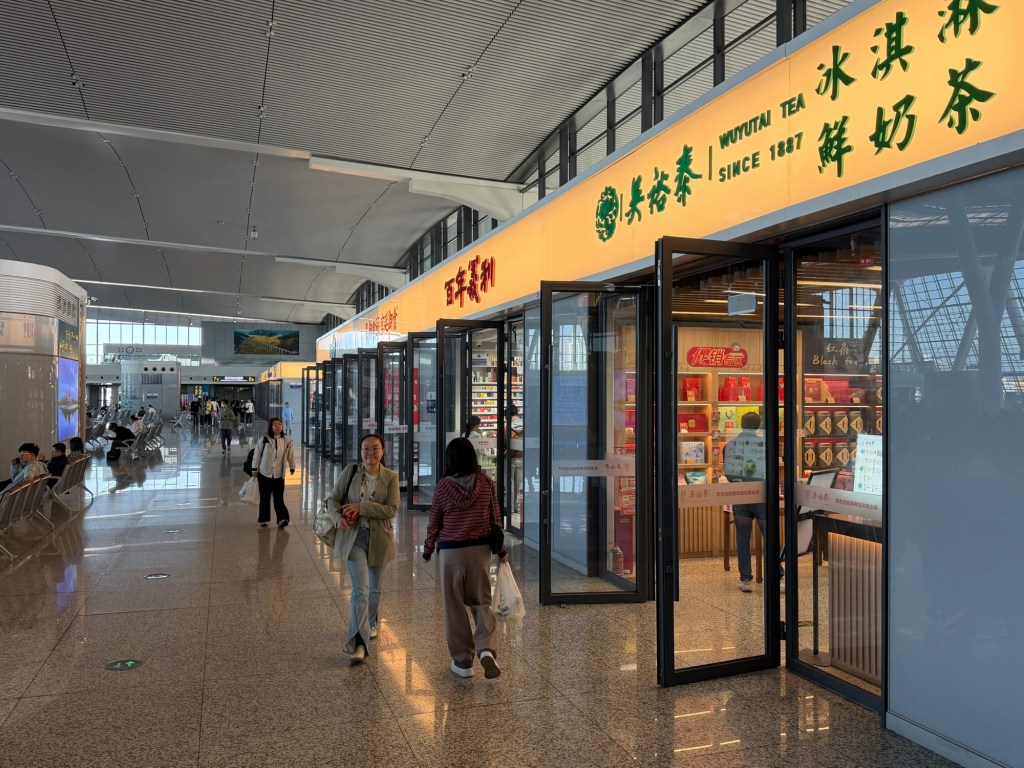
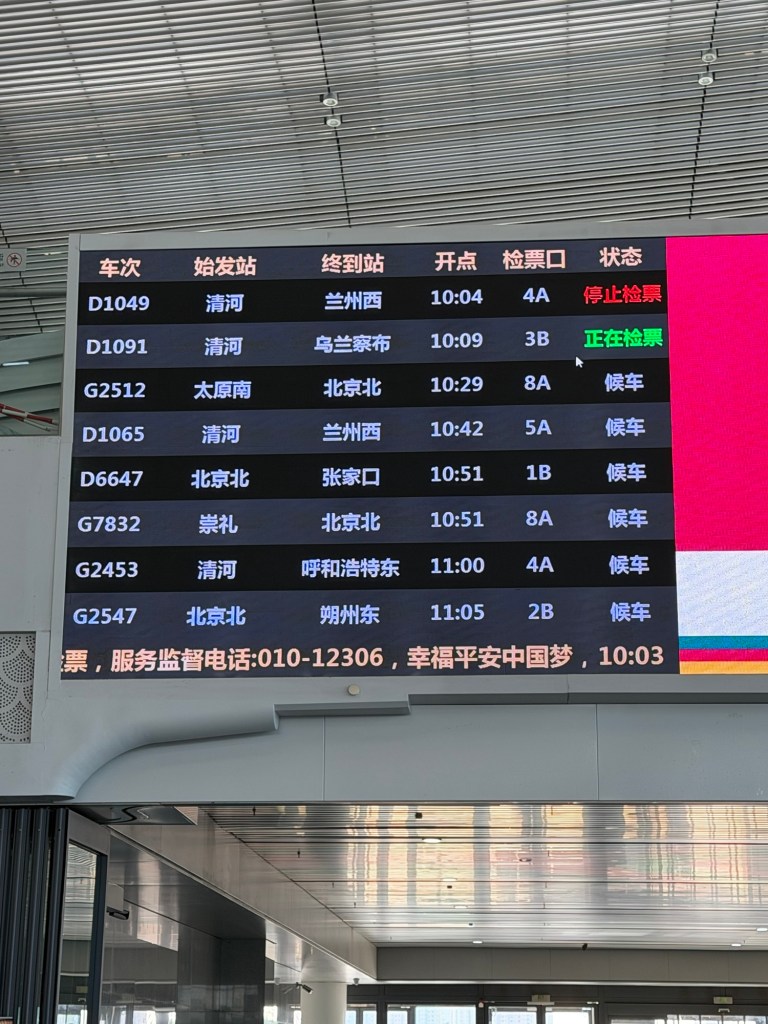
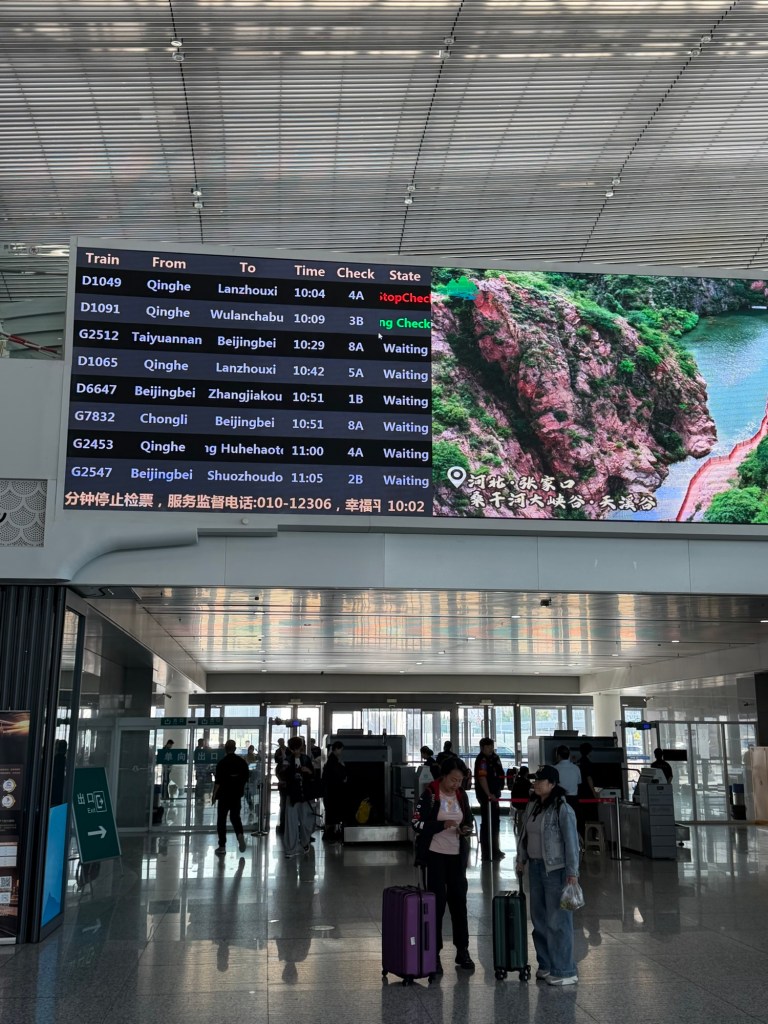
That’s us, D6647, 10:51, Gate B1… and visible at the far end of the hall…
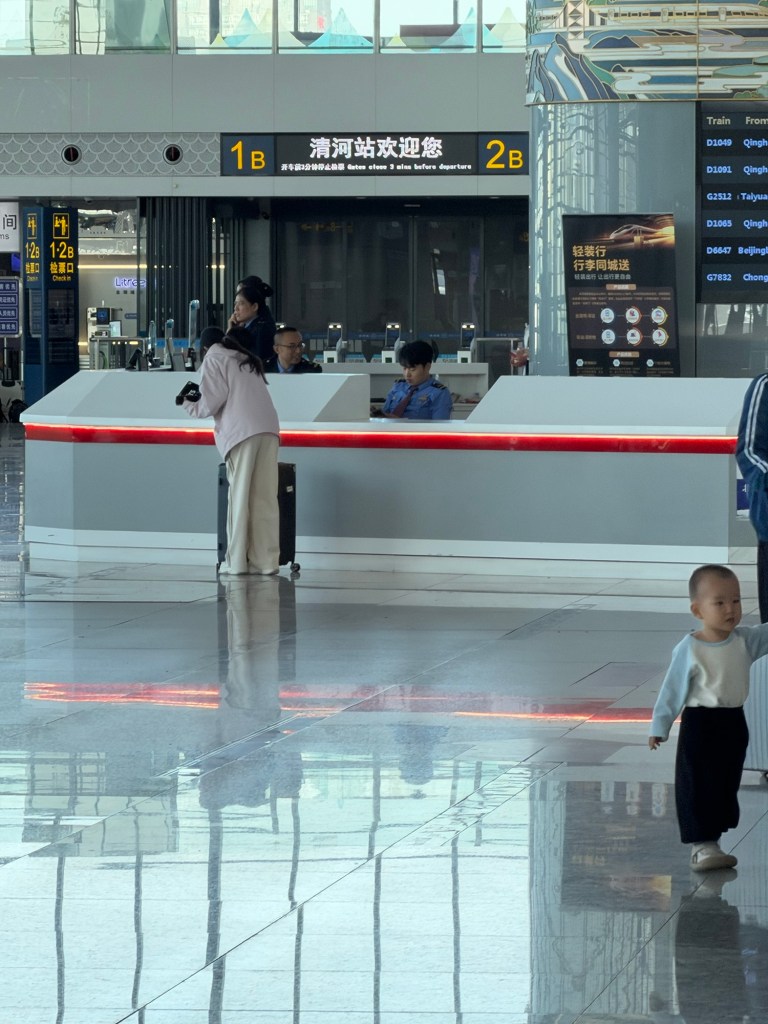
Compared to Japan, last year (which we did master, ultimately), an absolute doddle – for our Tokyo transportation experience click on link here
Day 4 of 28, am I getting ahead of myself? Perhaps I should 🤫
Again, do NOT forget your passports!
The Great Wall was continuously built from the 3rd century BC to the 17th century AD on the northern border of the country as the great military defence project of successive Chinese Empires, with a total length of more than 20,000 kilometres.
The Great Wall begins in the east at Shanhaiguan in Hebei province and ends at Jiayuguan in Gansu province to the west. Its main body consists of walls, horse tracks, watch towers, and shelters on the wall, and includes fortresses and passes along the Wall.
Source: World Heritage Convention: UNESCO
Once at the Wall we took the cable car up…
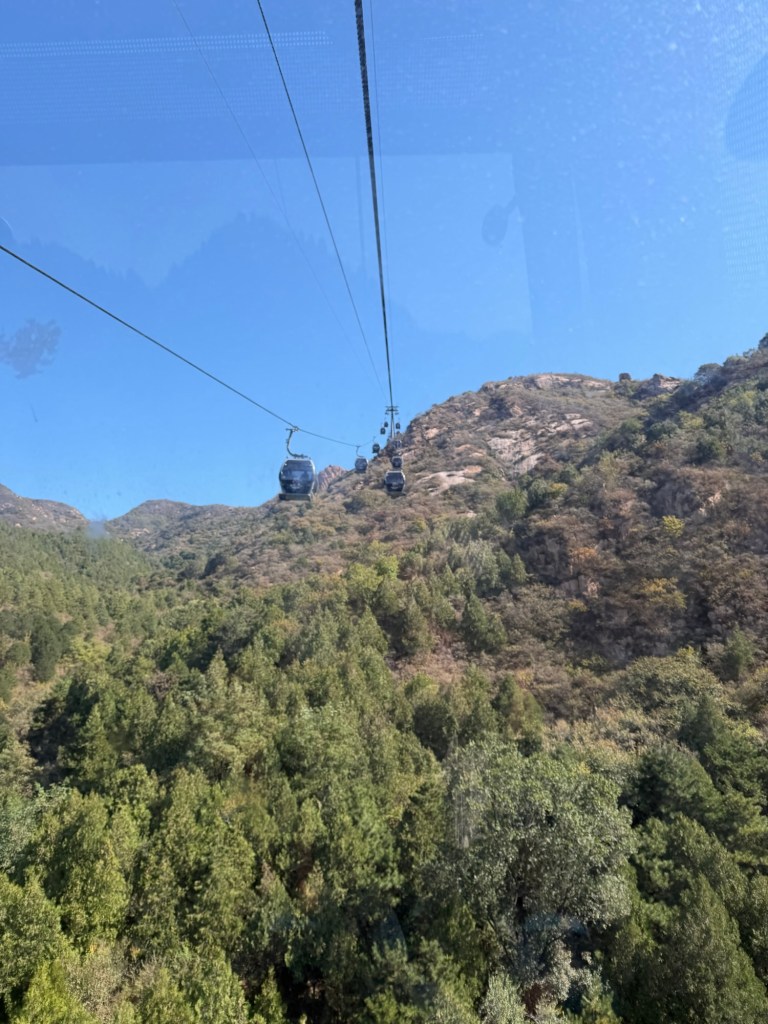
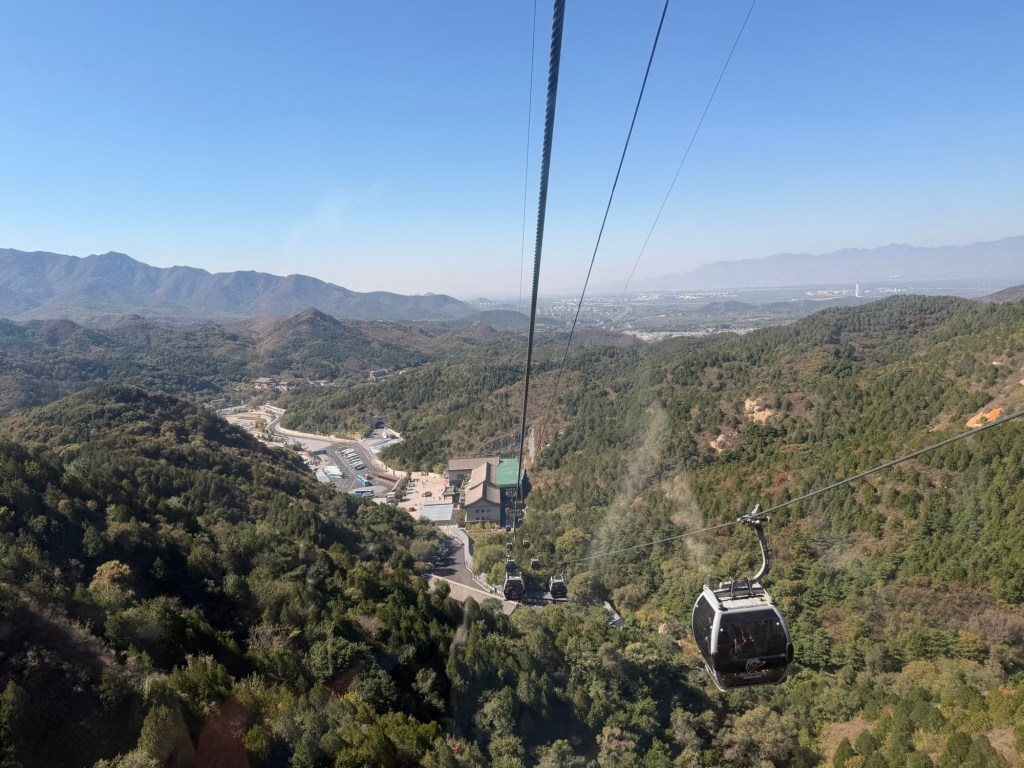
We opted for the long haul. This was a wise move for the further we walked the more other people peeled off and turned back. Although, it has to be said that the ups and downs were seriously steep. The photos may give some indication as to the fact but not fully so…
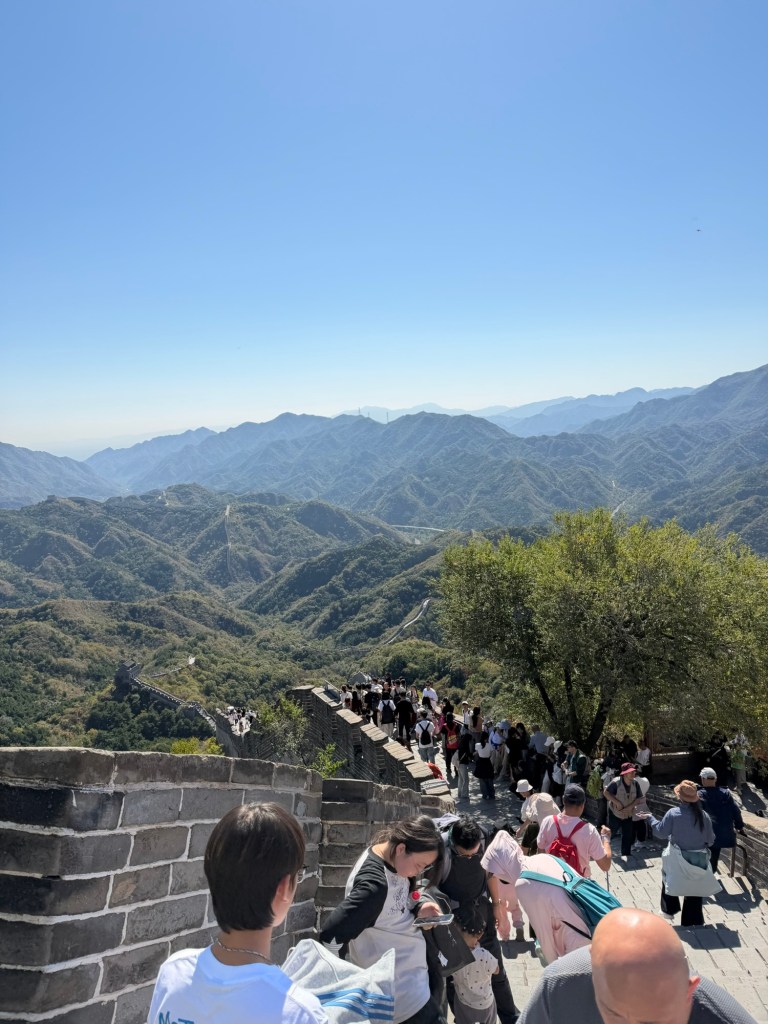
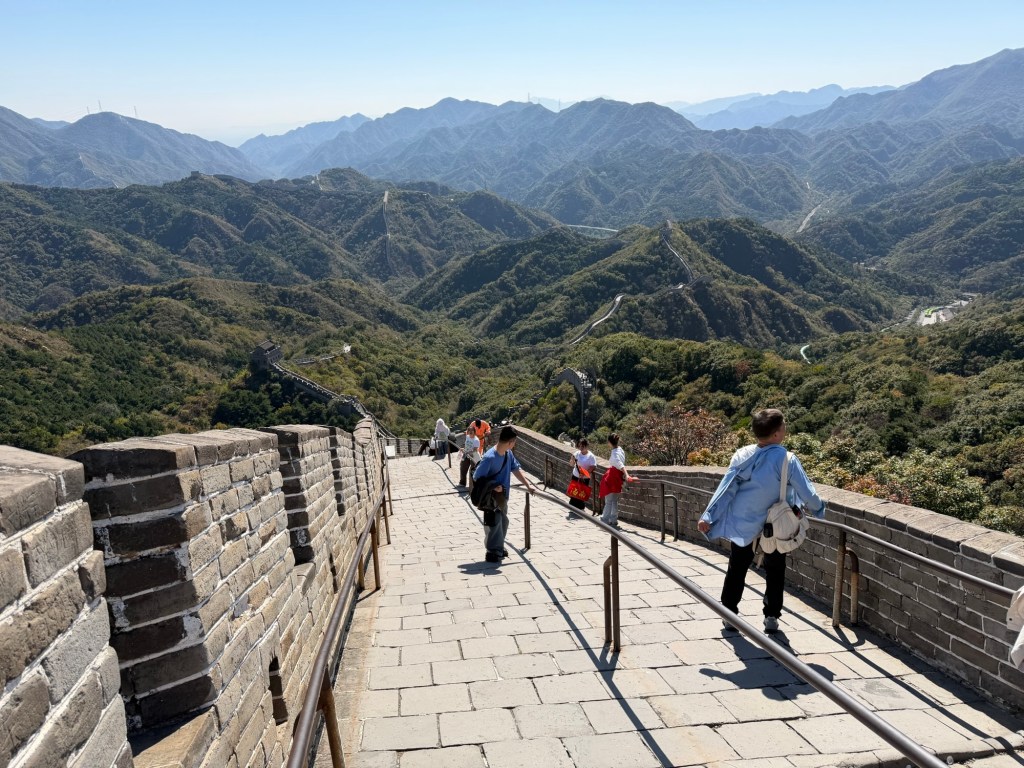
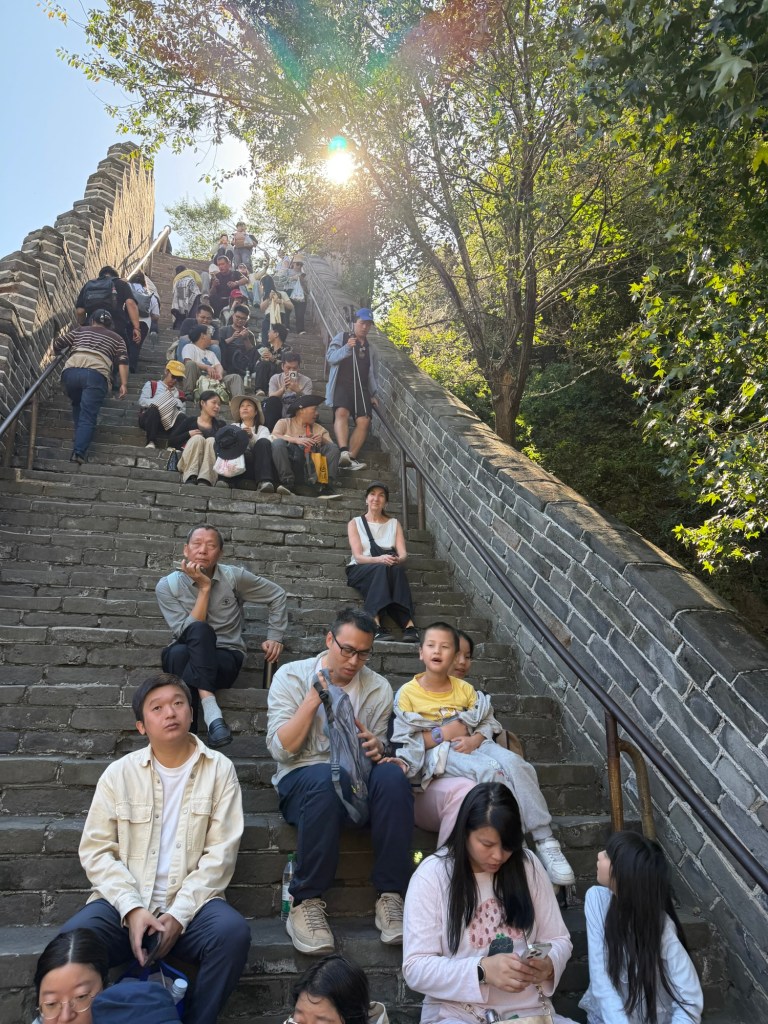
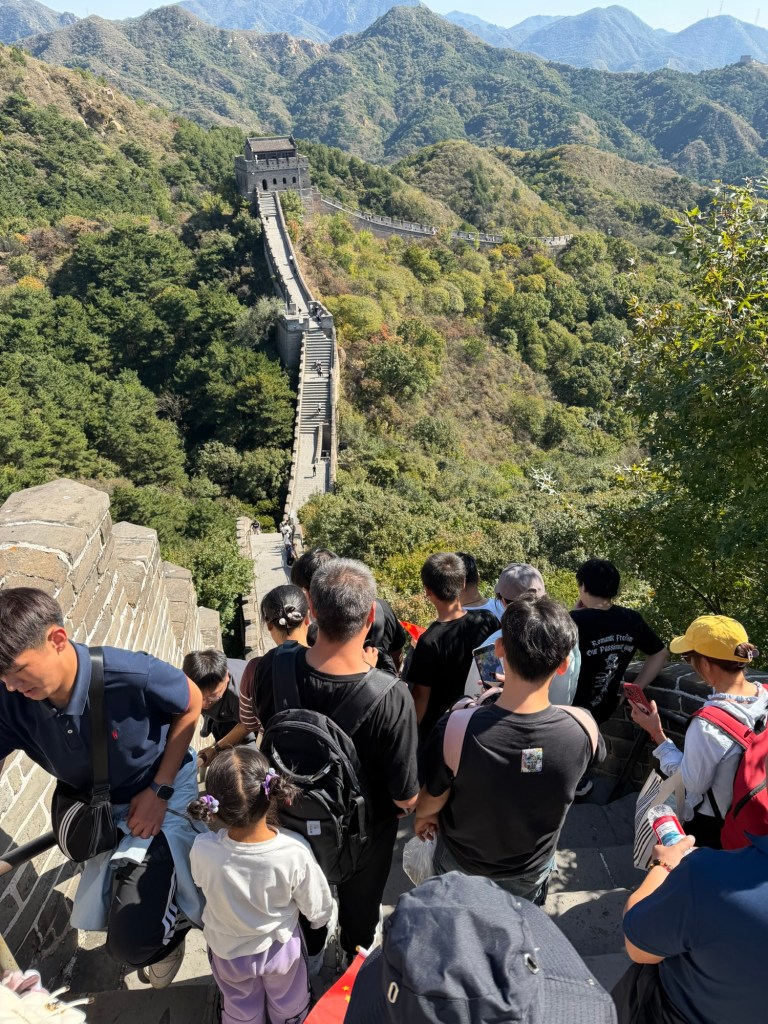
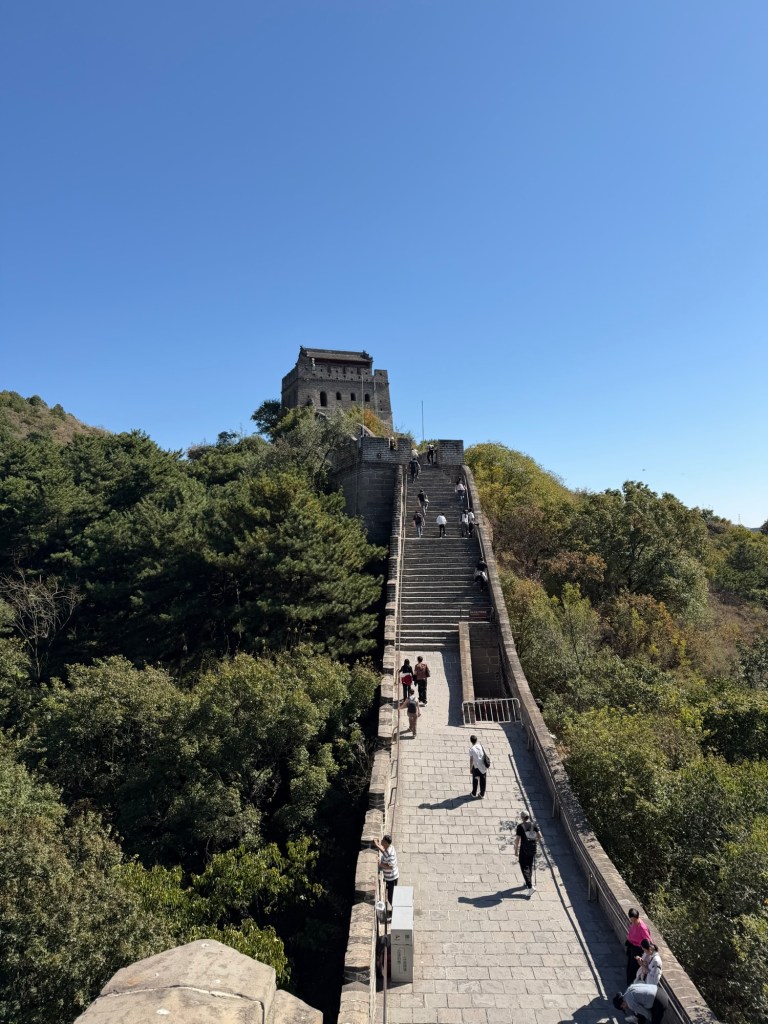
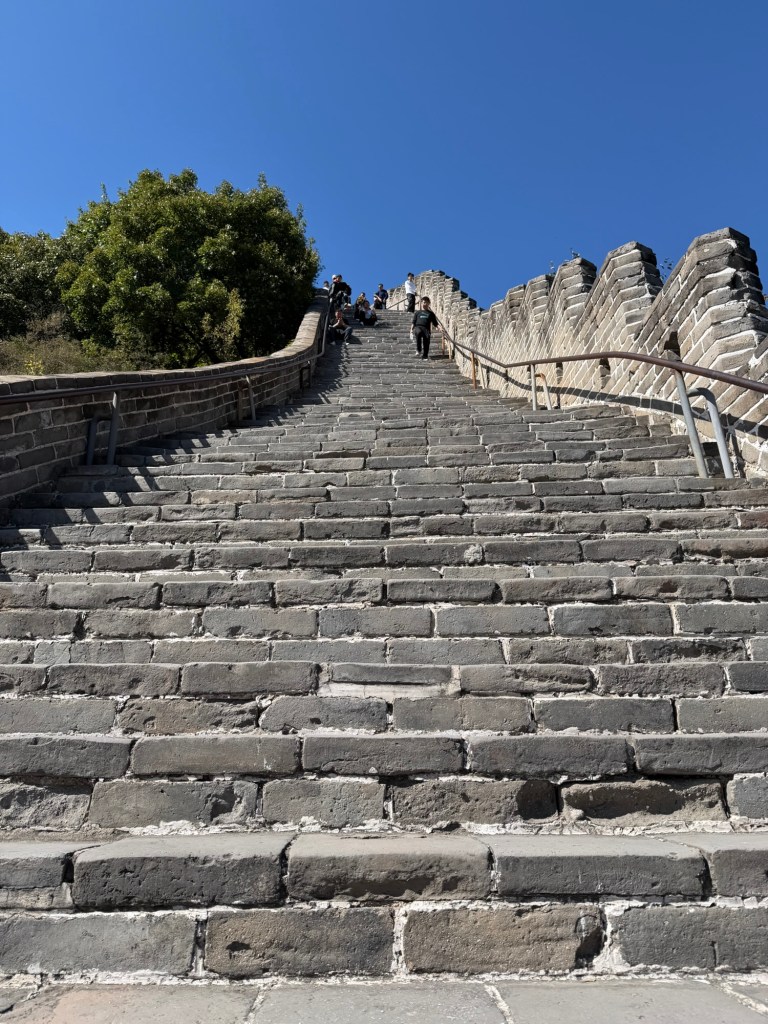
This is the section we walked. You will see that the weather was simply perfect.
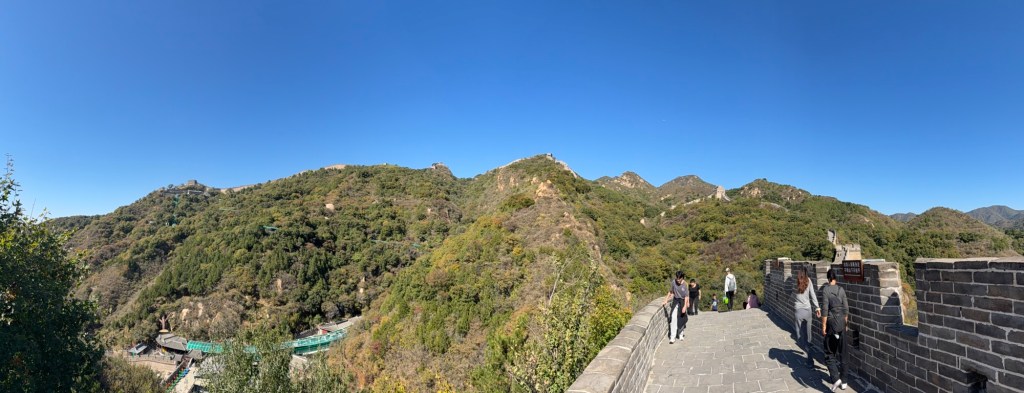
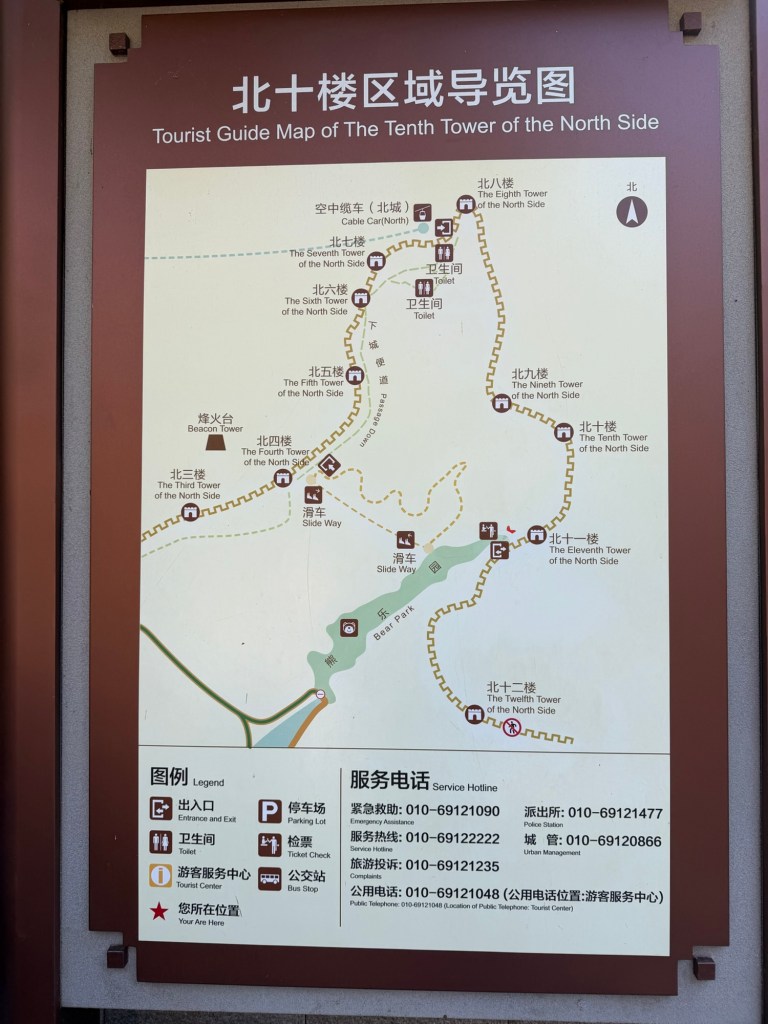
We had opted to go to the Badaling section of the Wall, some 60km north-west of Beijing. Here the wall averages about 7.8 metres (26 feet) tall, and 6 metres (20 feet) wide, designed to allow five horses to gallop or ten soldiers to march abreast.
The Badaling section of the Wall is built of huge bar-stones and bricks. The interior of the wall was stuffed with rammed earth and small stones to make it firm and solid.
Badaling is renowned as a place favoured by the famous. So, one or two people of note have been here before us…
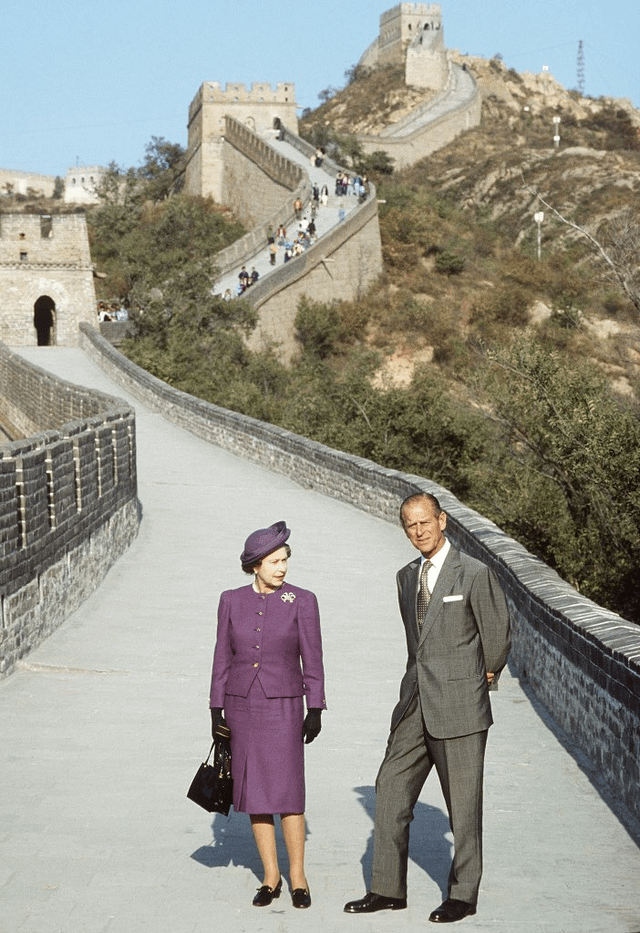

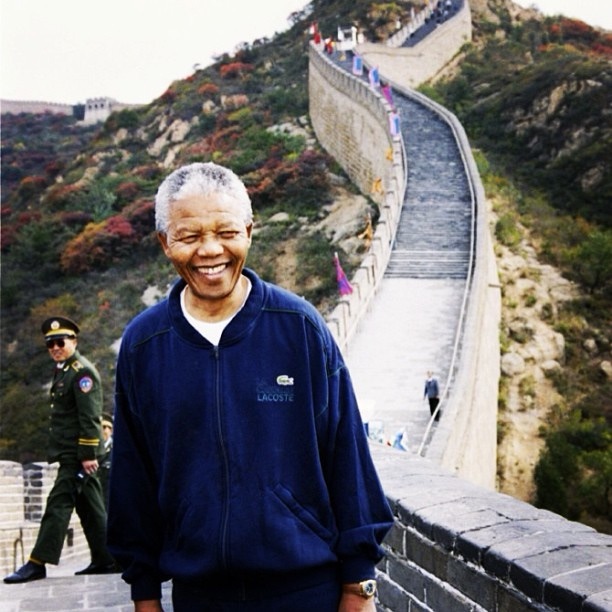
If it’s good enough for Her Majesty, Barack and Nelson, then hey!
What an experience! The pictures say a lot, words may not be needed, but if pushed: extraordinary, exhilarating, epic, exhausting. And truly unforgettable.
End note: As with all our other travel blogs, this one is largely being drafted in real time, including the uploading of photos and videos.
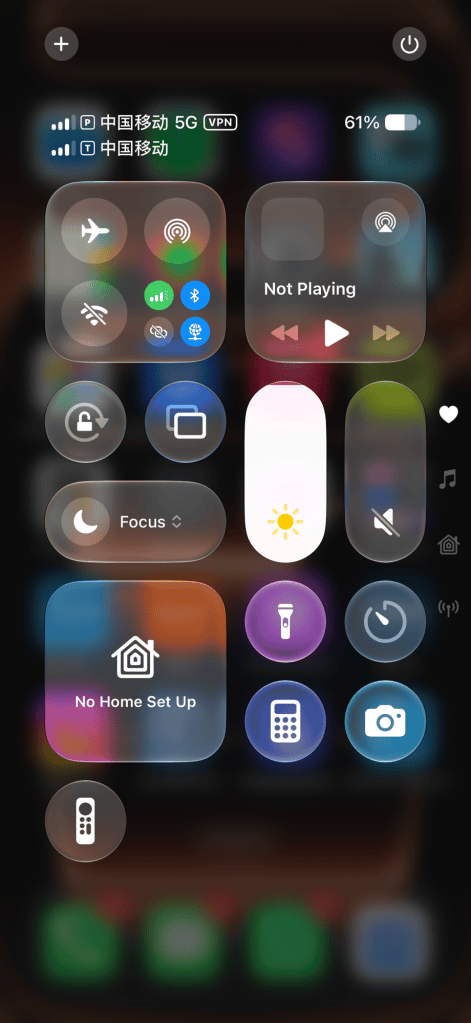
☝🏻5G on the Great Wall of China. Made possible by the use of the WordPress Jetpack app, with a NordVPN and Holafly eSIM installed and active. For those of you, like us, who despair at the variability of internet signal in your local area, just think on that a moment.
Also accessible: Google translate – something we made good use of in Japan but didn’t expect to be able to use in China. Useful for all sorts of reason, not the least of which being when simply curious…
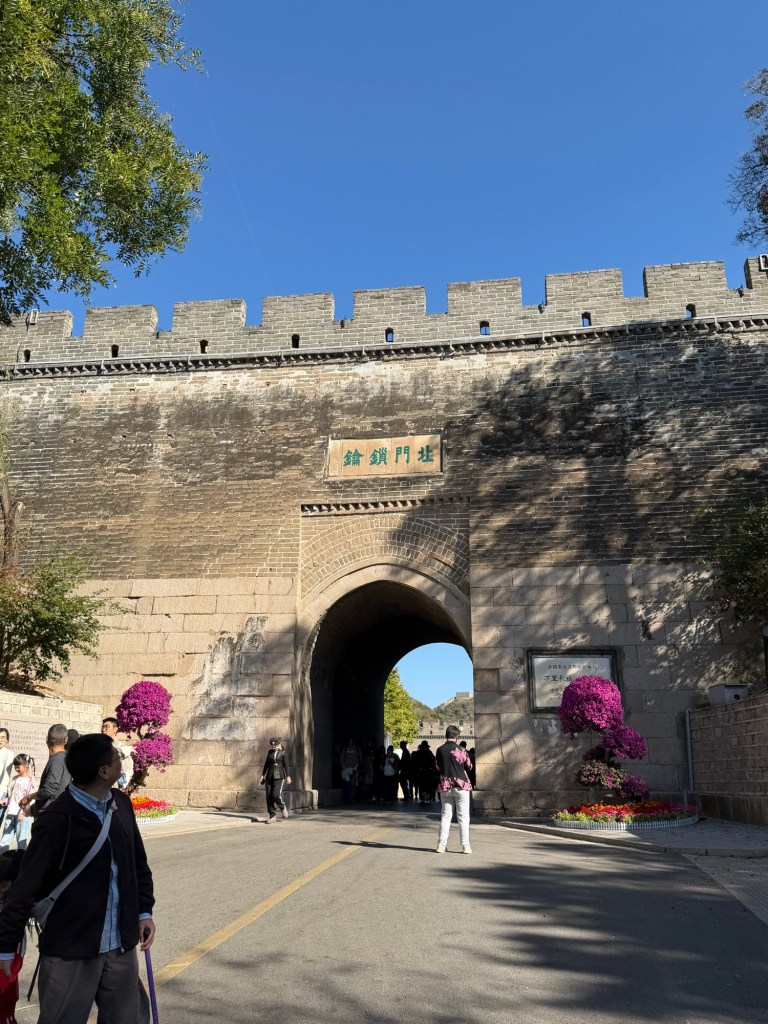
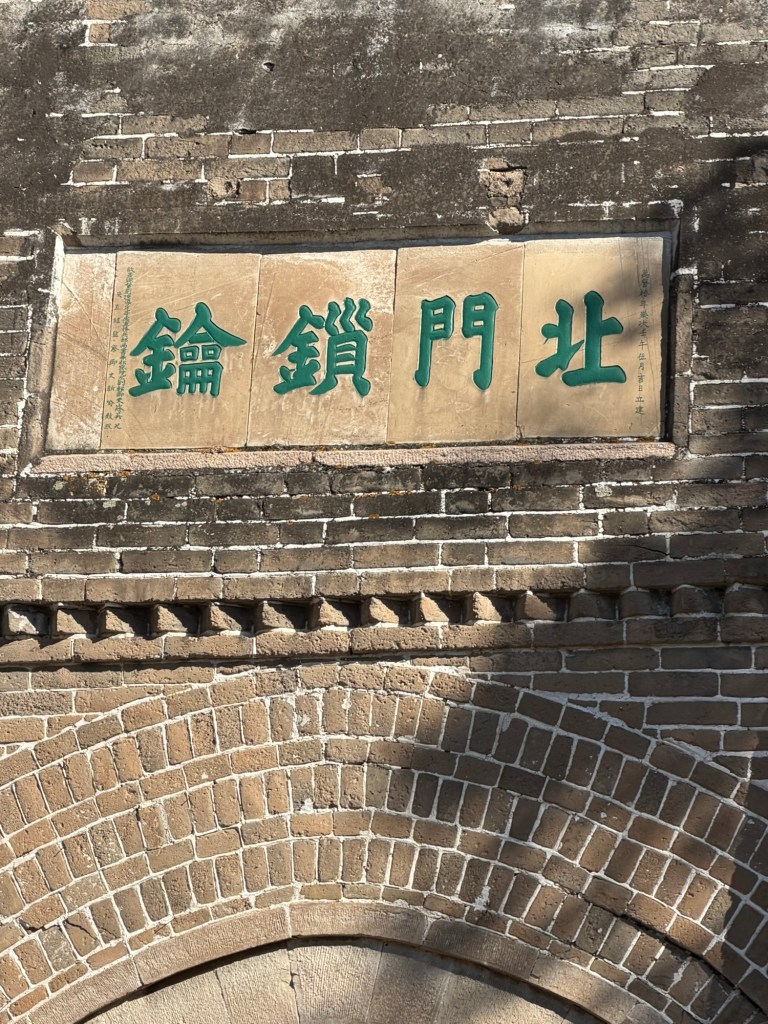
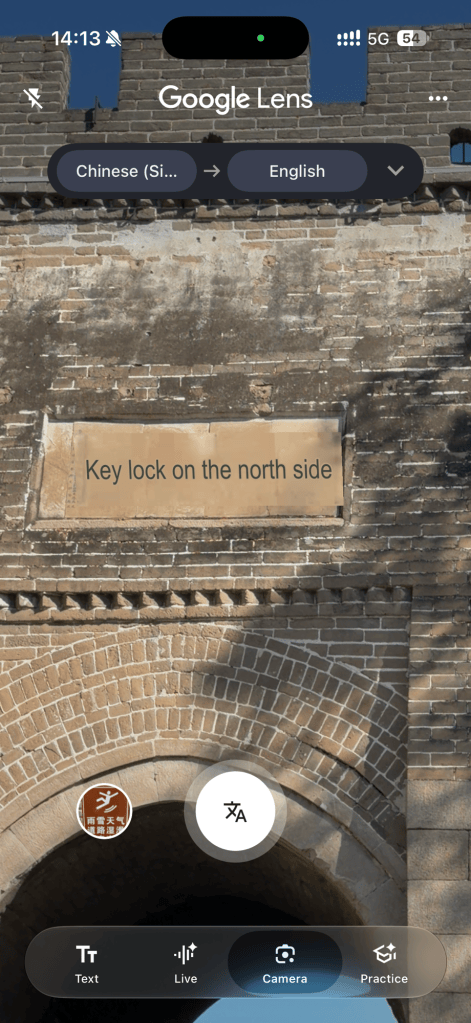
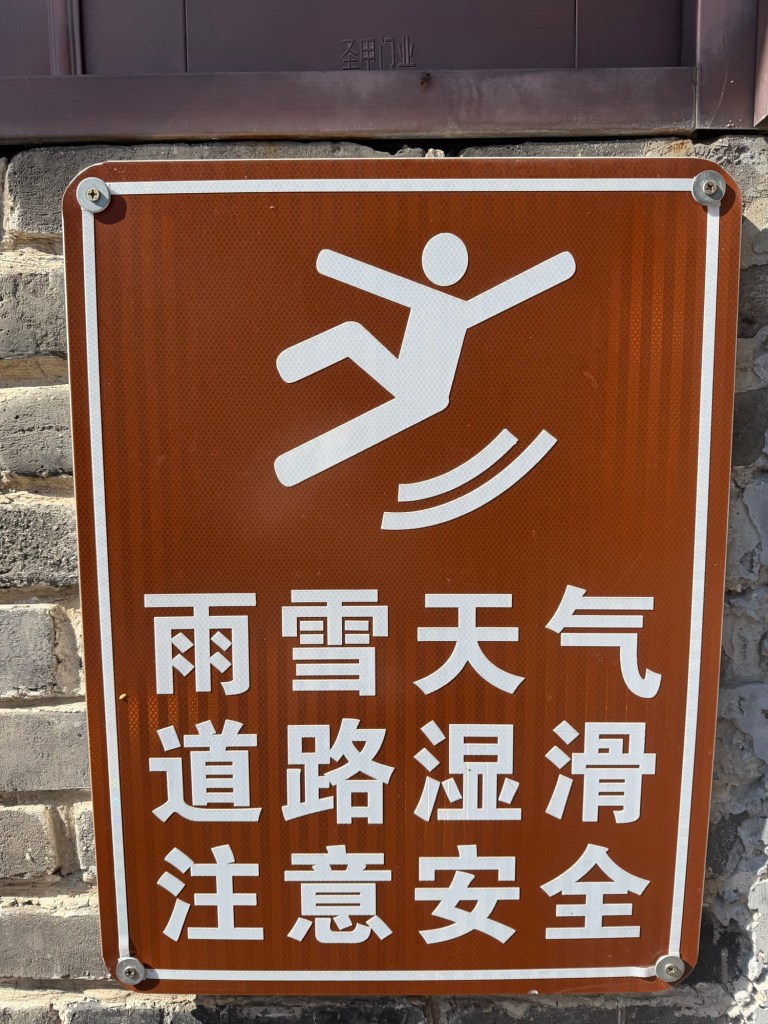
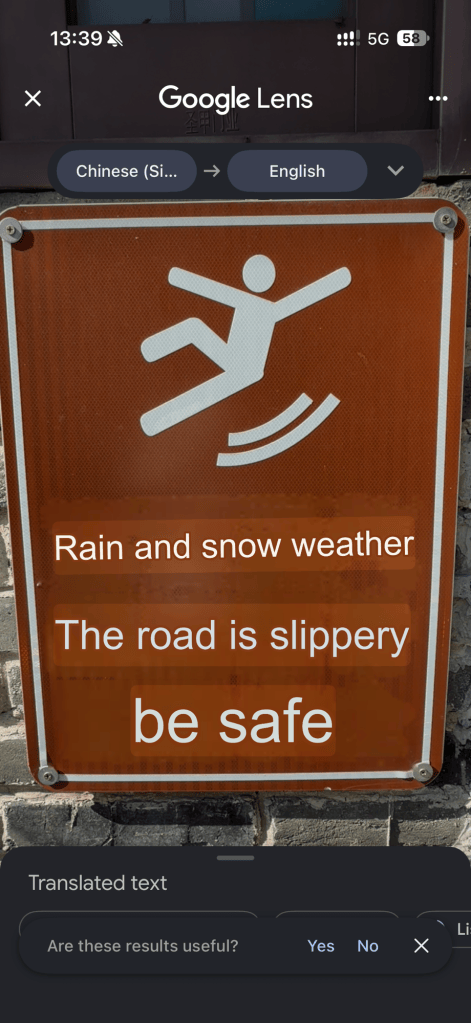
The Google translate app kept us equally informed and amused this time last year in Japan – click on link here
For earlier China blog posts click here


Leave a Reply