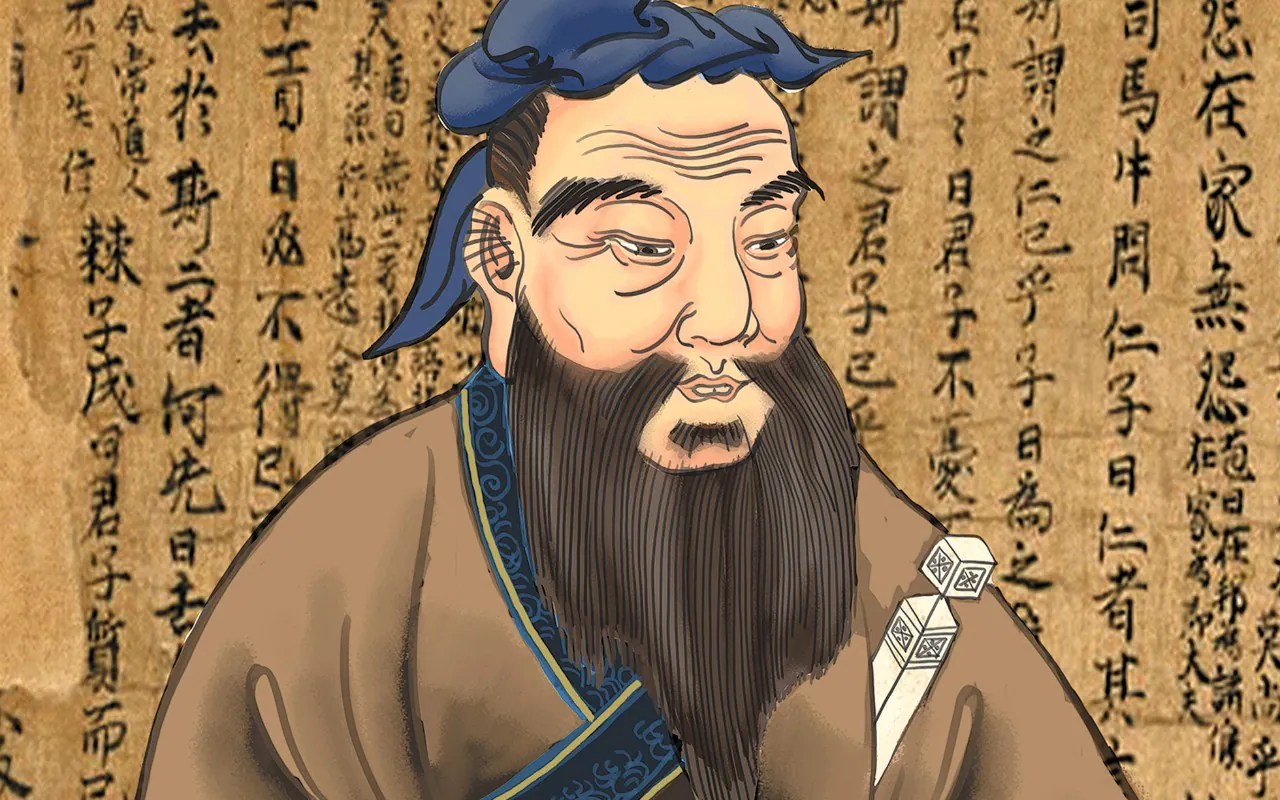
Not so very long ago we started to attend a Tai Chi class in our hometown. Alas, the busyness of working life got in the way and we fell away. It is something we have promised ourselves we will return to. So, being in China, we thought it right that we should attend a class here.
Tai Chi was created in China as a martial art for combat and self-defence. Over time it has transformed into a form of exercise and relaxation; often called ‘meditation in motion’. Practitioners move through a set sequence of postures or ‘forms’ without pausing. It is rooted in balancing Qi (life energy) and harmonising opposing Yin and Yang forces.
The Chinese characters for Tai Chi 太极拳 may be broken down thus:
太 (tài): great, supreme, or very big.
极 (jí): extreme, ultimate.
拳 (quán): fist or boxing
If you’re up early enough in China, seeing people practising Tai Chi in local parks and public places is a common sight. It seemed fitting, therefore, that we had our Tai Chi class in the park surrounding the Temple of Heaven – quite a setting…
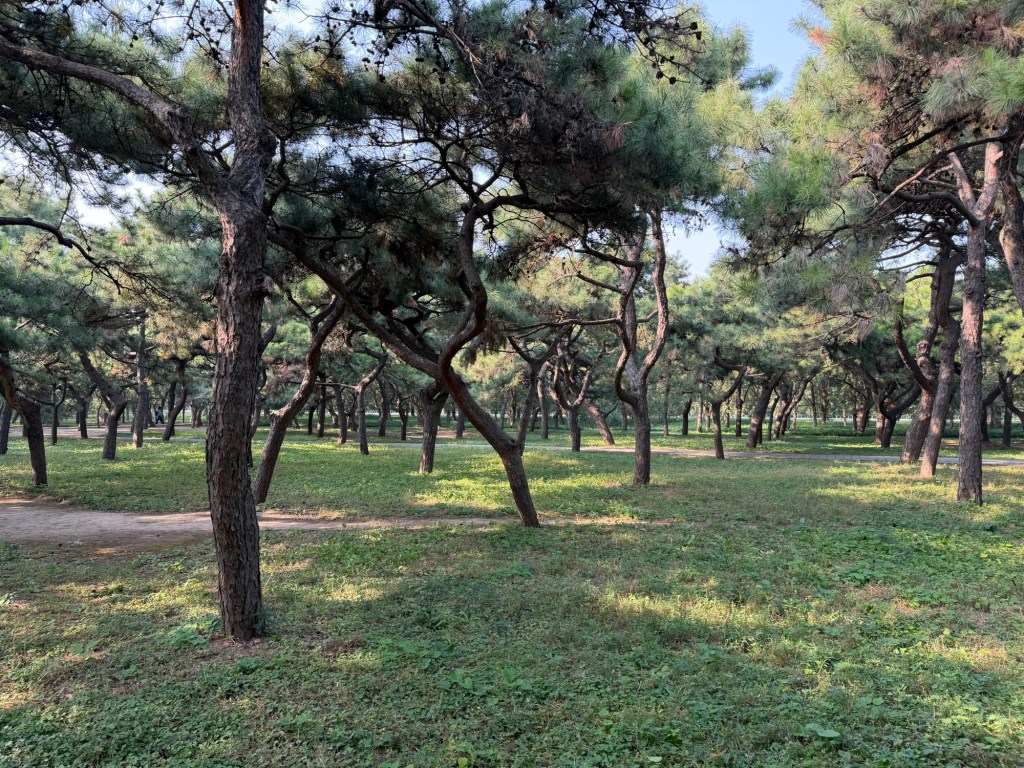
The massed ranks of trees are Chinese juniper, 杜松 (dù sōng).
Our Tai Chi Master was great. We learned a number of forms and, more, a little about his belief in Taoism and how one should conduct oneself through life. In short, resisting the temptation to counter force with force, rather, relax and temper one’s approach which leads to strength and a self-assuredness that is recognised by others, leading to better and more peaceable outcomes. We will definitely return home determined to learn and practise this concept more; as well as Tai Chi itself.
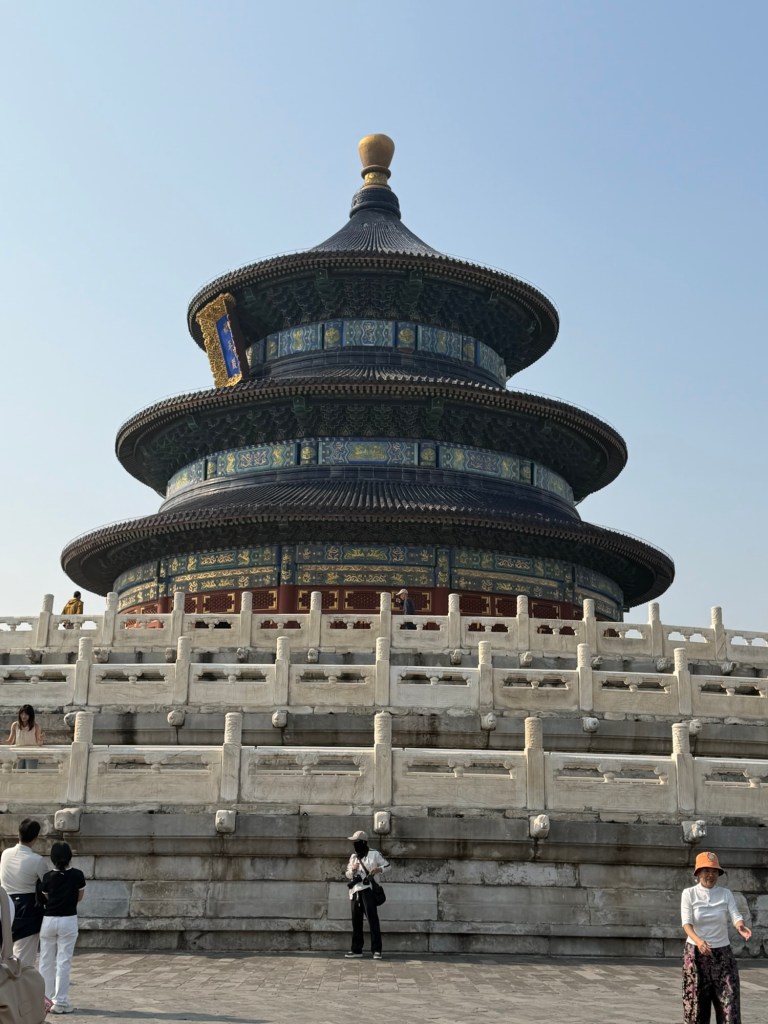
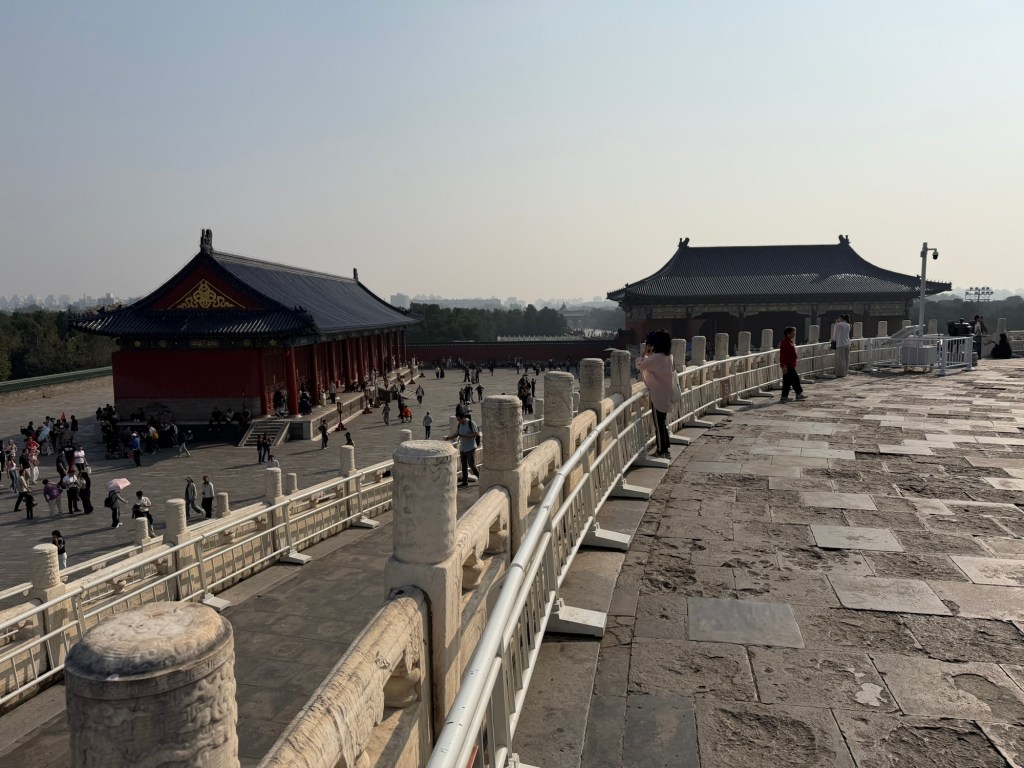
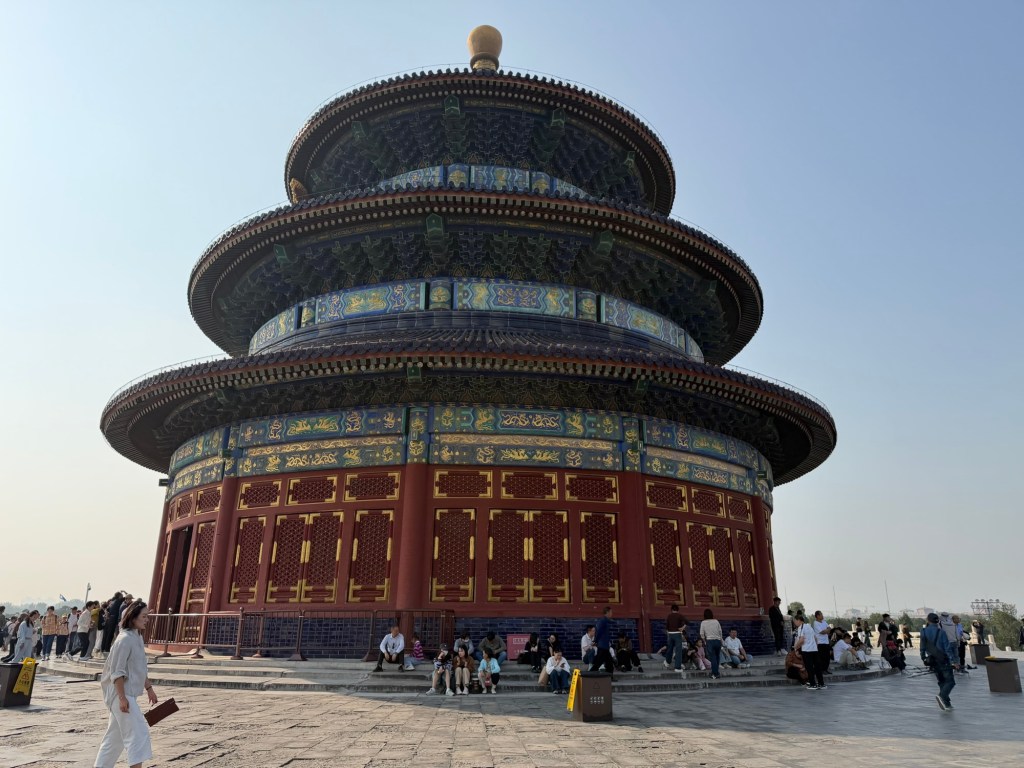
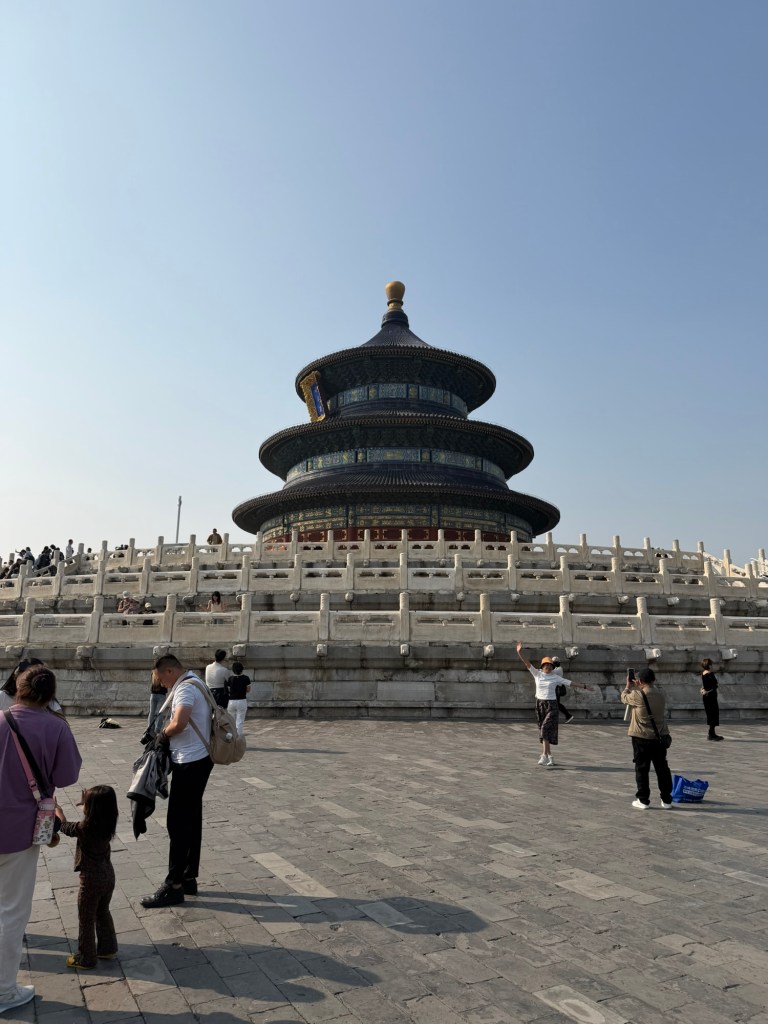
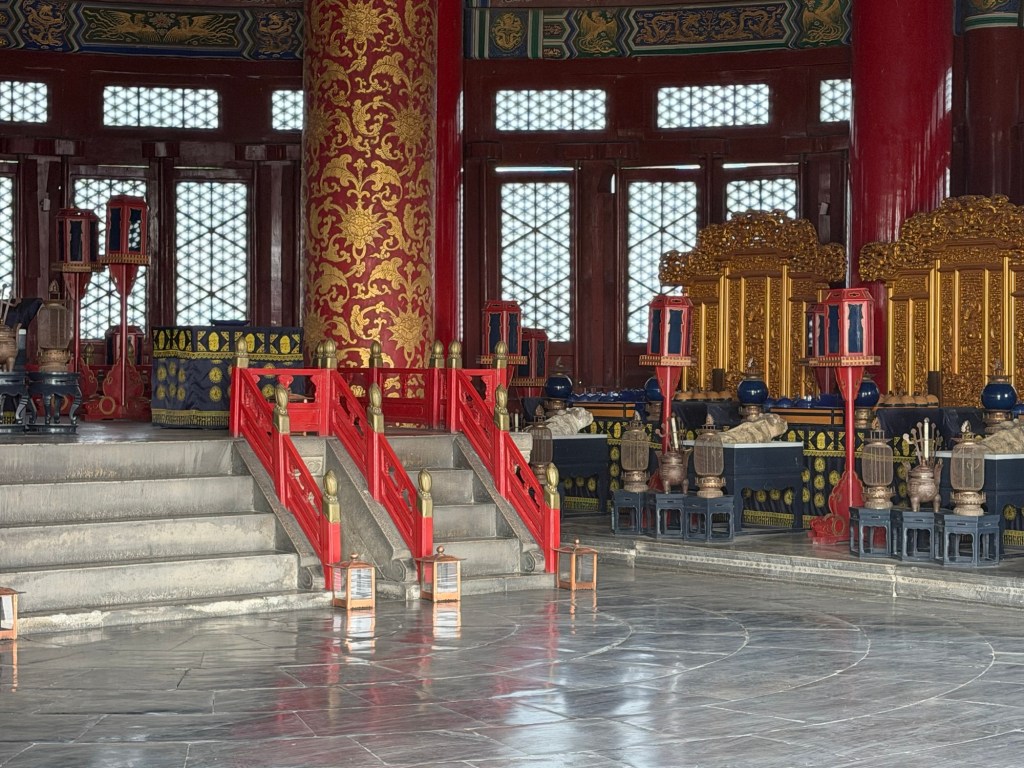
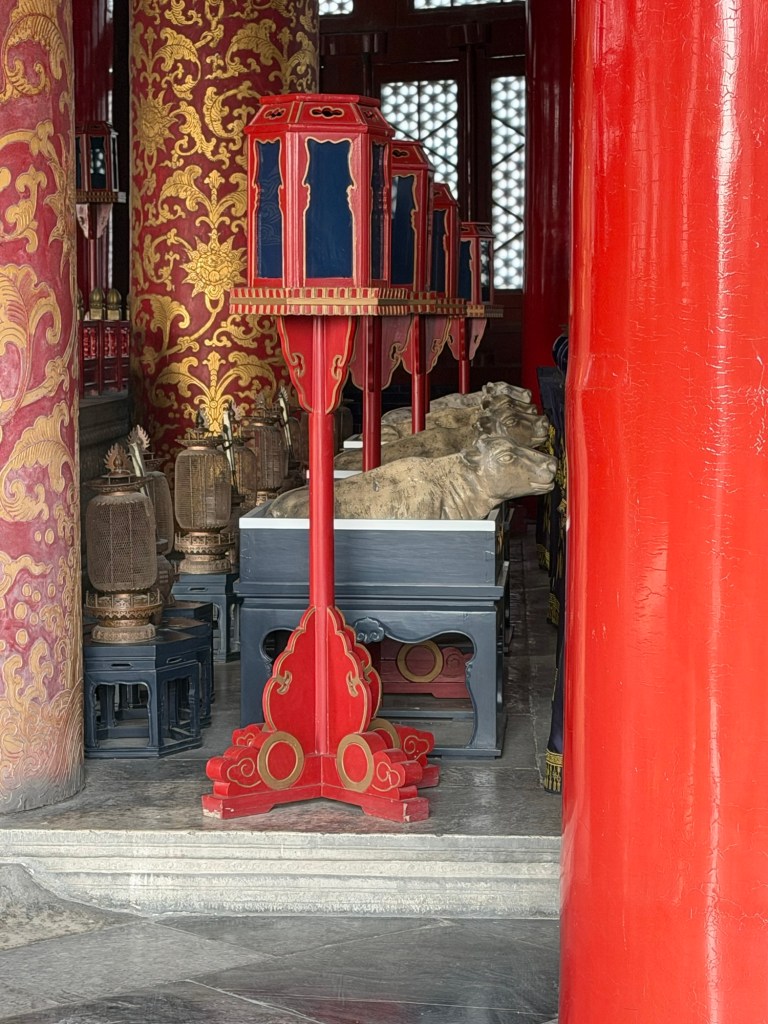
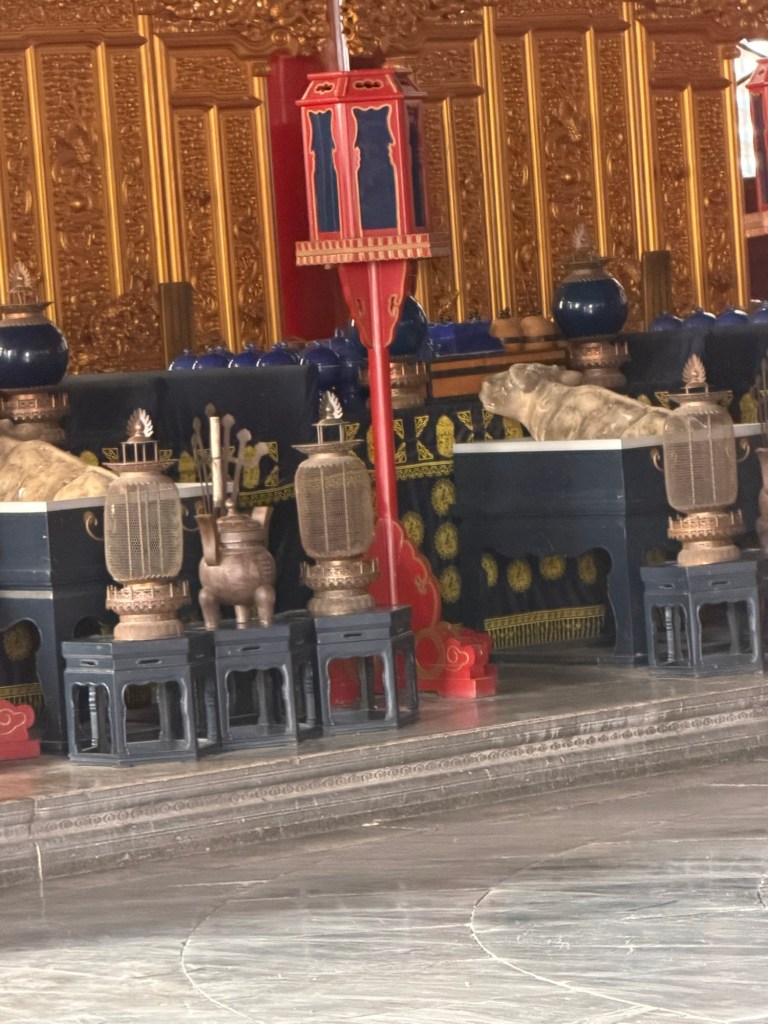
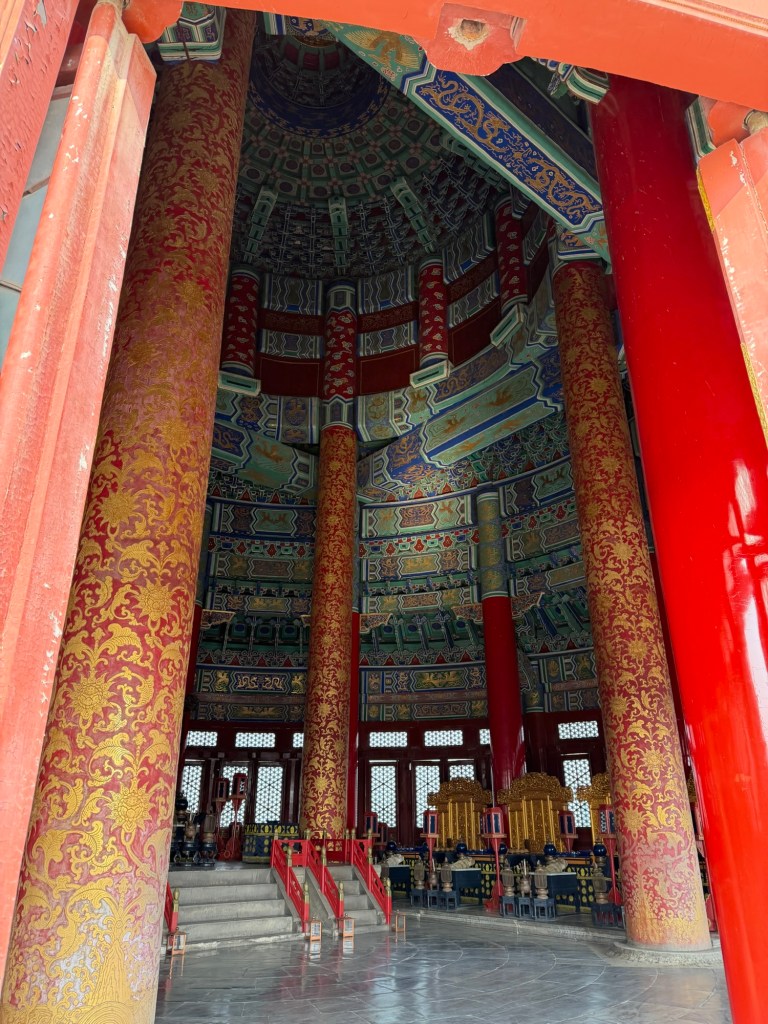
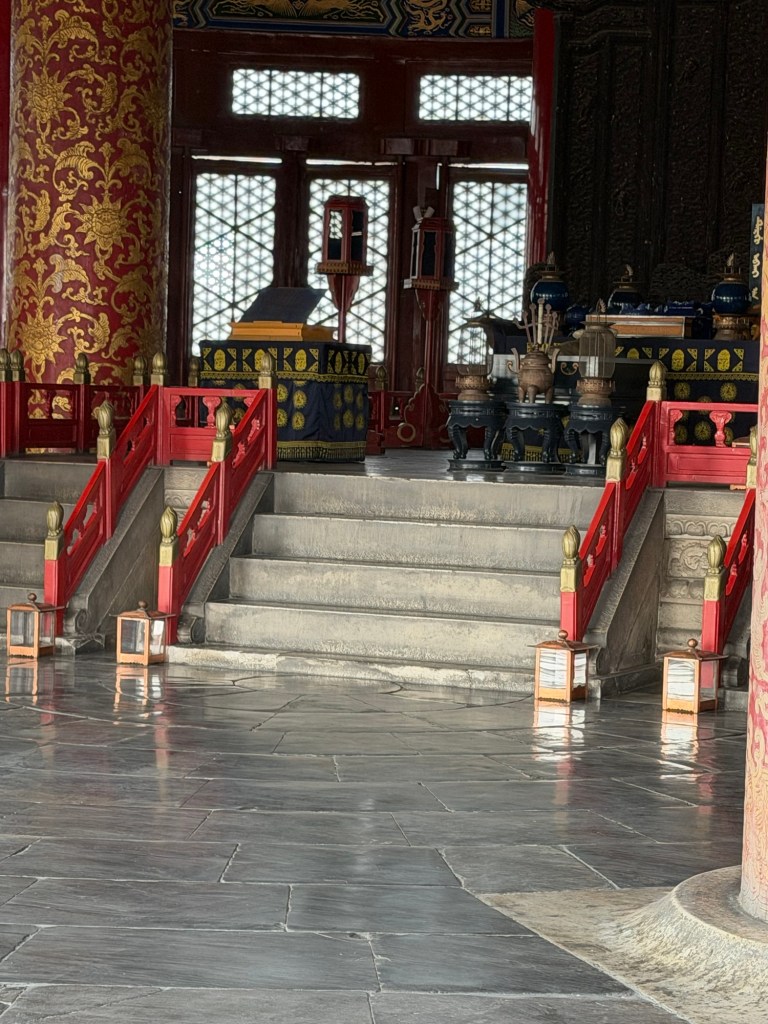
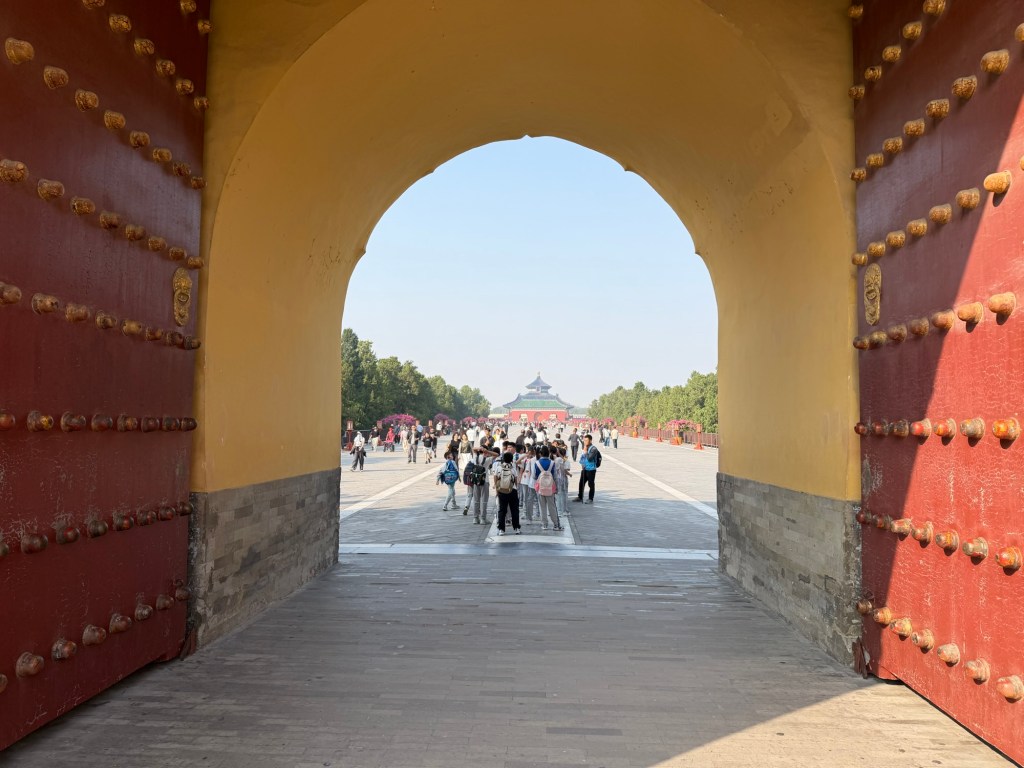
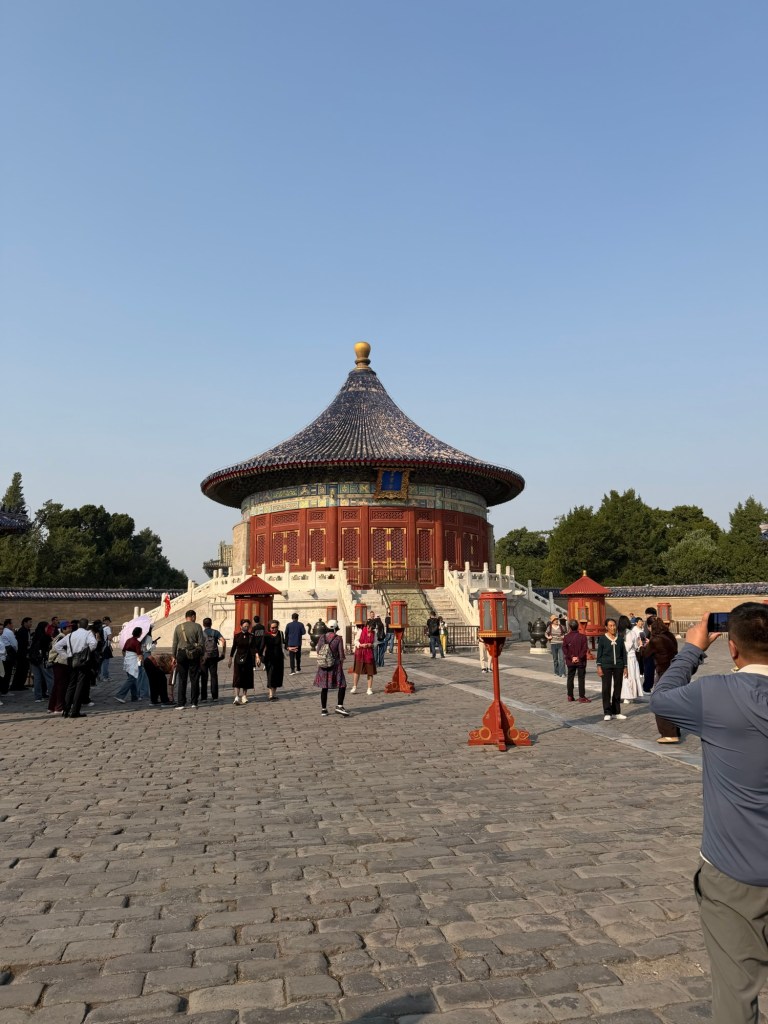
Next, to visit what was located in the heart of the park we were in… The Temple of Heaven (天坛) is a complex of imperial religious Confucian buildings. It was used as a site by emperors of the Ming and Qing dynasties to offer sacrifice to heaven and pray for good harvests. The northern part of the Temple of Heaven is semi-circular while the southern part is square, a pattern representing the ancient belief that ‘Heaven is round and Earth square’.
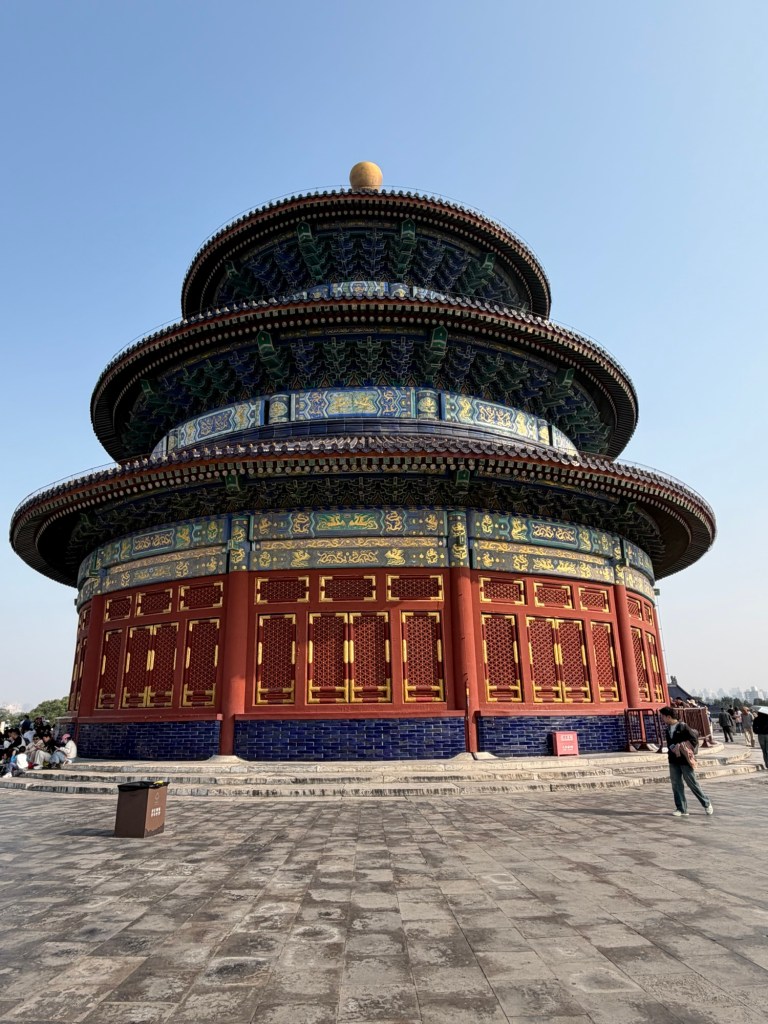
In ancient China, the Emperor was regarded as the Son of Heaven, who administered earthly matters on behalf of, and representing, heavenly authority. Sacrifice to heaven was seen as critical, with the temple built expressly for this purpose; mostly comprising prayers for good harvests.
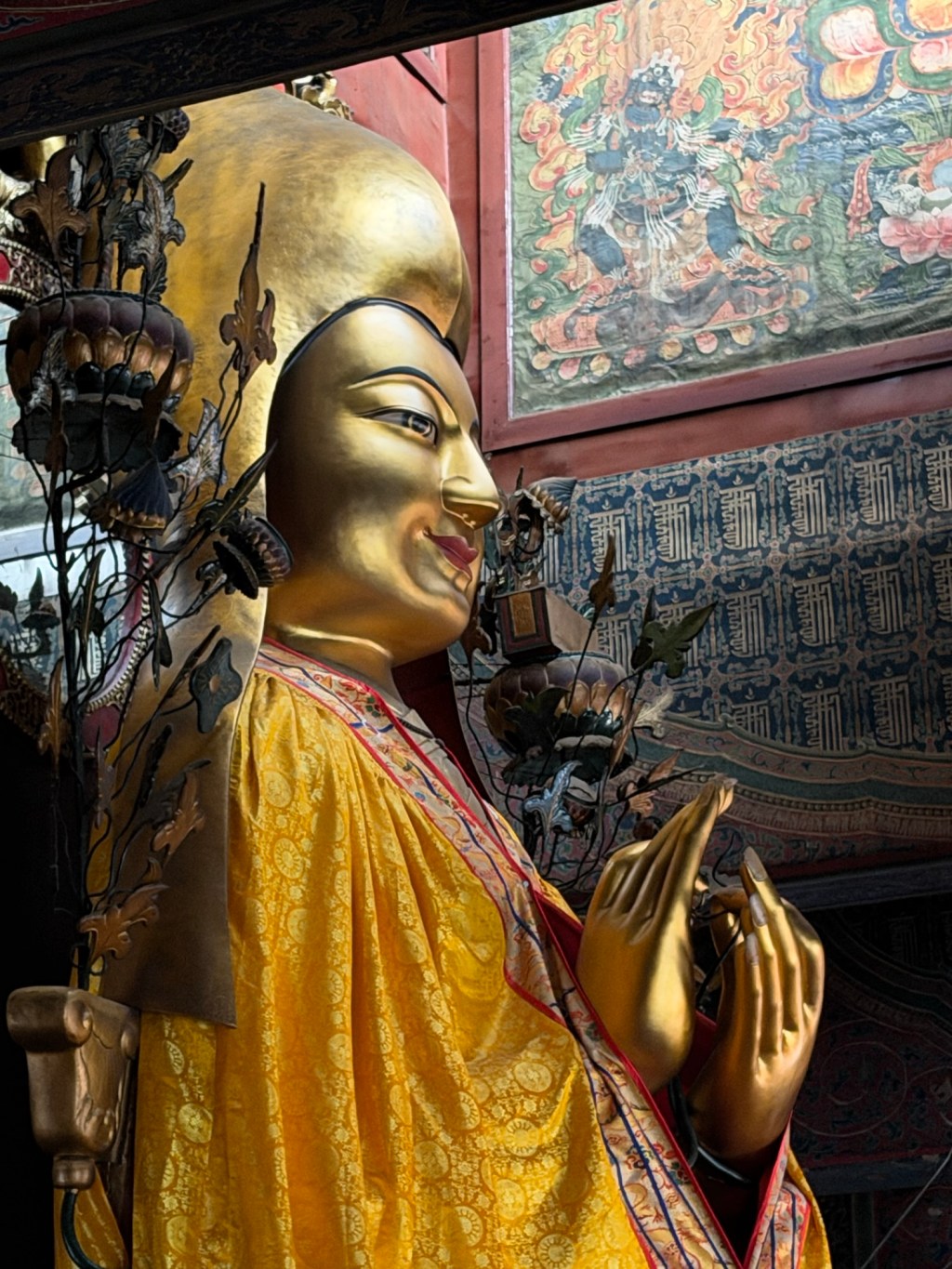
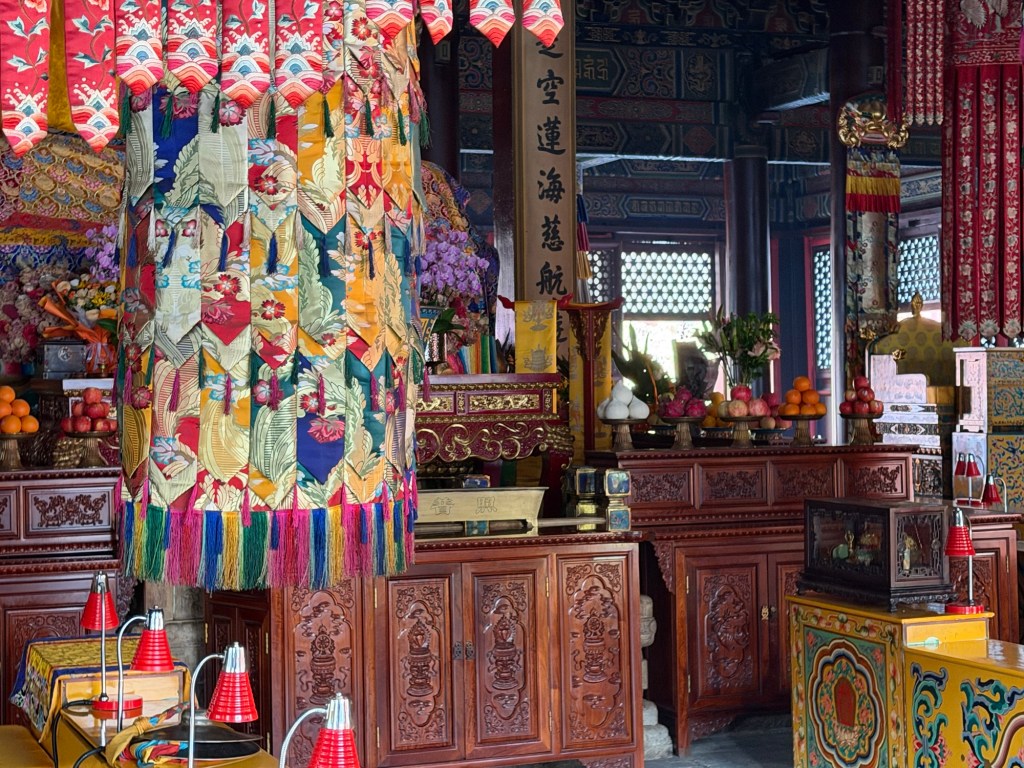
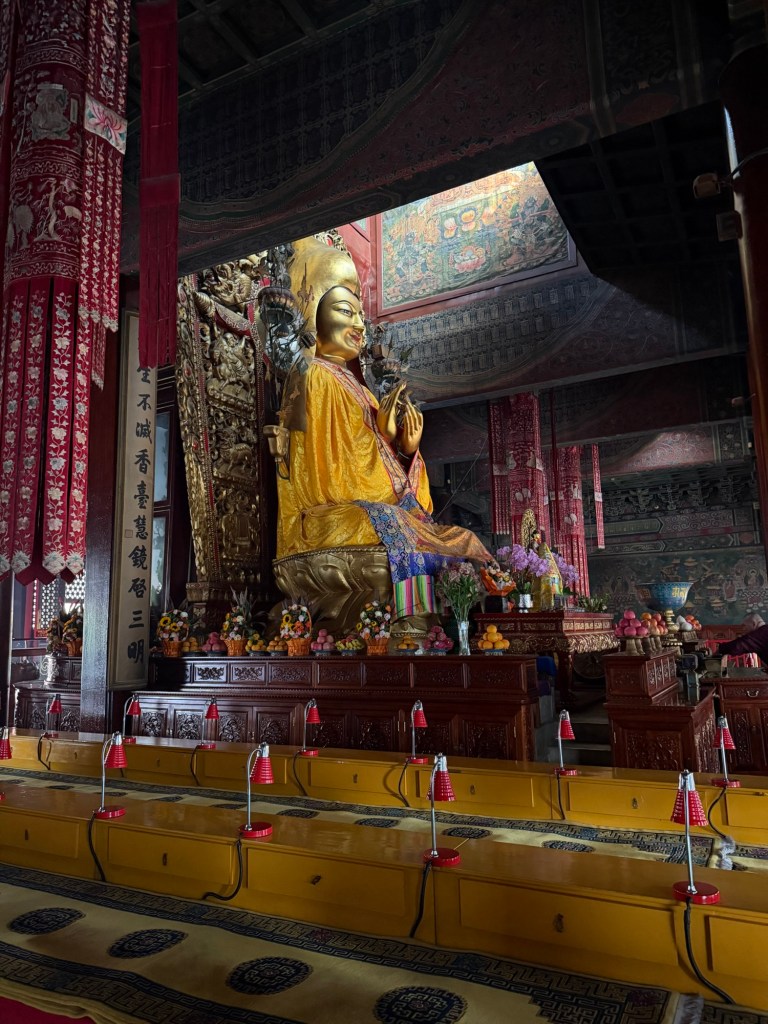
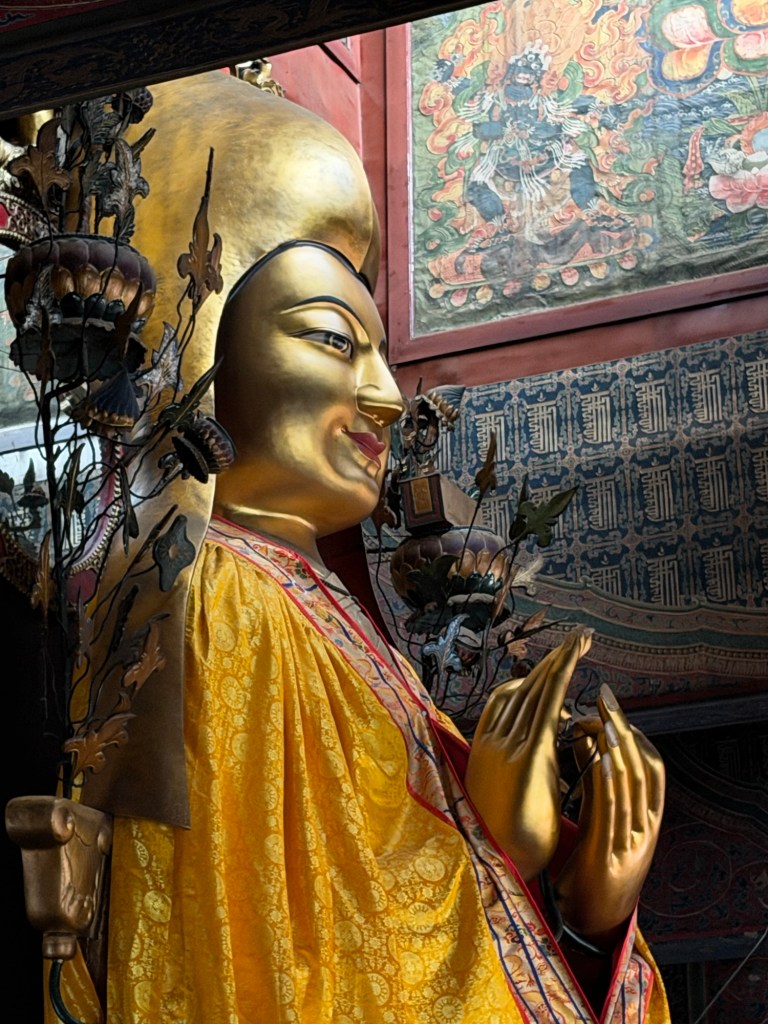
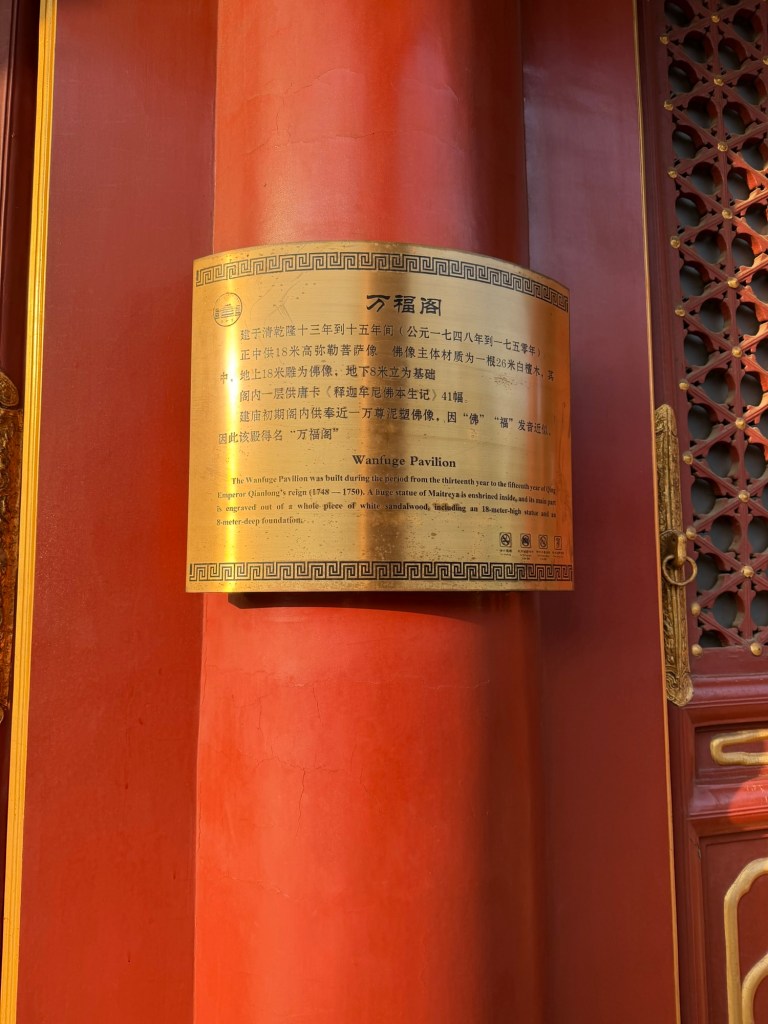
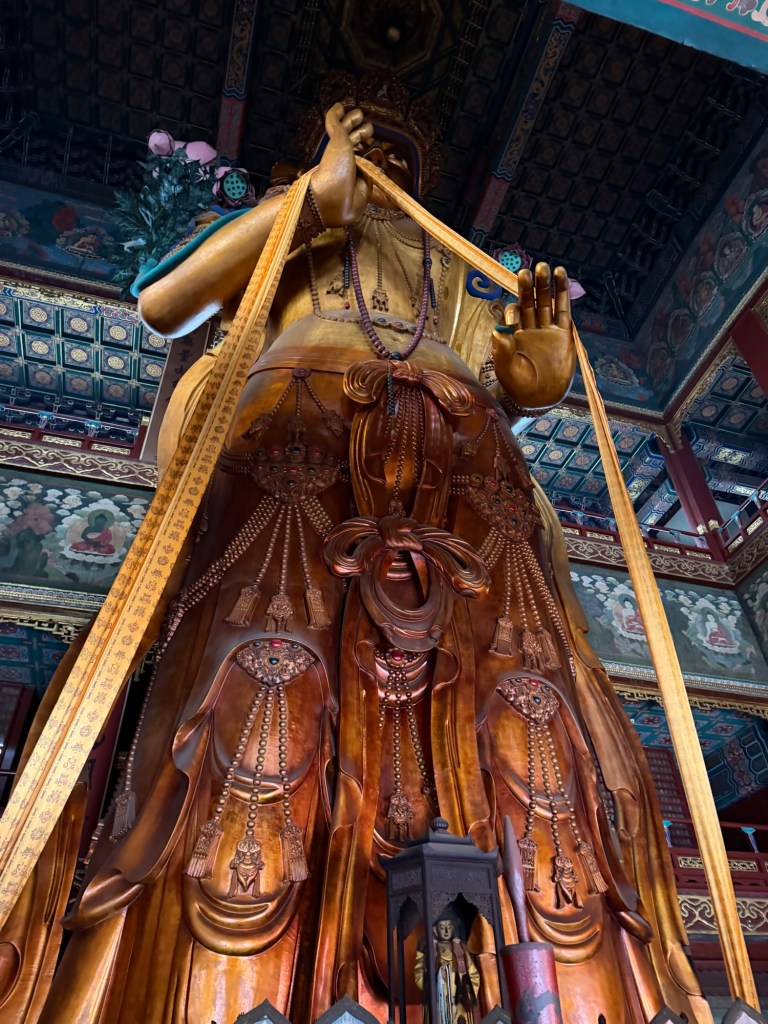
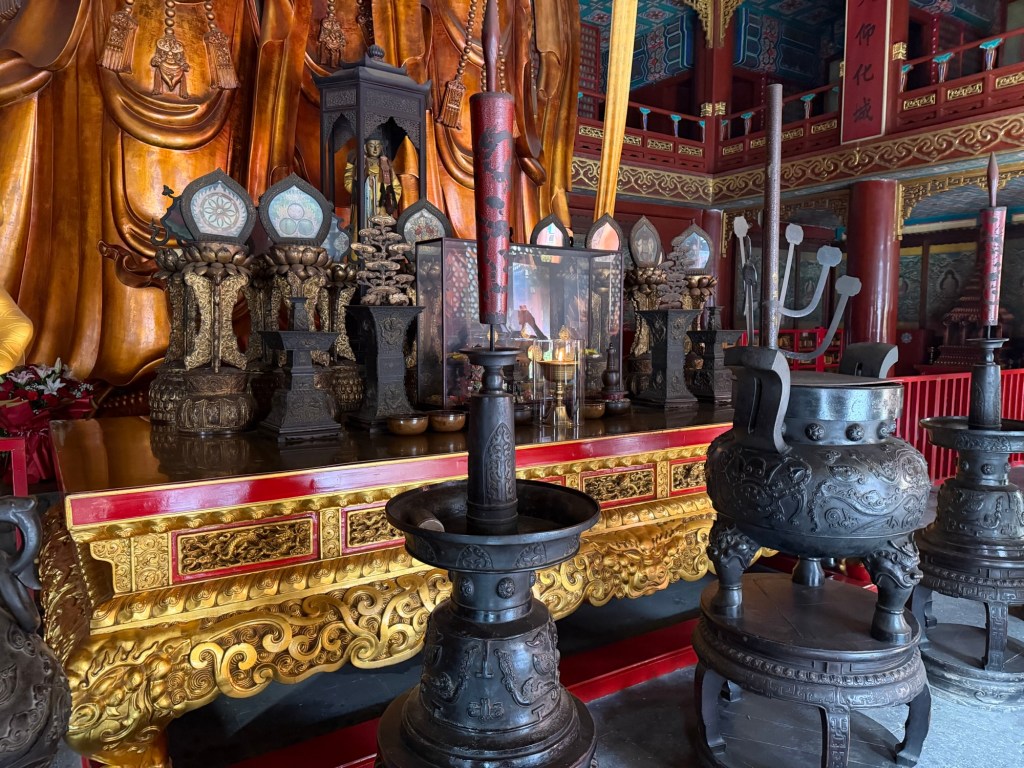
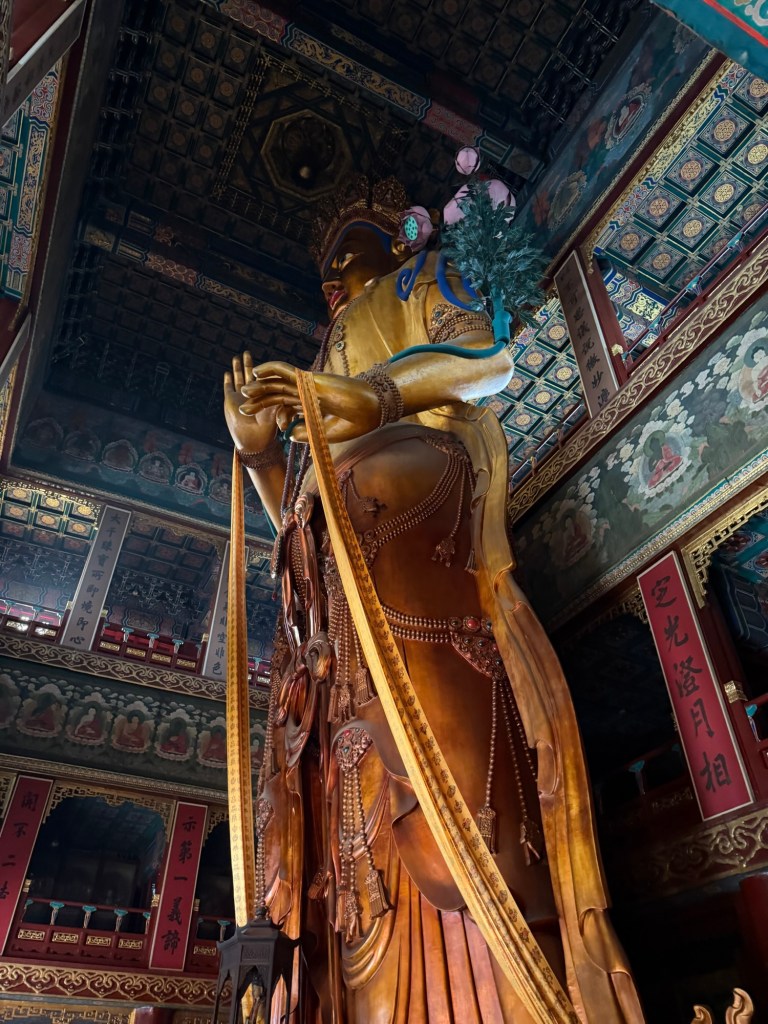
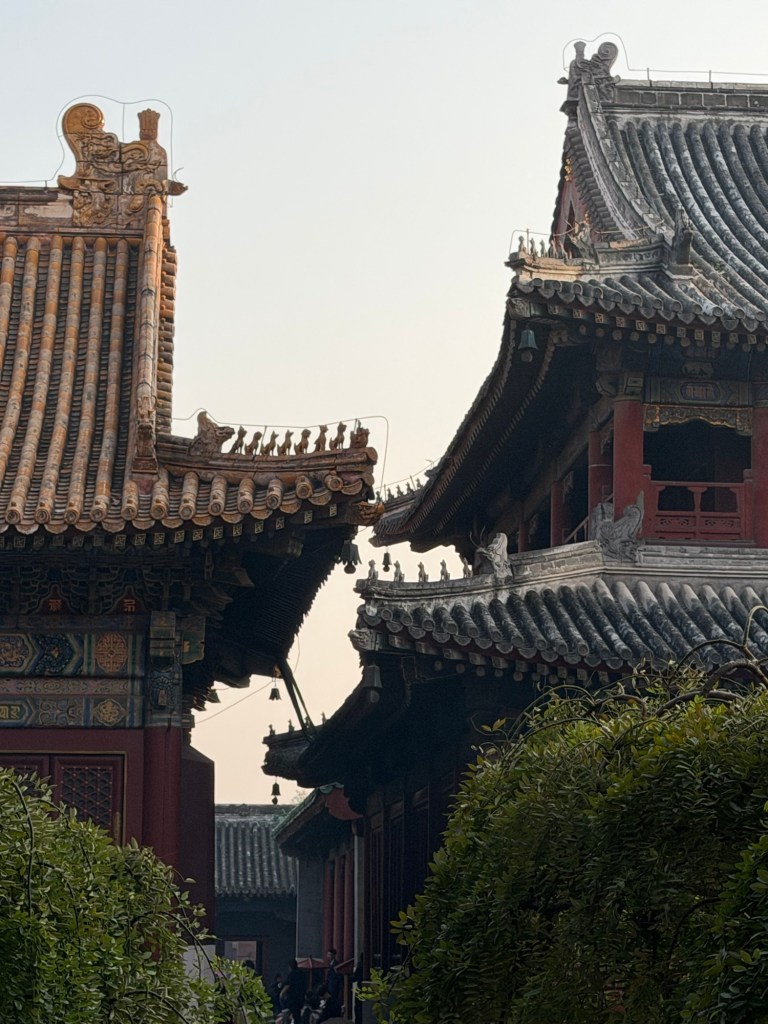
On a bit of a spiritual/cultural roll now, we headed next to the north of Beijing, to the most revered Tibetan Buddhist temple outside Tibet, the Lama Temple (雍和宫, Yōnghé); Tibetan name དགའ་ལྡན་བྱིན་ཆགས་གླིང་
It was originally the royal residence of the prince who would become the Yongzheng emperor. The Qianlong Emperor, who succeeded the Yongzheng Emperor, gave the temple imperial status, signified by having its turquoise tiles replaced with yellow tiles which were reserved for the emperor.
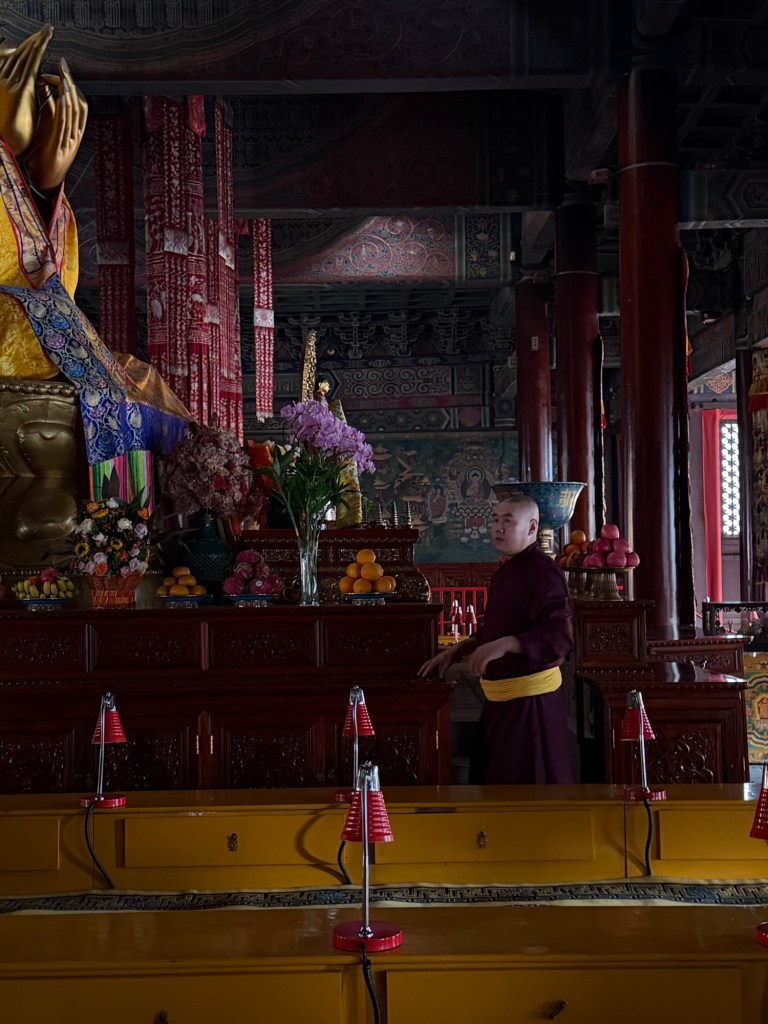
In 1744, the Qianlong Emperor issued an edict converting the Palace of Peace and Harmony into a lamasery. Subsequently, the monastery became a residence for large numbers of Tibetan Buddhist monks from Mongolia and Tibet. Today, it remains an active place of worship, with monks in residence. The current abbot is Lama Hu Xuefeng.
The fact that we visited the Temple late afternoon meant the light added an extra glow and warmth to the place, which felt calm and peaceful despite its location in a bustling part of the city.
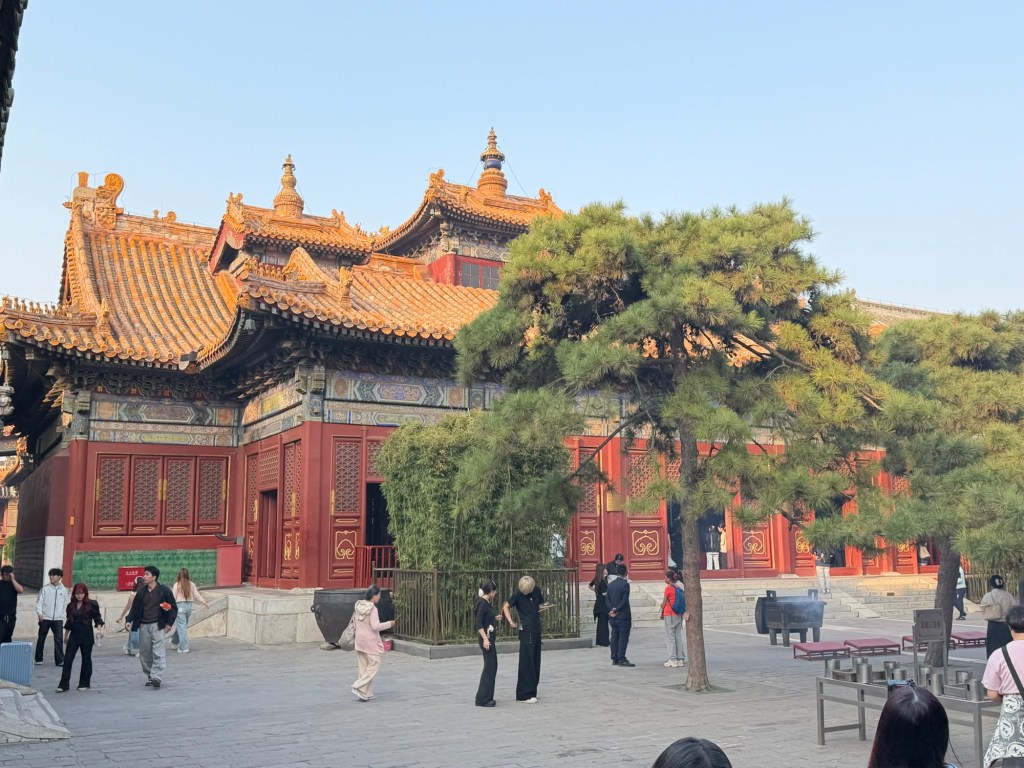
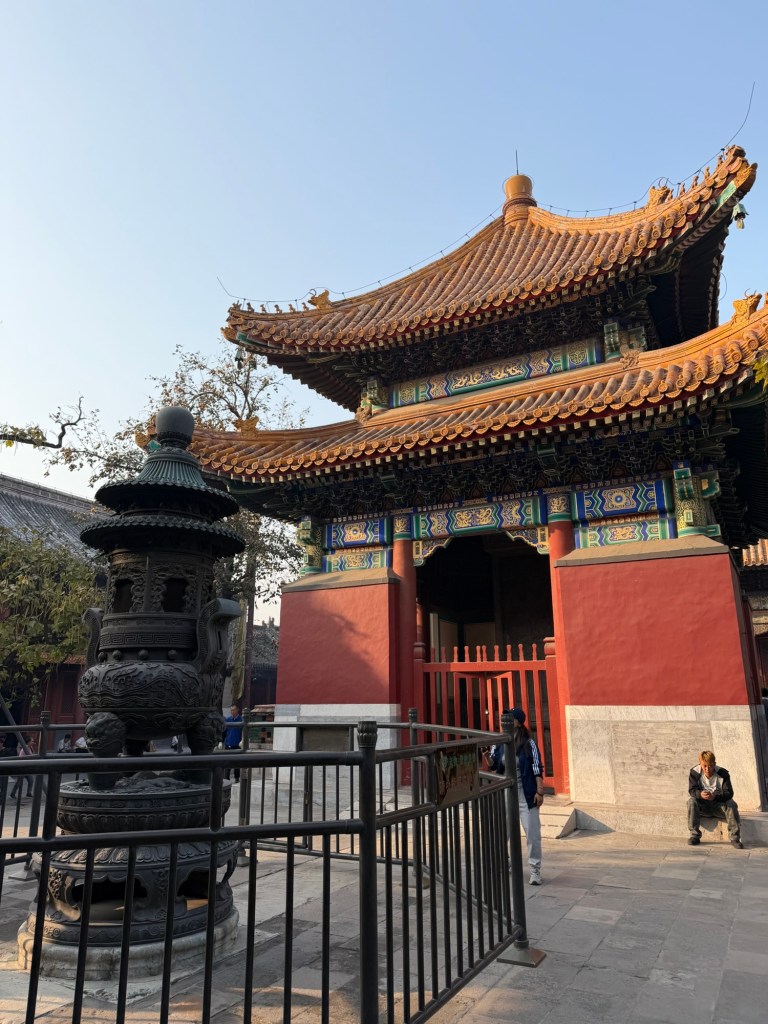
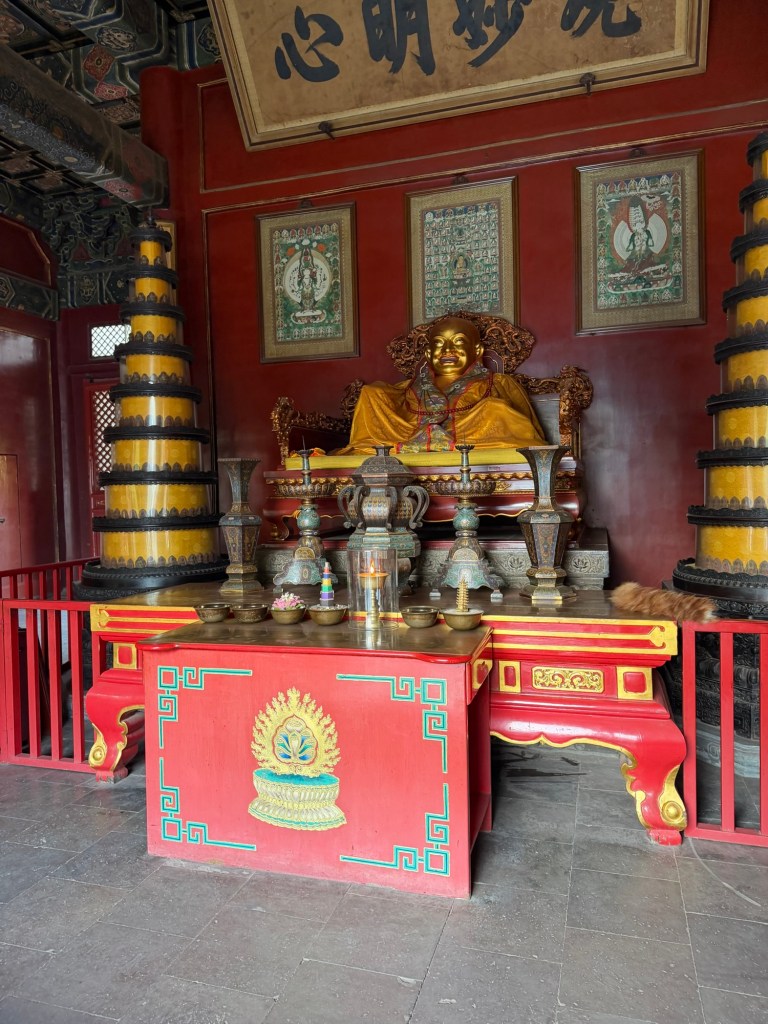
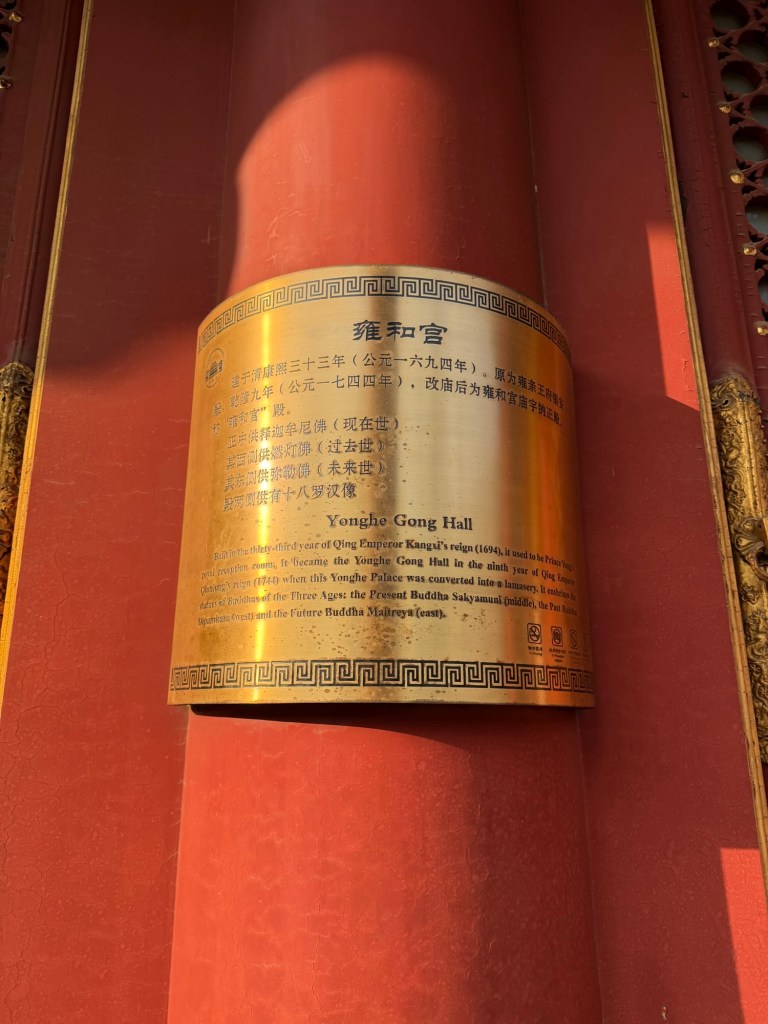
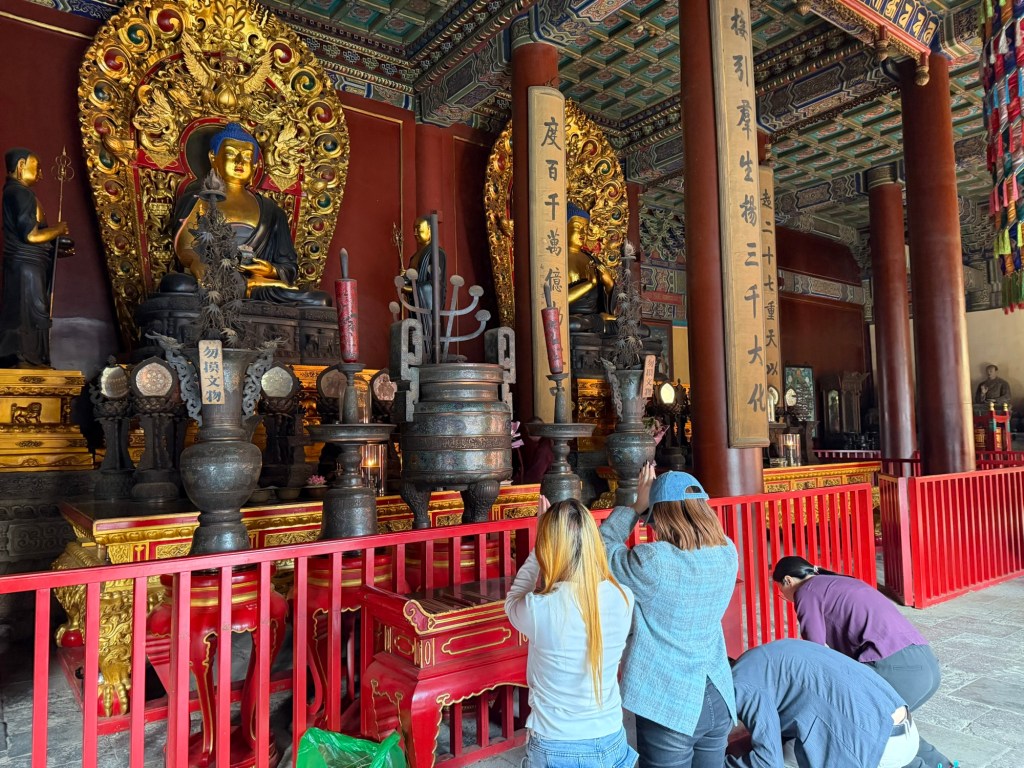
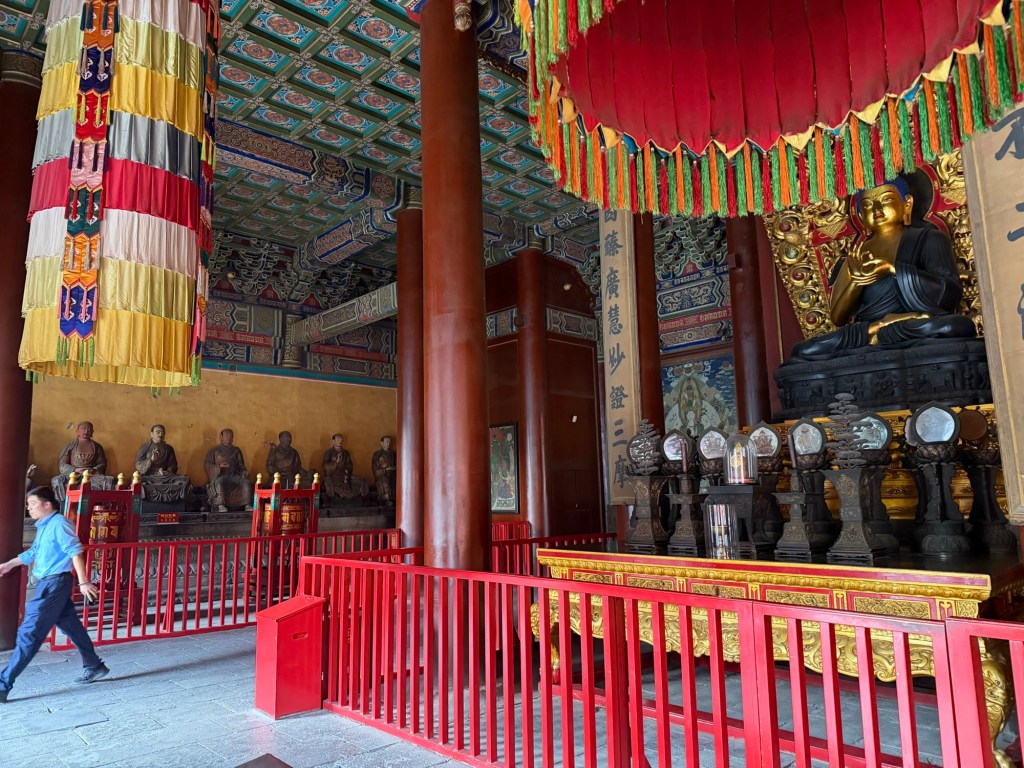
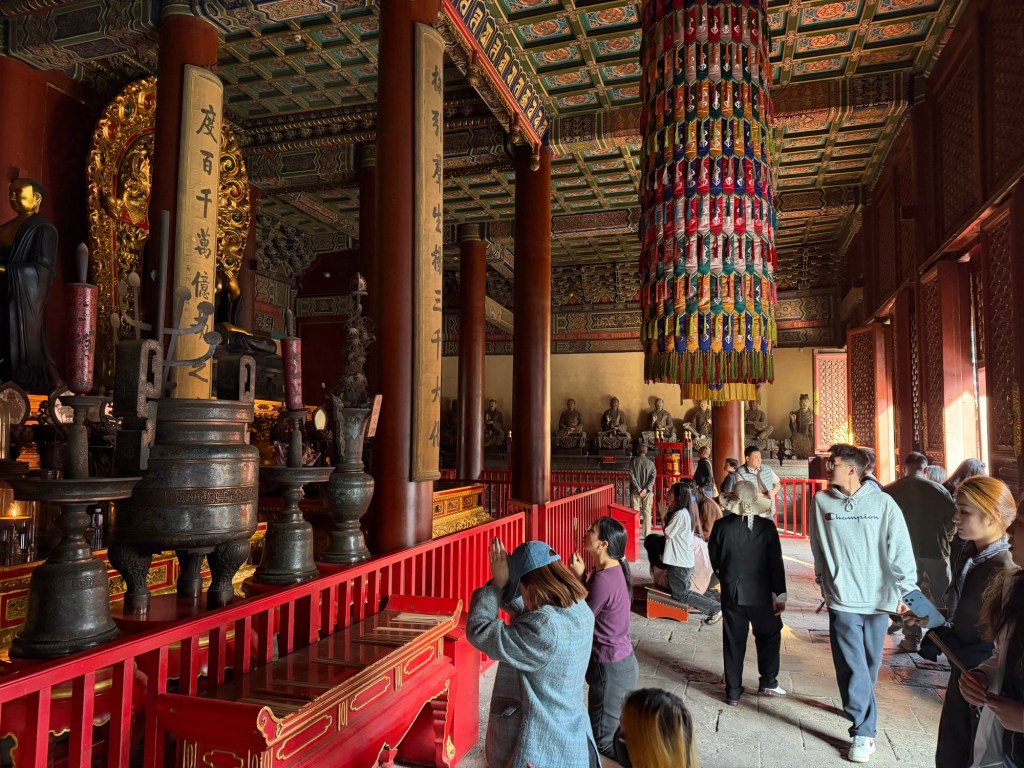
We passed through an ever increasing level of impressiveness so far as size and scale is concerned…
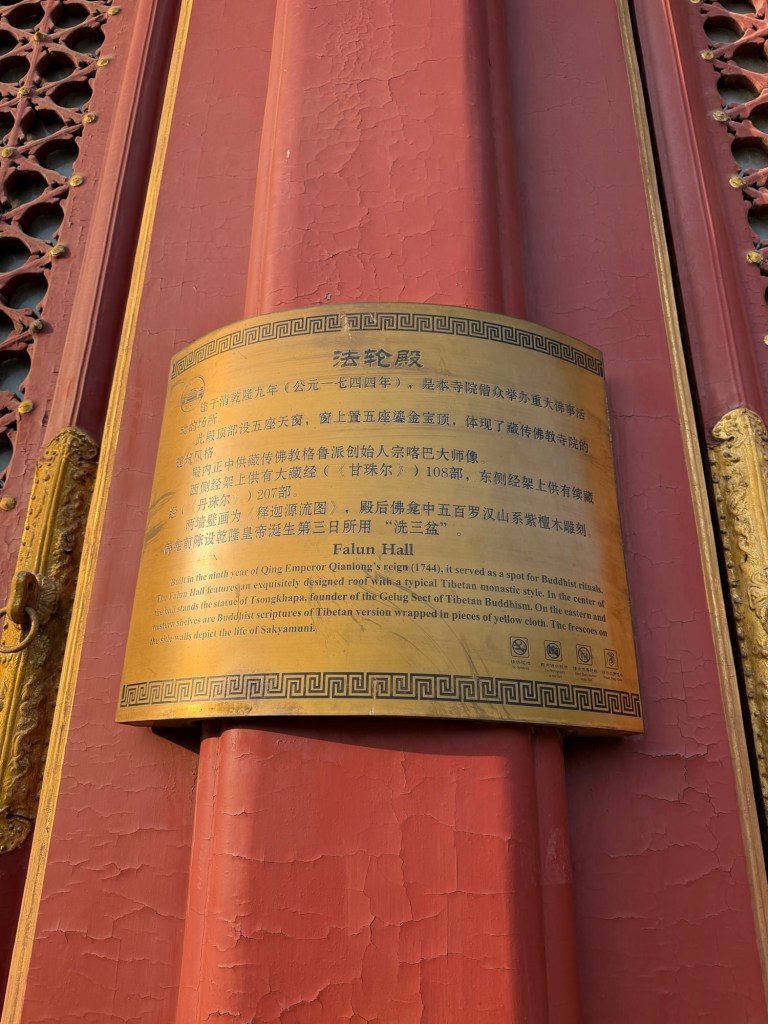
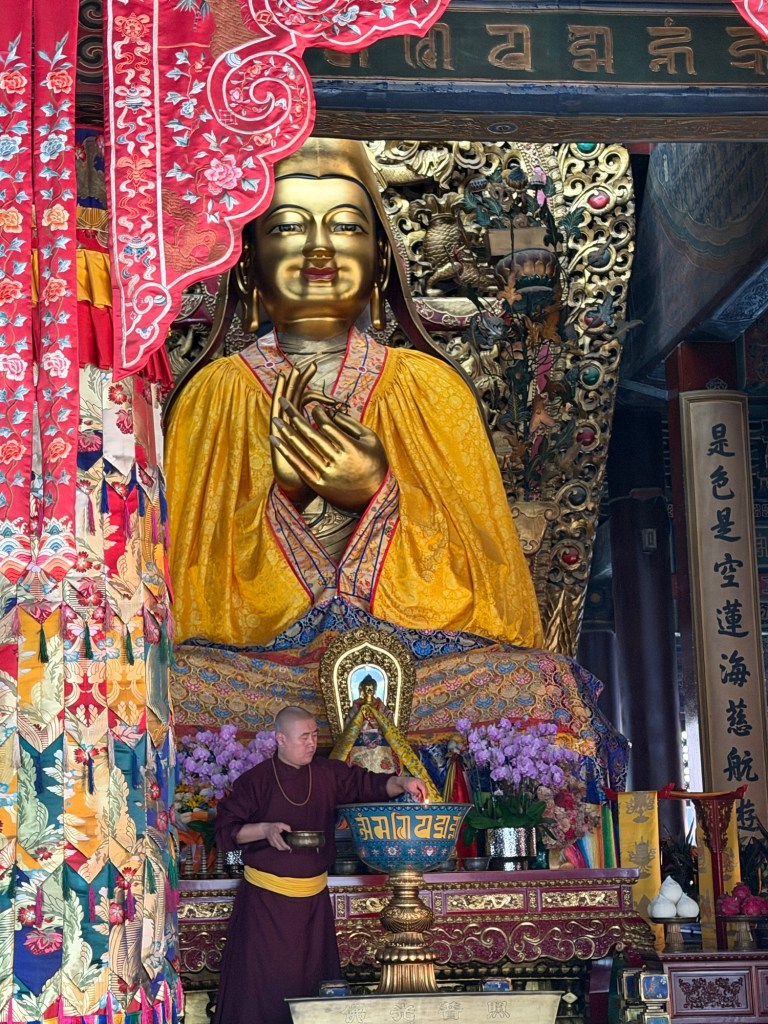
And finally…
End note:
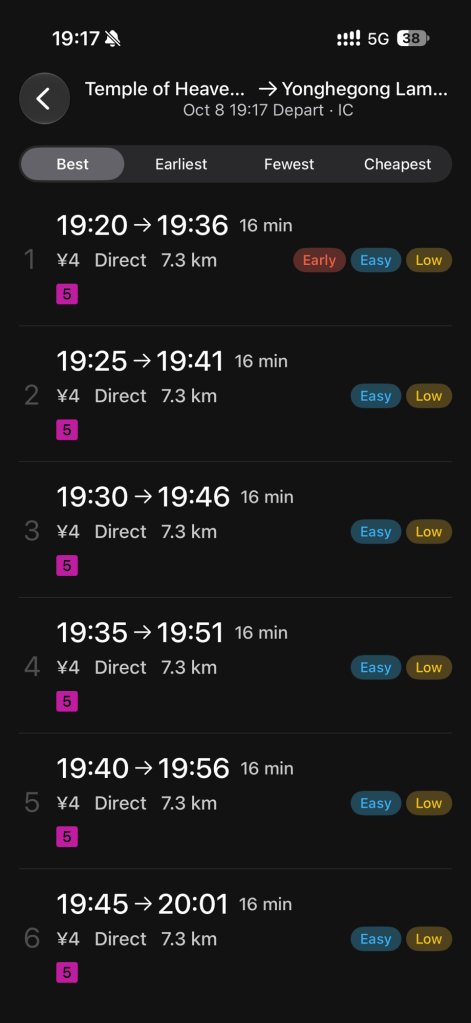
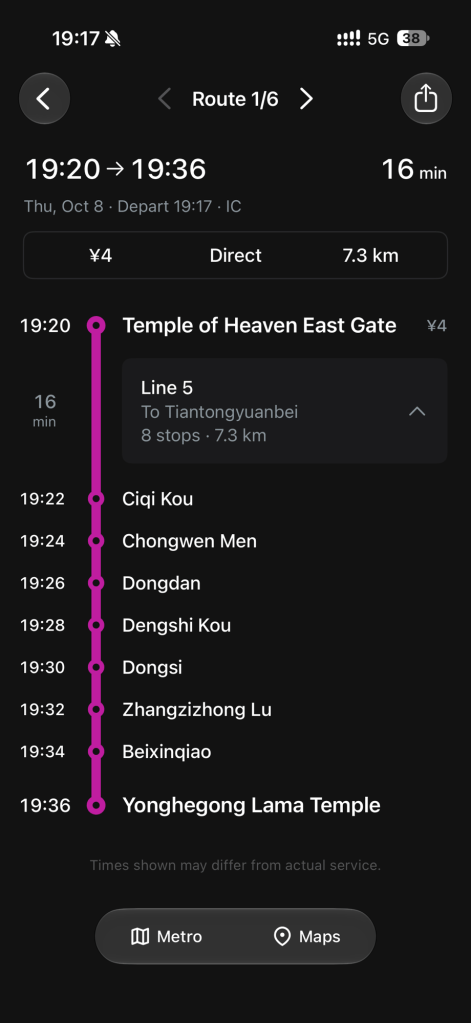
We used the Beijing Metro today to get to and from the places described above. Finding our way was really quite simple, not dissimilar to Japan – once you crack the numbers/colours code you are sorted.
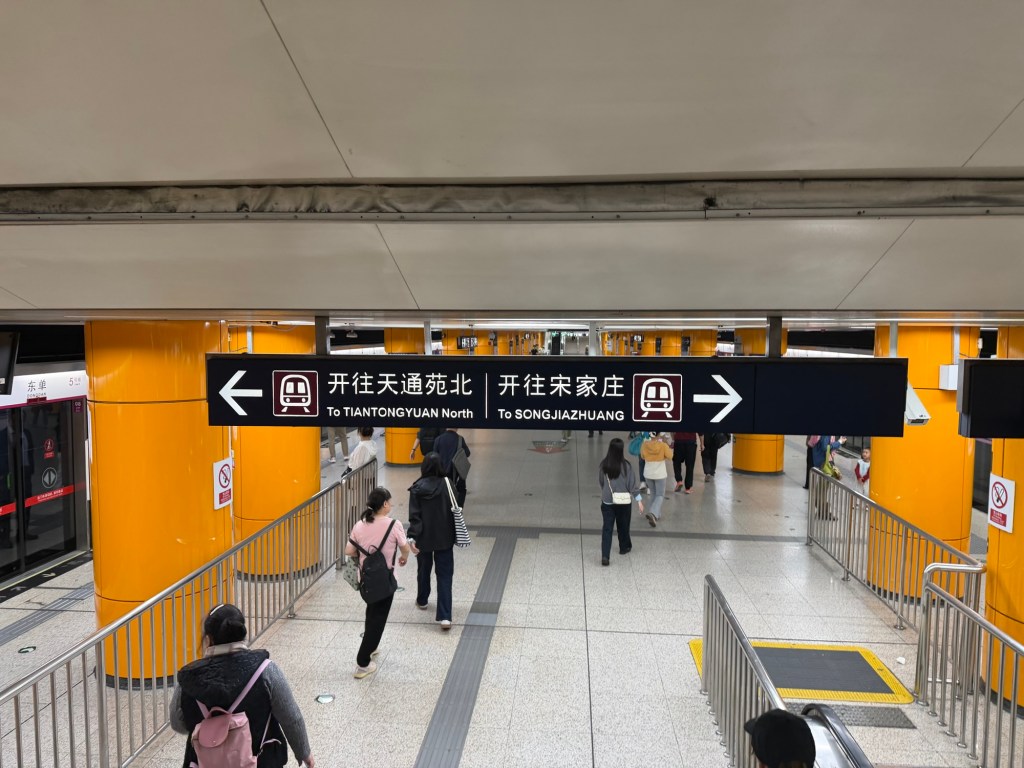
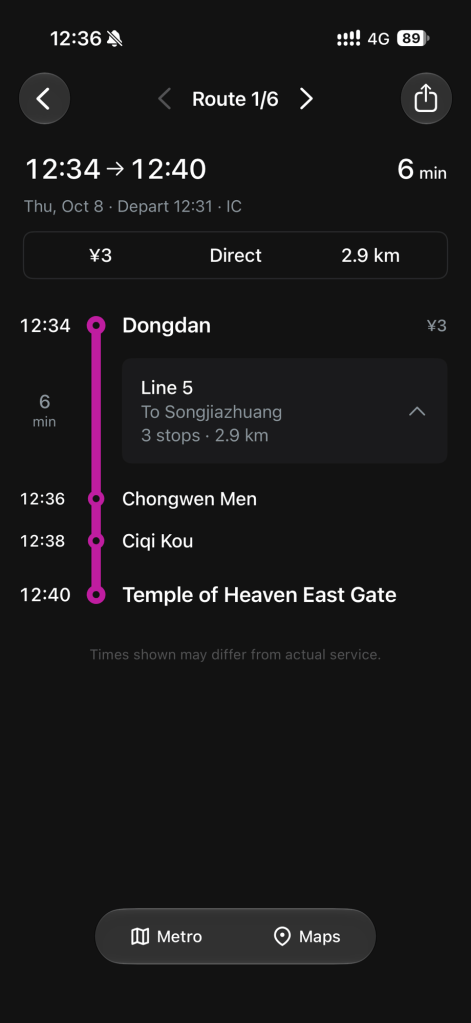
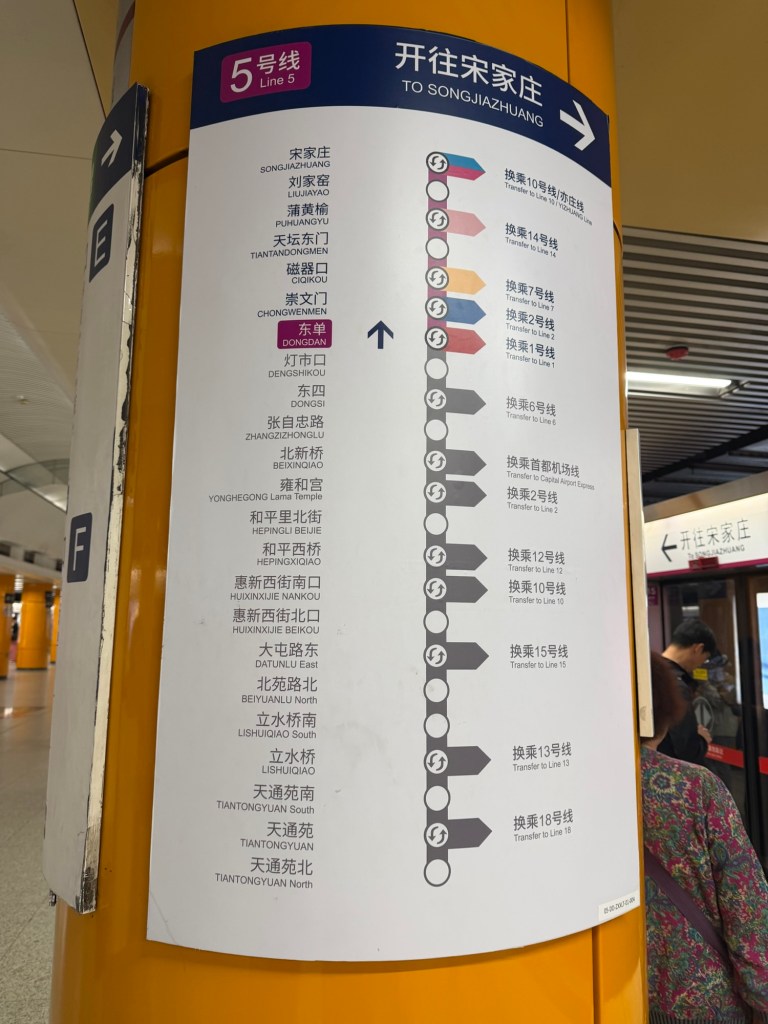
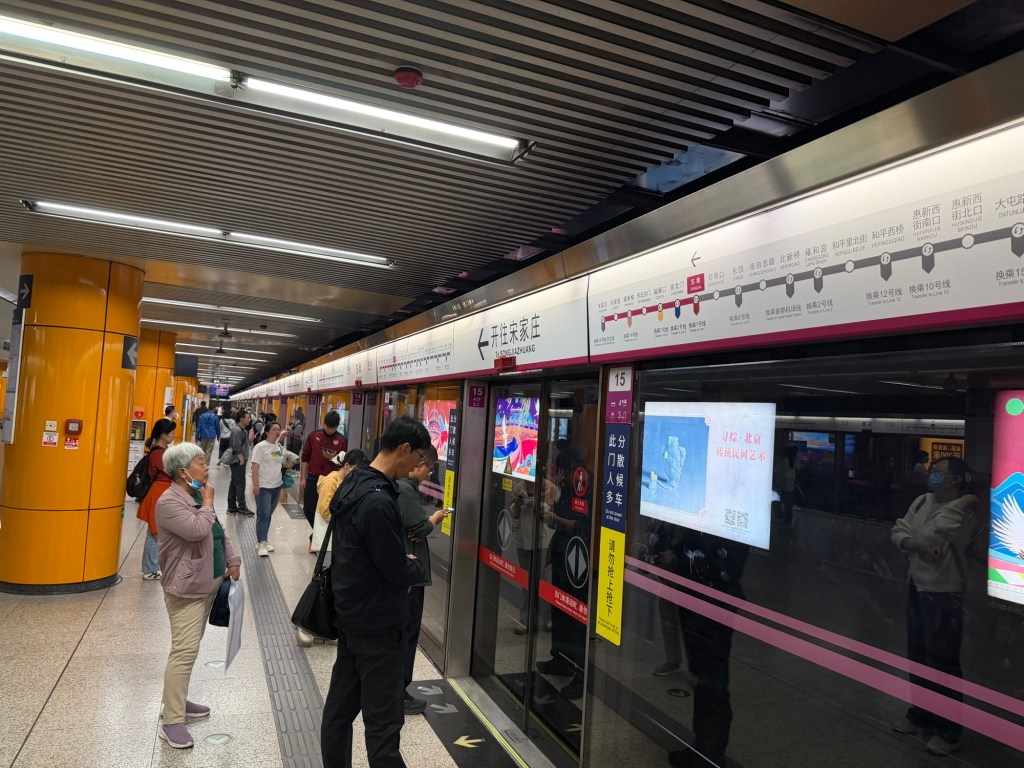
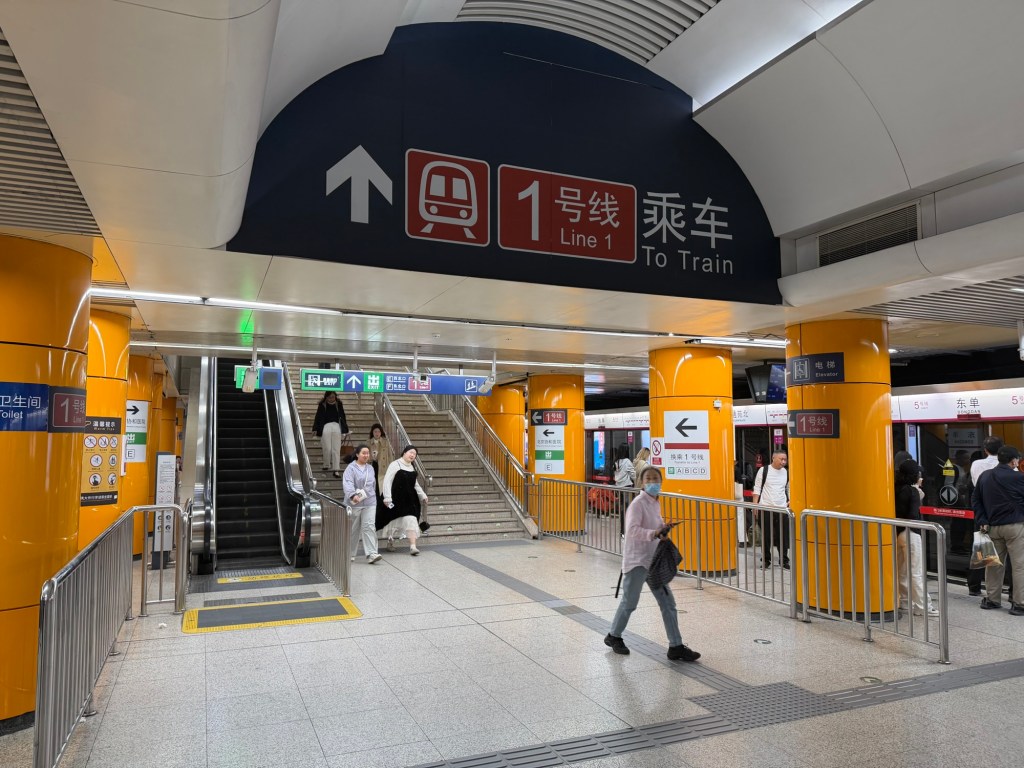
We used the MetroMan app and found it really easy to use.
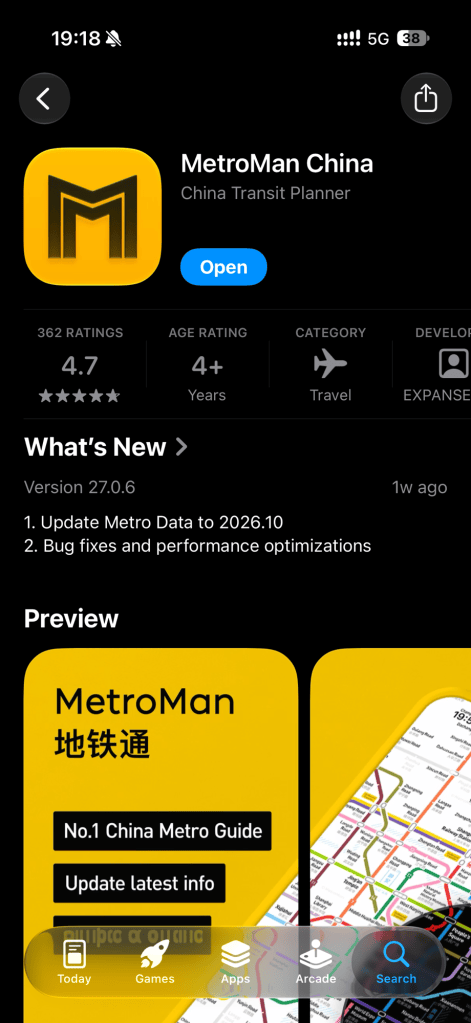
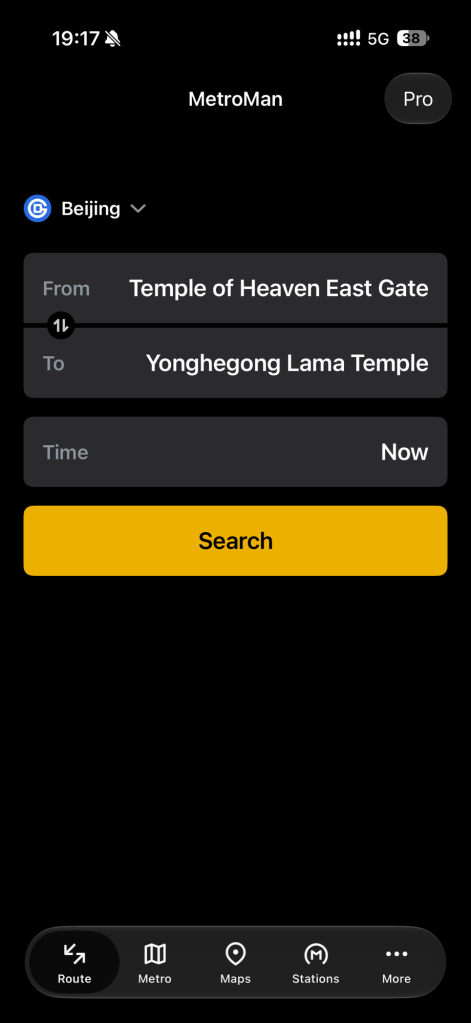
For example, in travelling from the Temple of Heaven to the Lama Temple…
Another full and most enjoyable day in Beijing. Tomorrow, we head 1,140 kilometres (710 miles) east to Xi’an.
For previous days in Beijing click here


Leave a comment