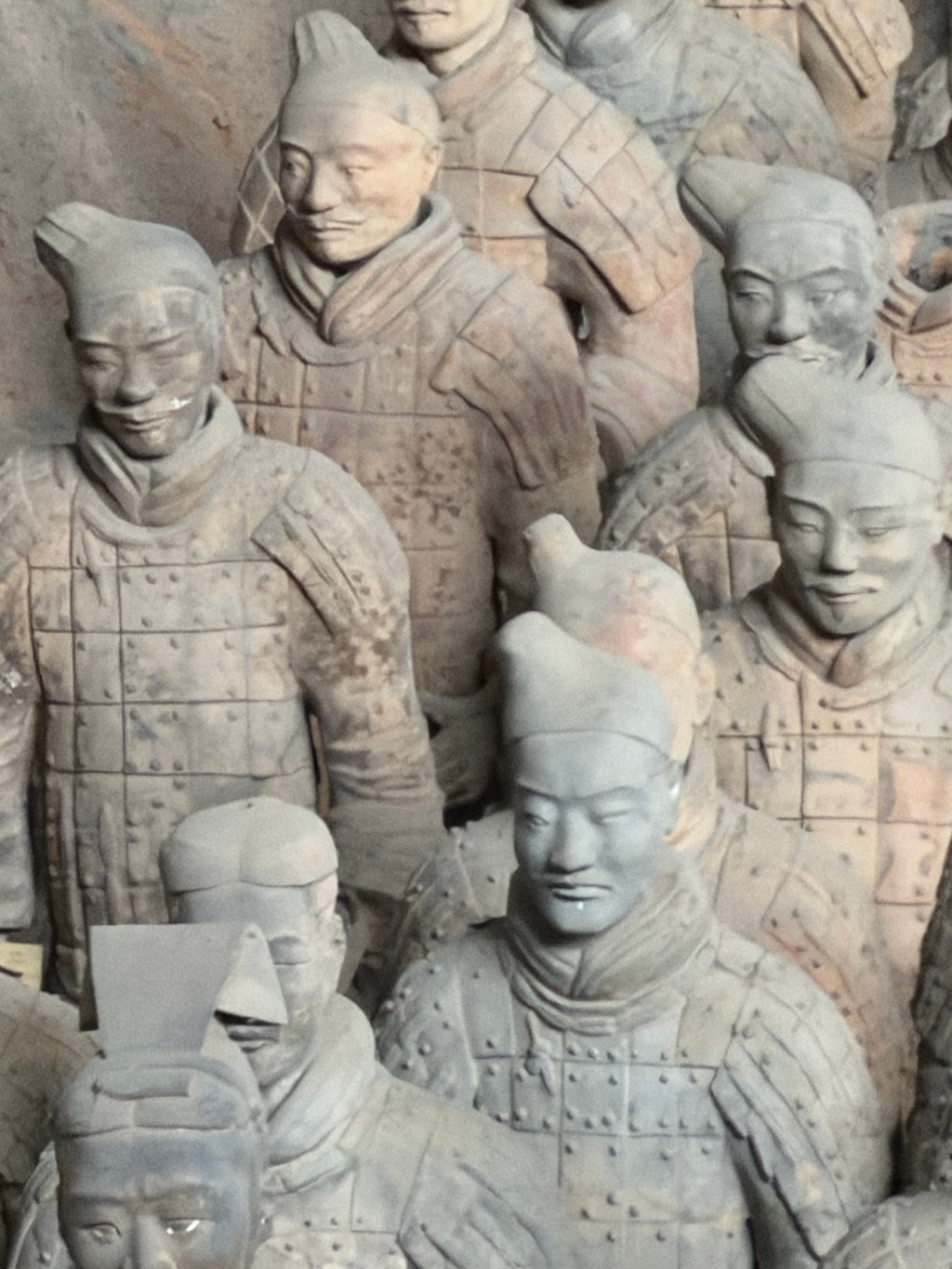
bīng mǎ yǒng
Bīng meaning soldiers or military
Mǎ meaning horses
Yǒng meaning burial figures or statues
Together, 兵马俑 literally translates to “soldier and horse funerary statues.”
If you need any further confirmation as to just how simple it is to ‘hail’ a DiDi… I requested one through the app as we travelled down in the lift and, almost instantaneously…

First stop, Huaqing. The Huaqing Pool (华清池), also known as the Huaqing Palace (华清宫), is a complex known for its imperial gardens and hot springs at the northern foot of Mount Li, Qinling, 25 kilometres east of Xi’an.
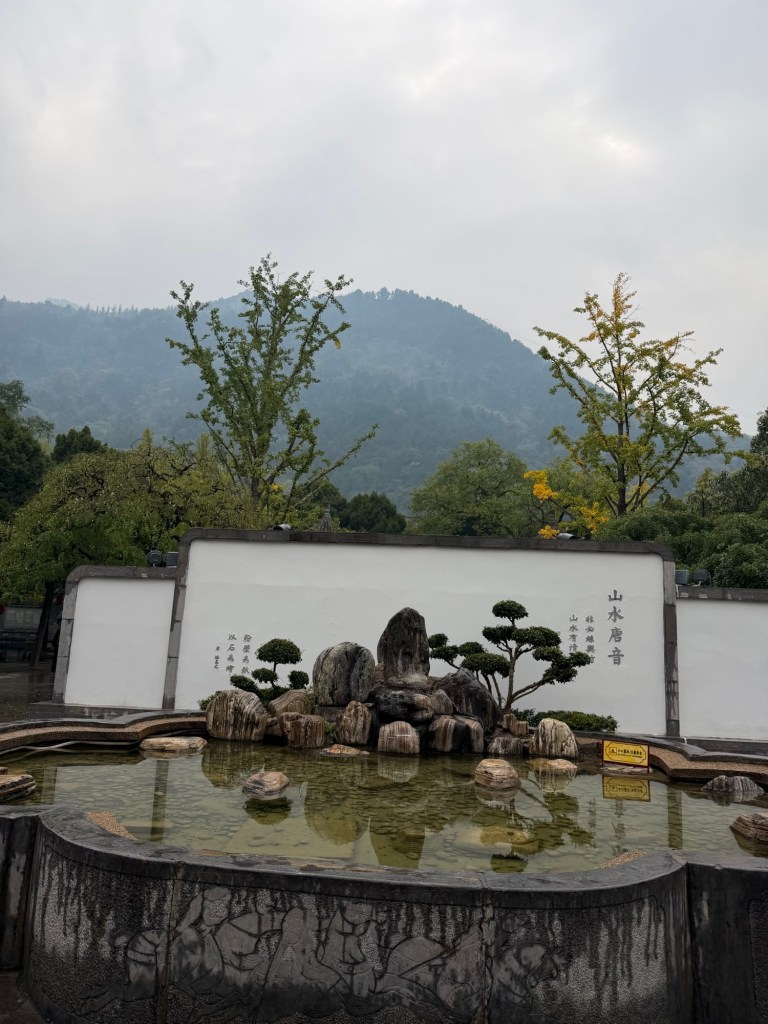
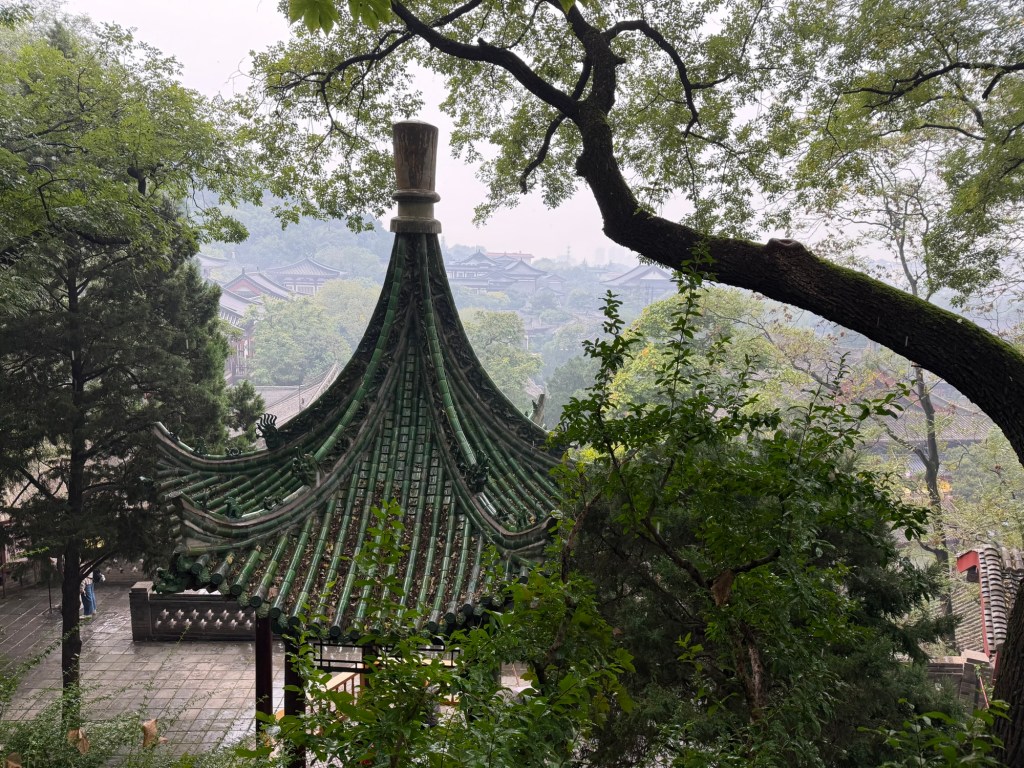
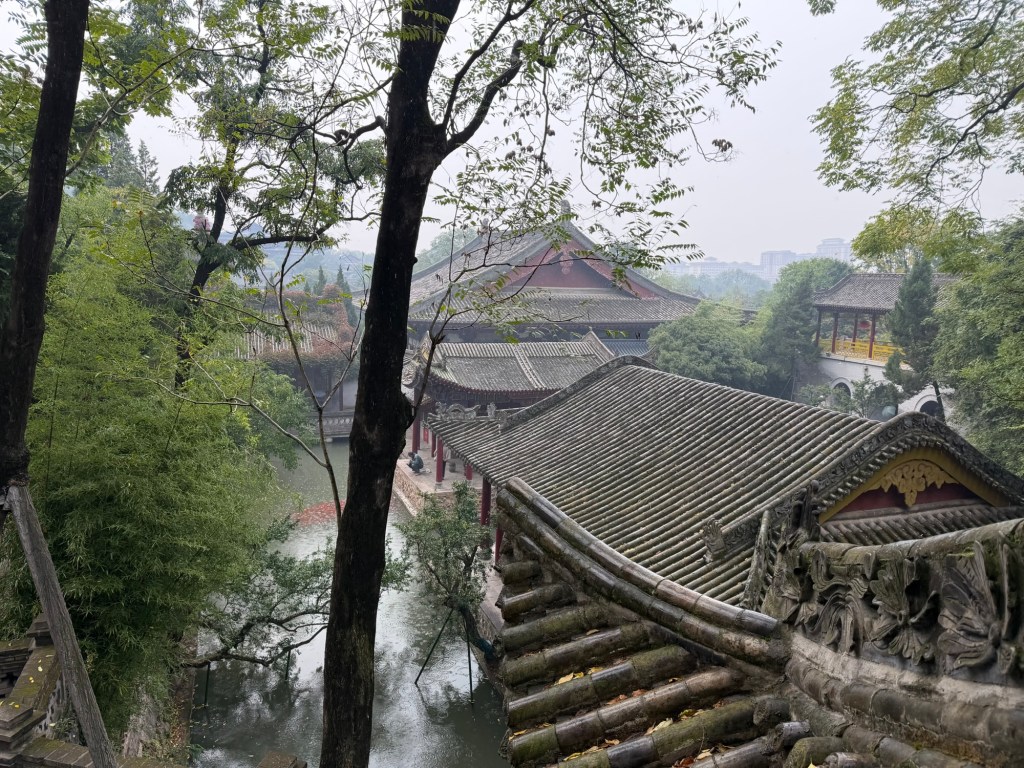
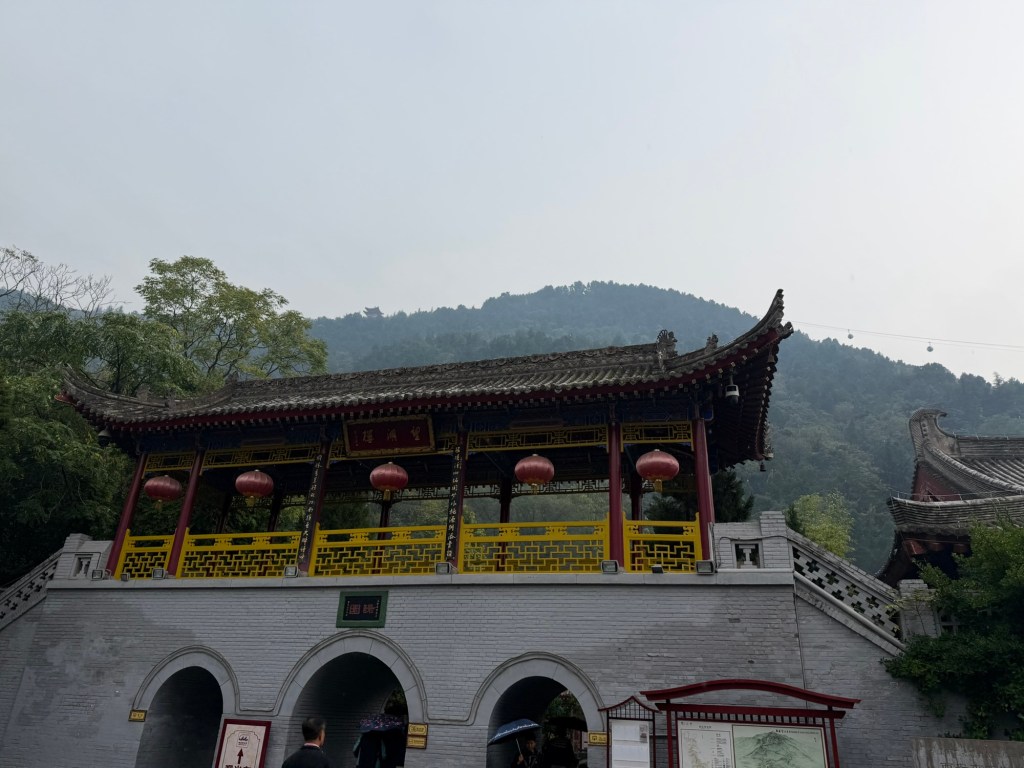
The springs that make up the Huaqing Pool utilise naturally occurring geothermal heat and have a documented history of almost three millennia, having served as the site of several palaces built by past Chinese rulers, including Emperor Qin Shi Huang (of terracotta warriors fame).
You will note the weather had changed to warm and wet. We could hardly complain given that we have enjoyed blue skies and sunshine since the moment we set foot in China, but it was a shame because the place promised great views should we take the cable car to the top. In the event we decided to switch to the site of the Terracotta Warriors as it was indoors, with the option of coming back over should the weather clear up a bit.
The Huaqing Palace site is famous as the setting of Emperor Xuanzong’s (Tang Dynasty) romance with his consort Yang Guifei. (杨贵妃)
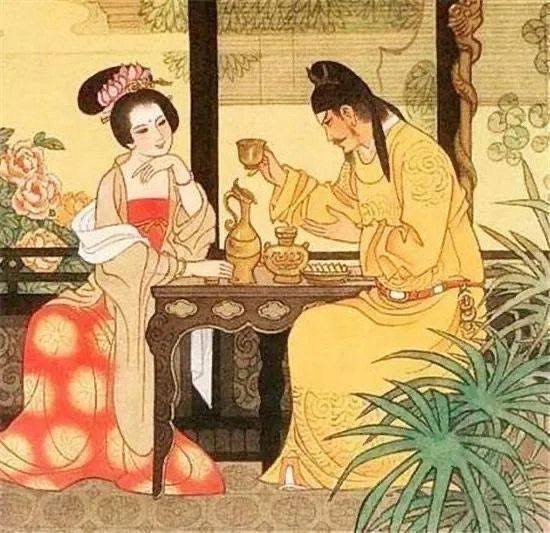
春寒賜浴華清池
溫泉水滑洗凝脂
侍兒扶起嬌無力
始是新承恩澤時
On a cold spring day, he bestowed upon her the honor of bathing with him at the Huaqing Pool.
The waters of the hot springs were smooth, and washed over her pale white skin.
The palace maids helped her to leave the pool, for she was too delicate to stand.
This was when she began to receive the emperor’s favour.
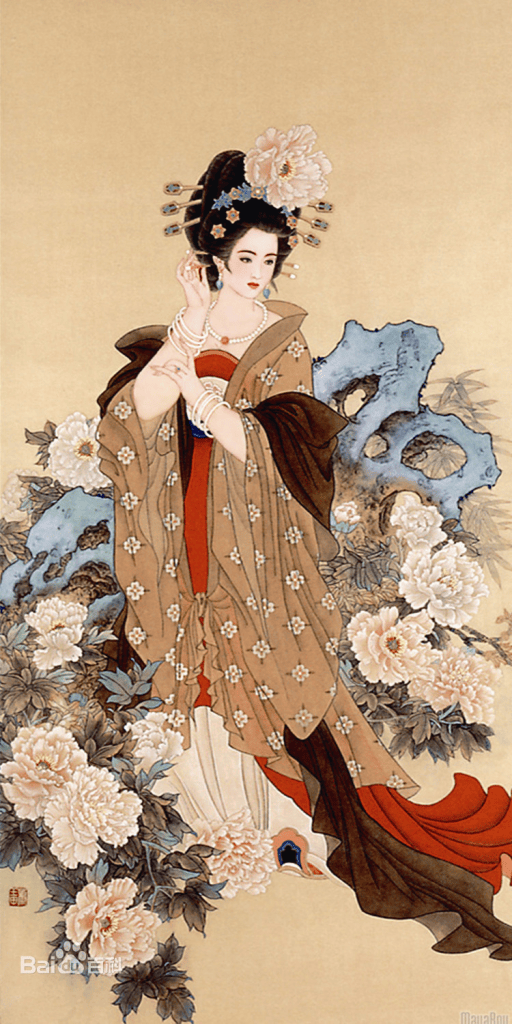
The mystery of Yang Guifei and her portrayal down the centuries has oscillated. A classic femme fatale with the beauty of Helen of Troy and the deviousness of Cleopatra. She is innocent and corrupt, powerful and powerless. She is a decadent diva who sowed the seeds of the Tang’s downfall. For others, she’s a figure of doomed love, with a tragic death, known all over China.
For a fascinating piece by the China Project on the life and legacy of Yang Guifei click here
Modern adaptations and representations of Yang Guifei are equally interesting…
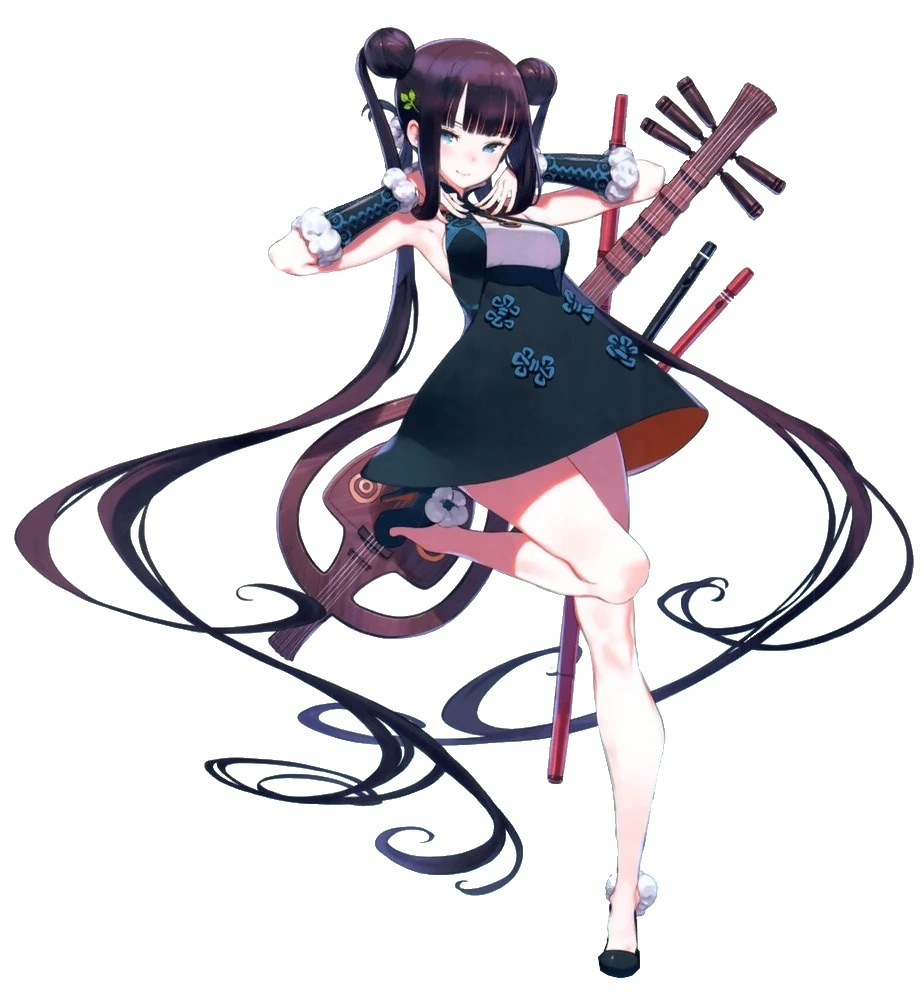
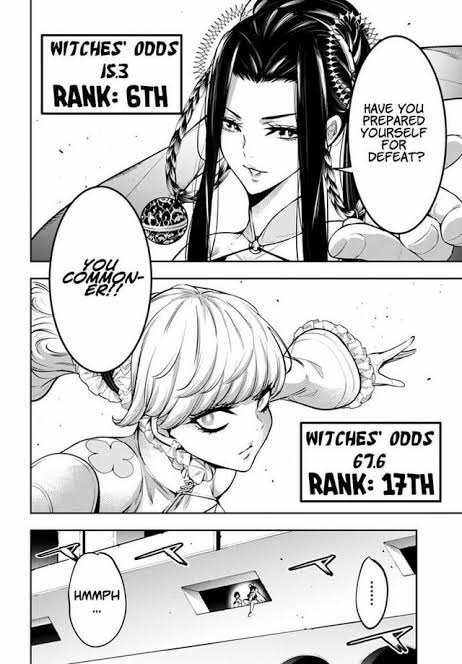
In the manga genre Majo Taisen (The War of Greedy Witches) she appears as a competitor in a tournament featuring historical and mythical women fighting for their deepest desires…
But let’s return to days of yore, and today’s main event: the Terracotta Warriors…
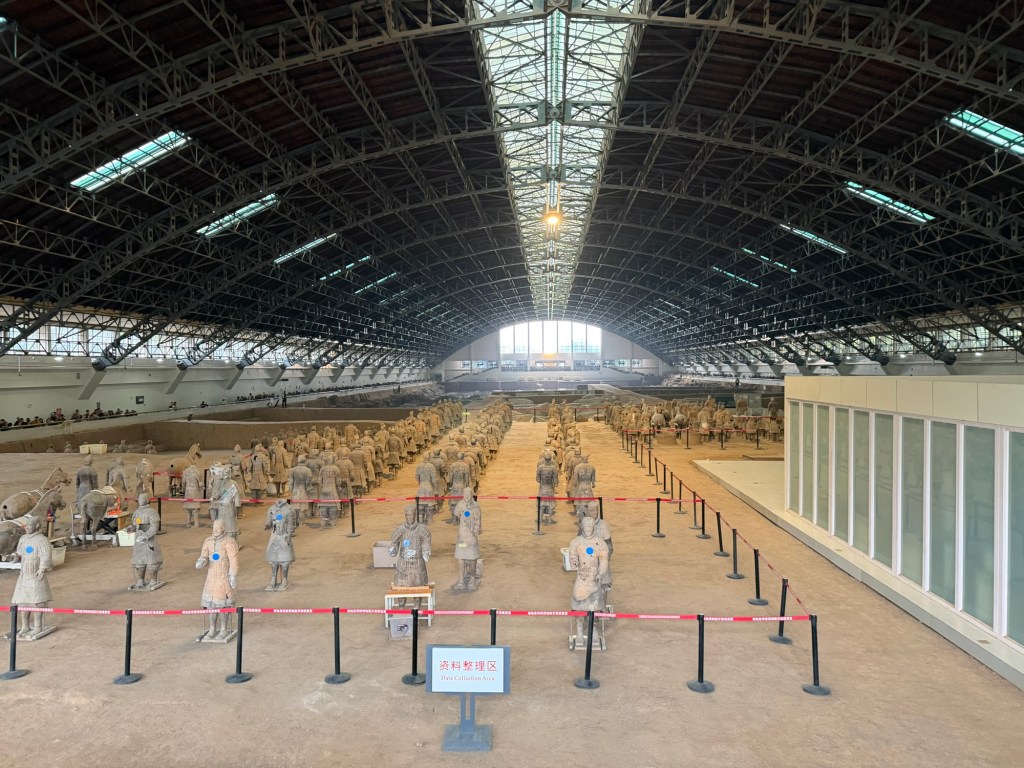
The whole site is on an incredible scale…
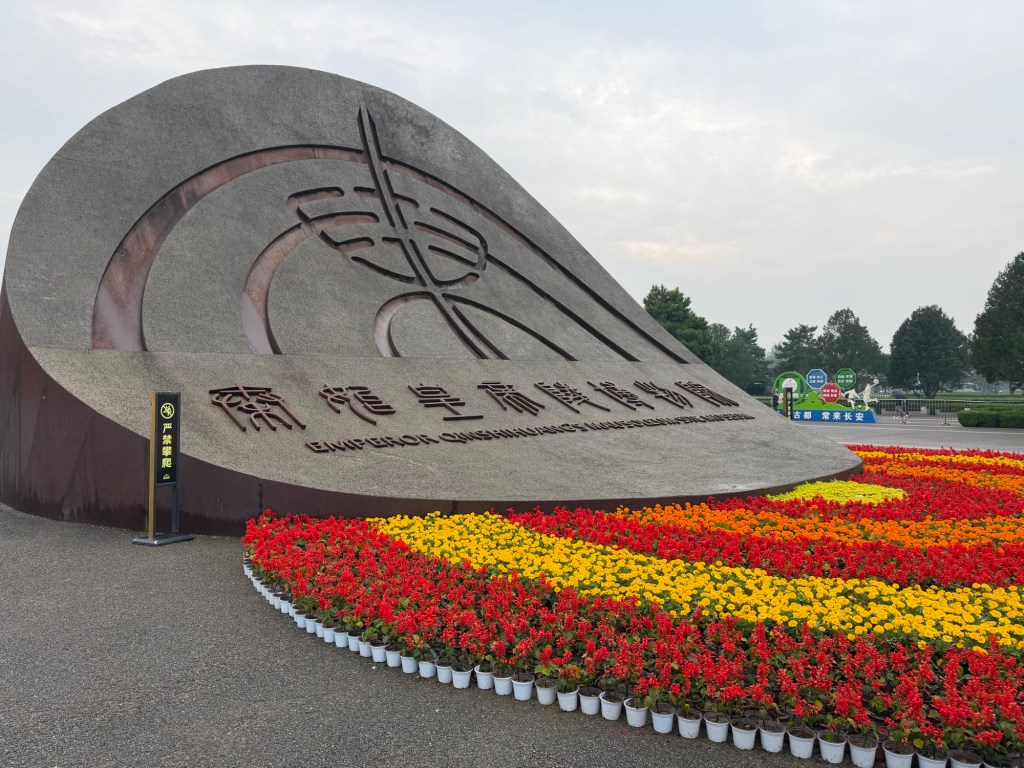
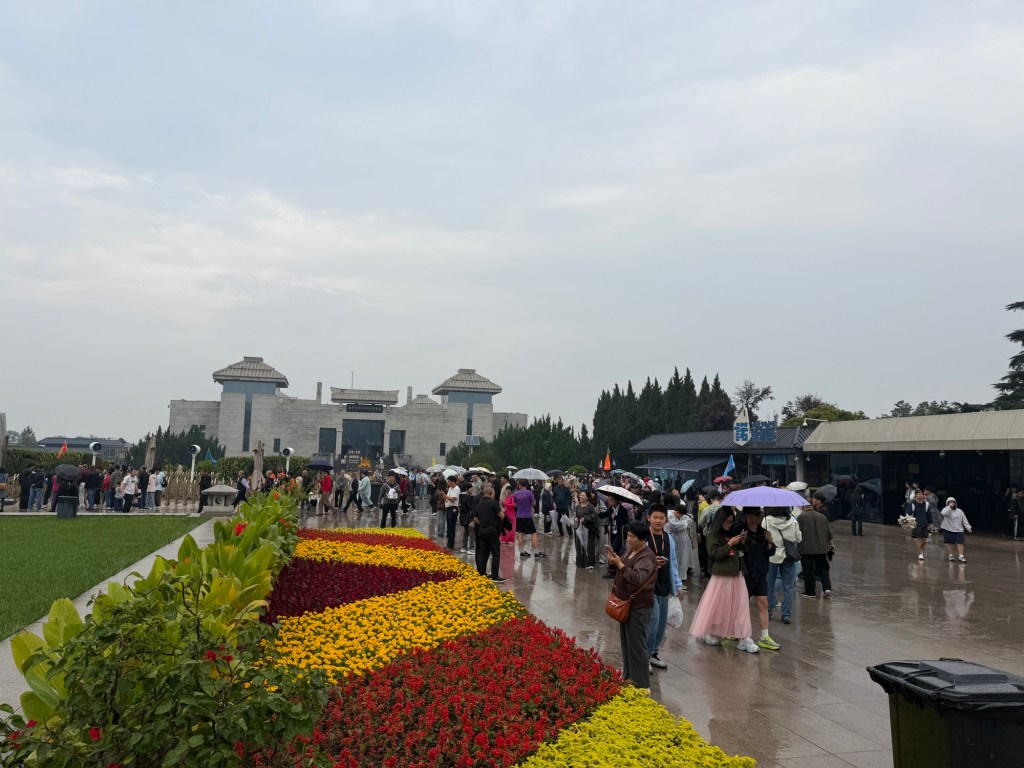
Pit 1 is the largest pit. And it’s large…
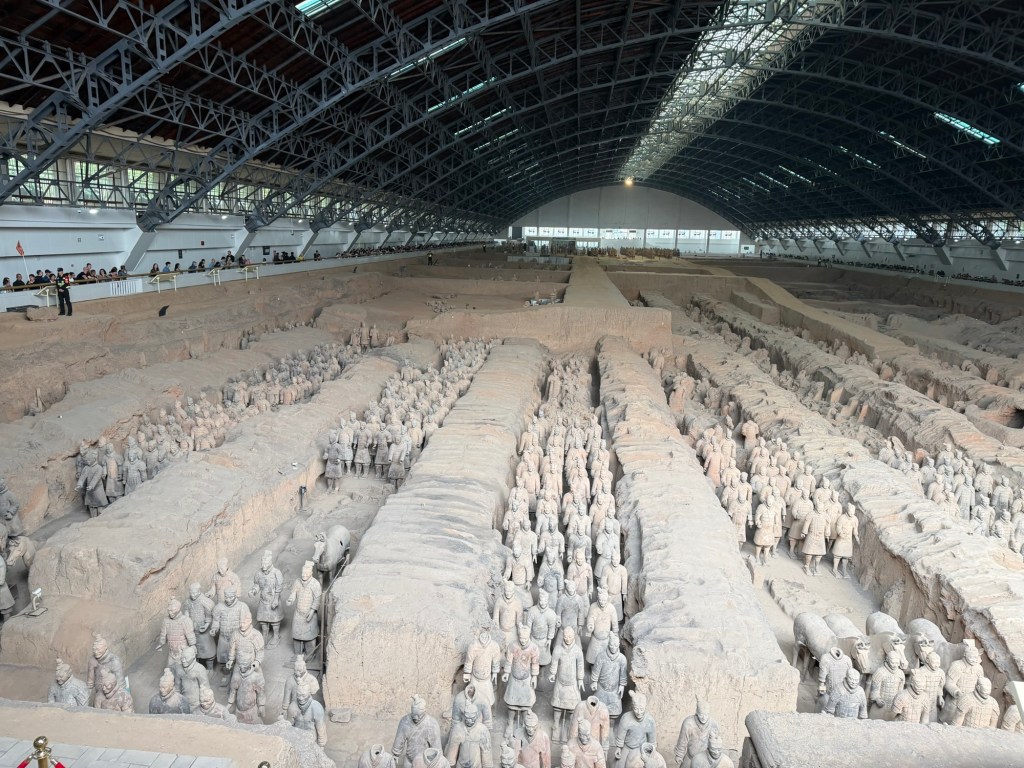
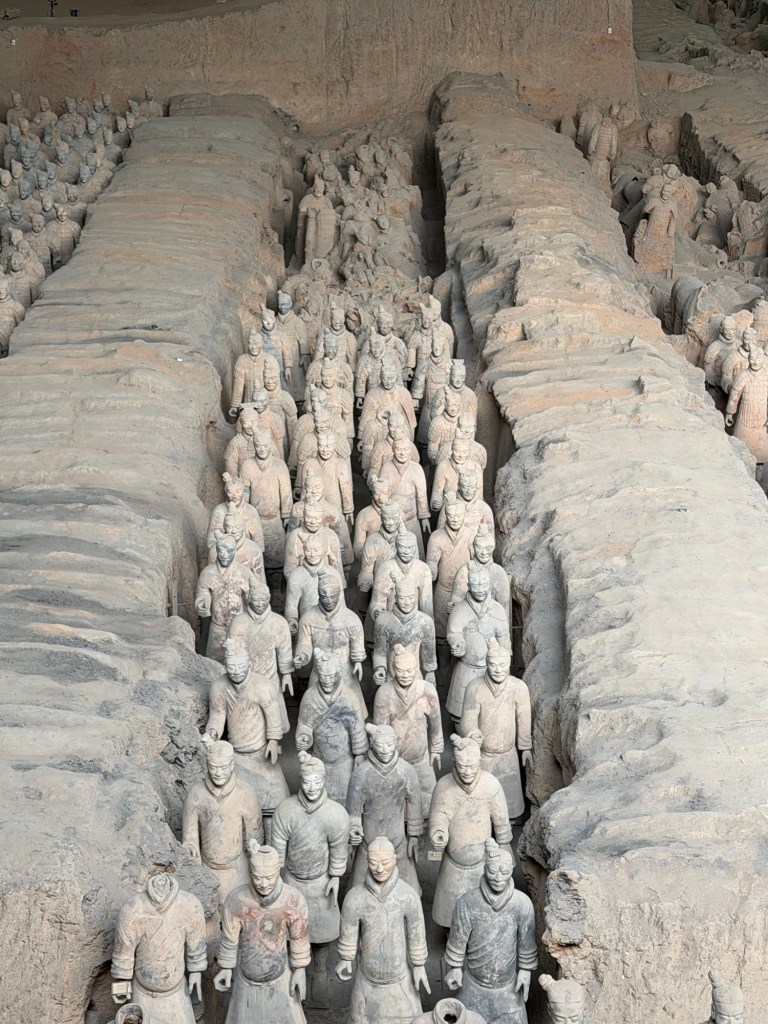
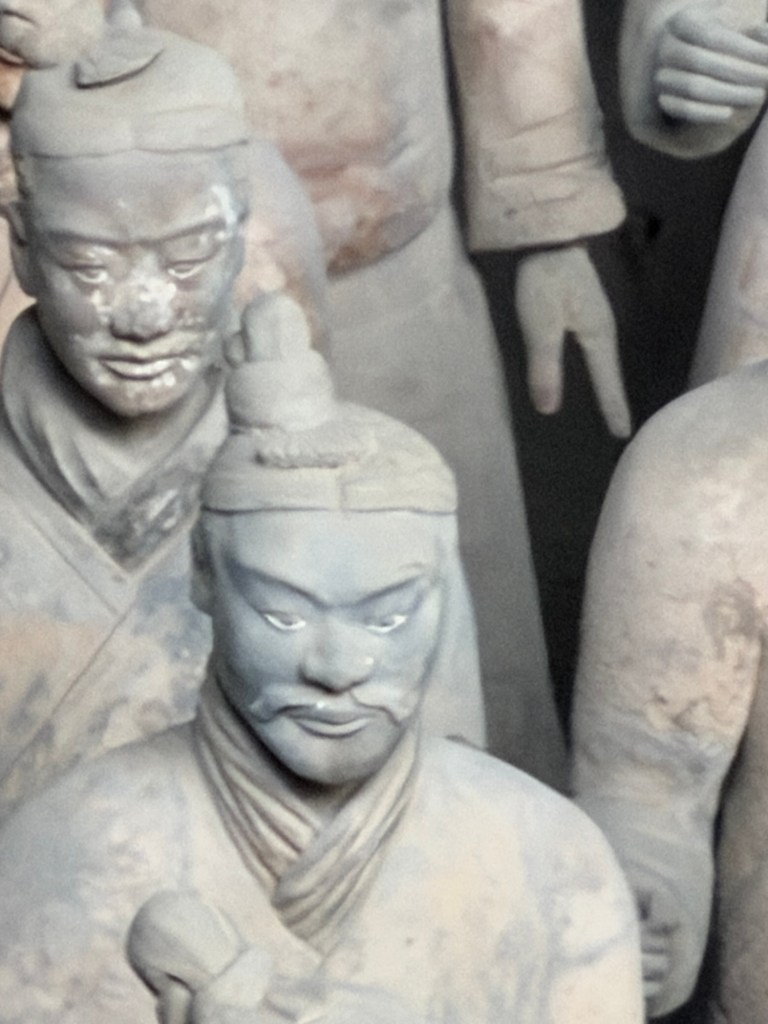
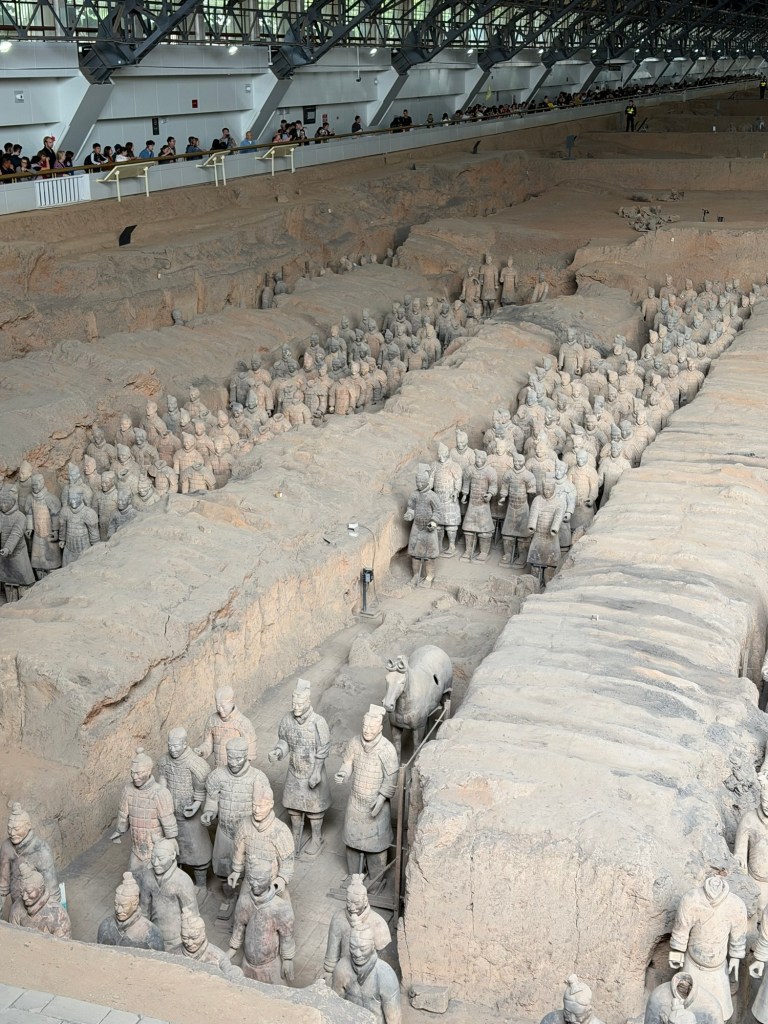
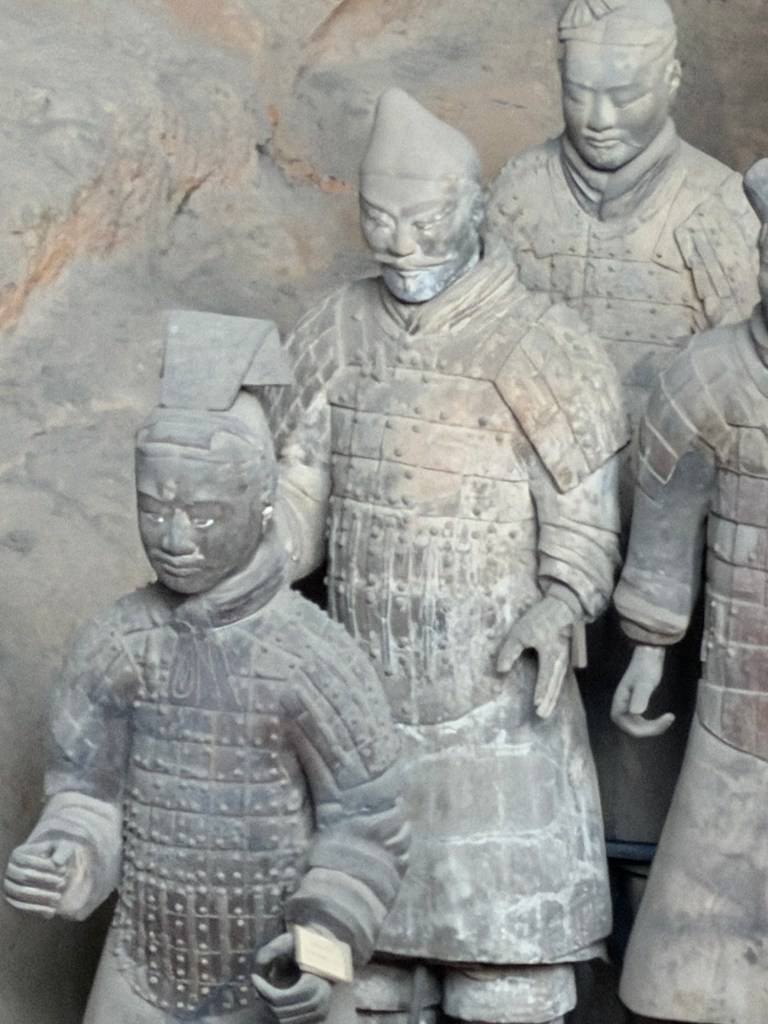
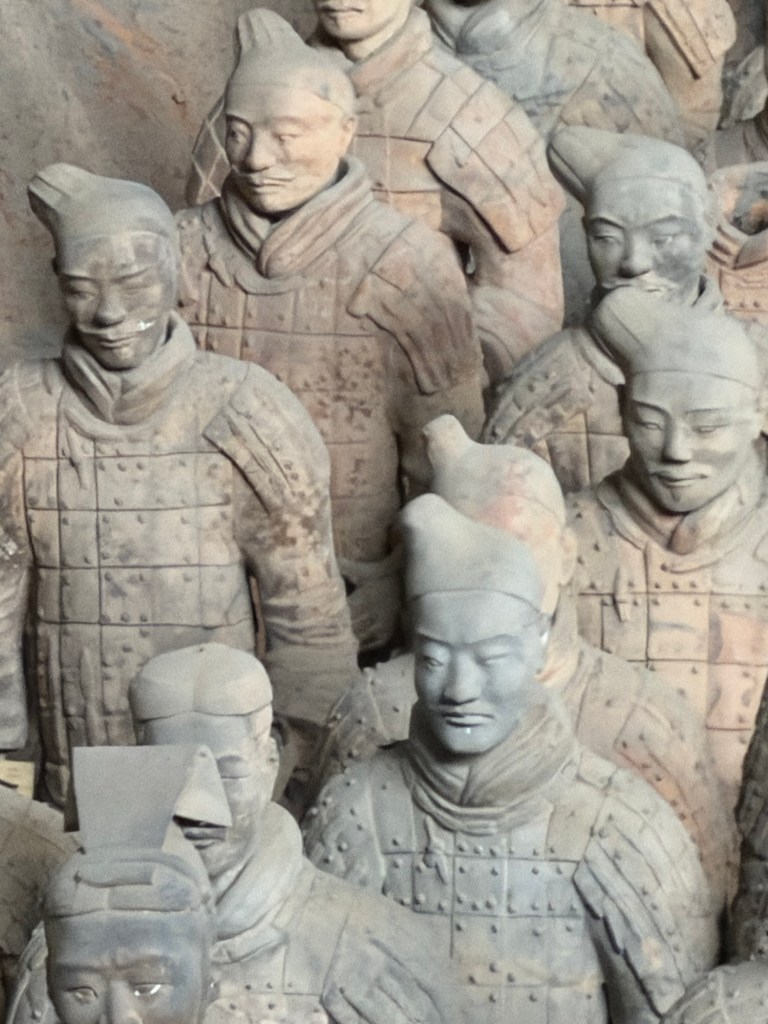
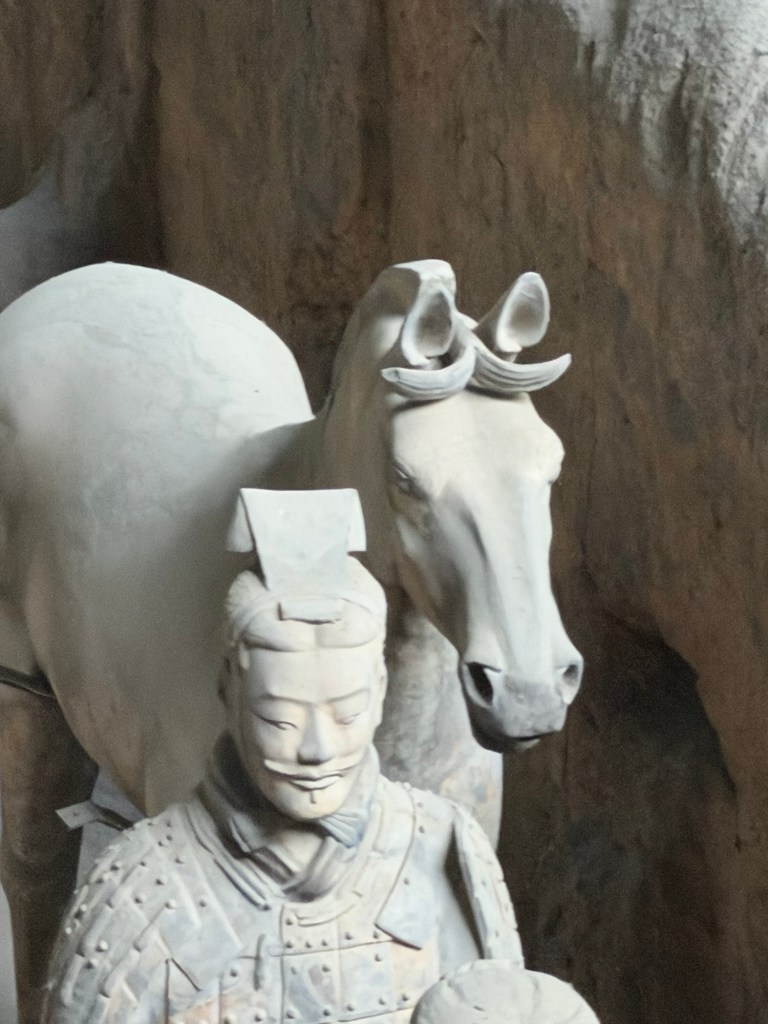
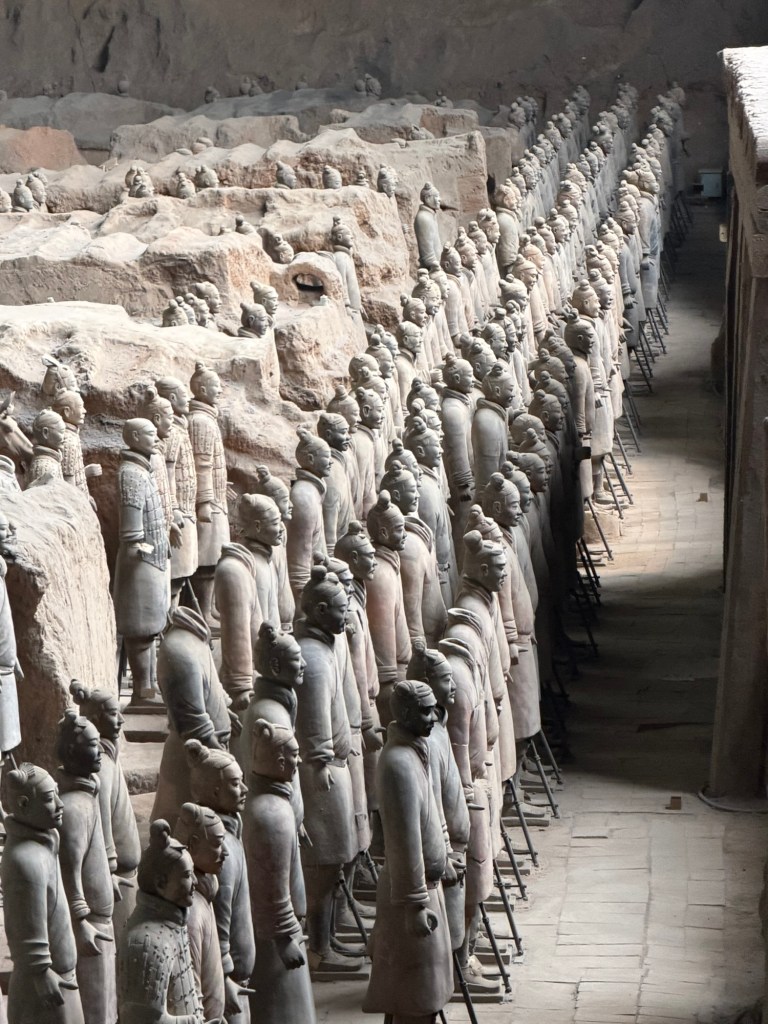
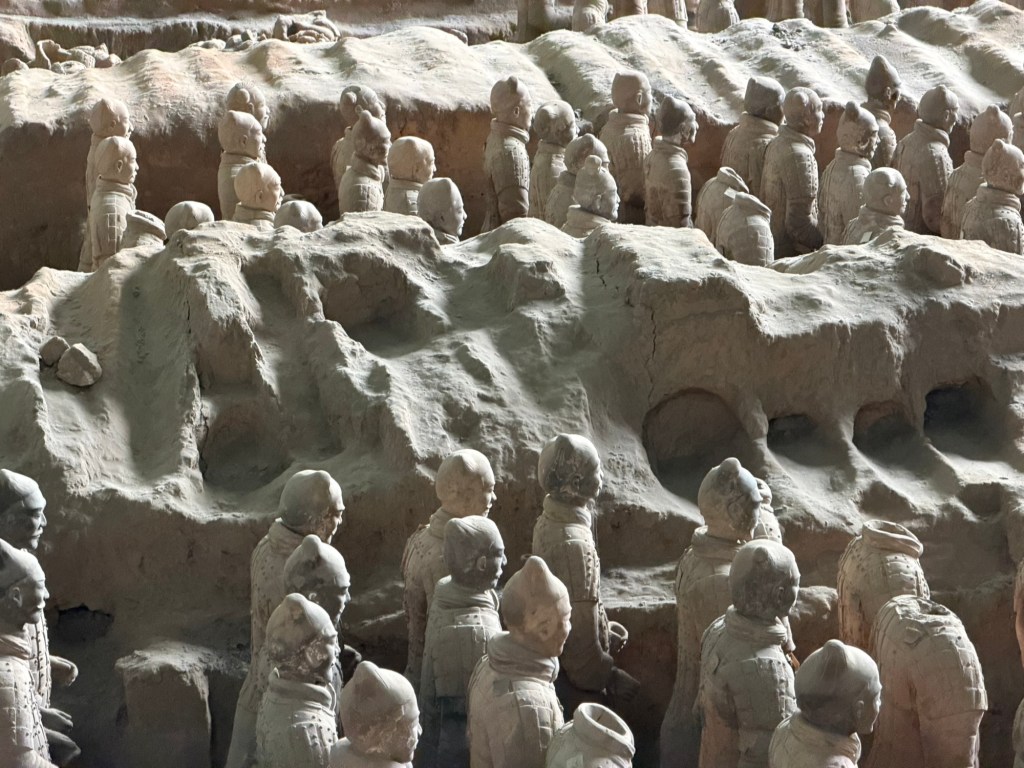
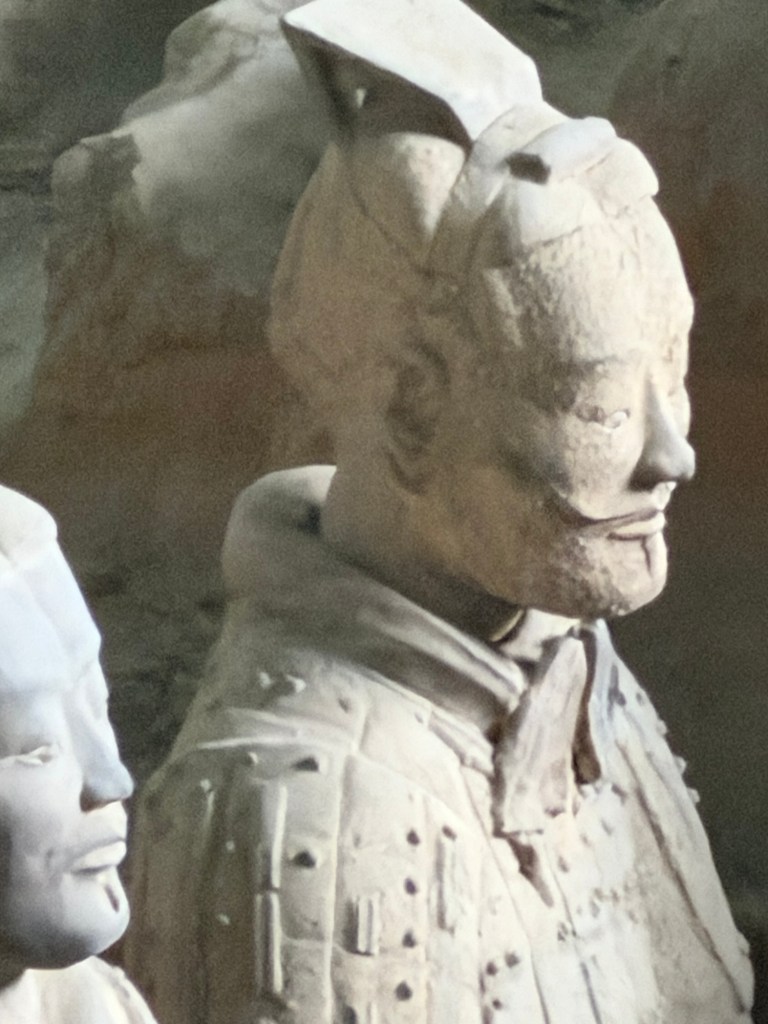
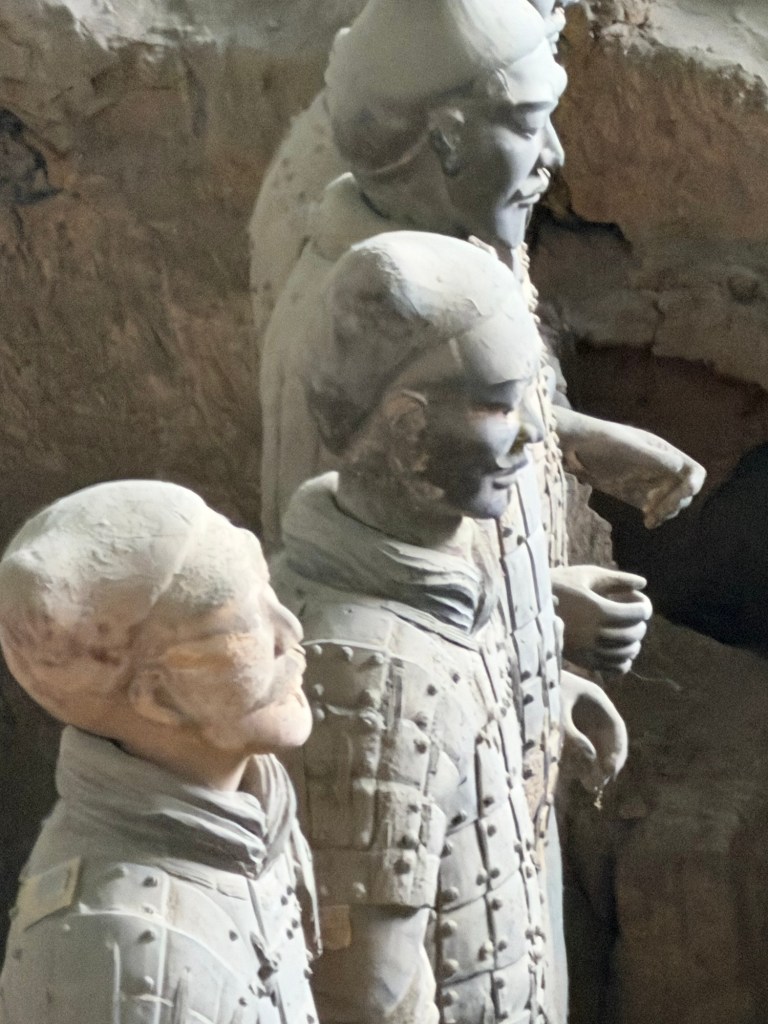
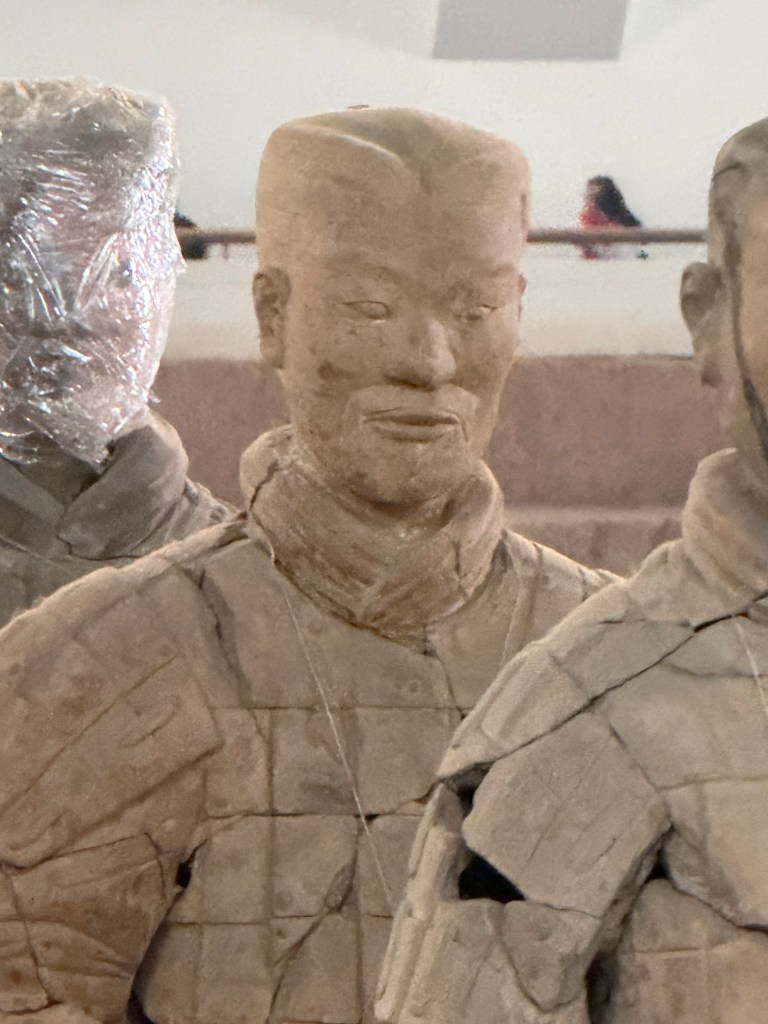
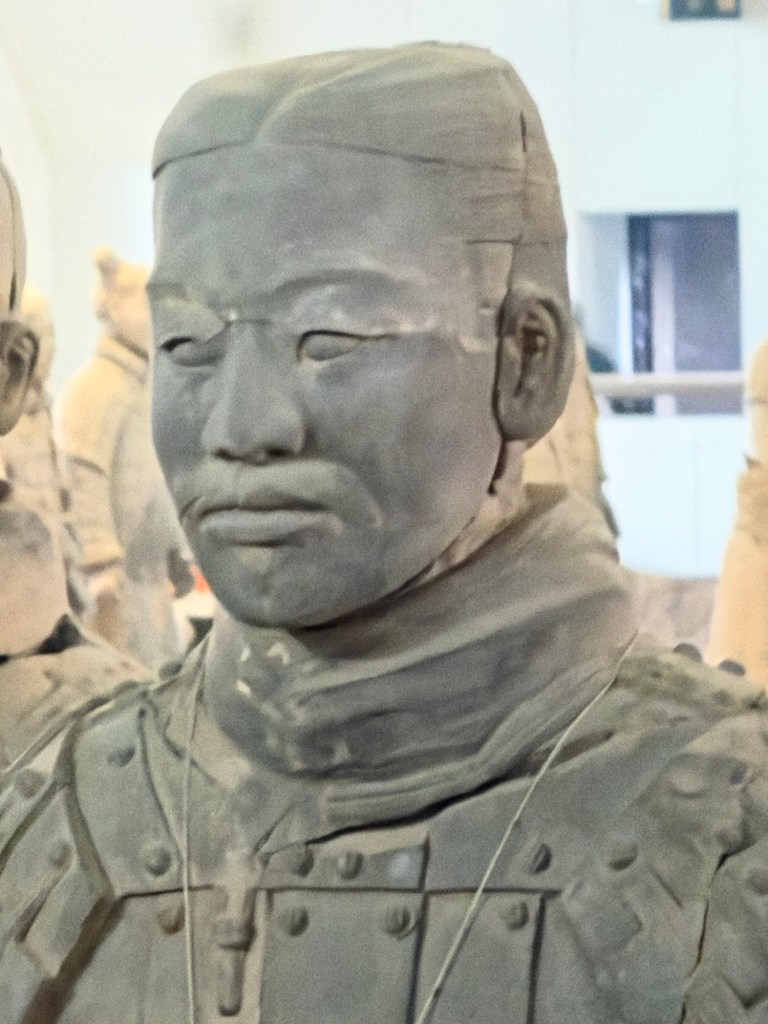
We think we recognised this warrior but cannot be sure. Anyone?
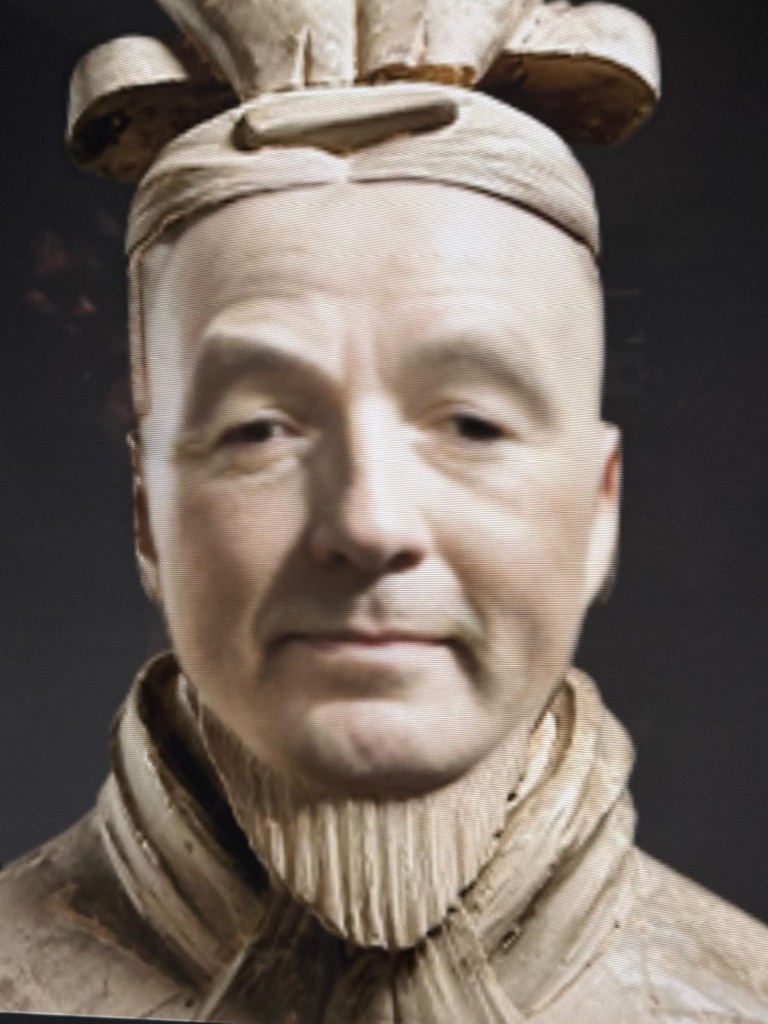
The story of the Terracotta Warriors begins with Qin Shi Huang, who ascended the throne of the state of Qin at just 13 years old in 246 B.C.E.
Qin’s legacy is notable. He standardised the Chinese writing script, currency, weights, and measurements. He linked early defensive structures to form the first Great Wall.
Qin is recognised as the first unifier of China. He created an efficient, centralised government that became the model for later dynasties. On the other hand, he also earned a reputation for tyranny through his outlawing of Confucianism, by ordering that almost all its written texts be burnt, with scholars buried alive.
It was, however, his obsession with immortality that, ultimately, left its, and his, stamp on world history. Terrified of death and fearful of the many enemies he made through his tyrannical rule, he directed hundreds of thousands of workers to construct a massive, hidden subterranean mausoleum near Xi’an (Mount Li) to protect and serve him in the afterlife.
Pit 2
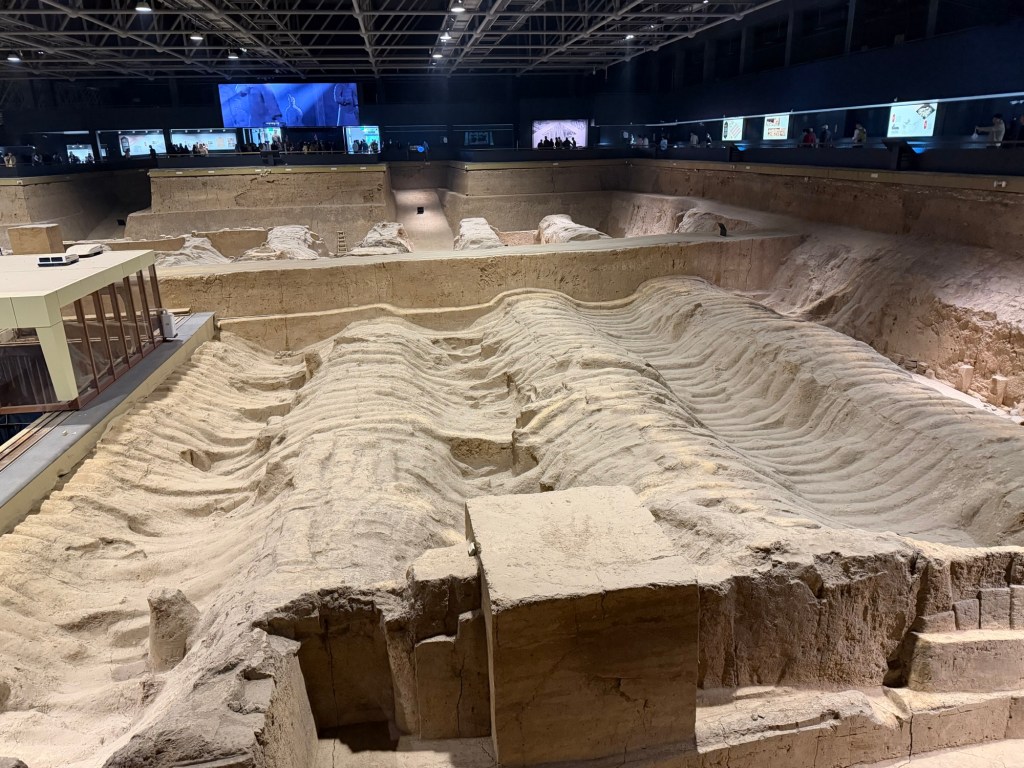
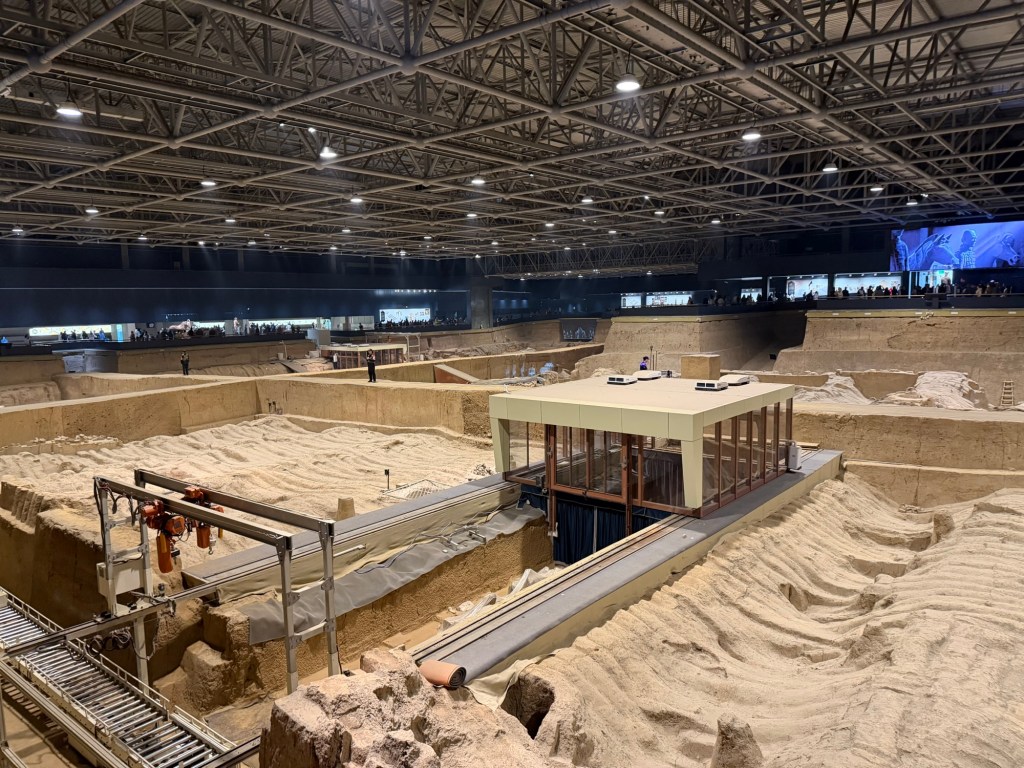
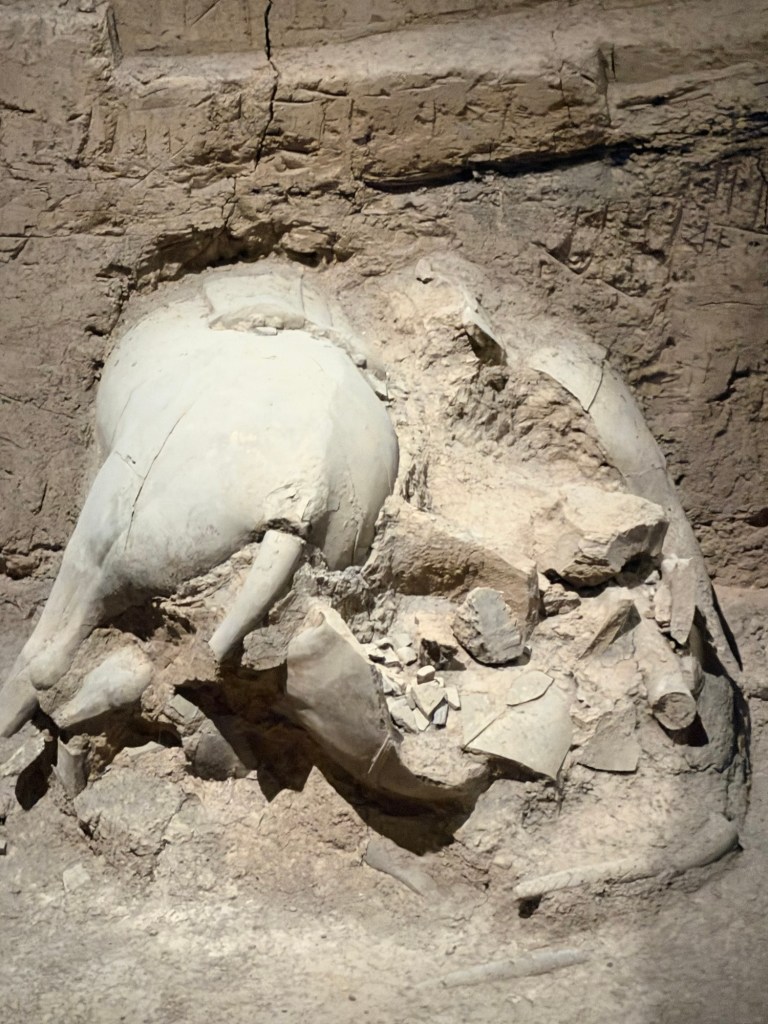
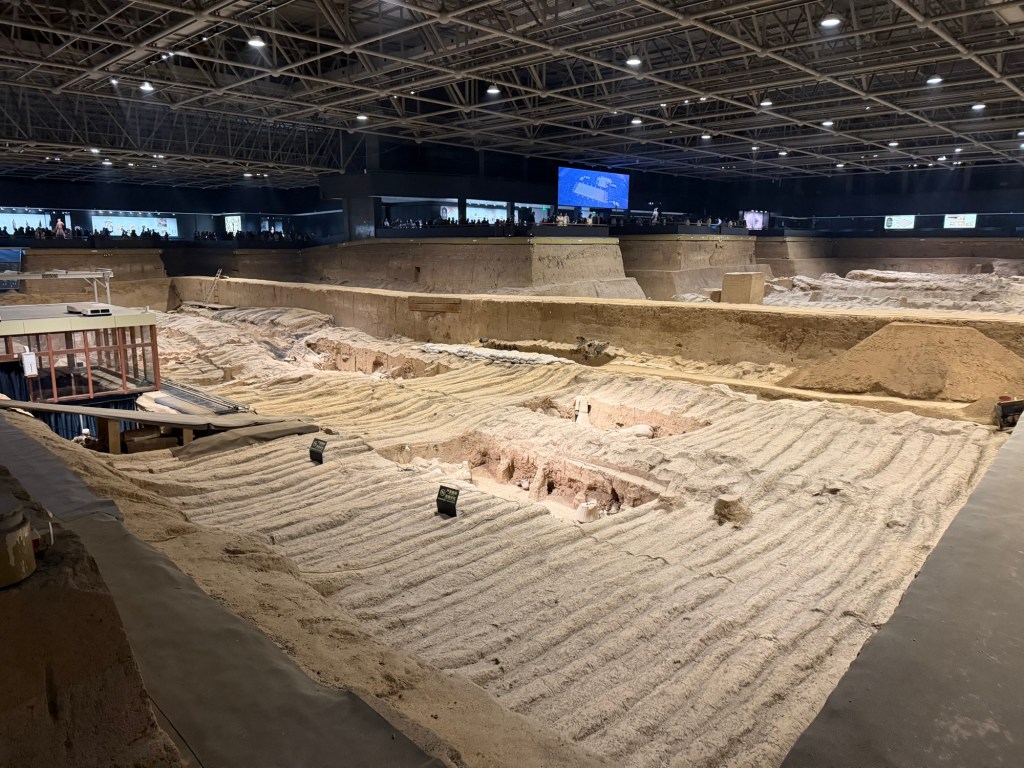
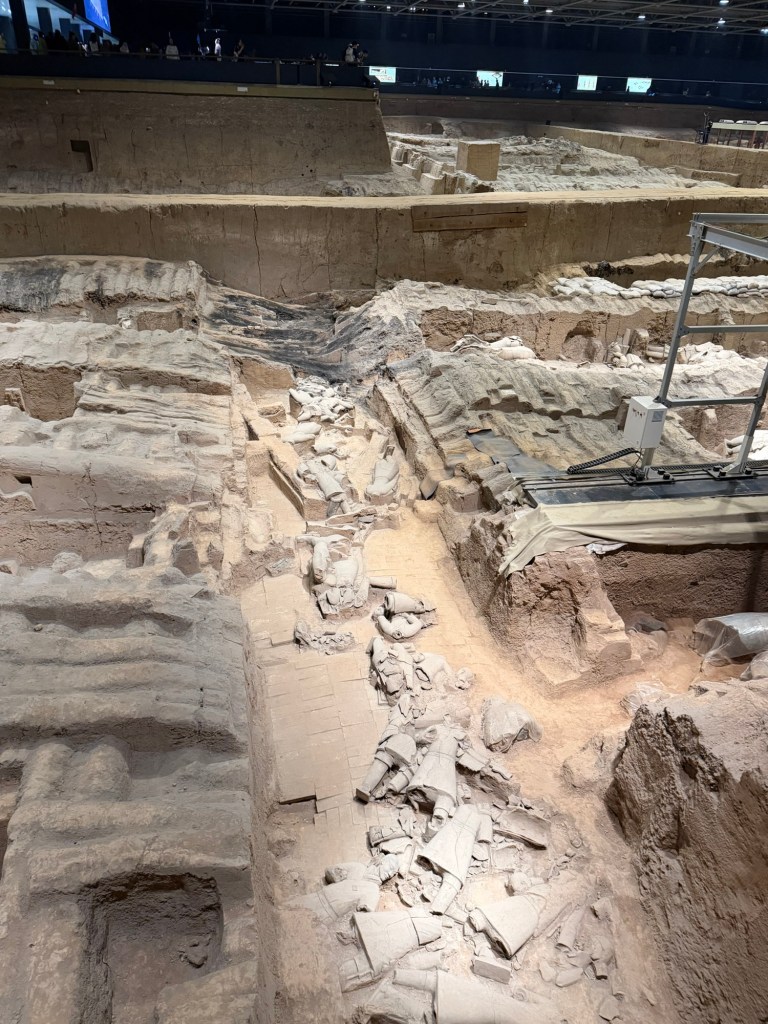
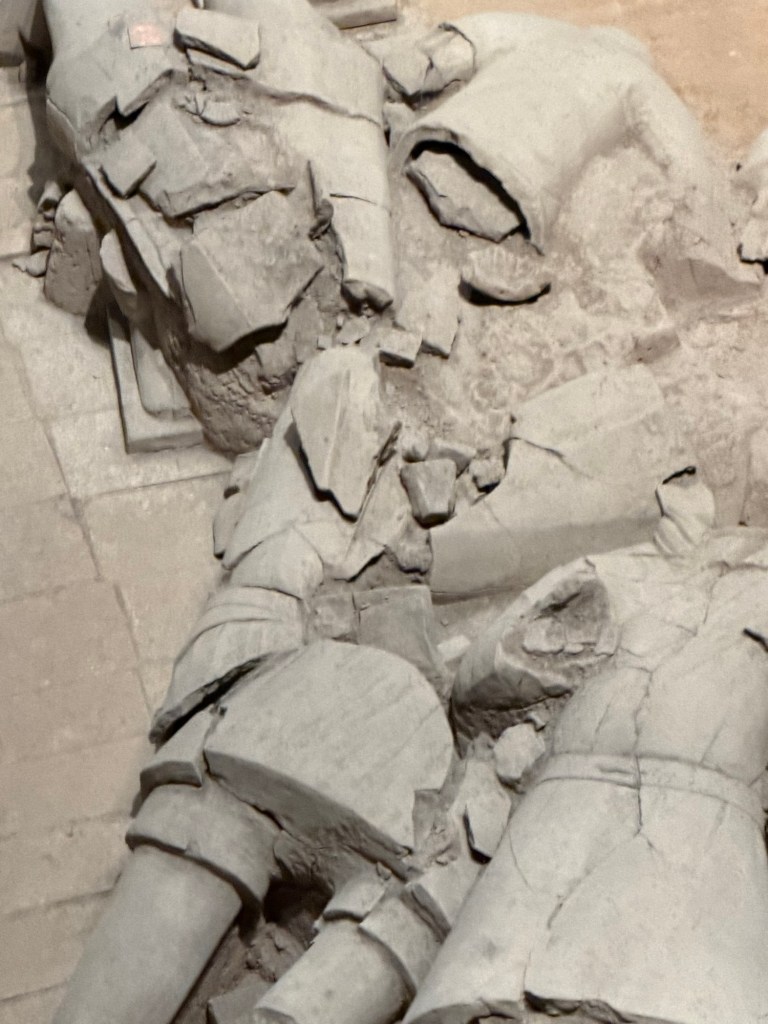
The discovery of the army of warriors was entirely fortuitous. In 1974 local farmers drilling a well uncovered an underground vault that eventually revealed thousands of terracotta soldiers and horses in what appeared to be battle formation. It is still an active excavation site, with an estimated 6000 statues yet to be uncovered.
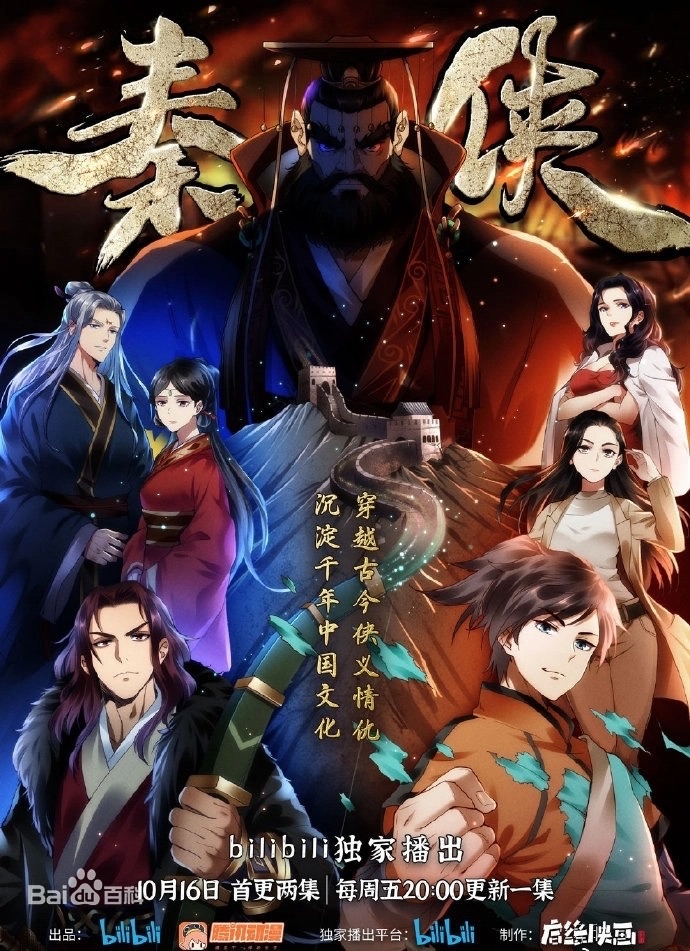
As with Yang Guifei, so is it for the terracotta warriors, with, for example, the t.v. mini-series Qin Xia, featuring a terracotta warrior that comes back to life as a super-hero crime-fighter…
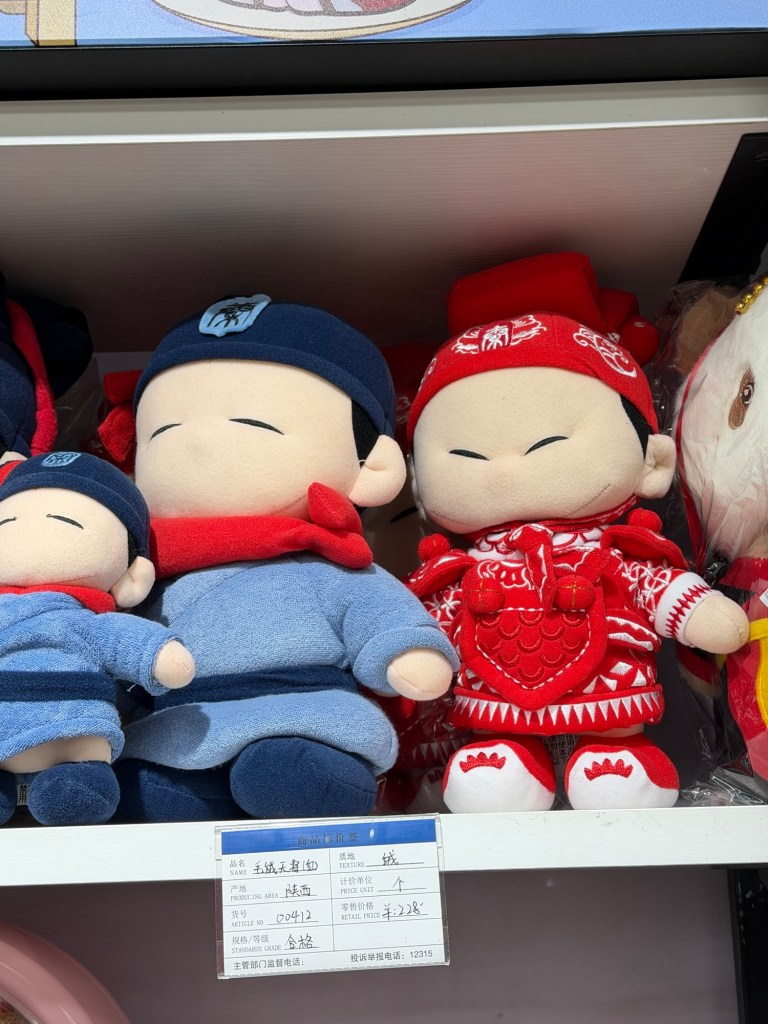
And so, in the tat shop…
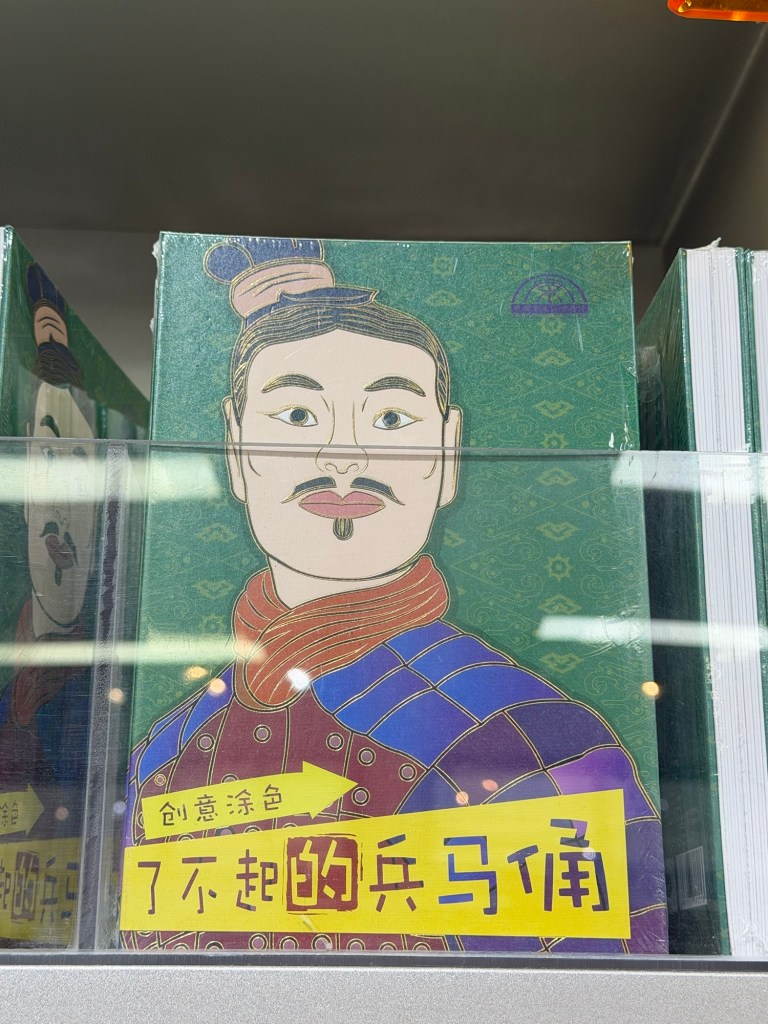
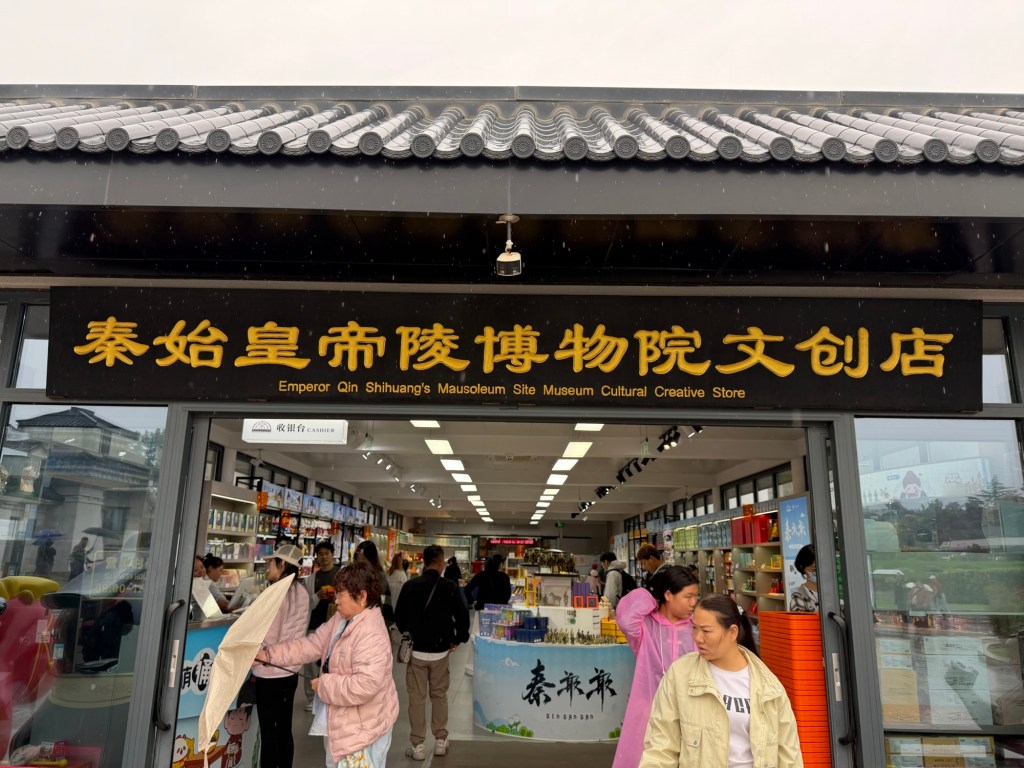
Any one individual’s / state’s / civilisation’s past absolutely does inform its present and its future, so, fair comment and well said…
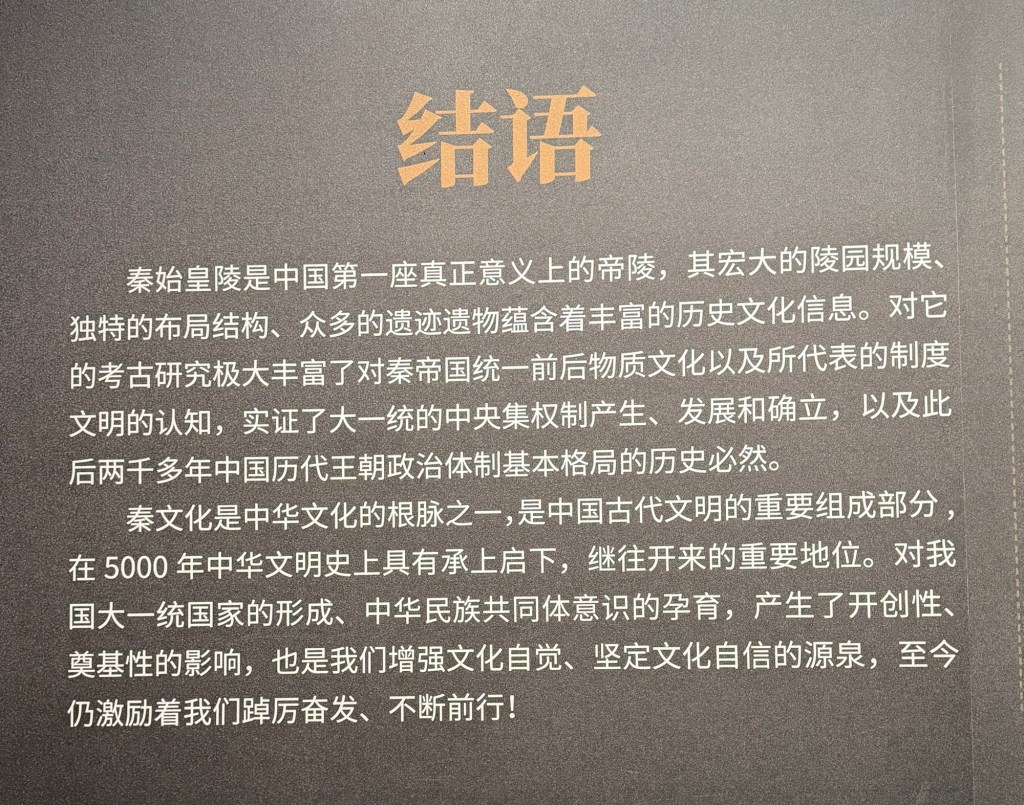
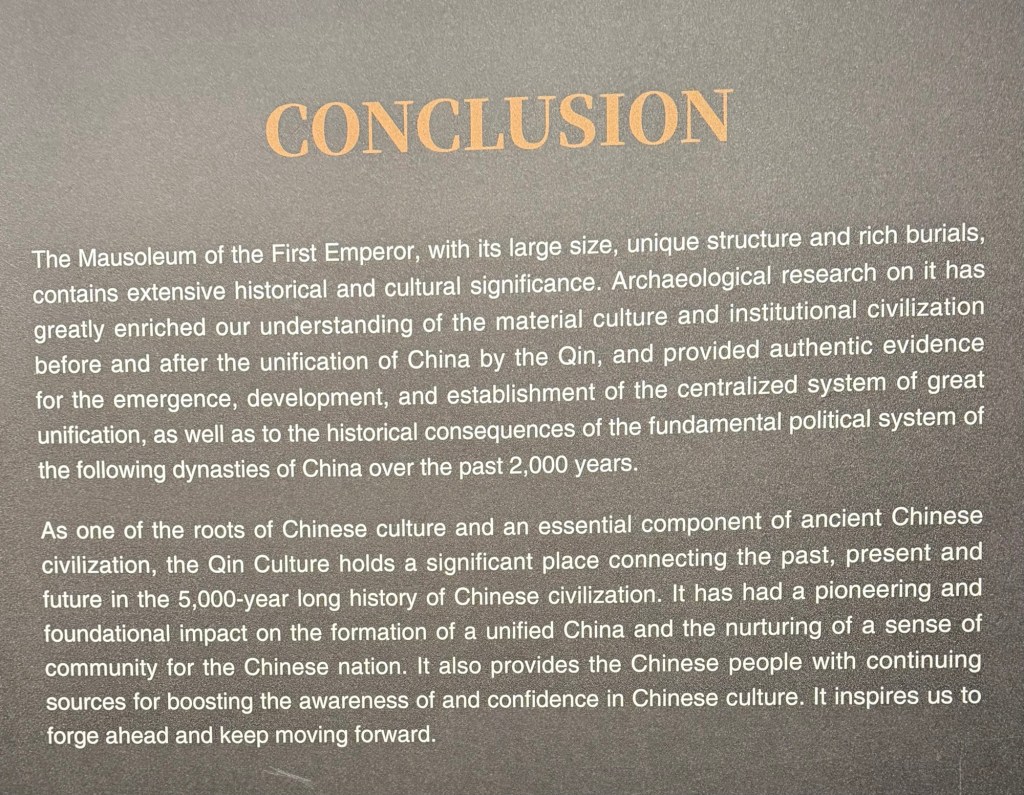
China, you set an example to all the world in the way you honour and value your ancestors, keep forging ahead and keep moving forward! 🇨🇳
End note:
Having waxed lyrical about the wonders of Google translate, here is a cautionary note.
At breakfast, we stood by the pancake stand, where a young man was making himself busy. The culinary offerings in front of him looked more like waffles so we attempted to ask him for something a little less heavy-duty. He called his manager over. Giving up on our fumbled attempts to describe what it was we desired, she pulled out her phone and opened up Google translate. Doing my level best to enunciate, I asked for a crêpe. She asked me to repeat what I said. I did. Looking highly amused, she said, out loud, “I thought you said crap. You want a crap?!” All 3 of us howled! Not big, not clever, but perfectly illustrates my point, no?


Leave a Reply