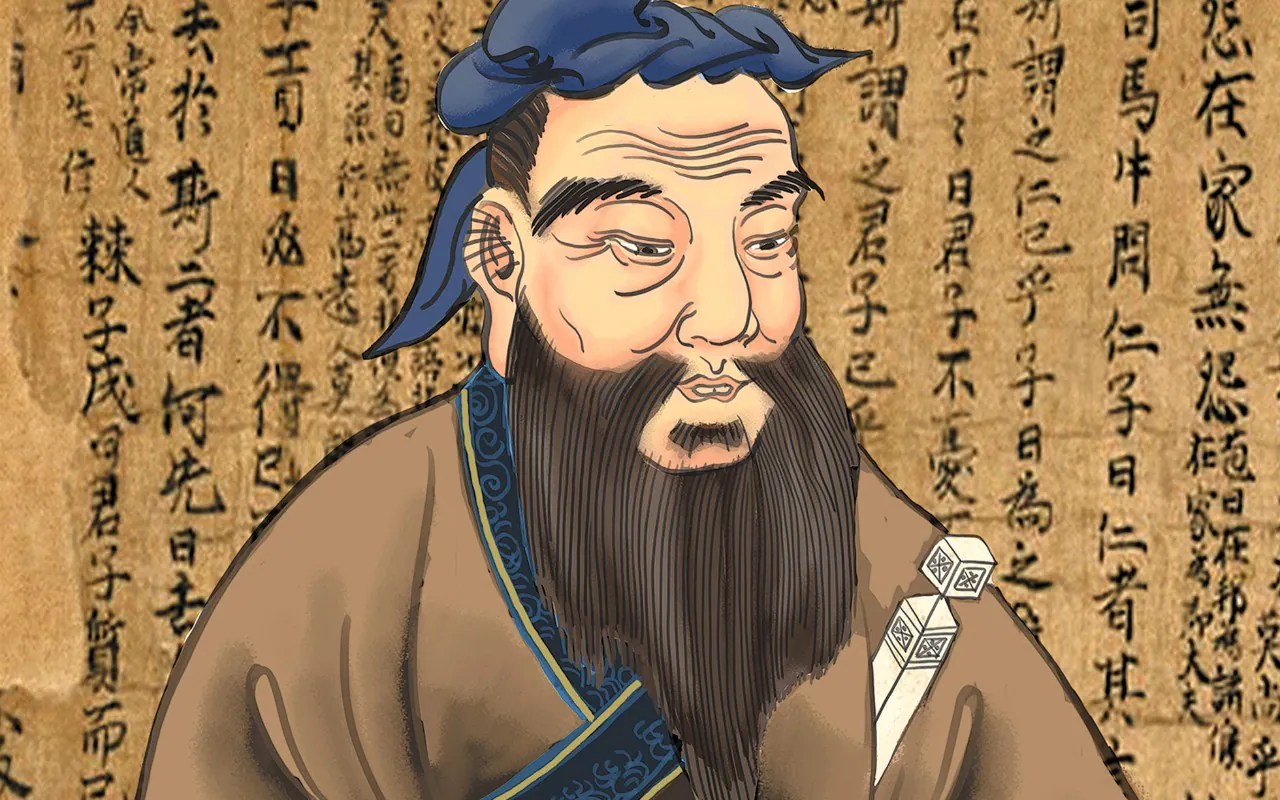

Proper noun: the Chinese city Shanghai (上海)
Verb: to trick, drug, or force someone into doing something against their will, or to seize someone by force. Modern usage – “I was shanghaied into the housework.” a.k.a. “dobbied”

In Chinese 上海 literally translates:
上 (Shàng): means ‘up’, ‘above’, ‘top’
海 (Hǎi): means ‘sea’, ‘ocean’
Before moving on, one final note on Xi’an. Something we had taken an interest in from our hotel window was Xi’an People’s City Stadium (西安市人民体育场)
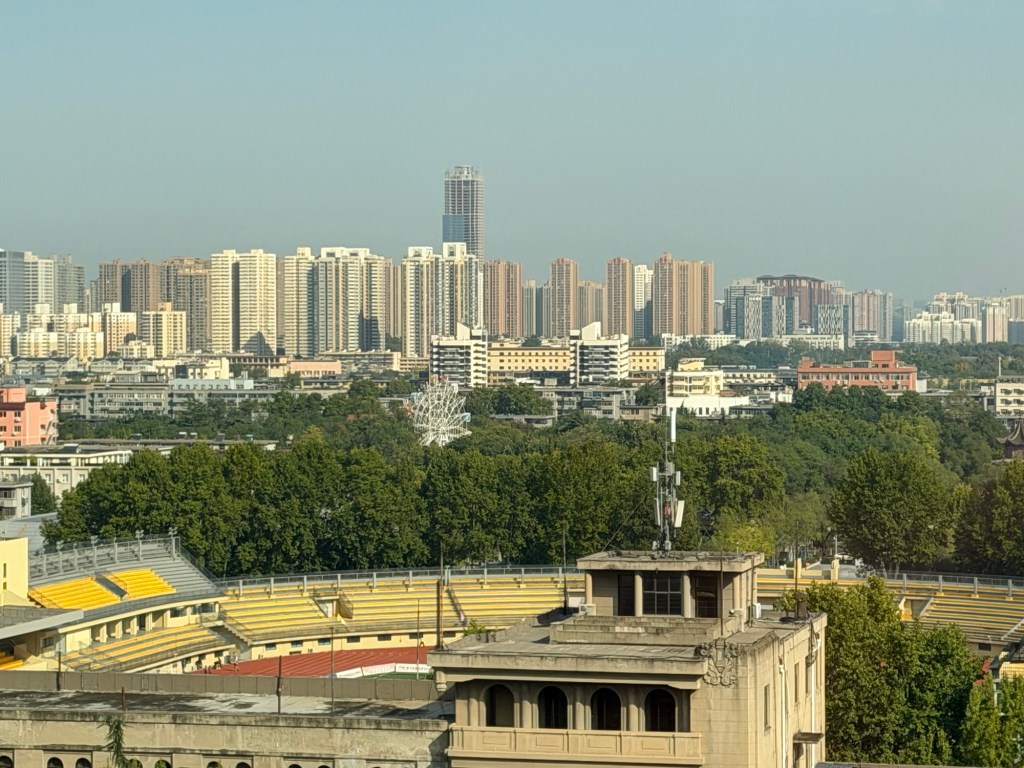
Curious, it being well-lit, last night, our final night in Xi’an, we wandered over to take a look. What we experienced was an absolute delight, for it genuinely is a people’s stadium…
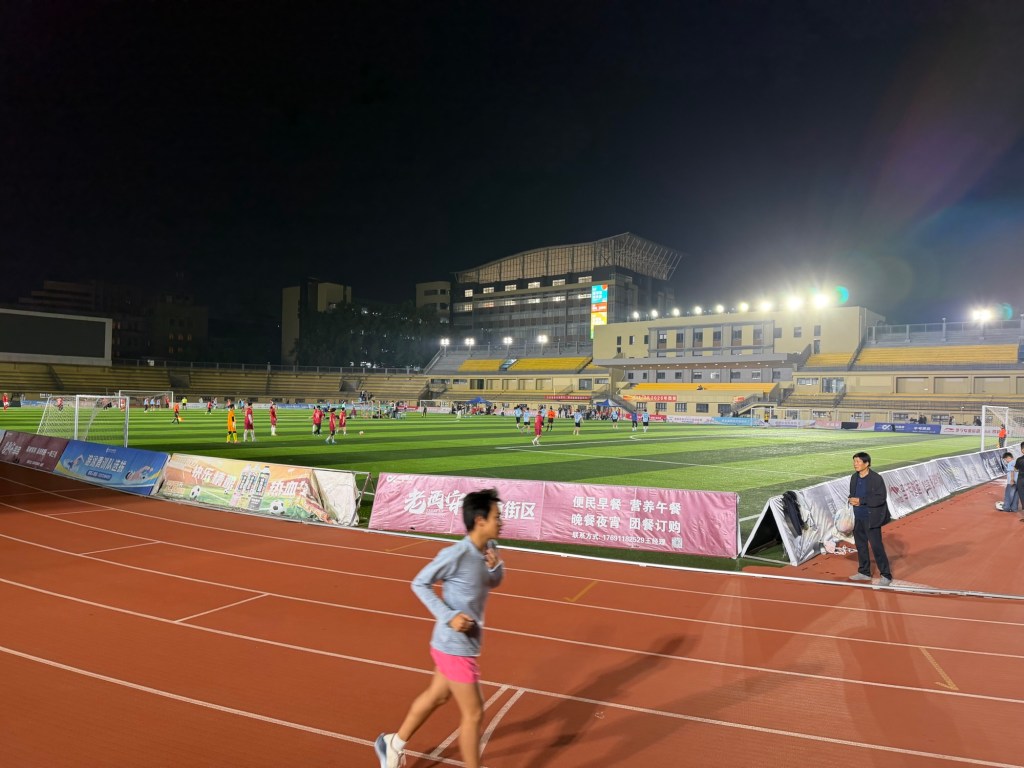
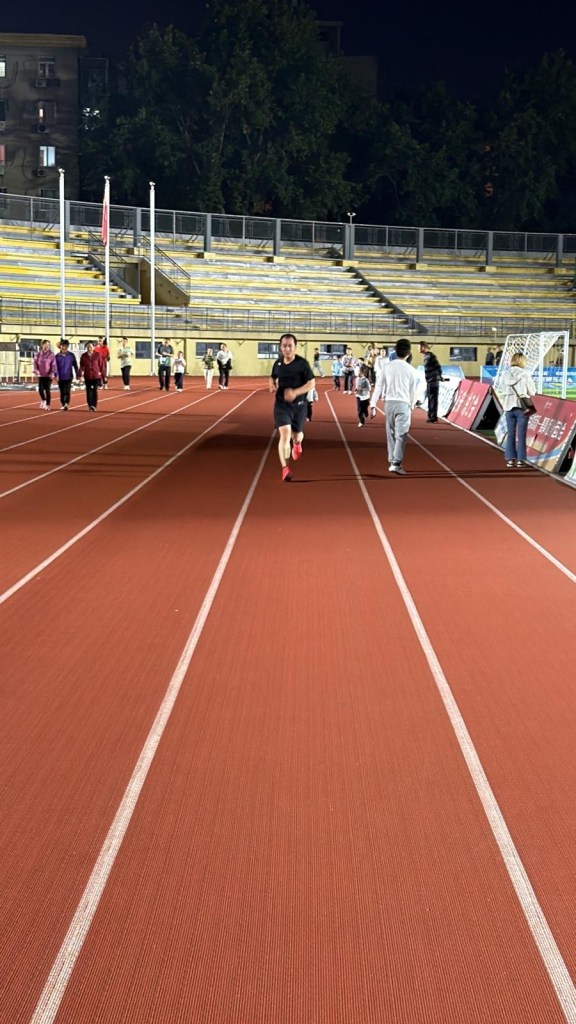
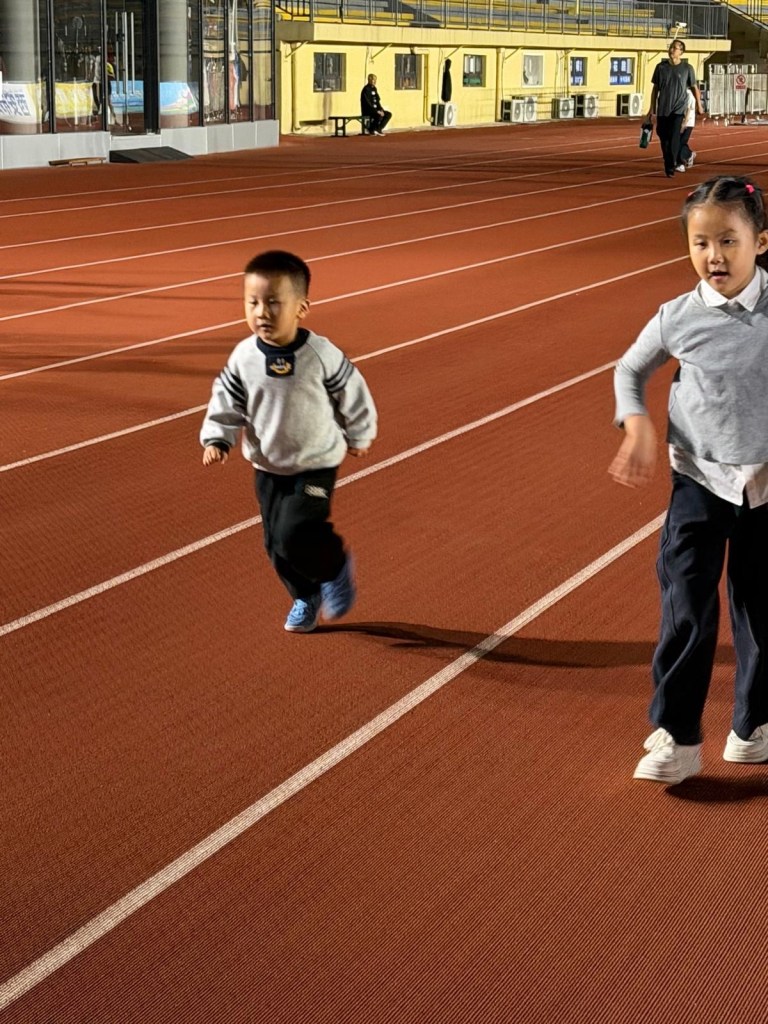
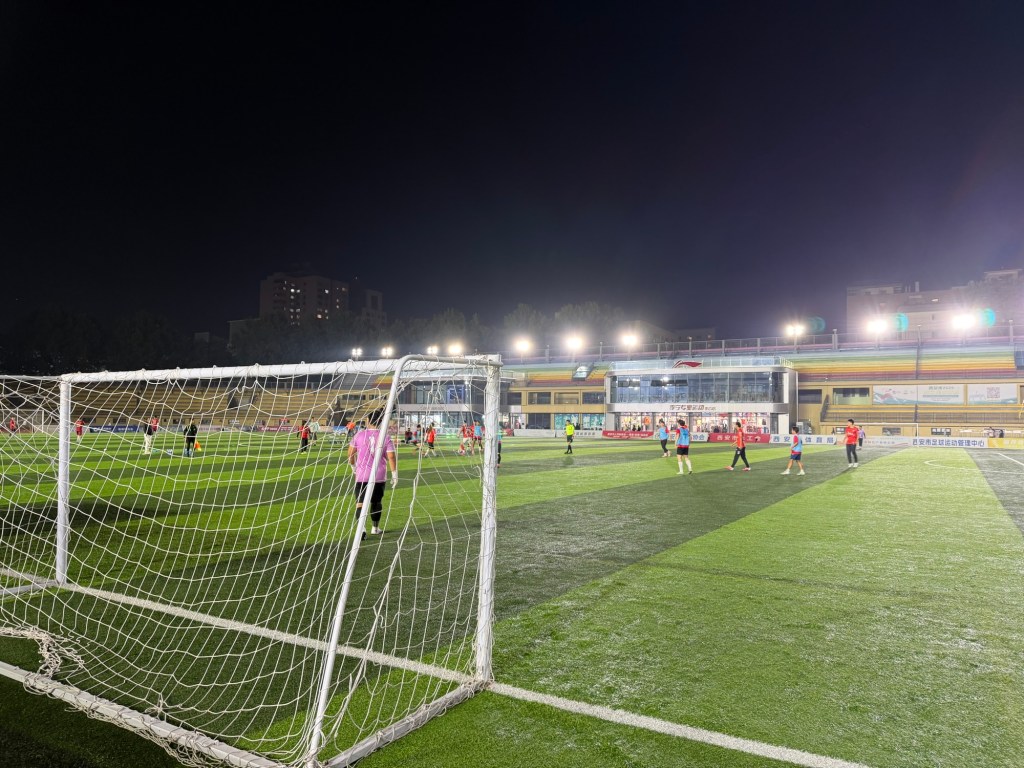
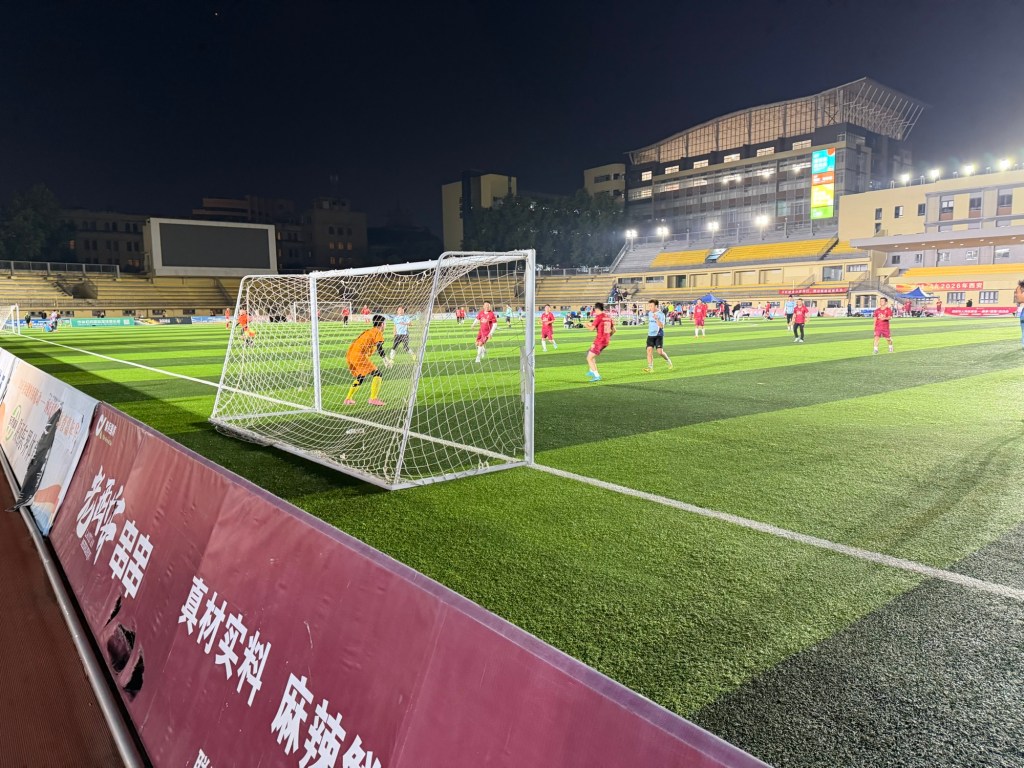
You just walk in through one of the many entrances and join in. Well, circle the track, that is. The boys playing footy seemed well organised and very committed – we didn’t ask for a game.
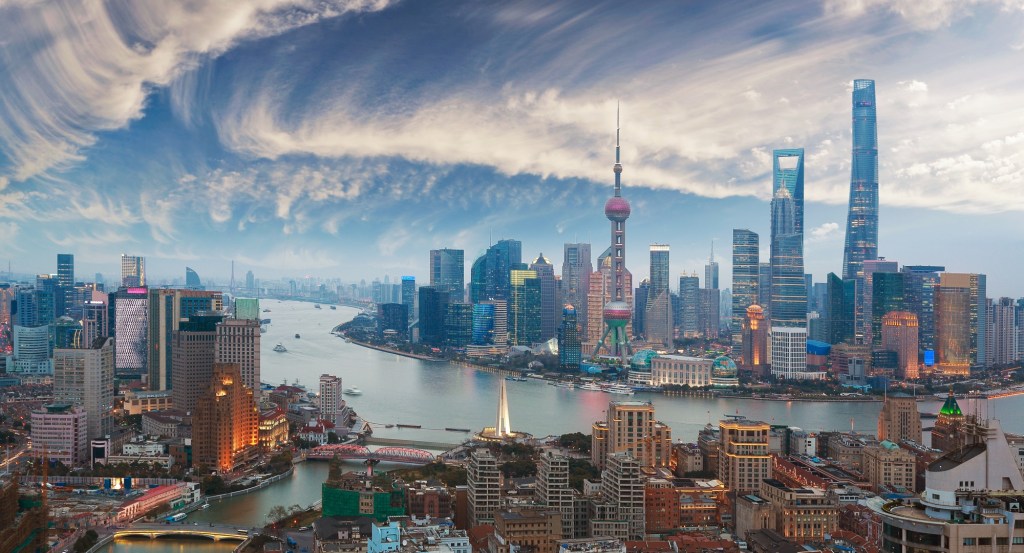
So, from the distinctly Socialist vibe offered by the People’s Stadium, on to China’s primary capitalist and financial engine, Shanghai; the busiest port city in the world.
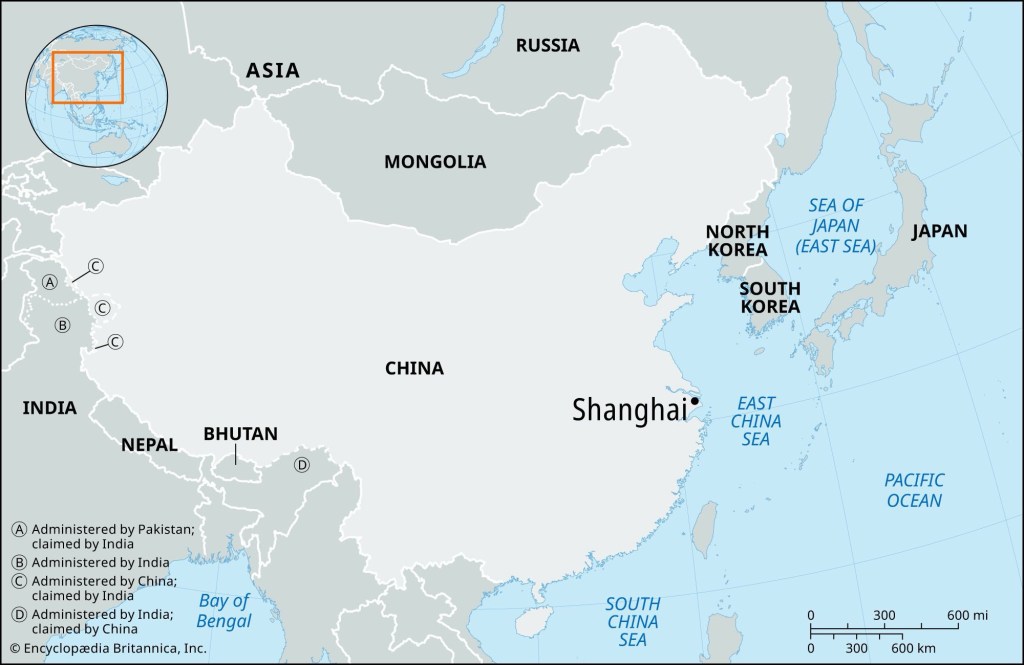
The city is located on the coast of the East China Sea between the mouth of the Yangtze River (Chang Jiang) to the north and the bay of Hangzhou to the south. Shanghai was one of the first Chinese ports to be opened to Western trade.
Following a humiliating defeat by Great Britain in the first Opium War (1839-42), the Chinese surrendered Shanghai and signed the Treaty of Nanjing, which opened the city to unrestricted foreign trade. The British, French, and Americans took possession of designated areas of the city, within which they were granted special rights and privileges. Sound familiar?!
Beginning in the late 20th century, Shanghai transformed itself into China’s most advanced city and became the centre of the country’s economic life. Massive construction projects were undertaken, especially in the Pudong area, where its many new towering skyscrapers reshaped the city’s skyline. We had chosen Pudong as our base so we approached Shanghai expecting something quite different to Xi’an, and Beijing before that.
The Port of Shanghai is the world’s busiest container port. It handled over 55 million TEUs (Twenty-foot equivalent units) in 2025, thus maintaining first-ranking for the 16th consecutive year.
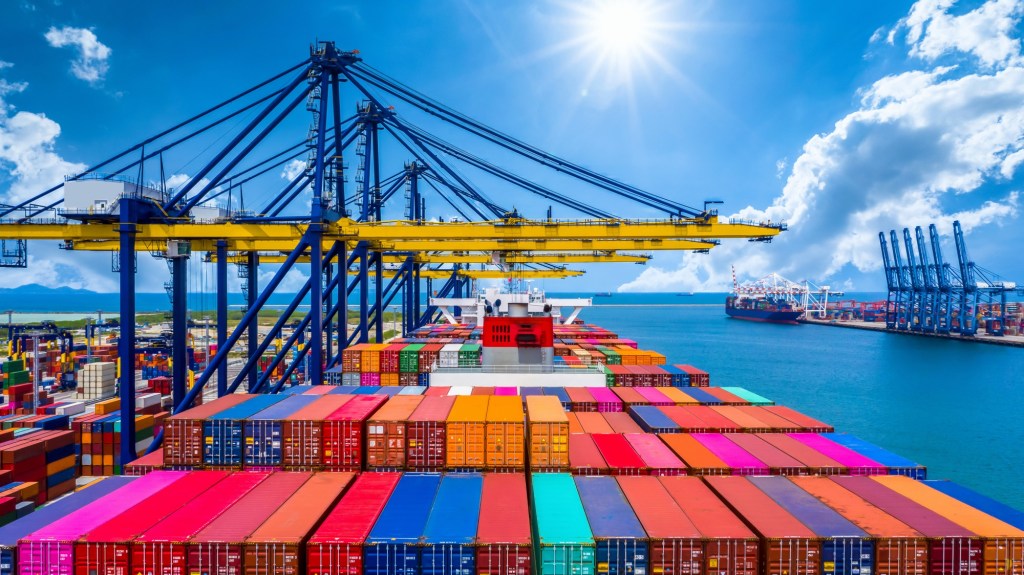
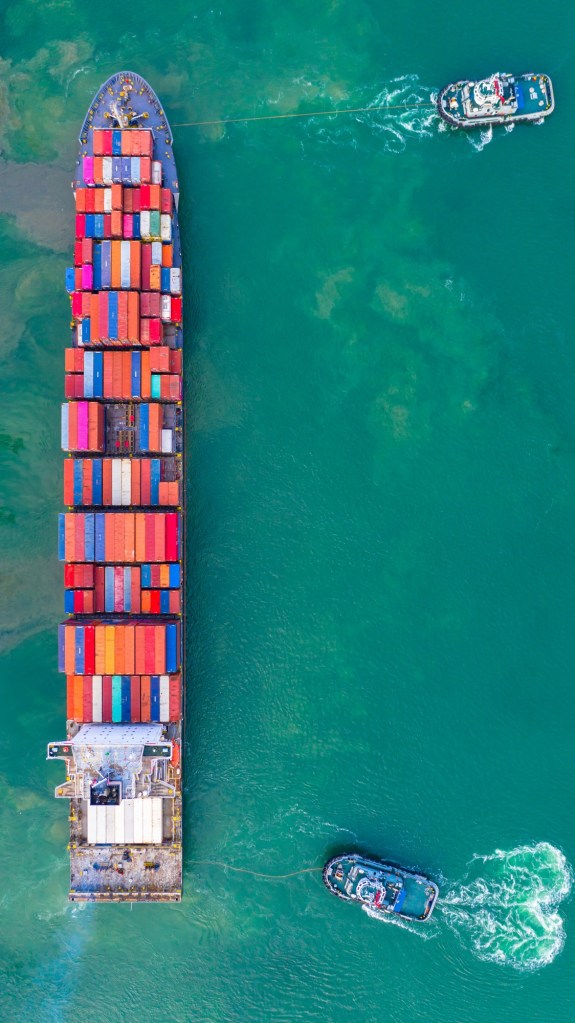
By comparison, the Port of Teesside handled 315,000 TEUs in the same year (2025). Teesport ranks 6th in the UK, 257th in the world.
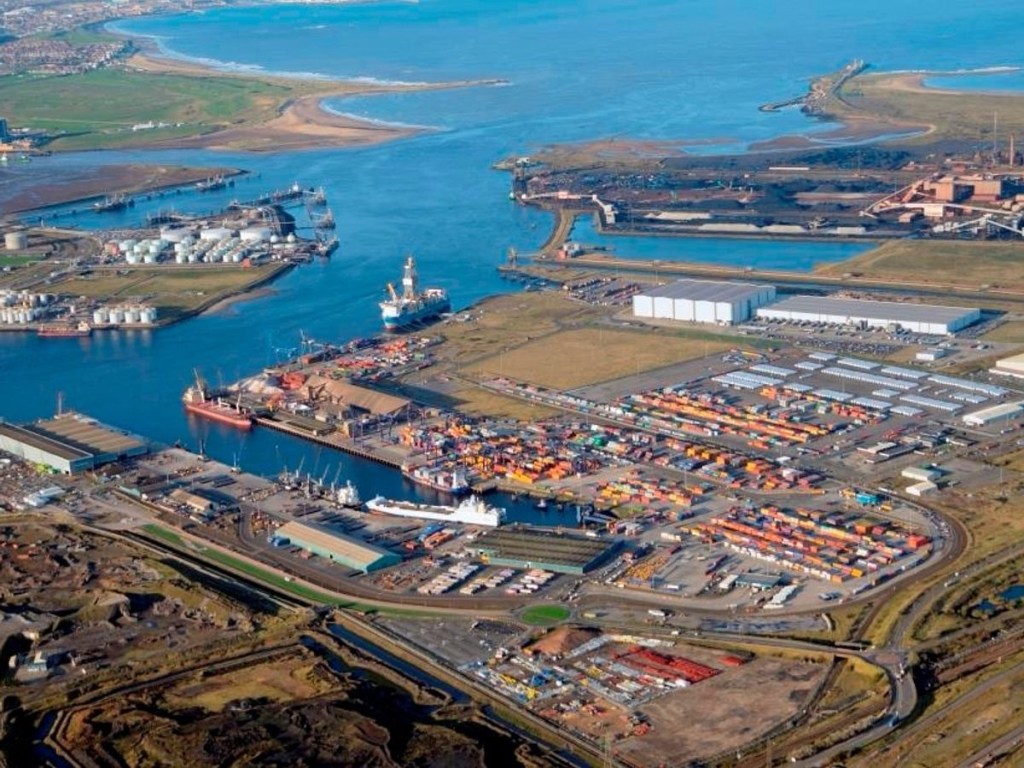
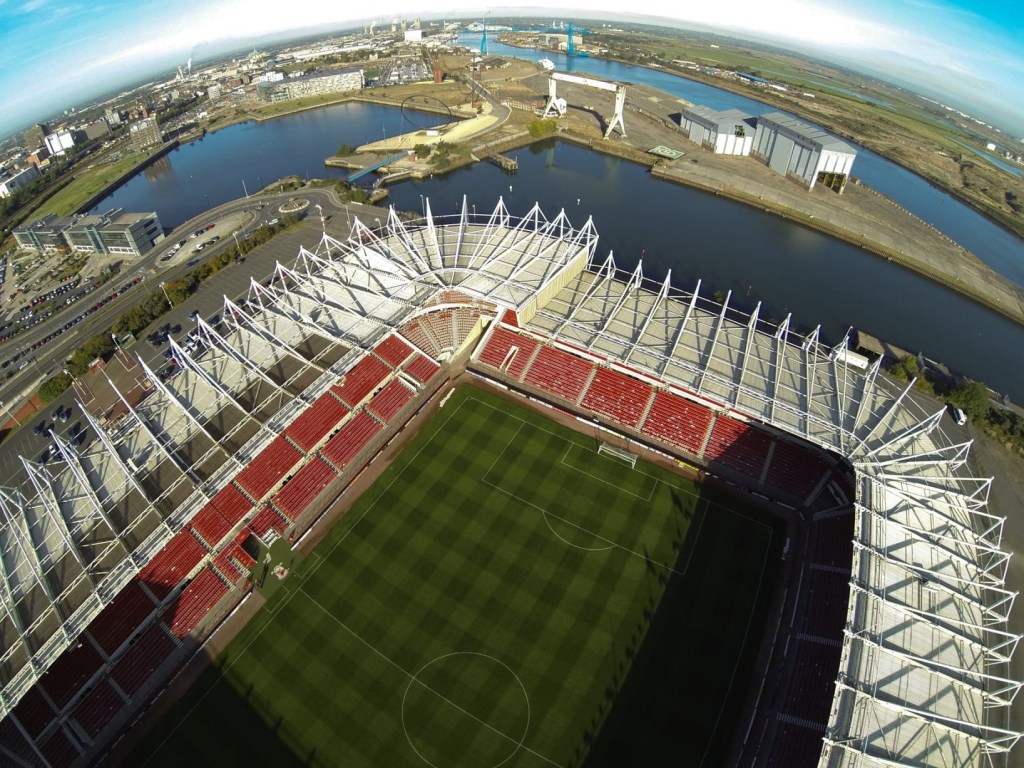
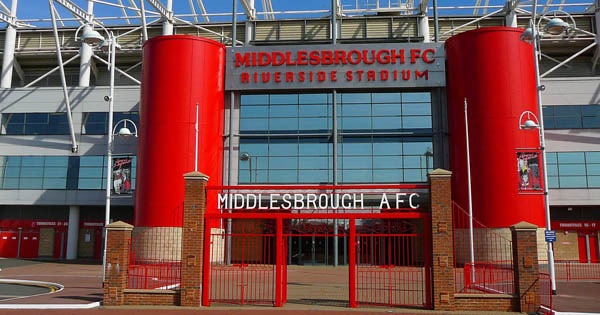
Also the home of Teesside’s very own Mecca, the Riverside Stadium (#UTB)
Back to Xi’an North Station it was then…
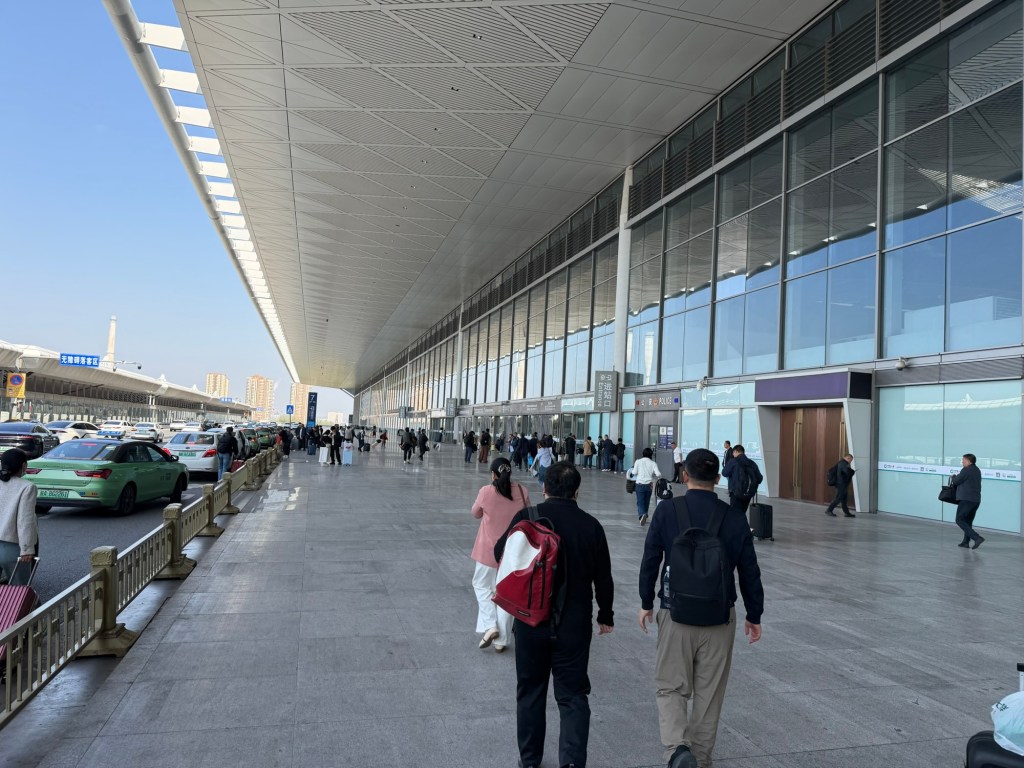
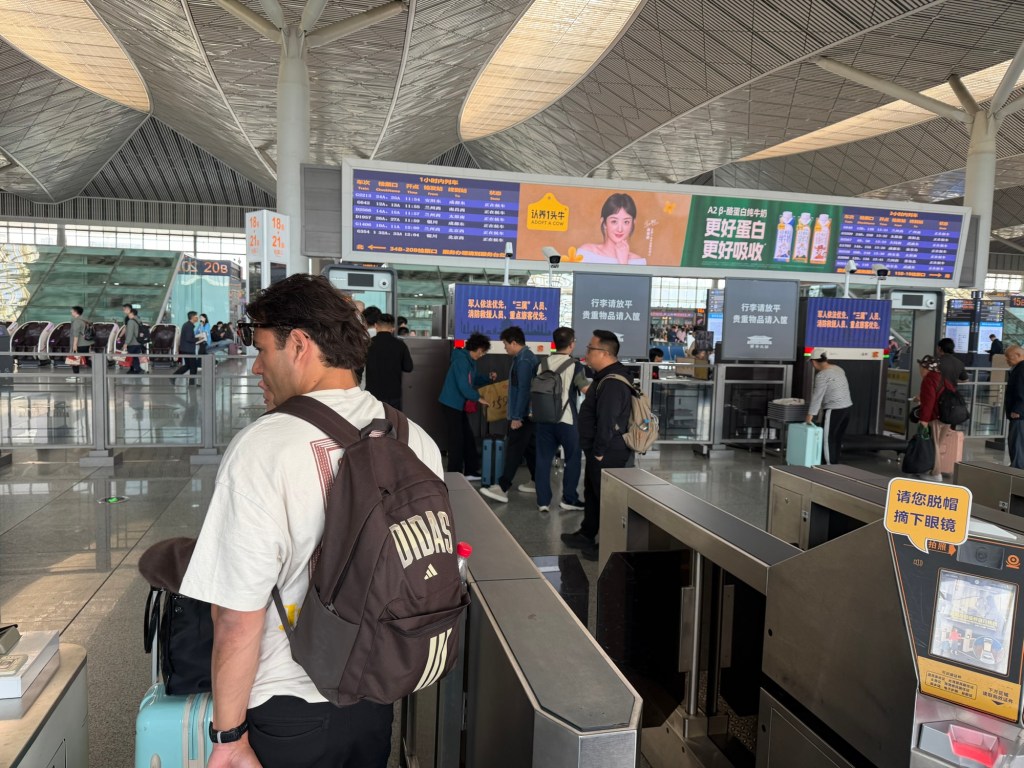
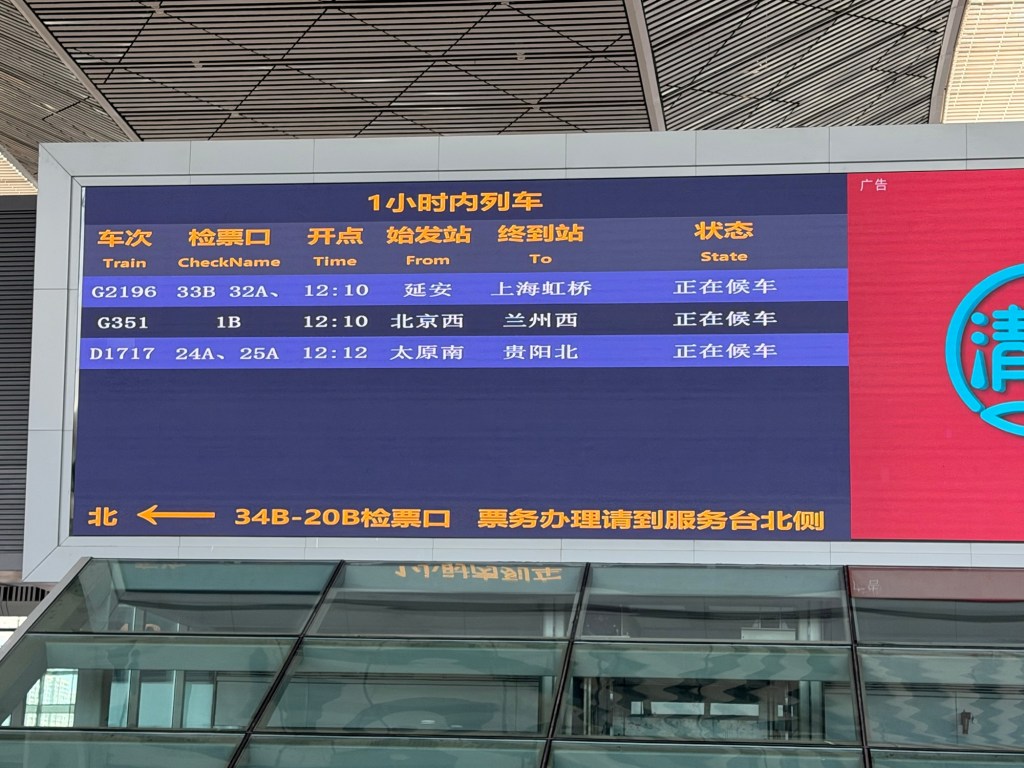
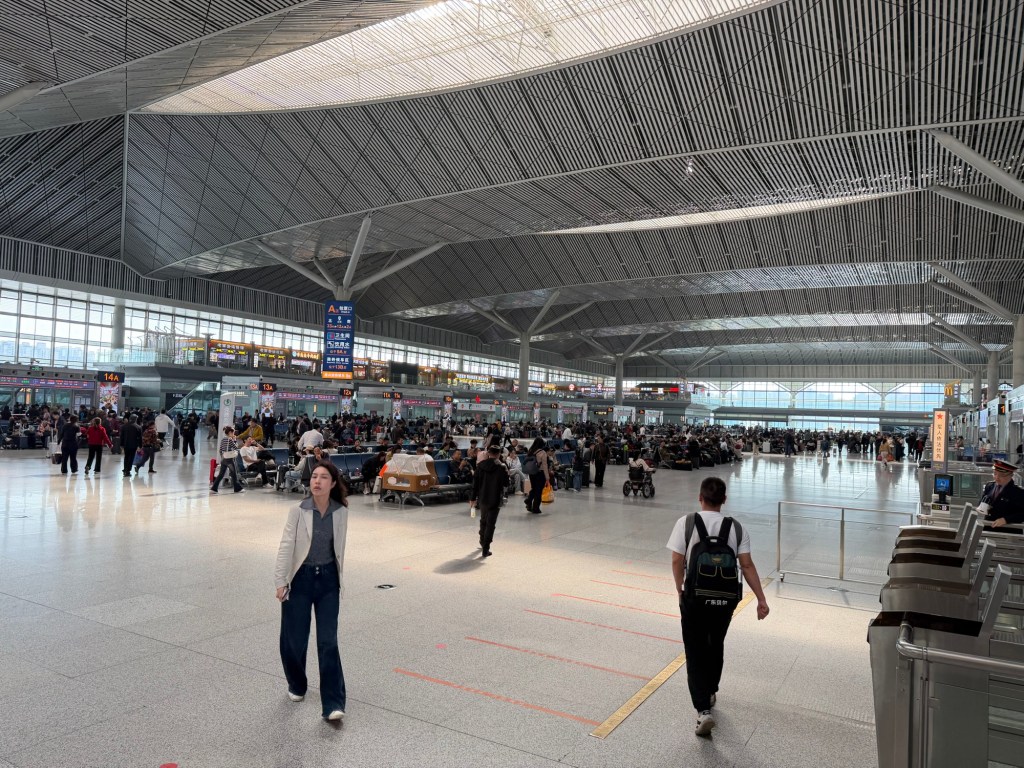
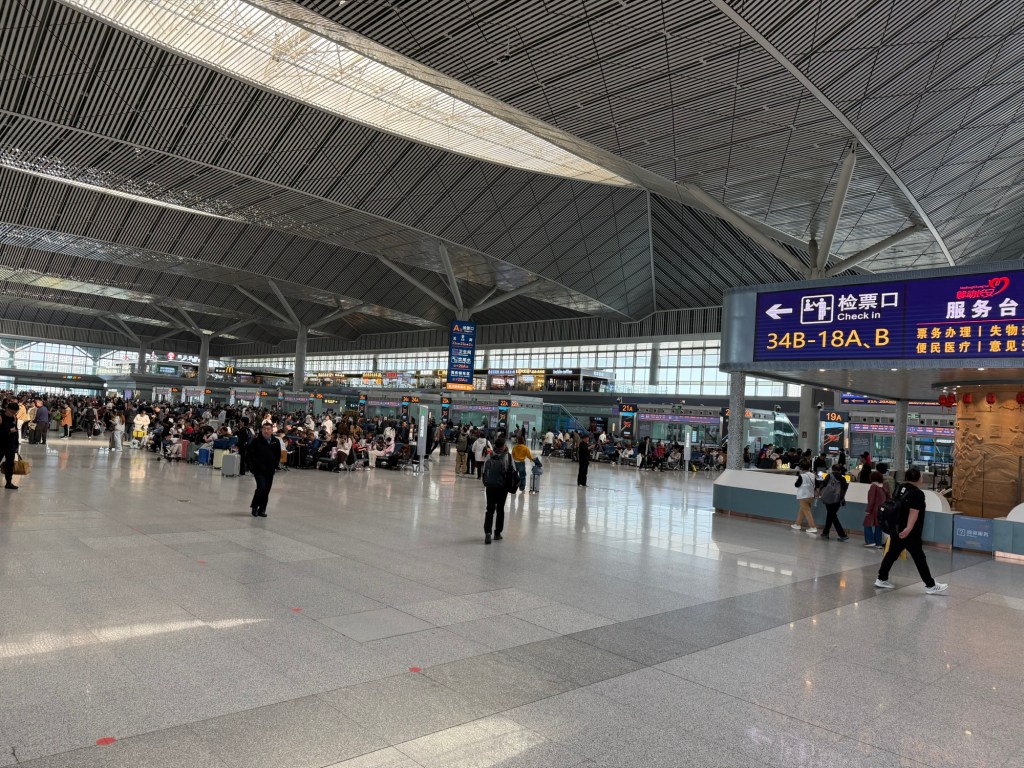
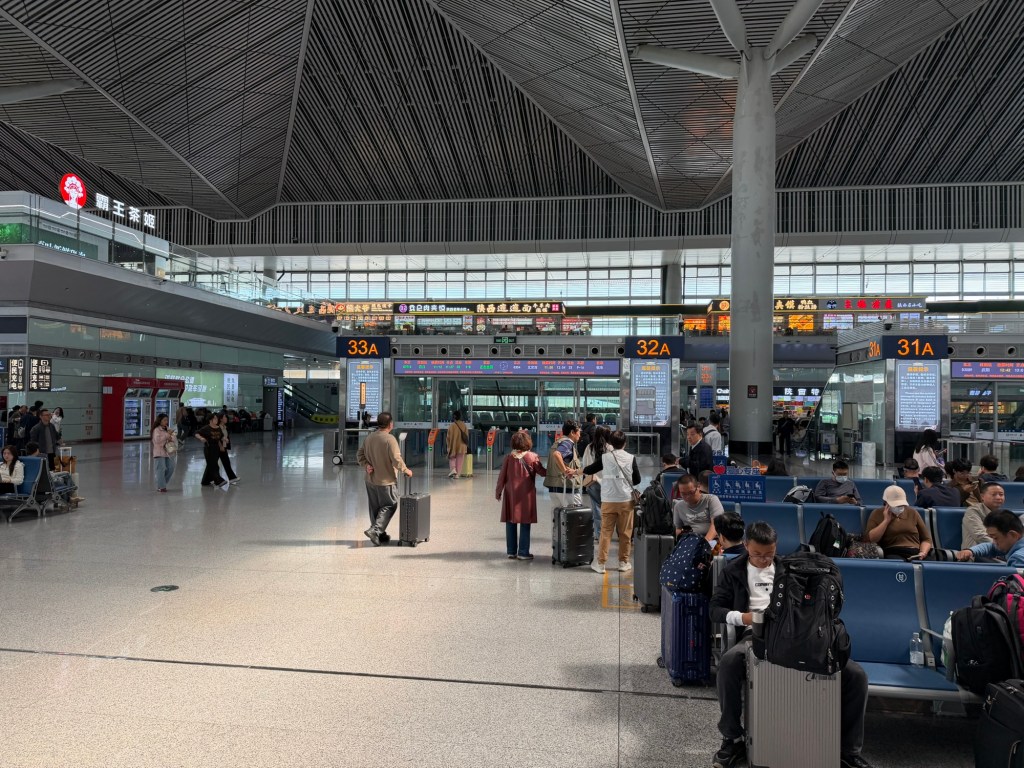
This leg of our journey on China Railways bullet train G2196 takes us 1509km (938 miles) in 7hrs 5mins. About the time it takes to travel 215 miles from Darlington to London on a ‘train’ (commonly ‘train replacement service’) in England, on a Sunday, if you are lucky!
The Pudong District lies directly east across the Huangpu from the central business district of Puxi. It was founded in 1870 as one of the earliest industrial areas; it was once notorious as the city’s most extensive and worst slum. More recent redevelopment has seen it become home to some of the tallest buildings in the world: the 88-storey Jin Mao Tower (completed 1999), the 101-storey Shanghai World Financial Centre (completed 2008), and the 128-storey Shanghai Tower (completed 2015).
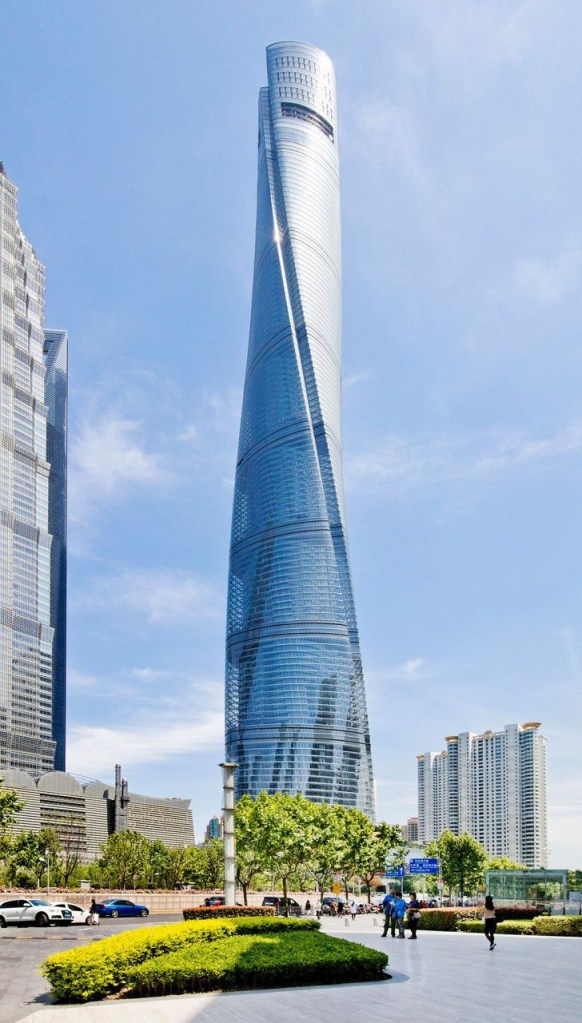
The Shanghai Tower is the second-tallest building in the world, with an architectural height of 632m. The structure is made up of nine cylindrical buildings stacked on top of each other.
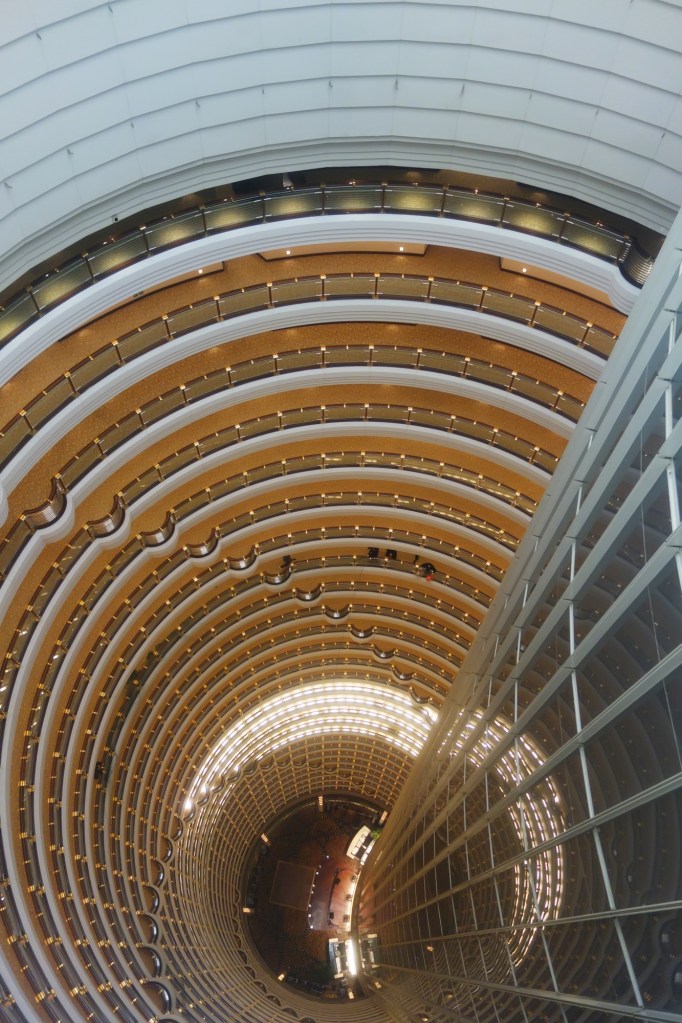
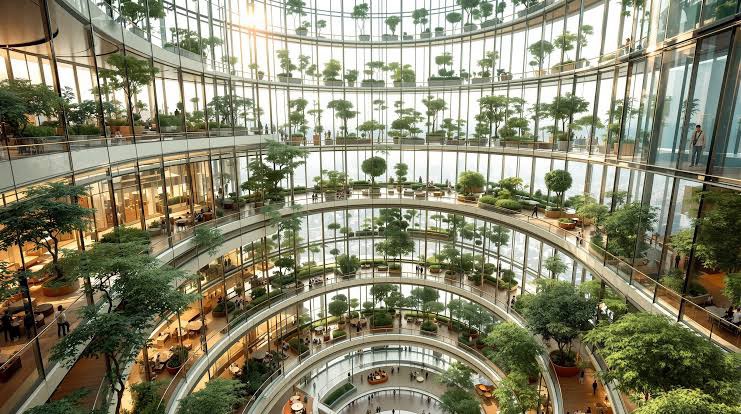
Each of the nine indoor zones have panoramic views of the city with their own gardens, cafes and shops.
As well as being home to one of the world’s highest restaurants, the building also has one of the world’s highest swimming pools. Part of the 258-room Four Seasons hotel, the pool-with-a-view is on the 84th floor, 393m (1,289ft) above ground.
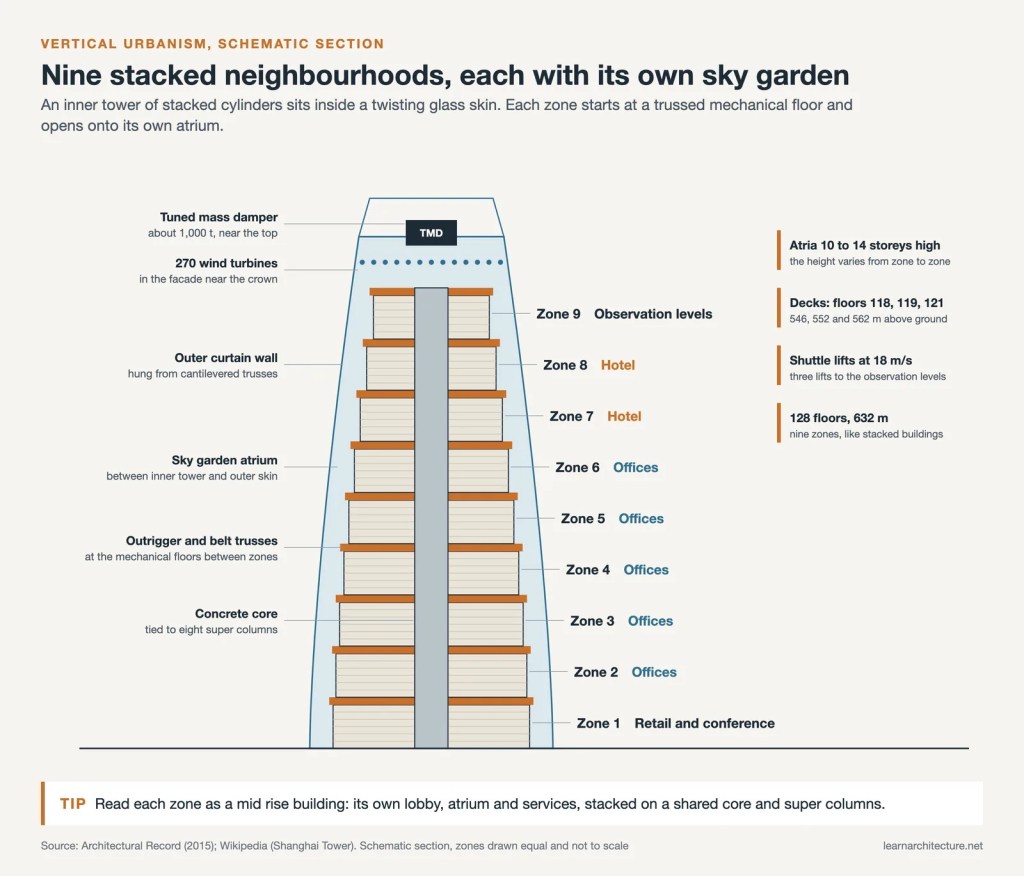
Engineers created the Shanghai Tower to be one of the most sustainably advanced tall buildings in the world. The structure’s second transparent glass skin is a key part of its ‘green design’. The second skin wraps around the entire building and helps conserve energy by modulating the temperature between the inner and outer layers – warming up cool air in winter and dissipating heat in the summer.
The structure’s green-first approach saw engineers develop systems for the building to collect rainwater for internal use.
270 vertical wind turbines were installed near the top of the structure. These are expected to provide 10% of the building’s electricity.
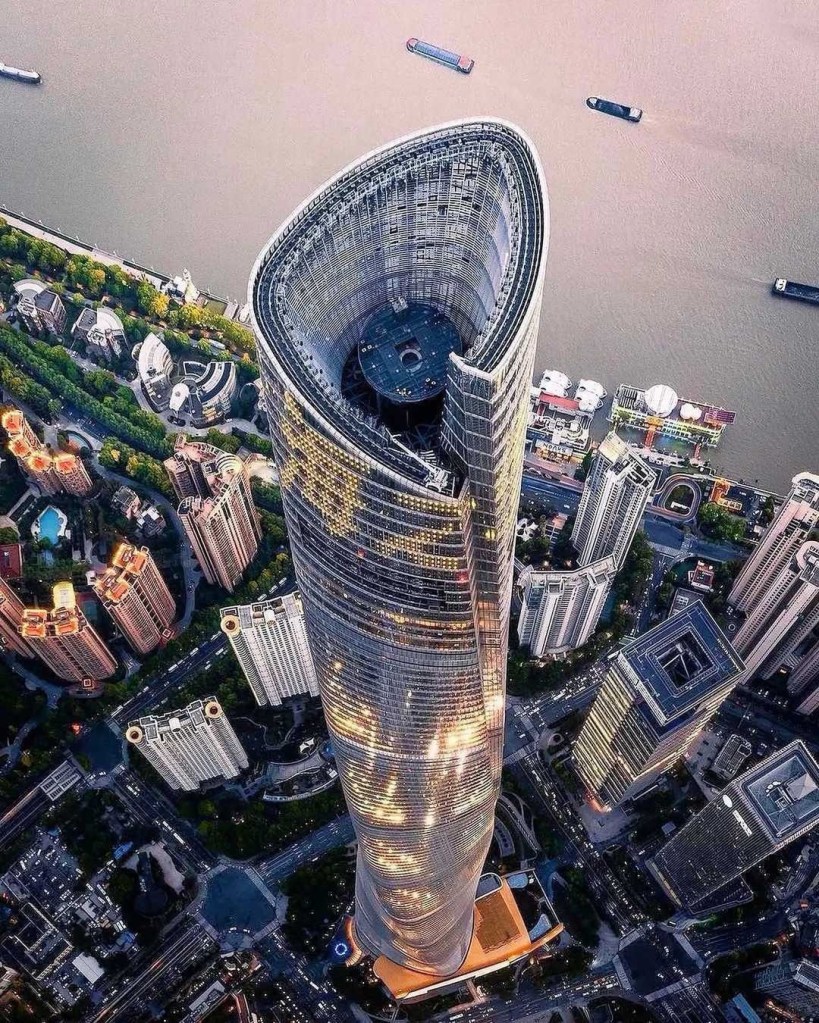
As we sat on our train, looking forward to exploring Shanghai over the next few days, we decided that there is only one way to start that adventure. Tomorrow, before breakfast, Shanghai Tower…
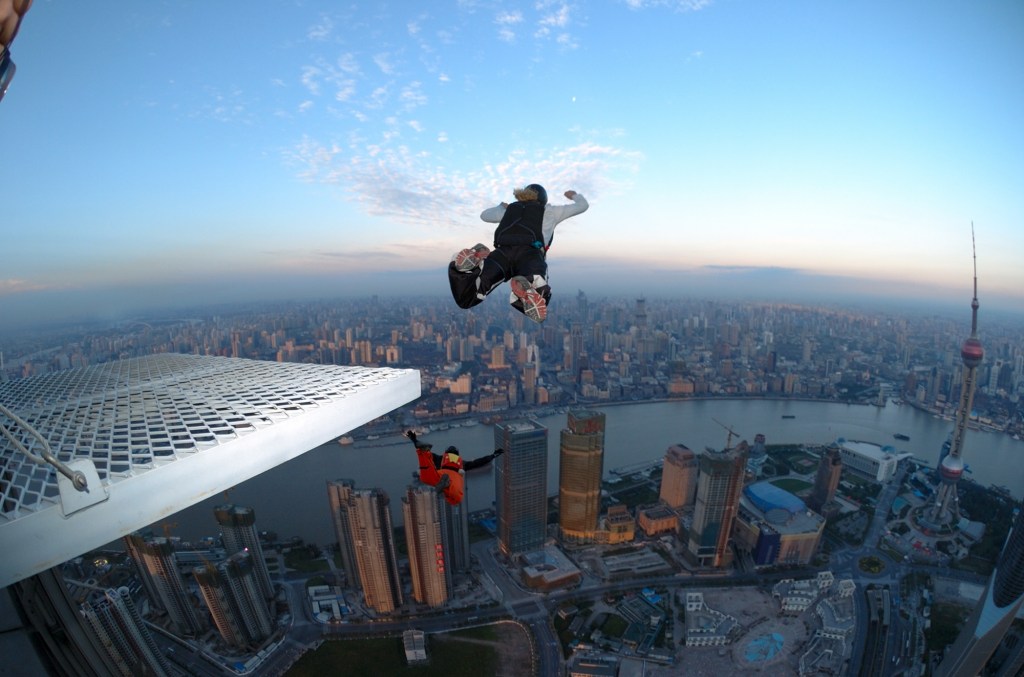
Bring it on!
Meanwhile, 5 minutes to go…
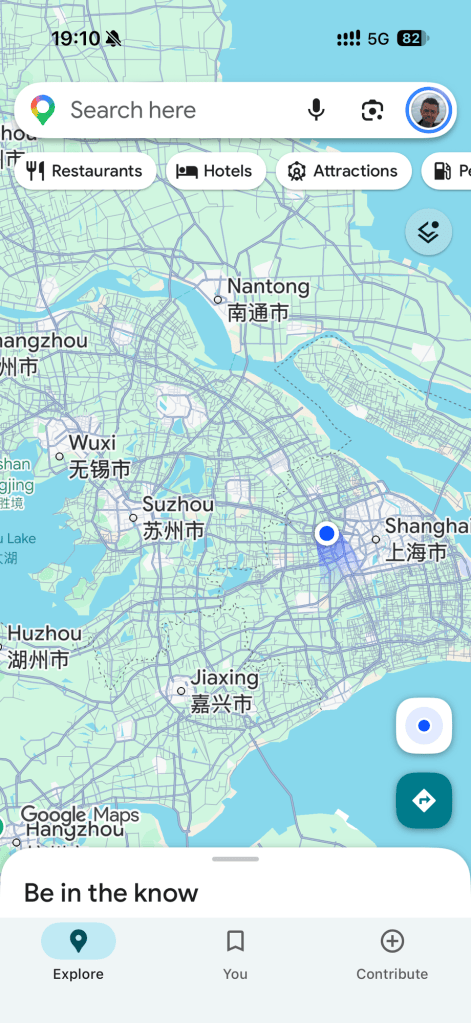
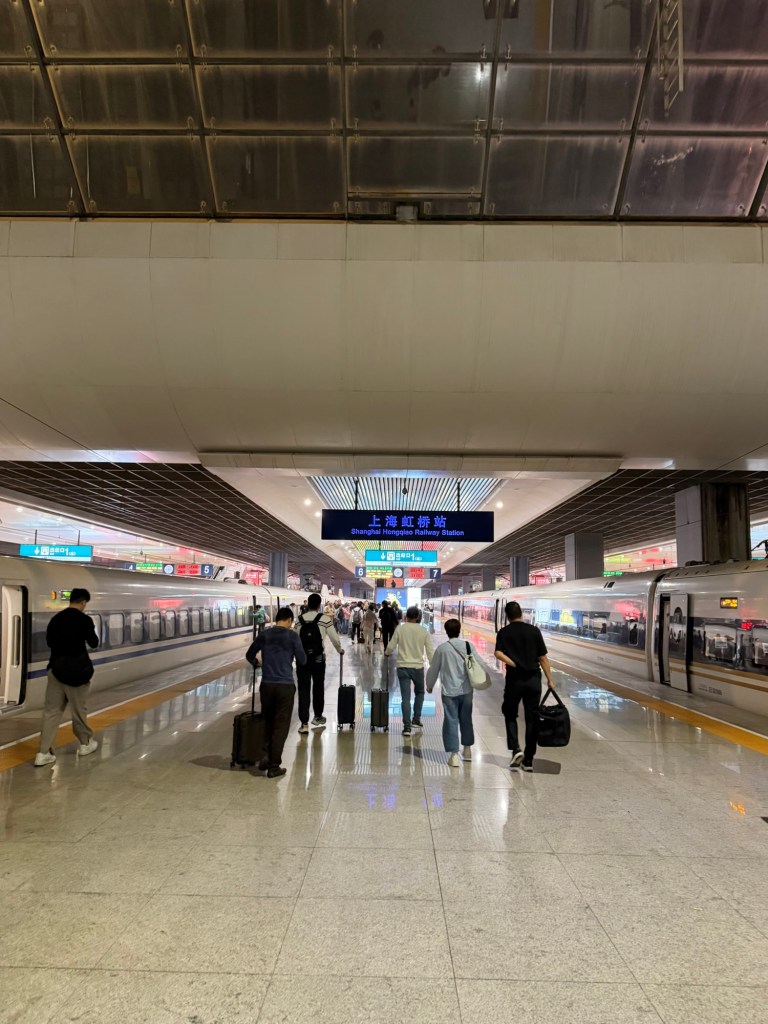
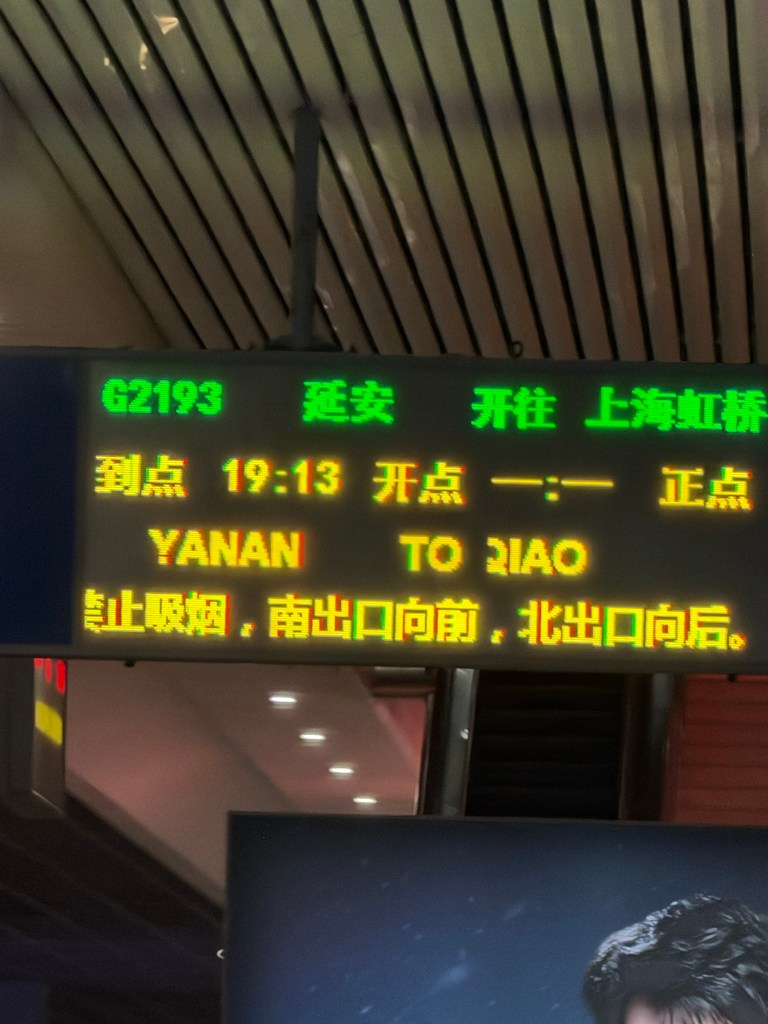
The clock above was actually 2 minutes slow; we arrived 19:15, bang on time! Japan can do it. China can do it. Where did we go wrong?
Previous China daily blog posts – click here


Leave a Reply