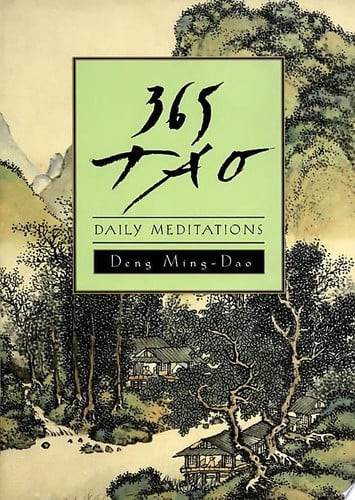
Something we brought with us on this journey was Deng Ming-Dao’s daily meditation guide. Essentially, it explores Taoist philosophy, with a guide on how to harmonise with the natural flow of the universe through contemplative practices; this very much being something we want to get better at.
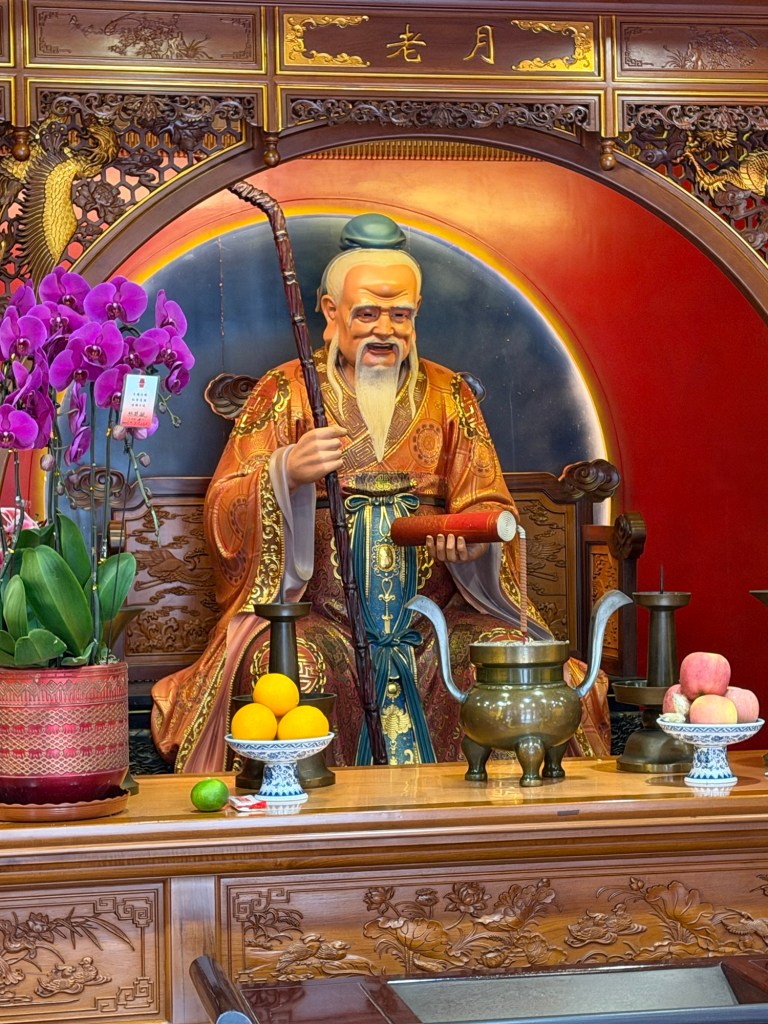
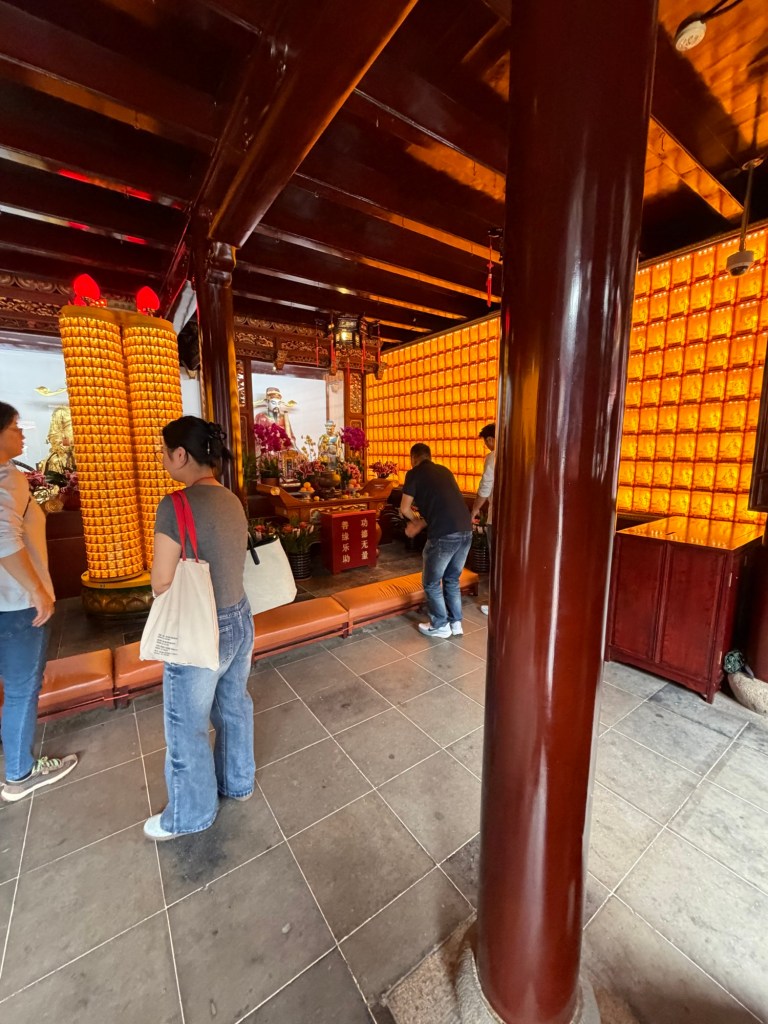
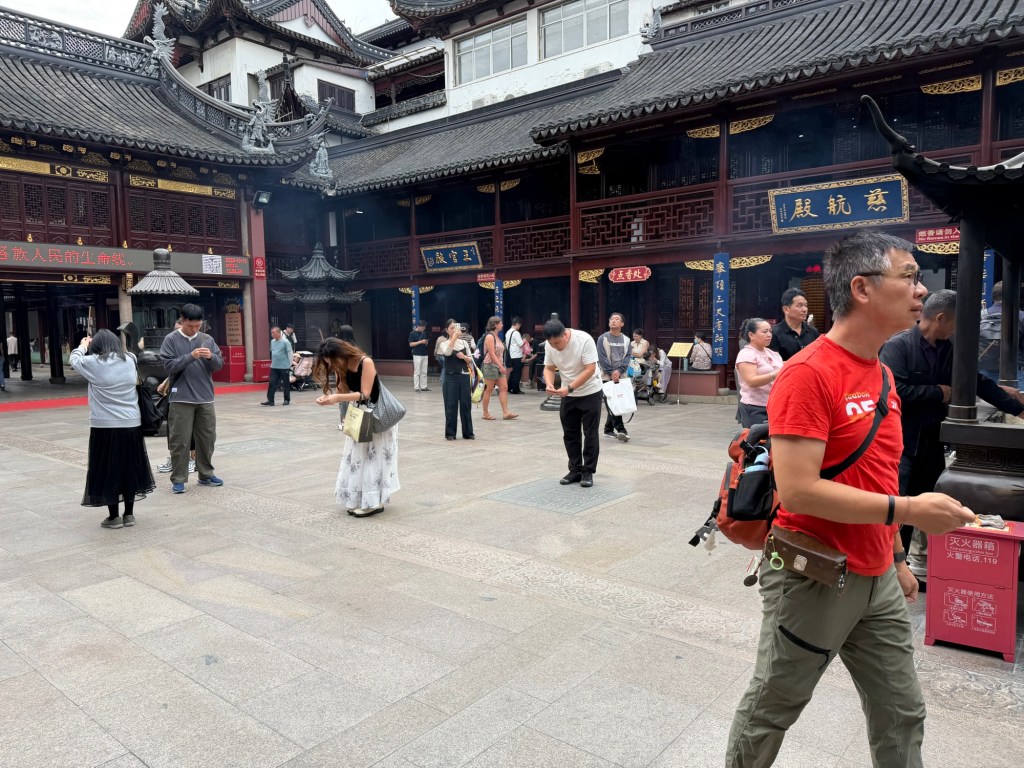
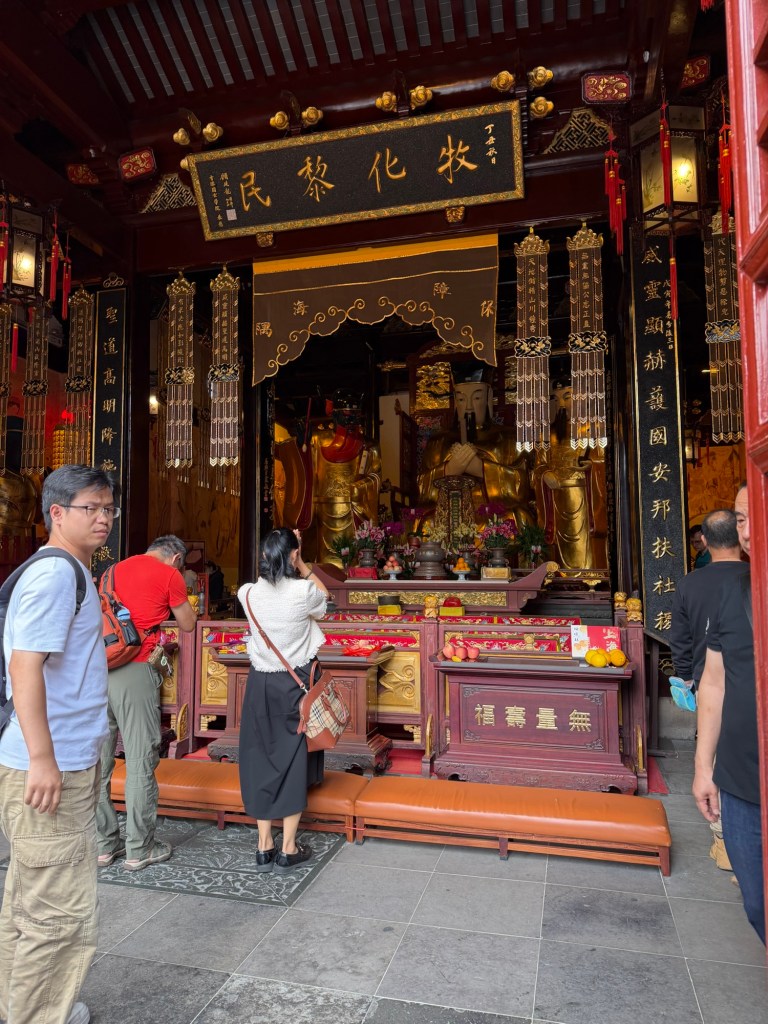
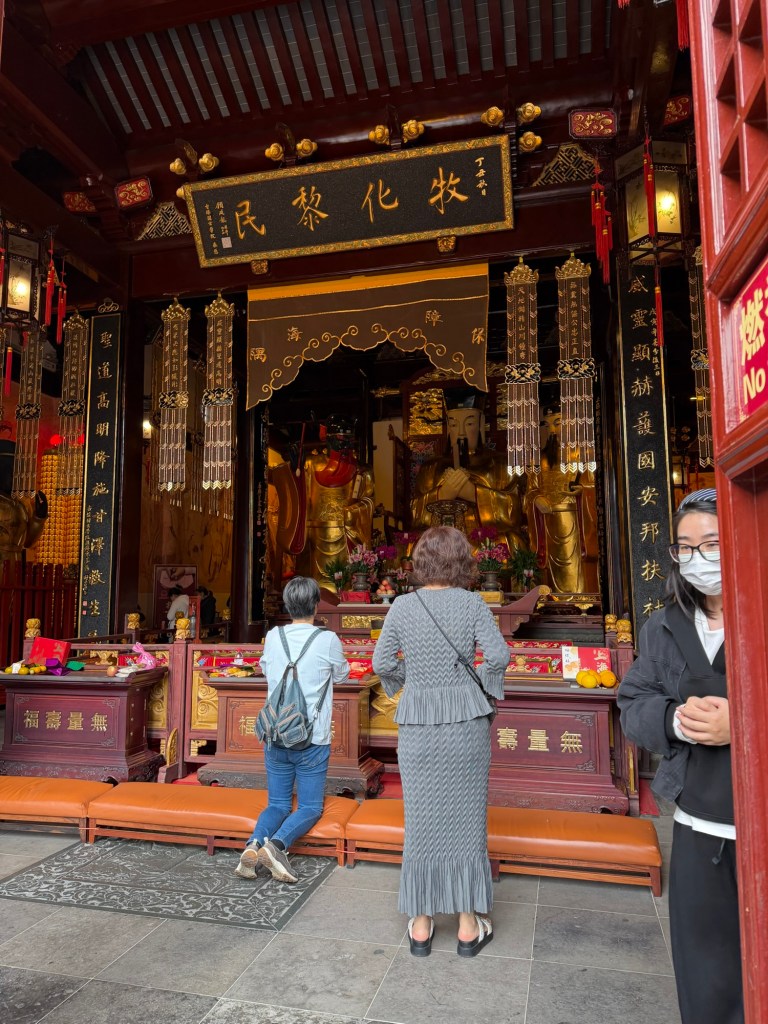
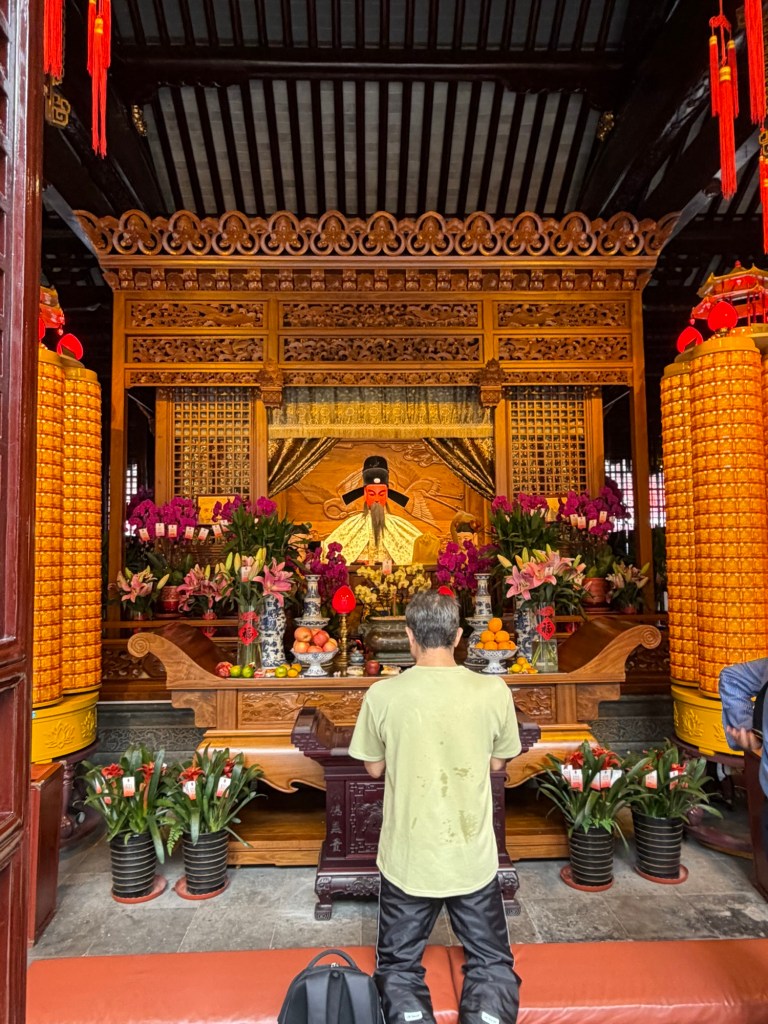
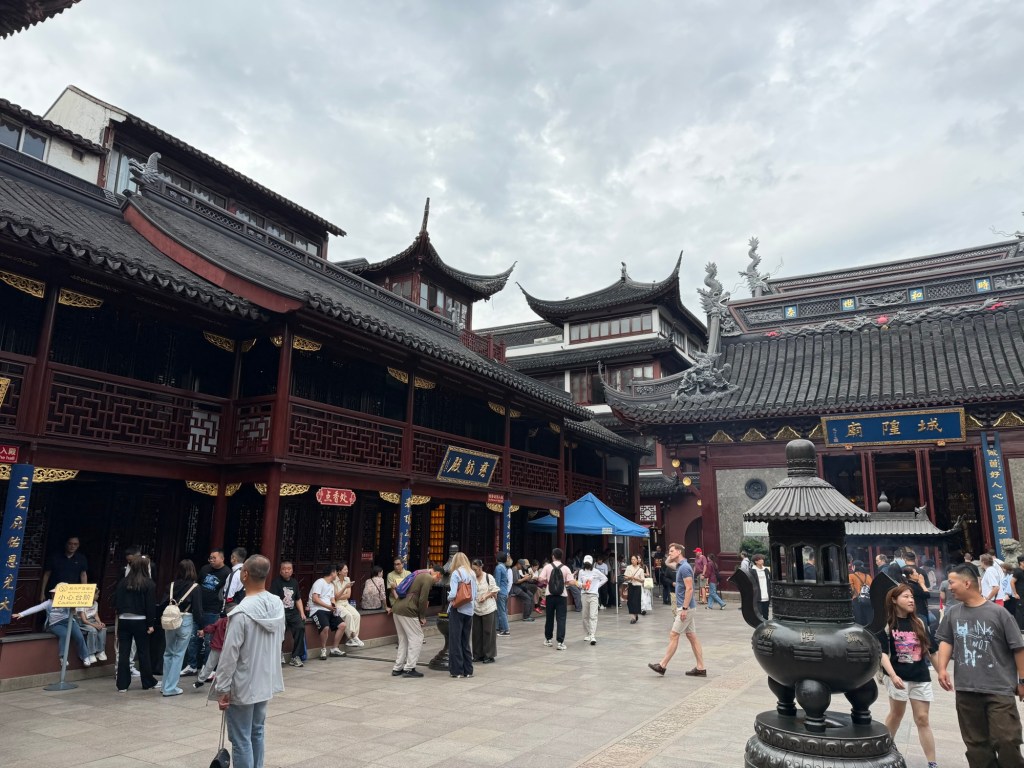
So, first stop today was the Taoist temple near Yuyuan Park.
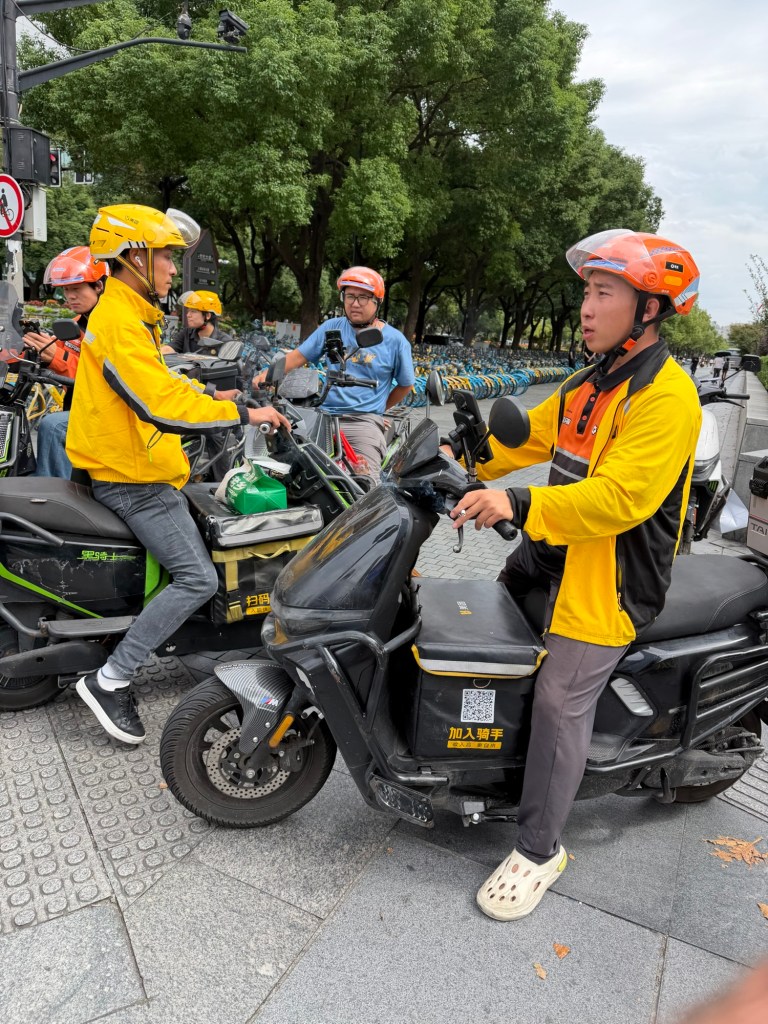
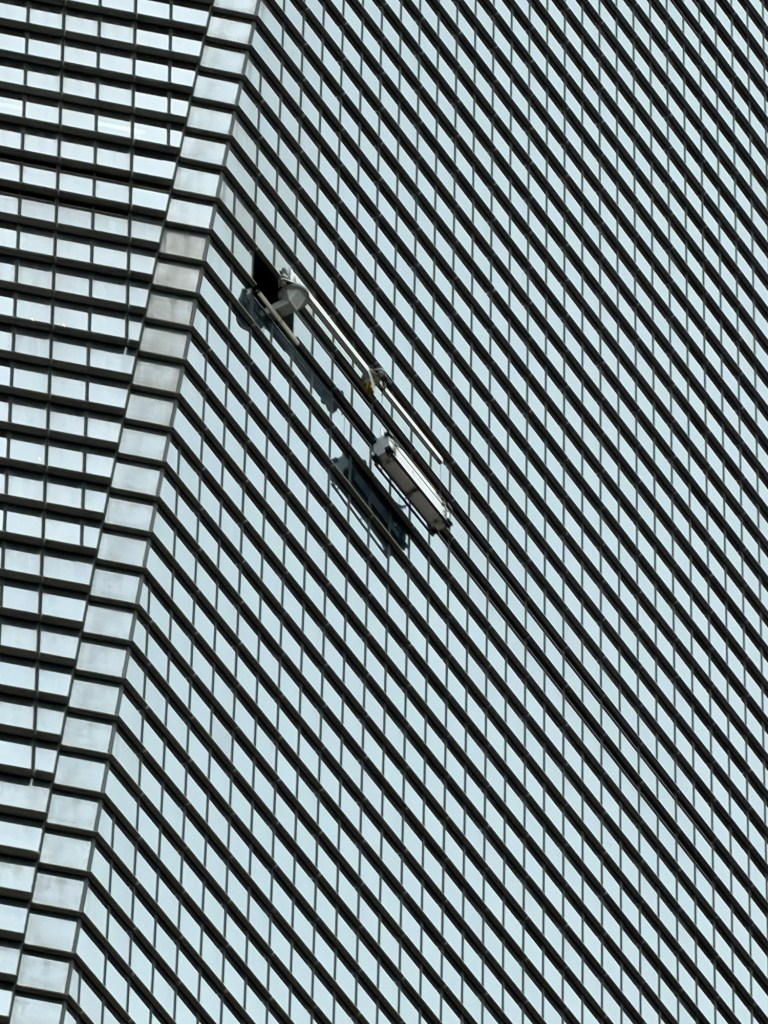
On our way out… at our first crossing point. Hard at it. We stepped aside. Credit to you lads. A hard gig!
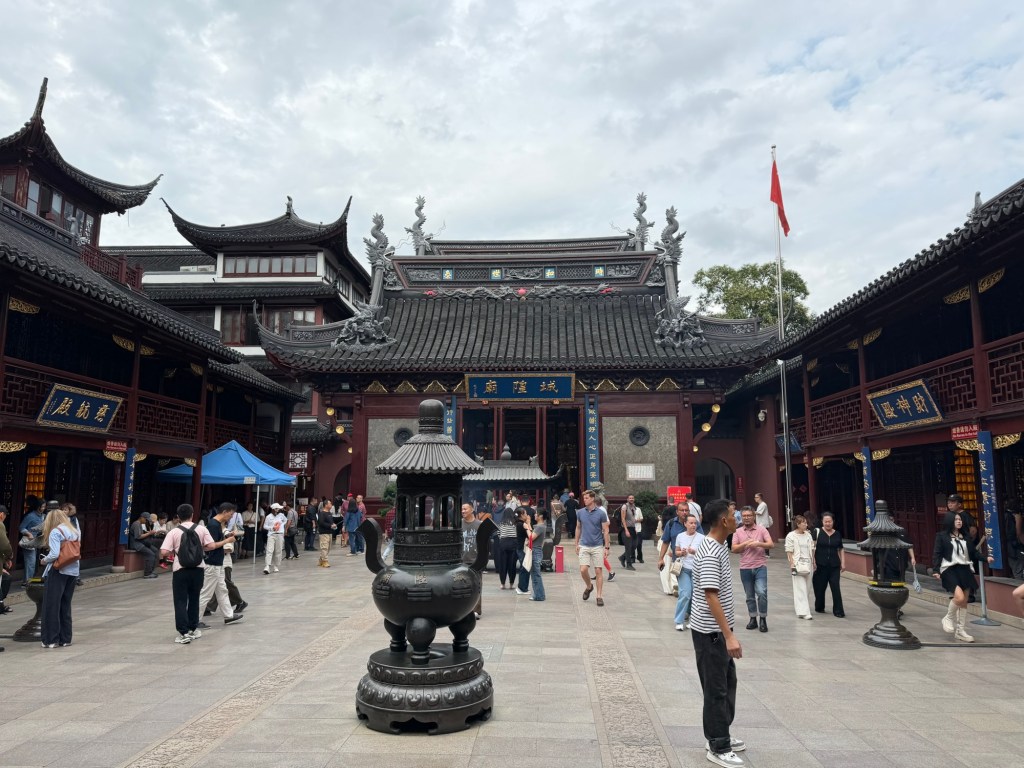
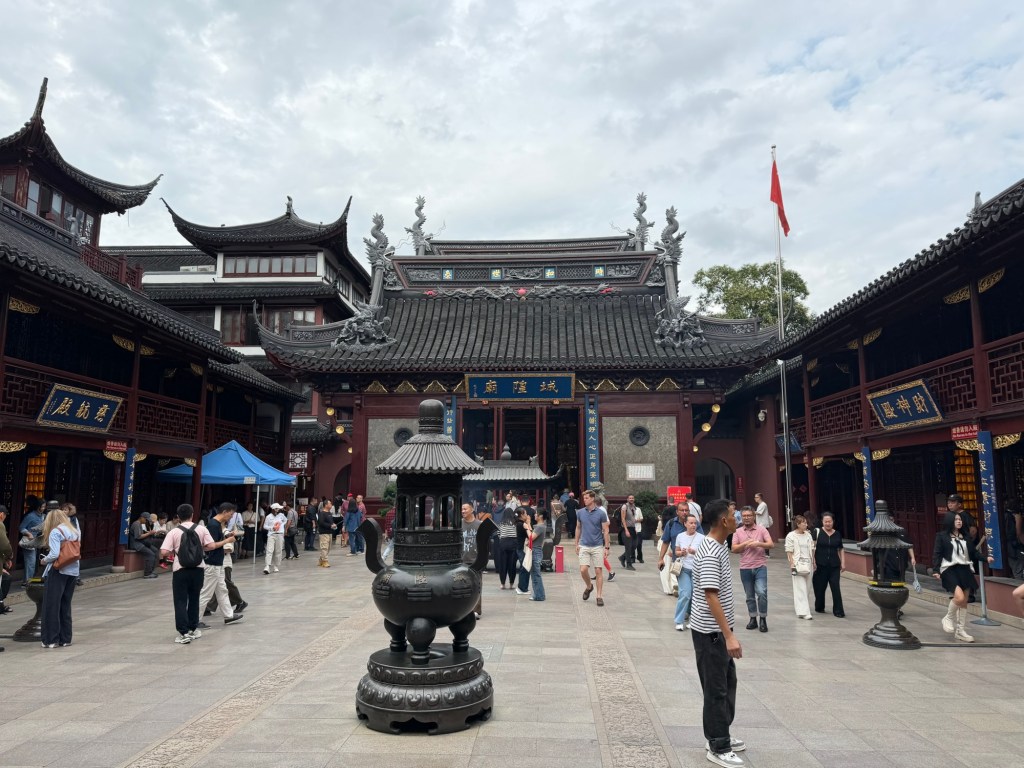
A short train journey to Yuyuan Garden Metro station and a walk to the temple. The temple dates back to the 15th Century, although clearly reconstructed.
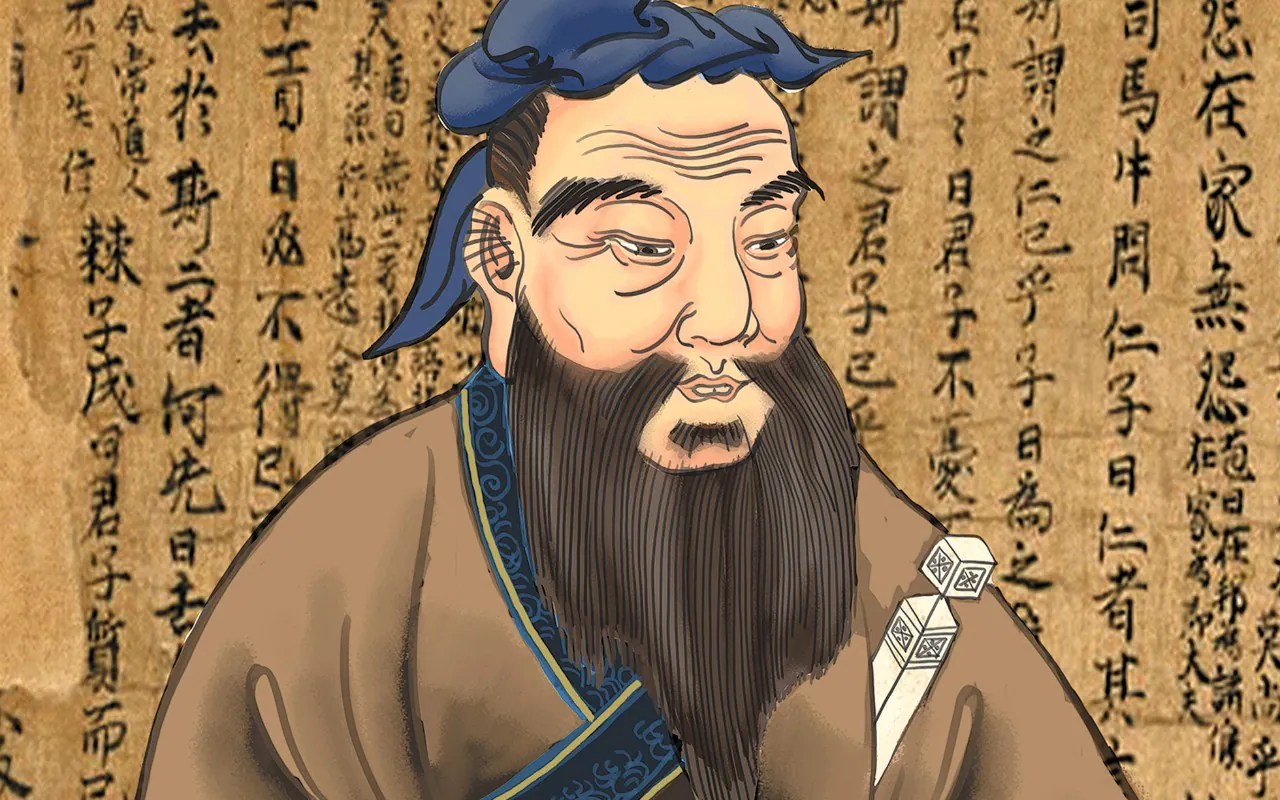
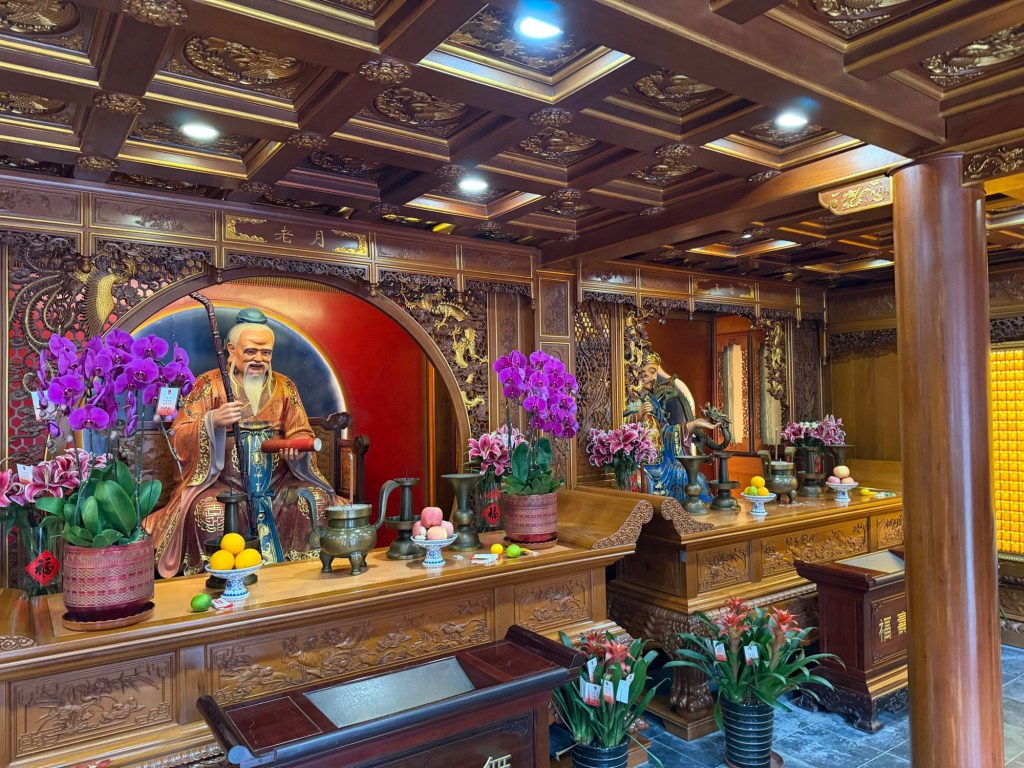
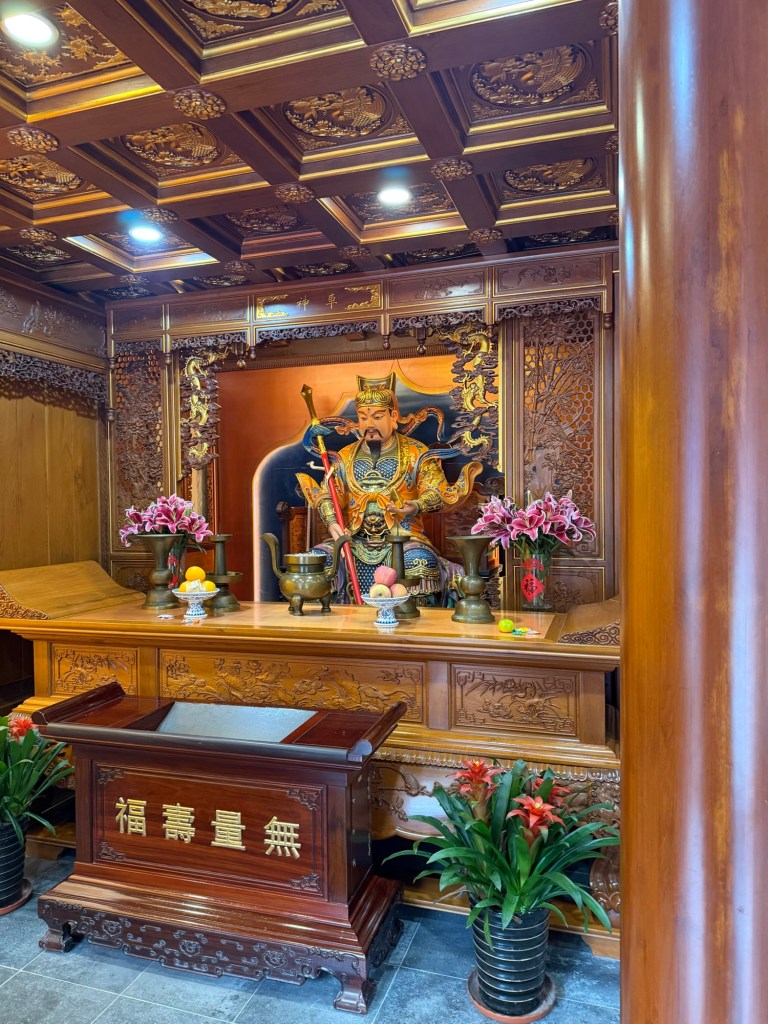
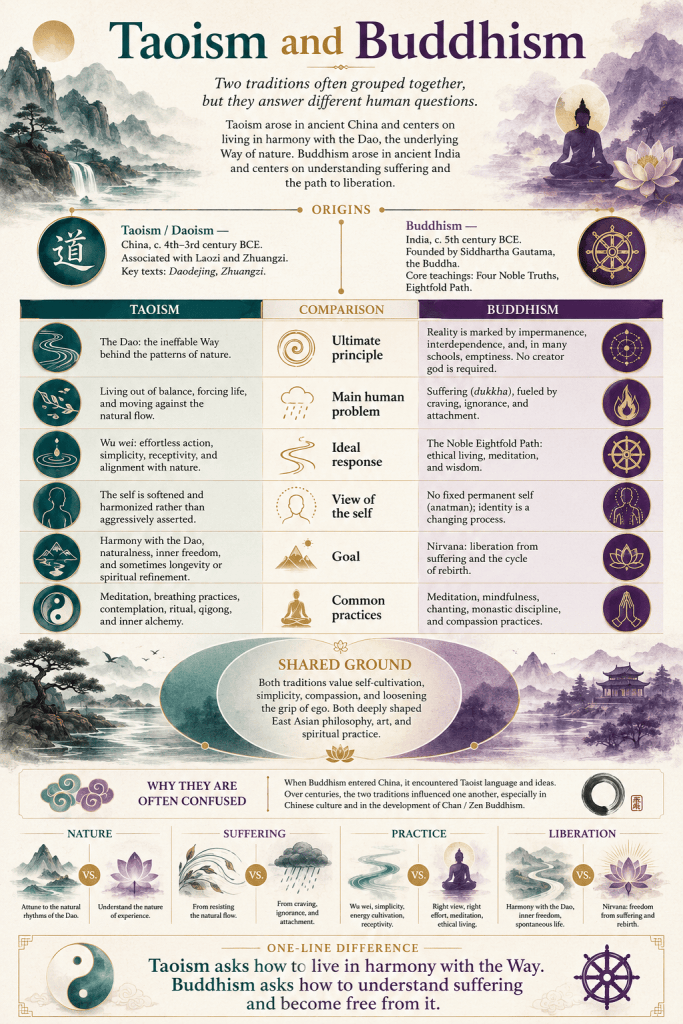
Taoism is the indigenous religion of the Chinese people. The key purpose of the religion is to learn the ‘Dao’, cultivate the ‘Dao’ and practise the ‘Dao’. As ‘Dao’ is central to the belief of this faith, the religion is called ‘Daoism’ or ‘Taoism’.
Taoism has existed since the time of the Yellow Emperor some 4700 years ago. The Book of Dao and its Virtue (Dao De Jing), is regarded as the main scripture of Taoism. It determines that one can attain immortality through self-cultivation.
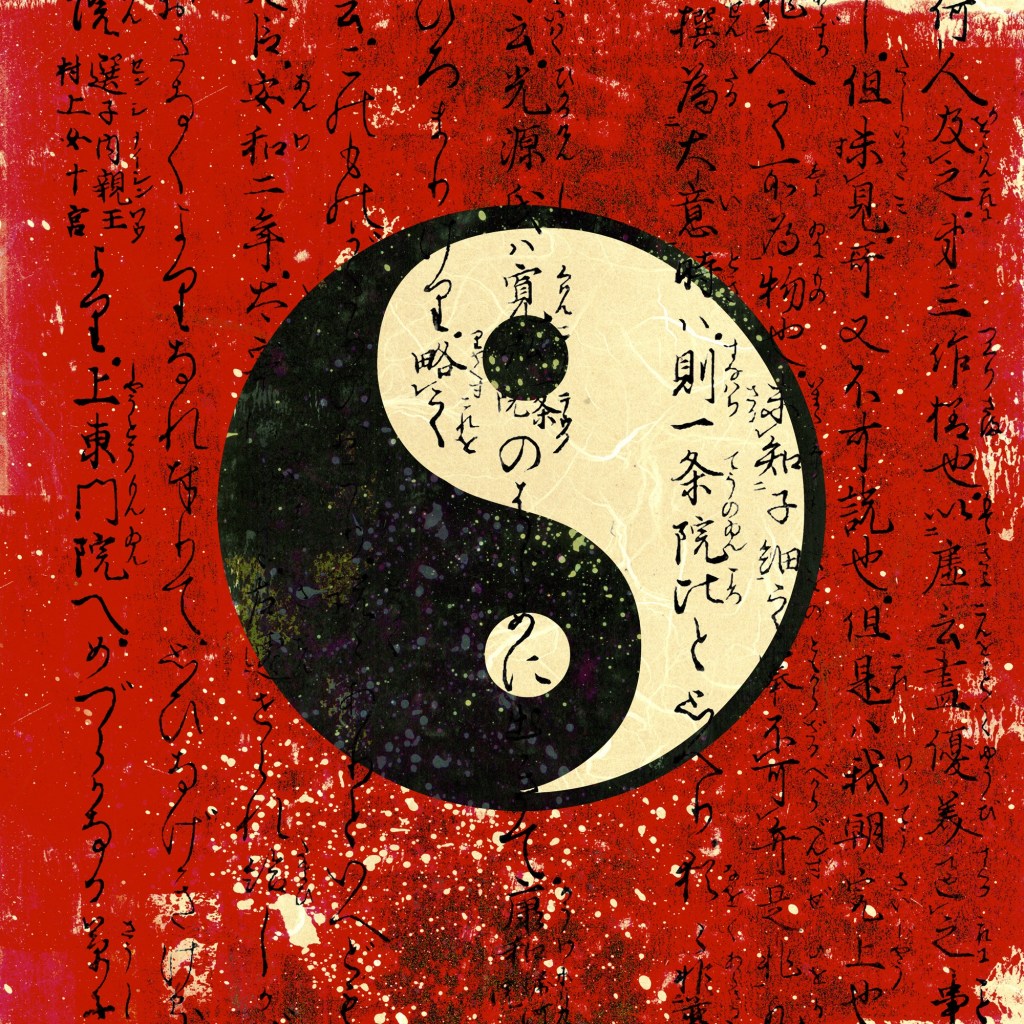
The most well-known of the Taoist visual symbols is the Yin-Yang, also known as the Taiji symbol. The image consists of a circle divided into two teardrop-shaped halves—one white and the other black. Within each half is contained a smaller circle of the opposite color.
Taoists value simplicity and getting back to basics. It’s not just admiring nature – they aim to make it an integral part of their lives and having a solid connection with nature is the foundation of ancient philosophy. It views nature as an interconnected web that reflects the core principles of the Tao (The Way) and is seen as a living expression of it, with all of its natural cycles and rhythms. In their contemplation and practice, Taoists aim to align themselves with these natural patterns.
The ‘three treasures’ of Taoism are compassion, frugality and humility.
Compassion: All things in the universe nurture in the “Dao”, and everything should follow the nature of the compassionate and loving “Dao”. If one can cultivate the “Dao” with a kind and compassionate heart, the merits will be doubled.
Frugality: It is a Taoist tradition to uphold frugality and simplicity, and to avoid extravagance and waste.
Humility: One should have a peaceful heart and live harmoniously with others. If everyone follows the Taoist ideas, the world is bound to be peaceful and calm.
(Dao De Jing, Chapter 67)
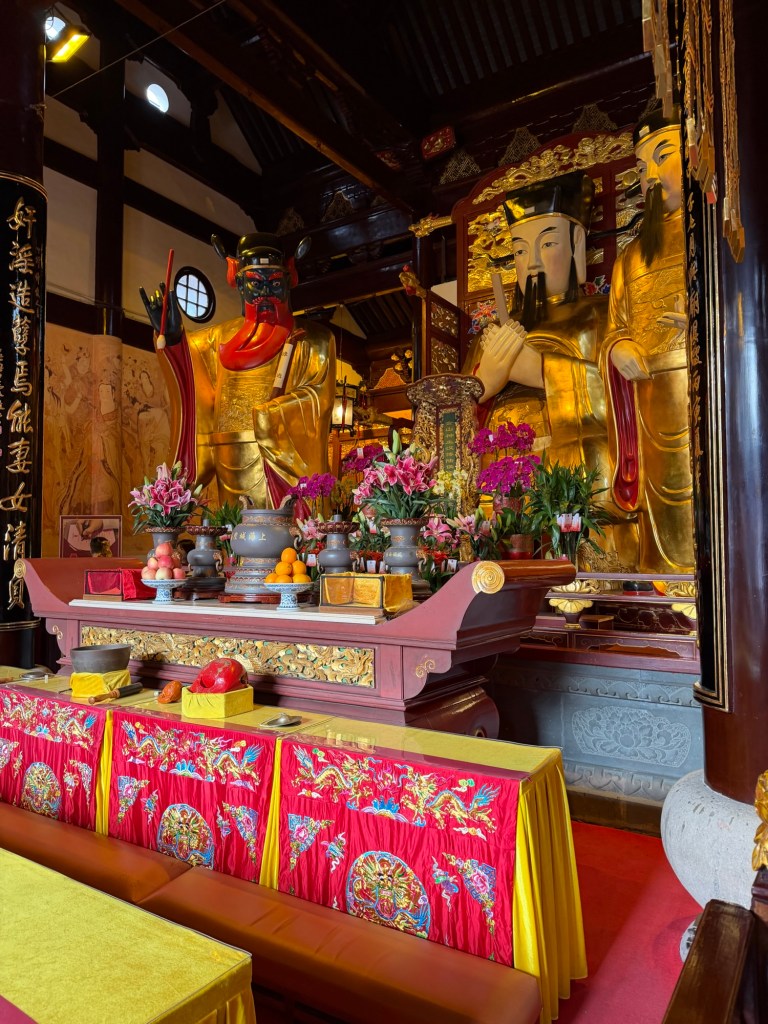
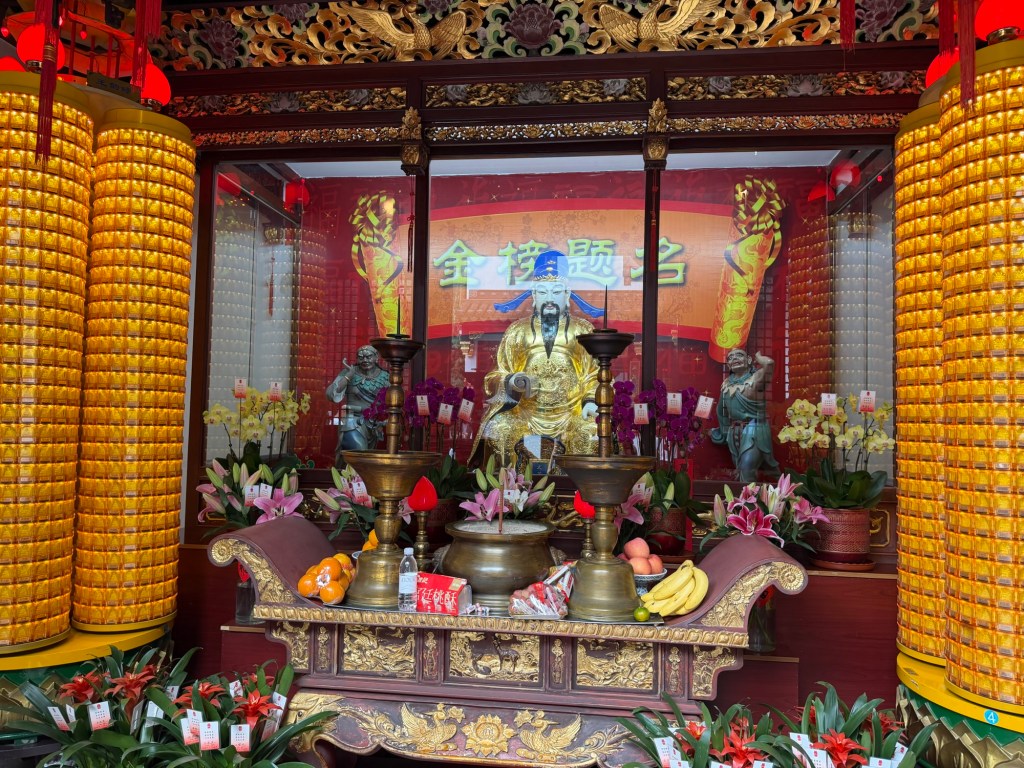
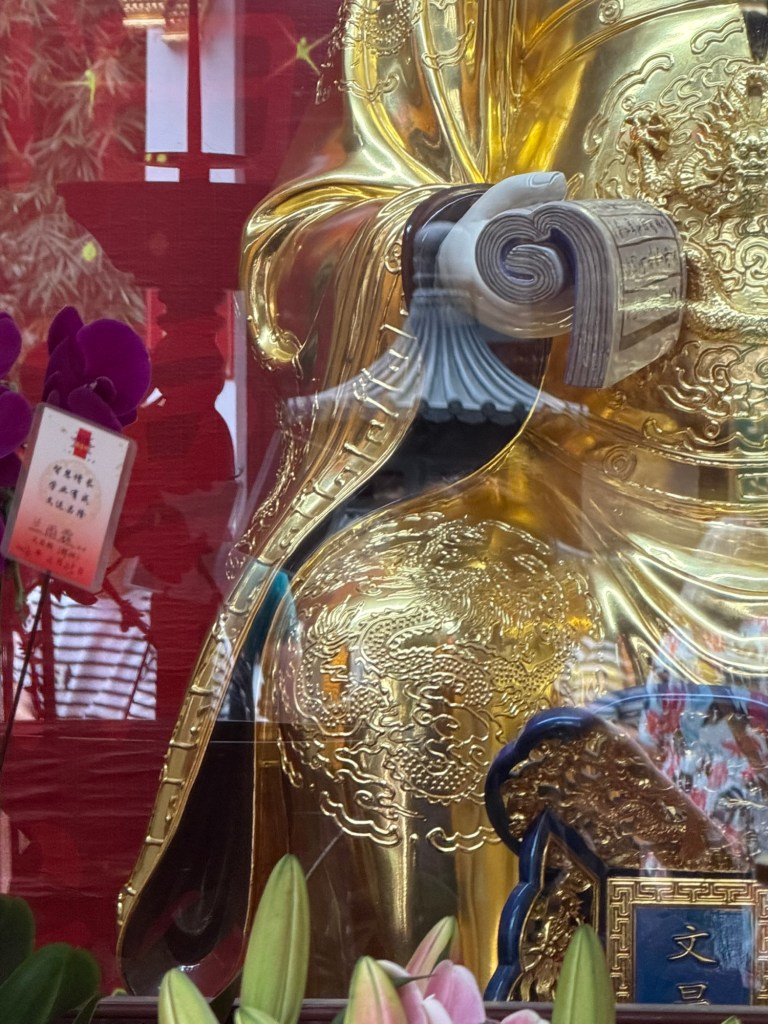
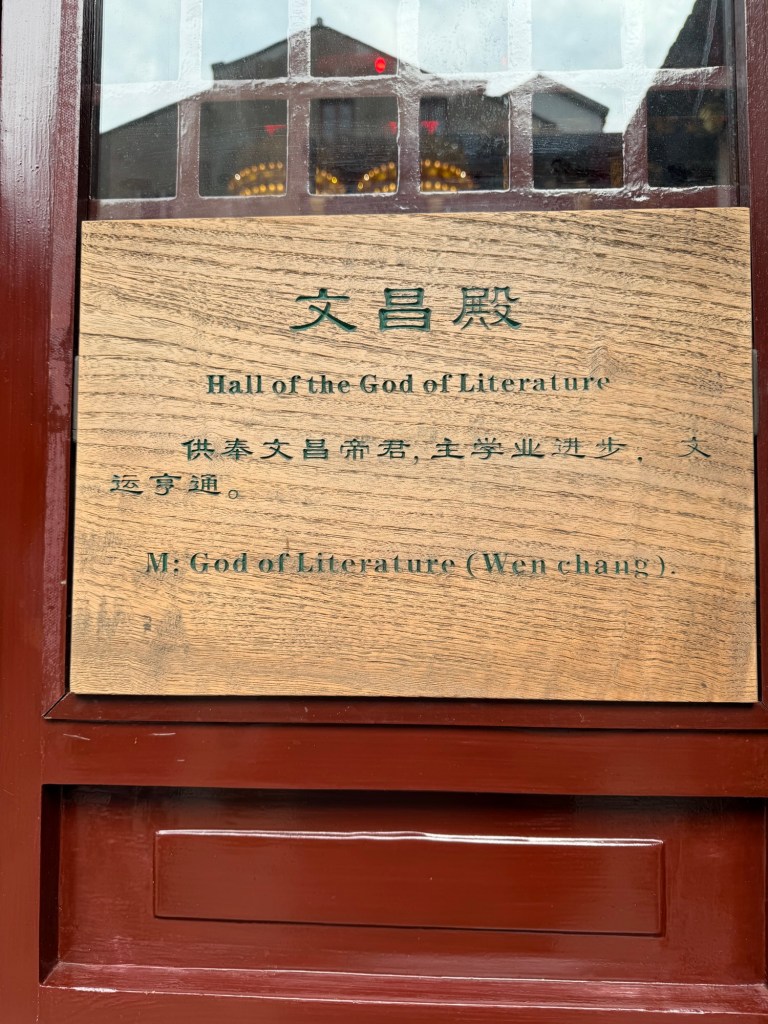
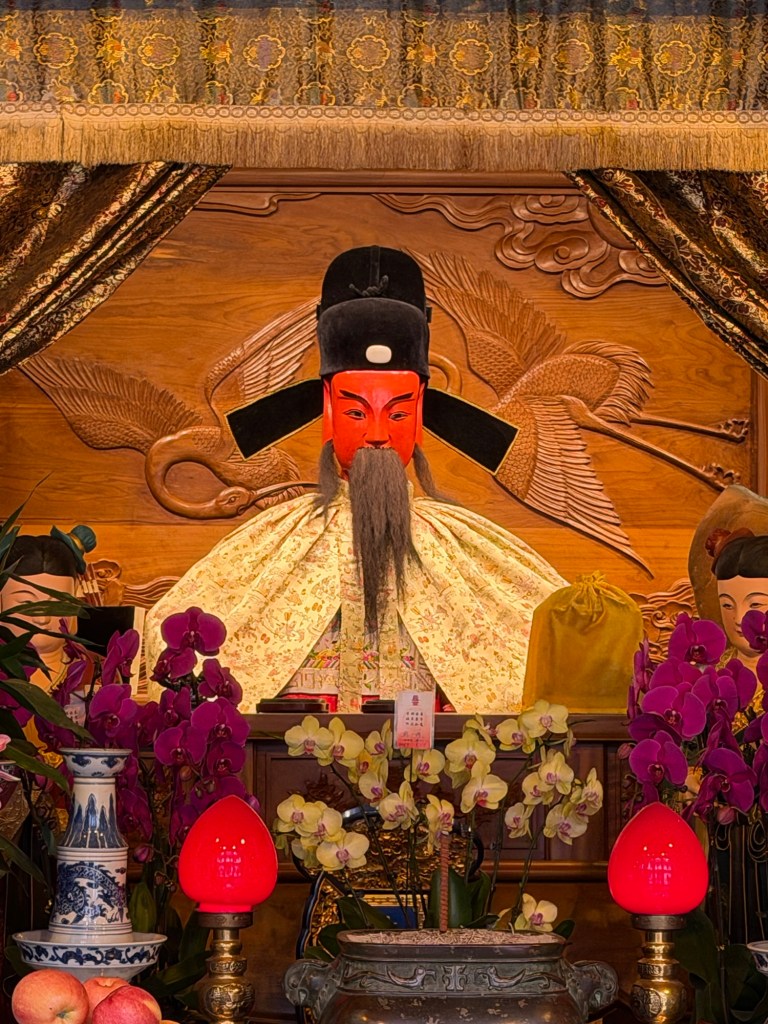
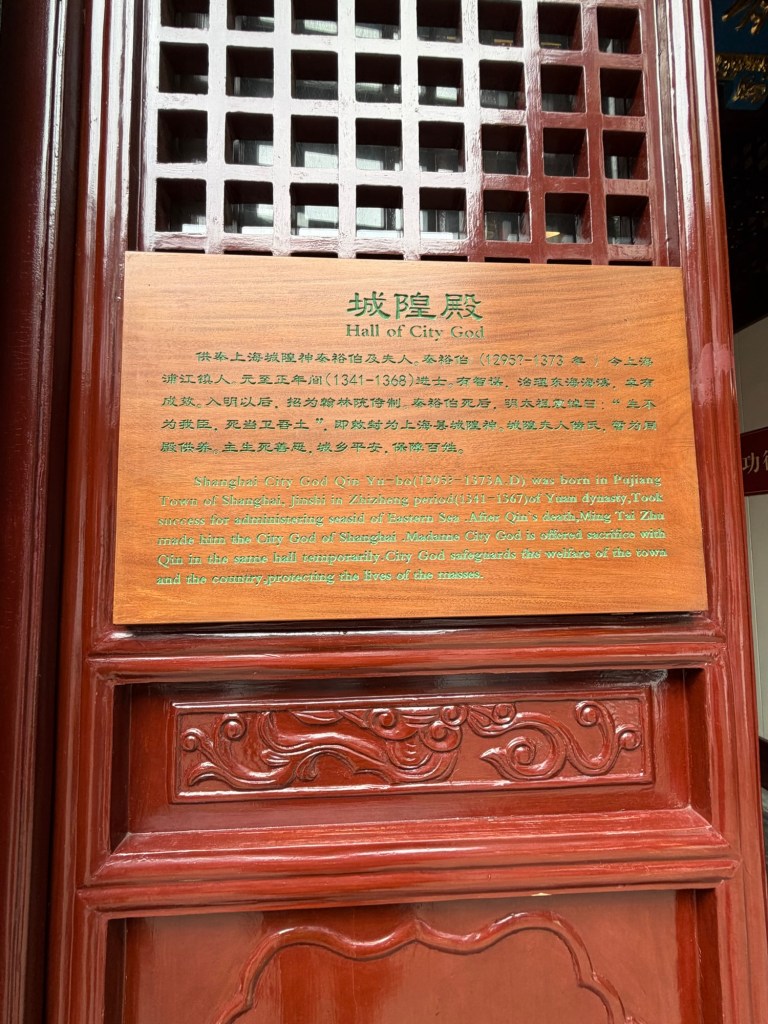
The Hall of the City God, Shanghai…
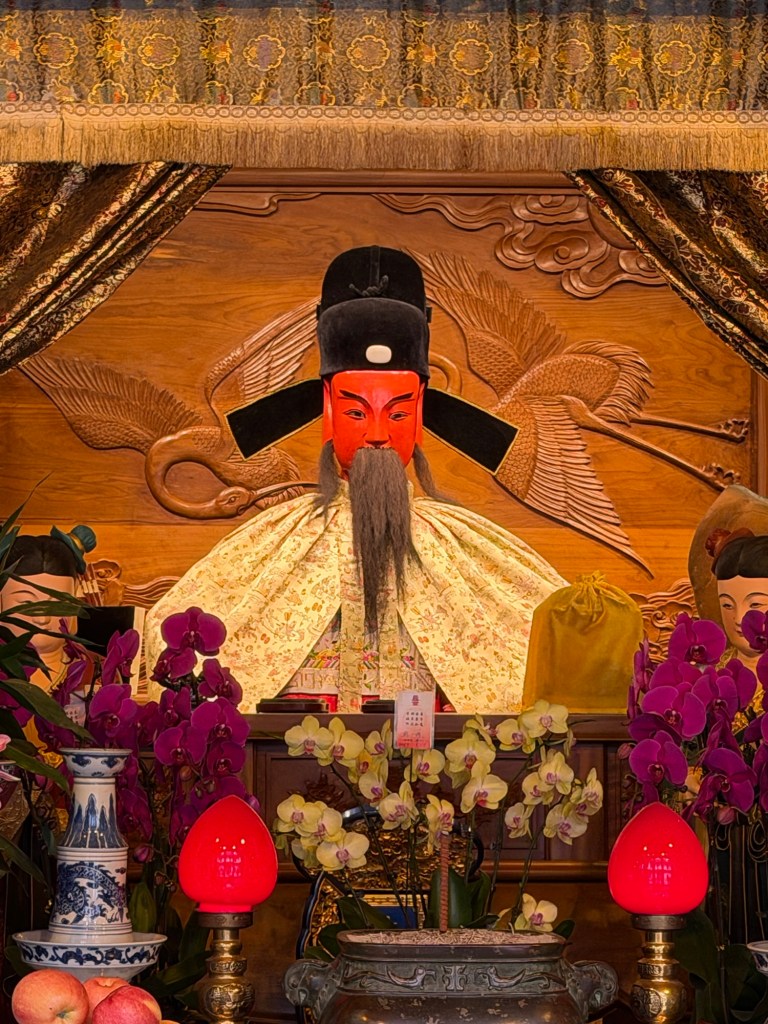
As to how Taoism and Buddhism compare – we did wonder – this we found to be a useful infographic…
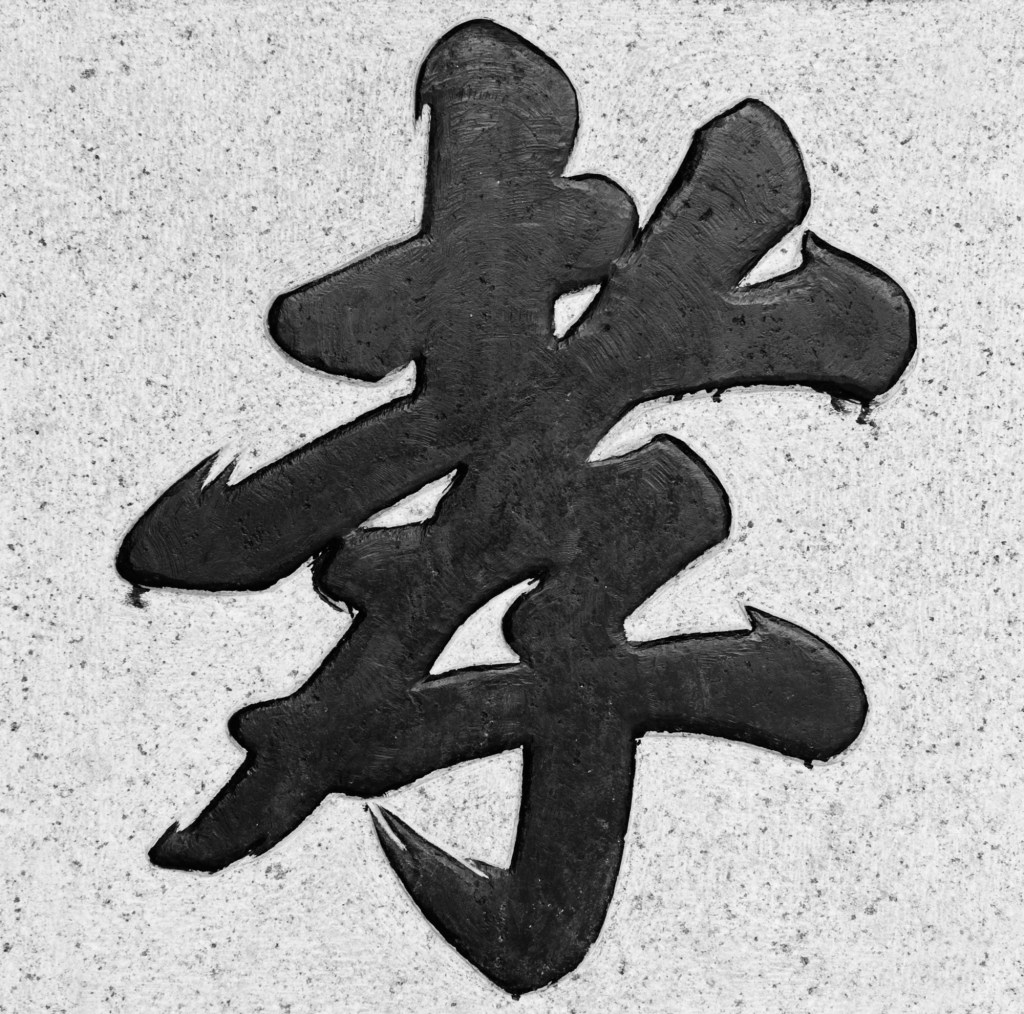
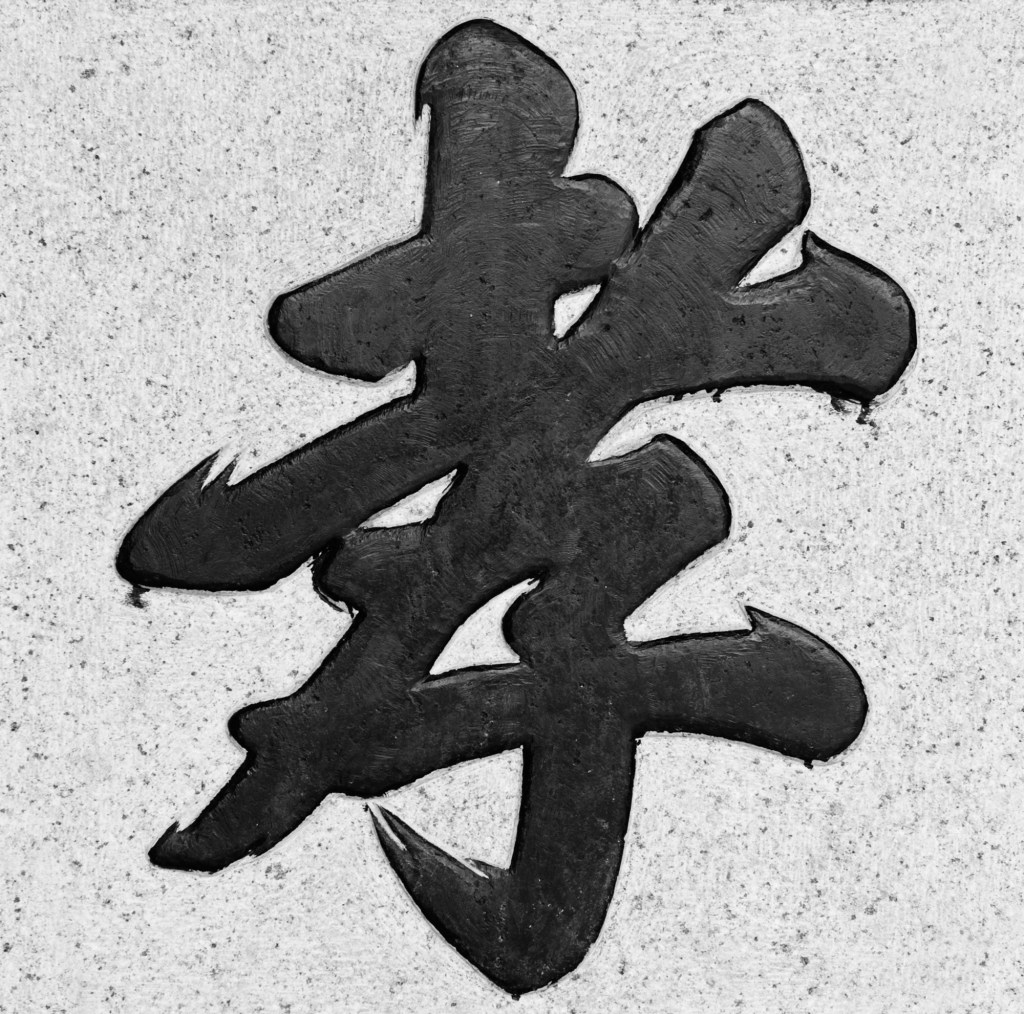
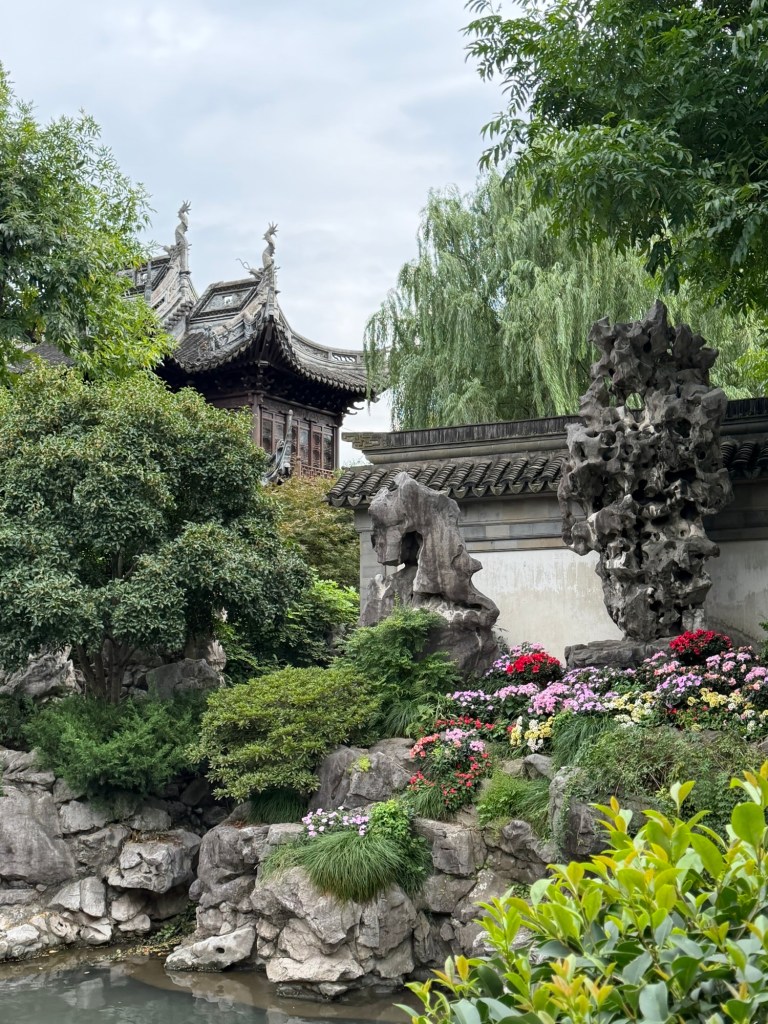
Leaving the temple, we made our way to Yu Garden, first developed in 1559 during the Ming Dynasty by Pan Yunduan as a comfort for his father, Pan En, in his old age. He named the garden Yu Yuan, yu (豫) meaning ‘pleasing and satisfying to one’s parents.’ His motivation to build this garden was to show filial piety to his parents and give them enjoyment in their old age. The garden was opened to the public in 1961, and declared a national monument in 1982.
Filial piety in Chinese culture is known as xiào (孝), a foundational virtue meaning respect, obedience, care, and devotion towards one’s parents and elders.
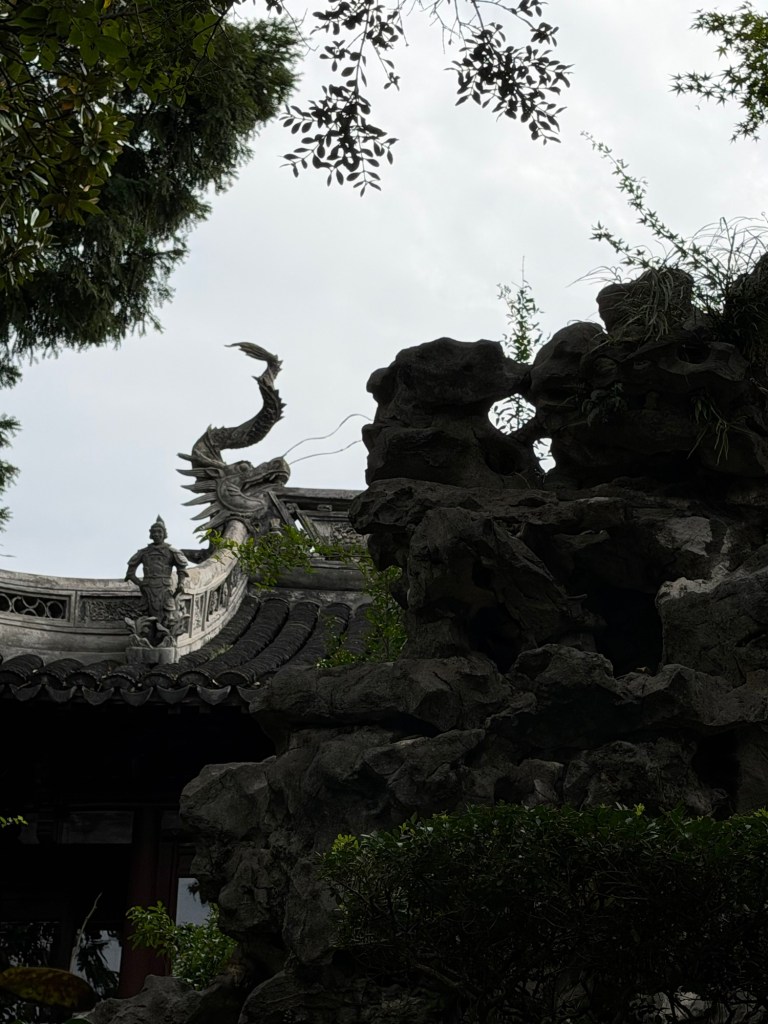
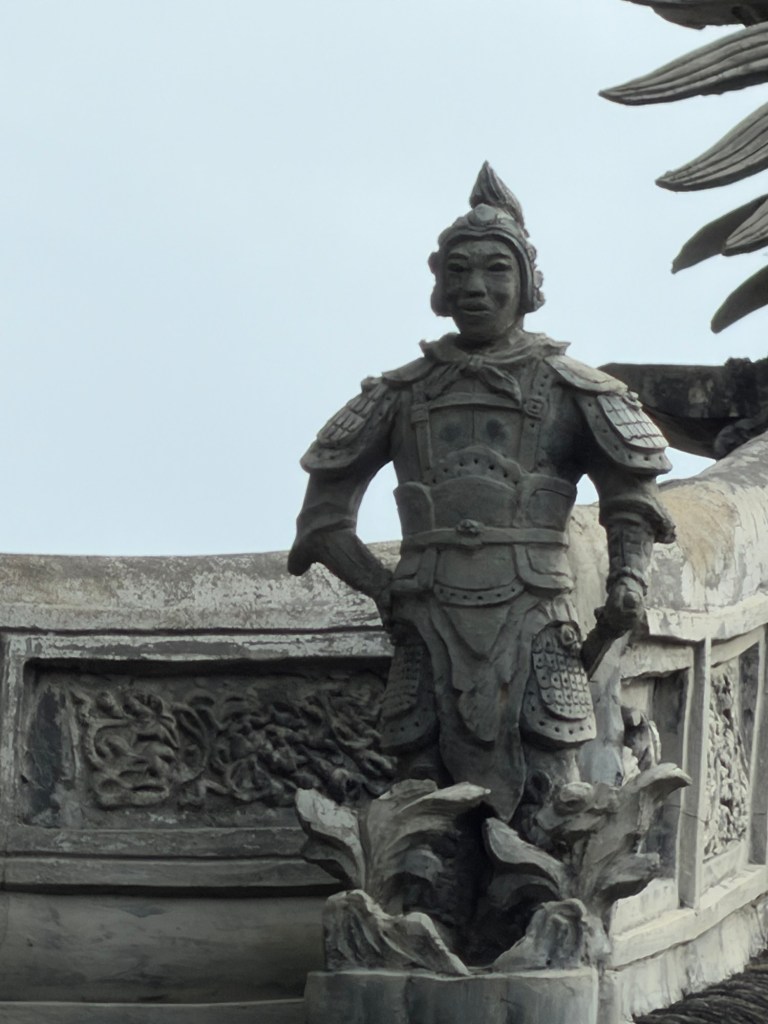
Yu Garden is also known as Garden of Peace and Comfort. Frankly, there wasn’t much of that to be had in either the temple or the garden, today, as those pesky tourists filed on through. However, it is not difficult to imagine what both places might offer in quieter times.
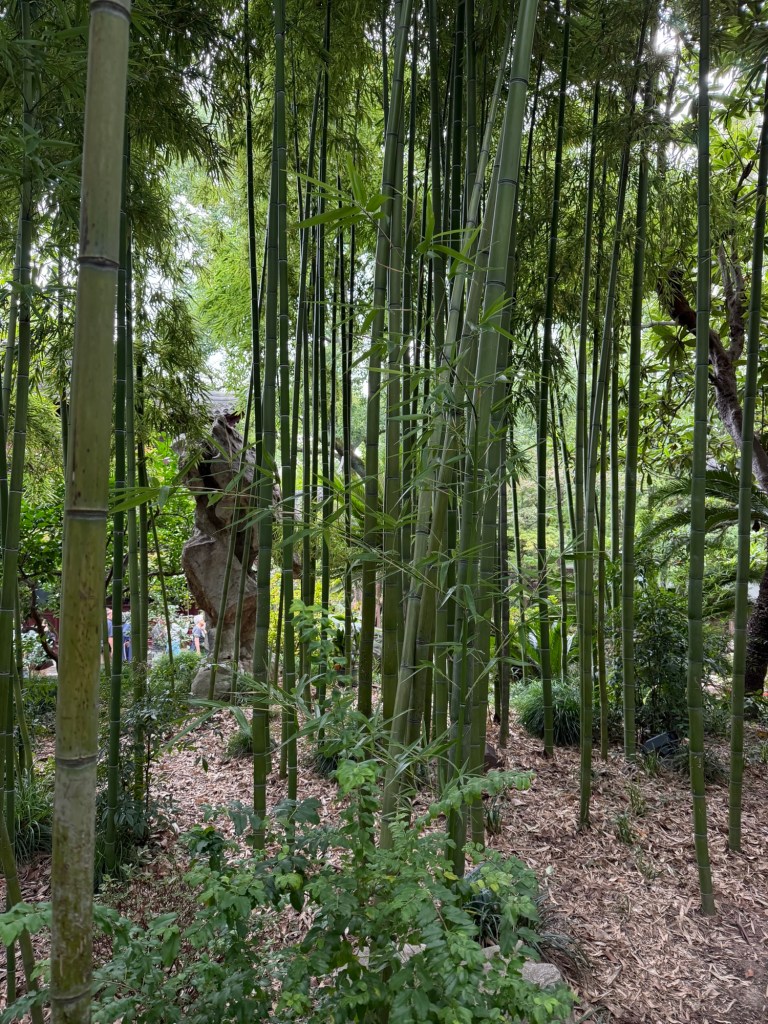
Yu Garden…
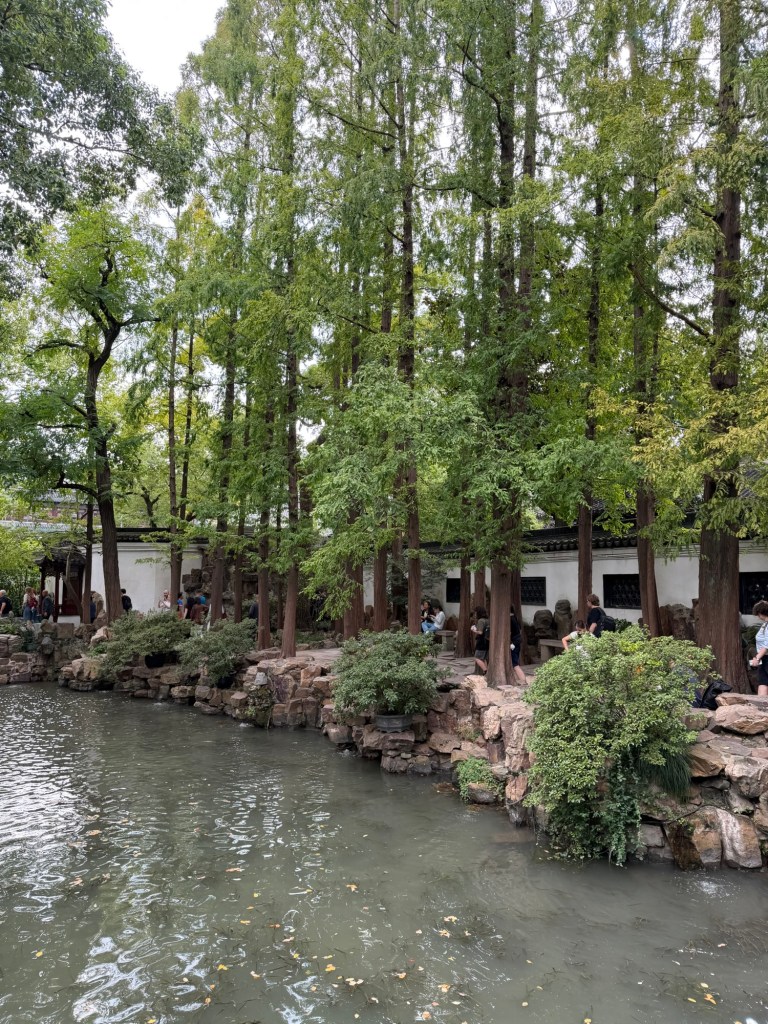
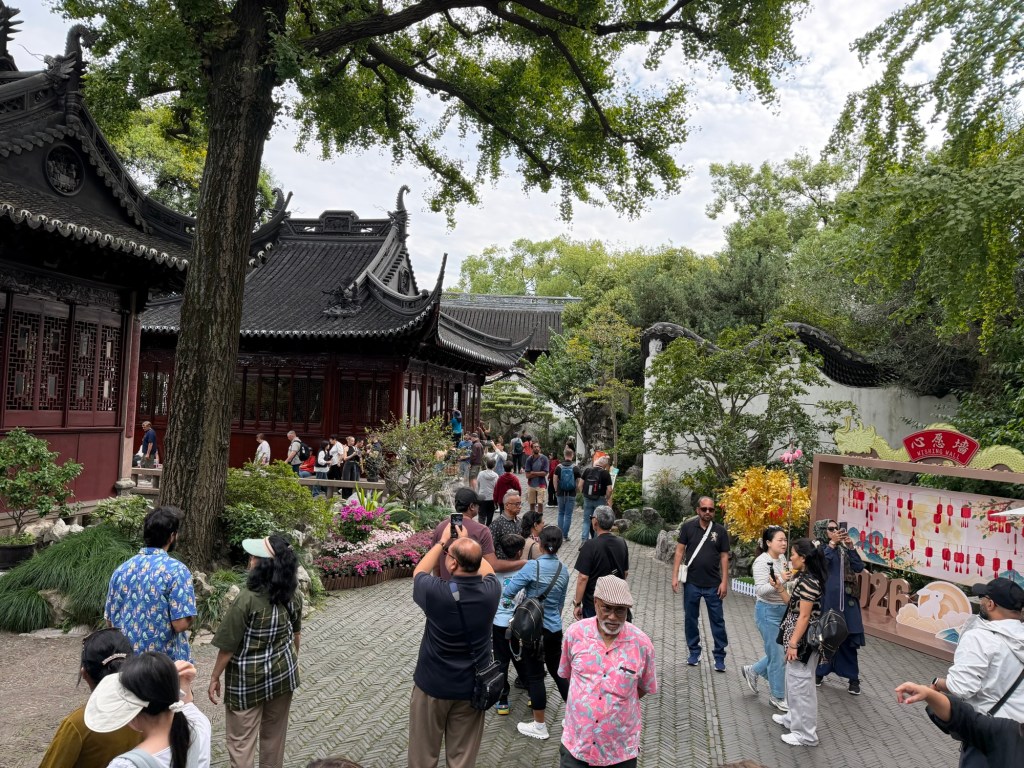
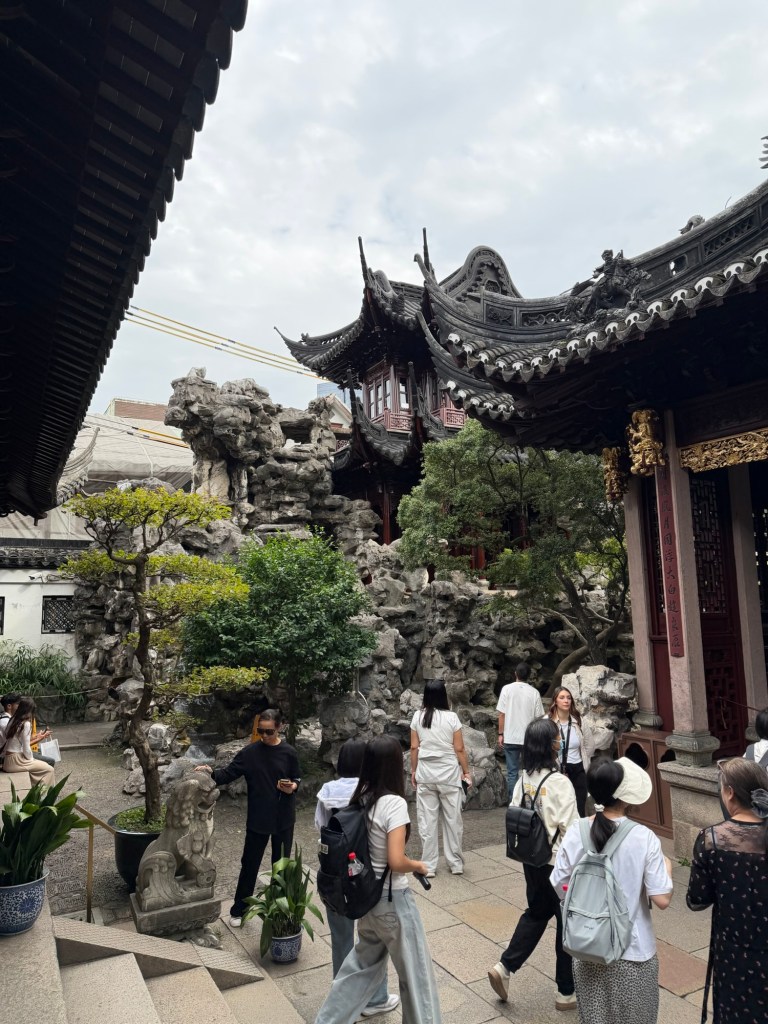
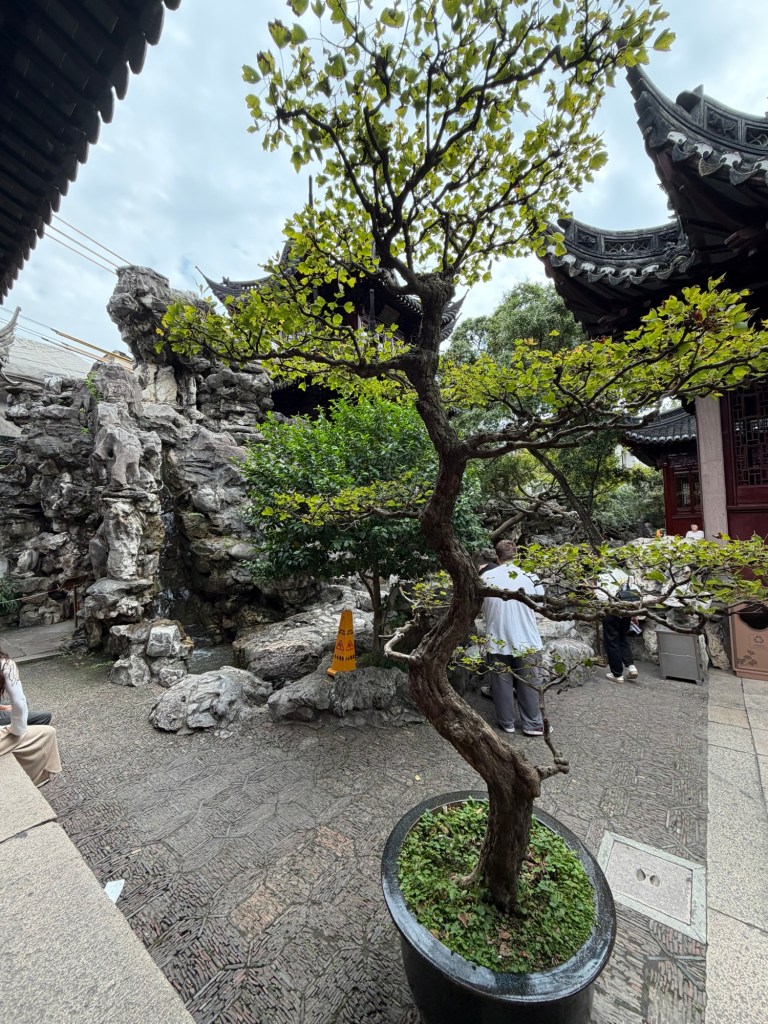
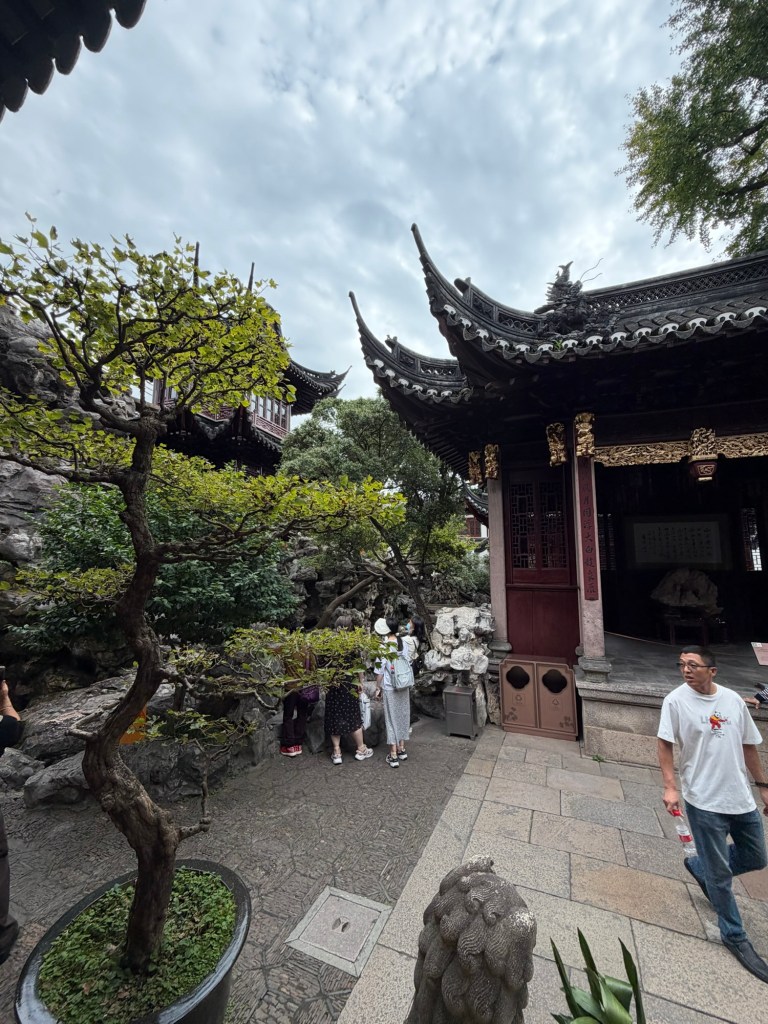
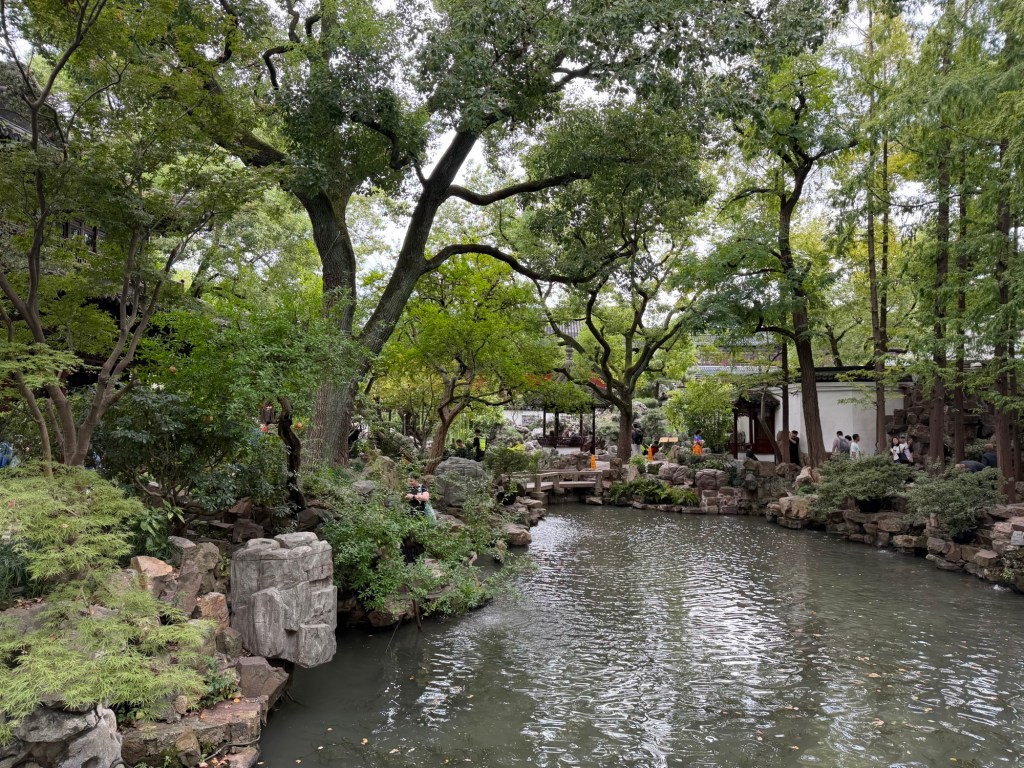
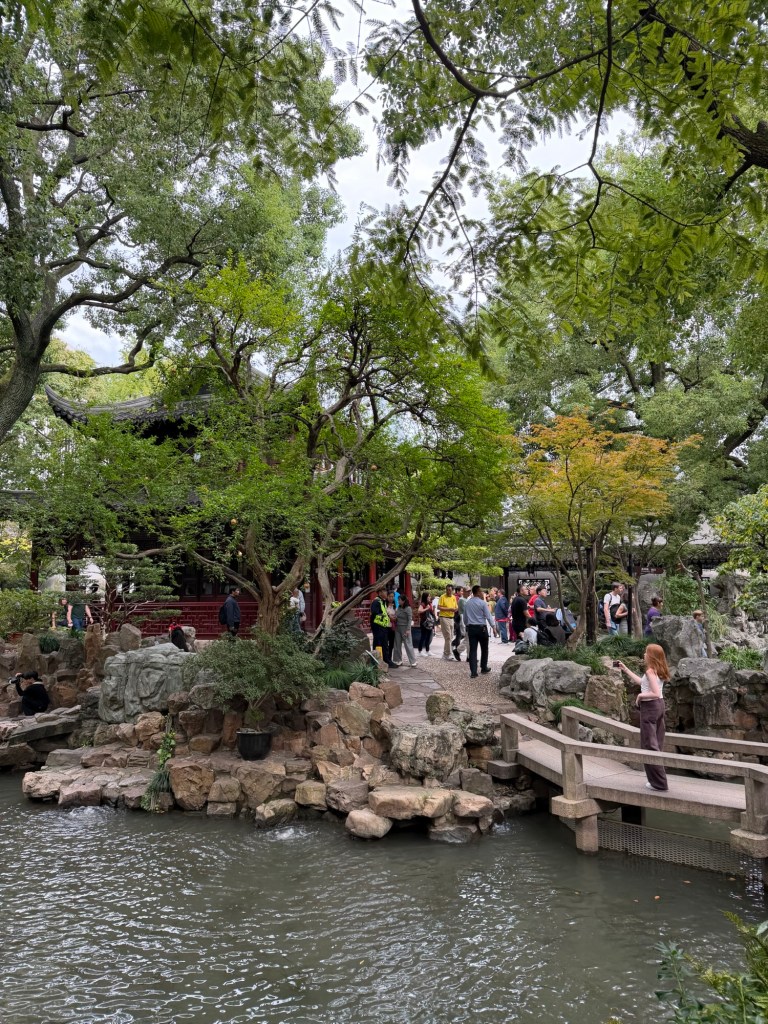
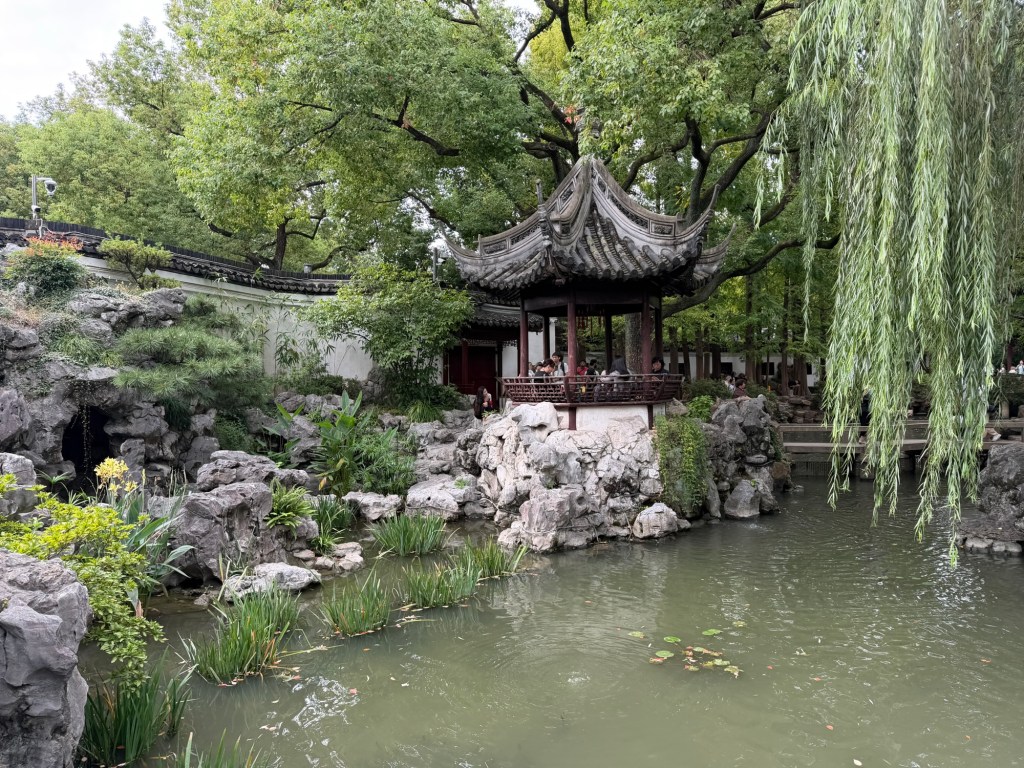
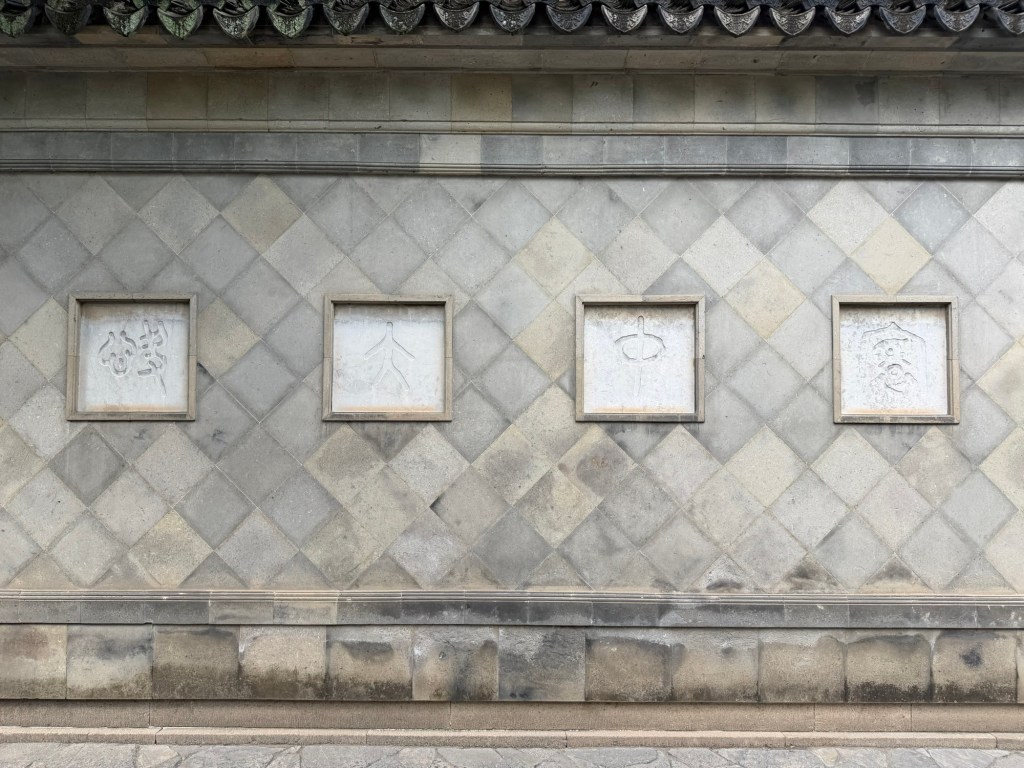
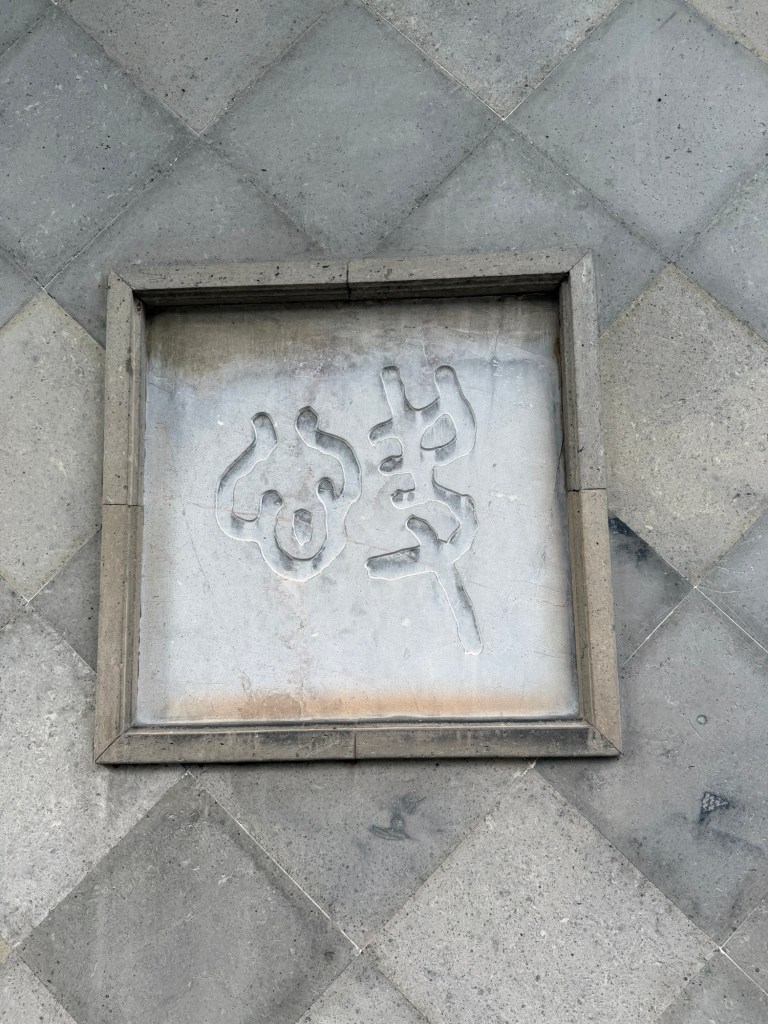
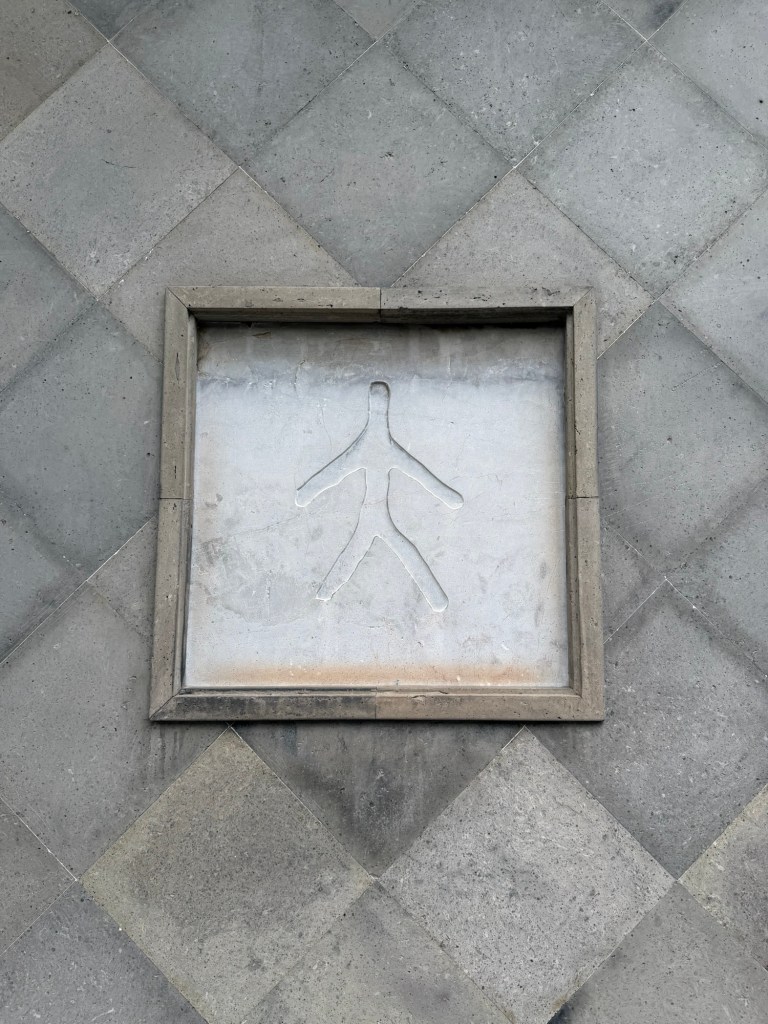
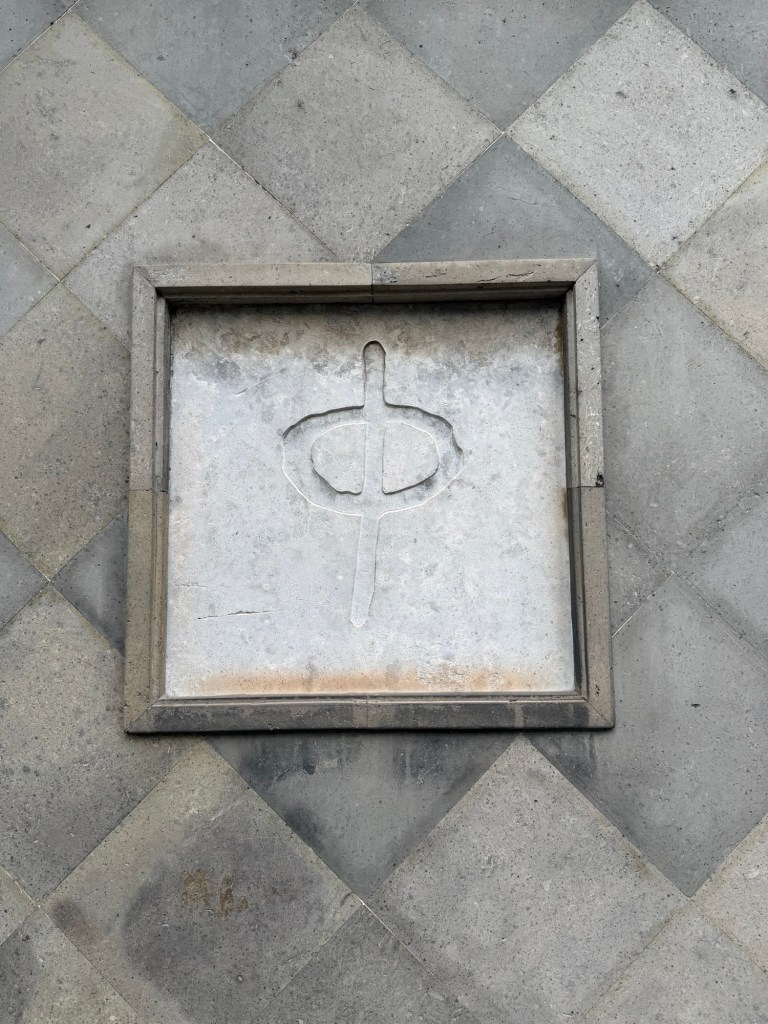
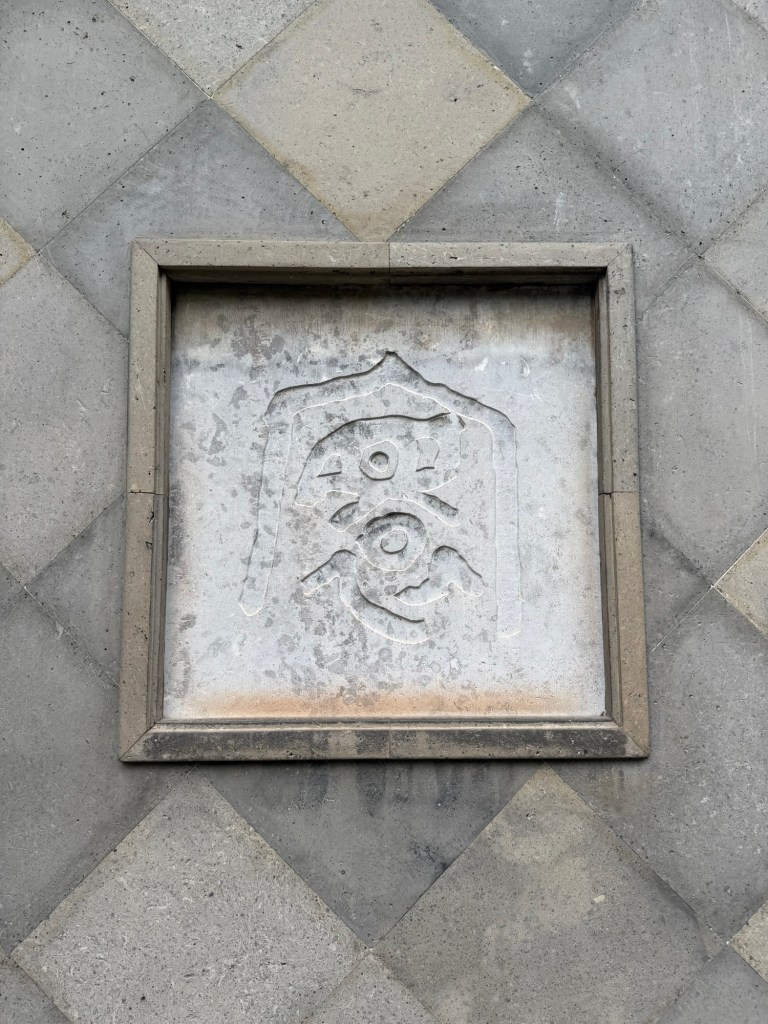
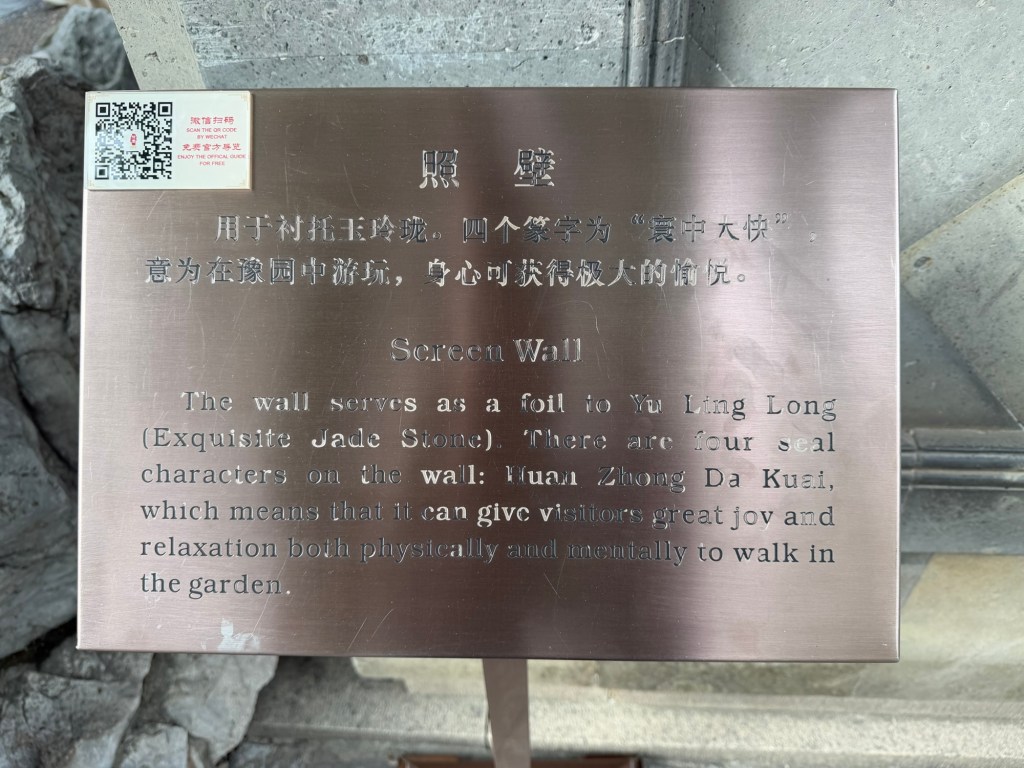
The wall serves as a foil to Yu Ling Long (Exquisite Jade Stone). There are four seal characters on the wall: Huan, Zhong, Da, Kuai, which means that it can give visitors great joy and relaxation both physically and mentally to walk in the garden.
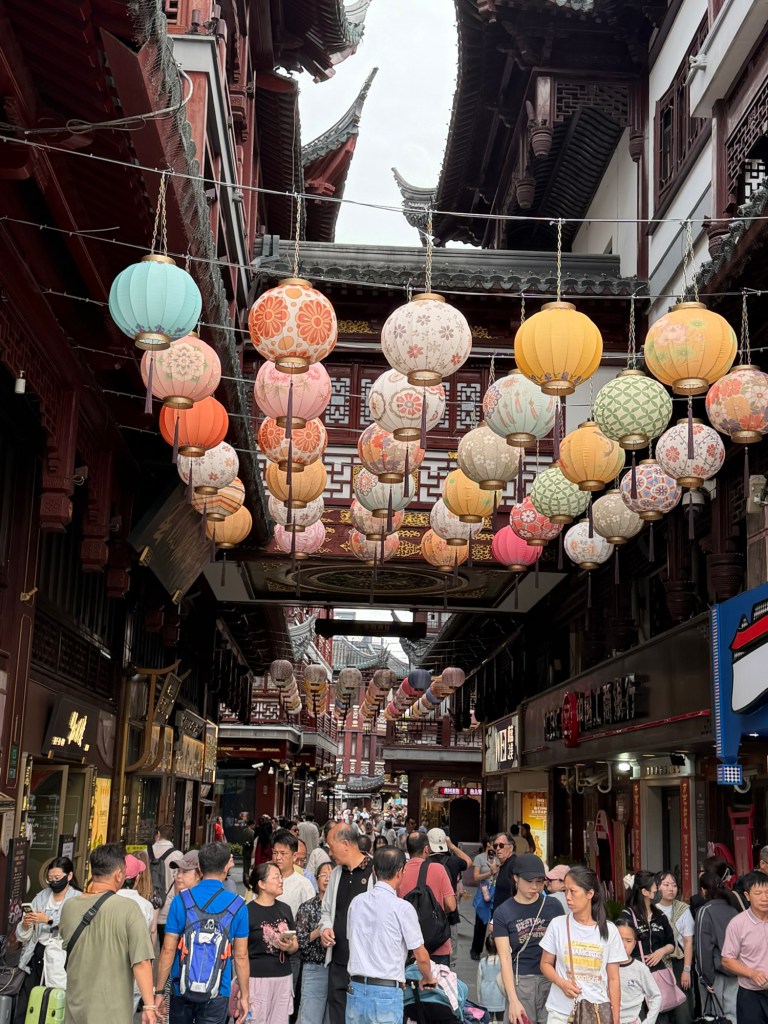
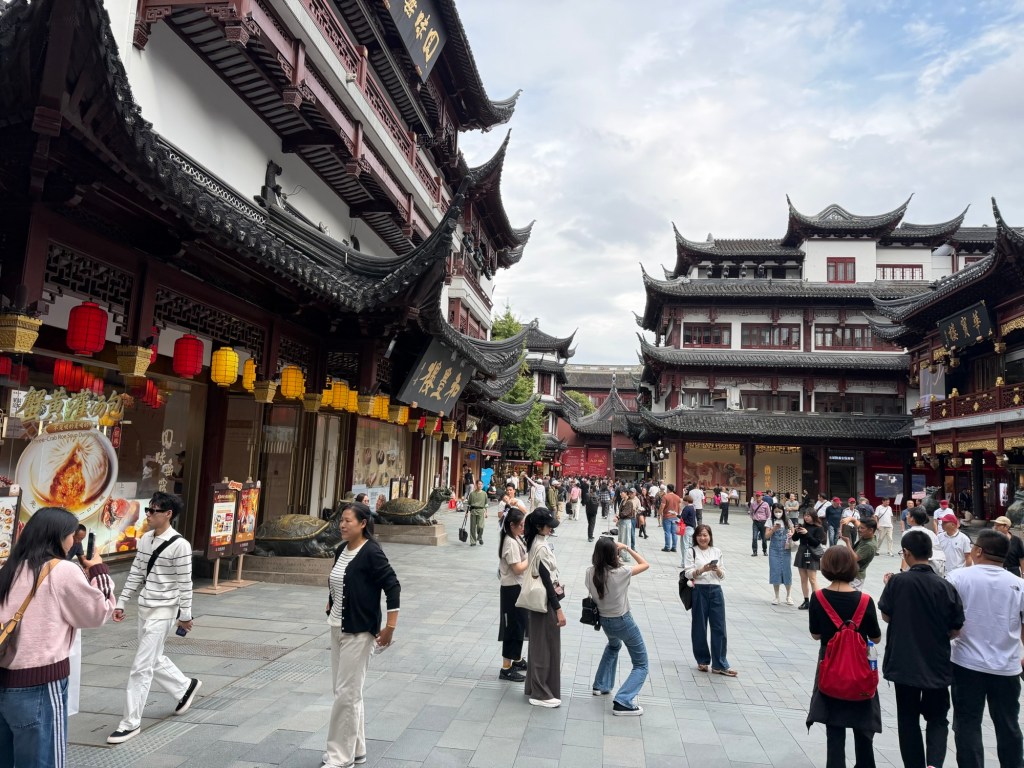
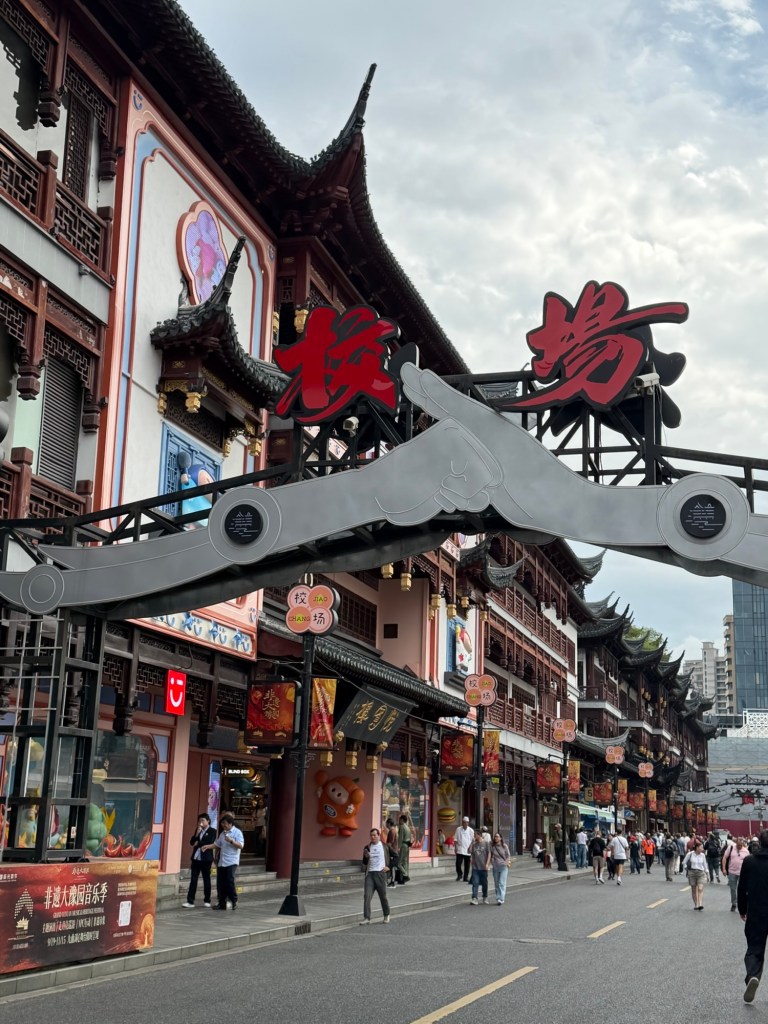
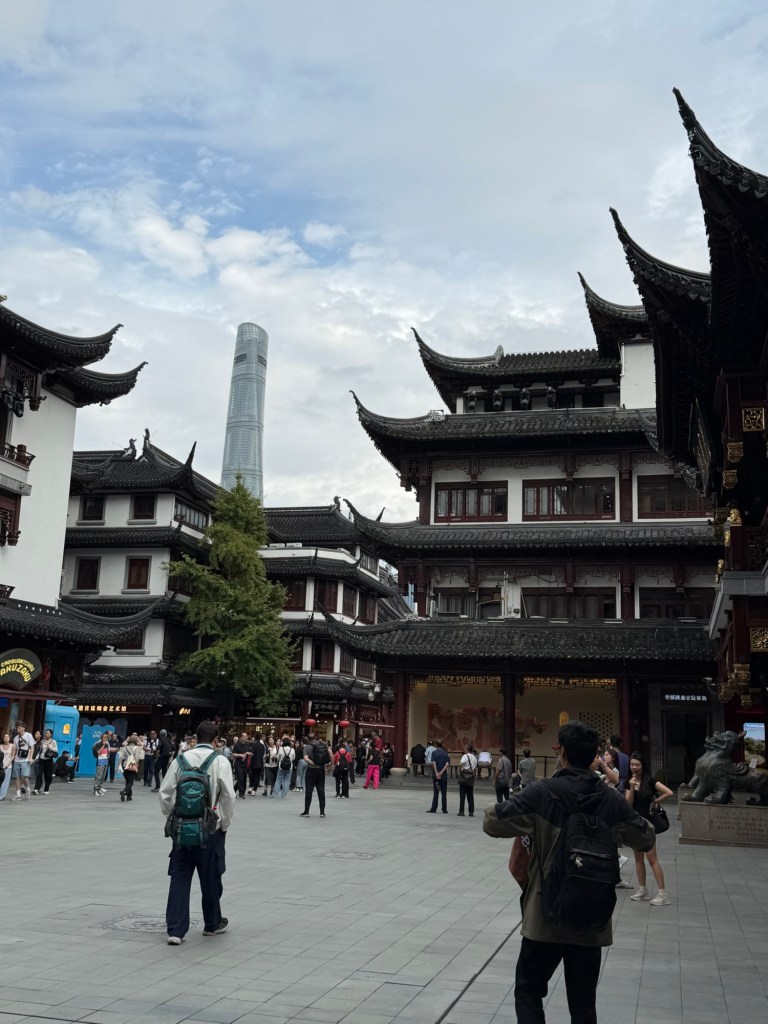
Next, abutting both the temple and the garden, the crazy Yuyuan Bazaar…
End note:
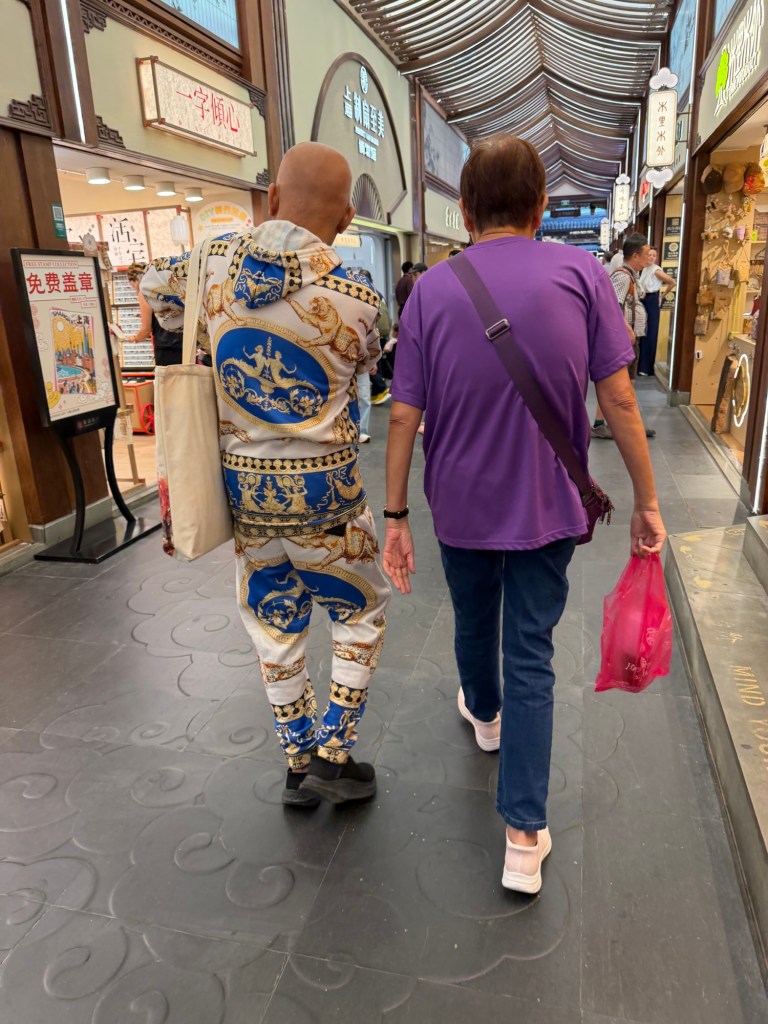
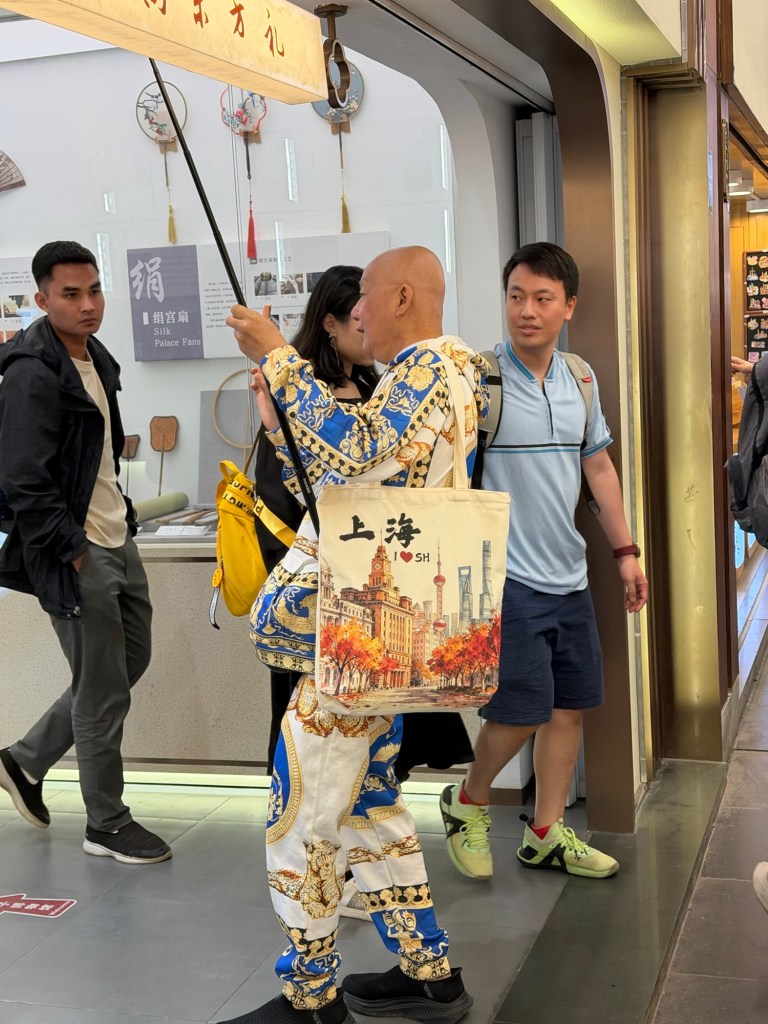
I really should have asked when I had the opportunity, for I couldn’t find the outfit in any of the shops thereabouts or thereafter – for love nor money. I fear that I am destined to leave China not knowing, thus maintaining a poorer wardrobe for lack of said knowledge.
Previous China daily blogs here


Leave a Reply