
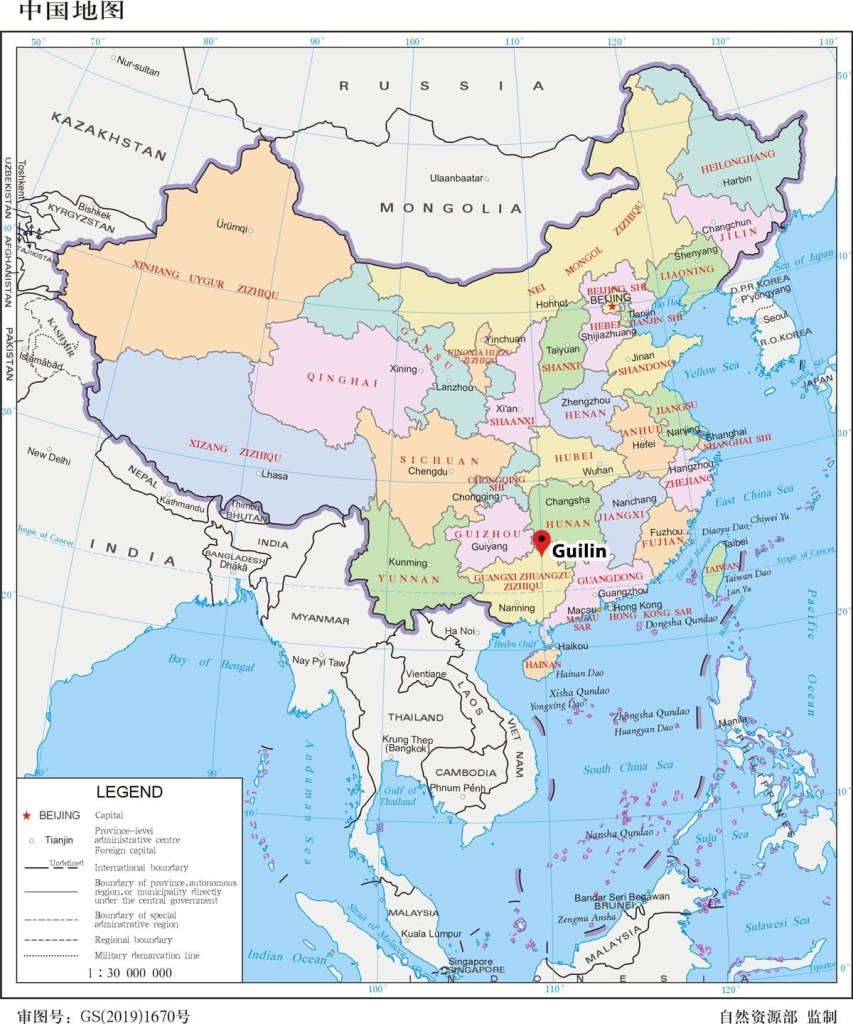
Today we are to travel 1,602km (994 miles) south from Shanghai to Guilin, at speeds of up to 349km/h.
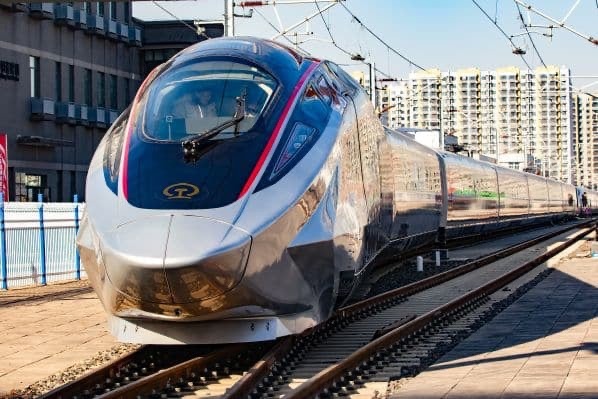
The China Academy of Railway Sciences (CARS) has recently announced that a prototype CR450 high-speed train achieved a world record speed of 453km/h during recent trials.
In just 17 years, China has managed to build 50,000 km of high-speed lines. The development of China’s high-speed network began in 2008 (just months before HS2 Ltd was formed) with the commissioning of the first modern line between Beijing and Tianjin, a moment that marked the beginning of an unprecedented transformation in rail transport. In less than two decades, China has managed to build the world’s most extensive high-speed rail network, surpassing the total length of similar infrastructure in all other countries combined. At the same time, the Chinese rail system operates some of the fastest commercial services in the world.
Currently, high-speed trains reach 97% of Chinese cities with over 500,000 inhabitants, reflecting a nearly universal level of accessibility.
This infrastructure enables a complete overhaul of domestic mobility, as distances of up to 500 km can be covered in 1–2 hours, 1,000 km in about 4 hours, and journeys of over 2,000 km can be completed in a single day.
This rapid development means not only modern infrastructure but also a national strategy in which mobility becomes an engine of economic growth. Cities hundreds of kilometers apart are now connected in a matter of hours or even minutes, which stimulates investment, tourism, and regional integration.
In essence, high-speed trains have become a strategic tool through which China is narrowing regional disparities and strengthening its economy. Remember the ‘Northern Powerhouse’?
What ever happened to that?
Meanwhile, while China got on with it, in the UK…
HS2 Limited was created in January 2009. In December 2009 the UK government officially announced plans for a north-south high-speed railway line. In January 2012 the green light was given for a Y-shaped network, connecting London, Birmingham, Leeds, and Manchester, projected to cost £32.7 billion.
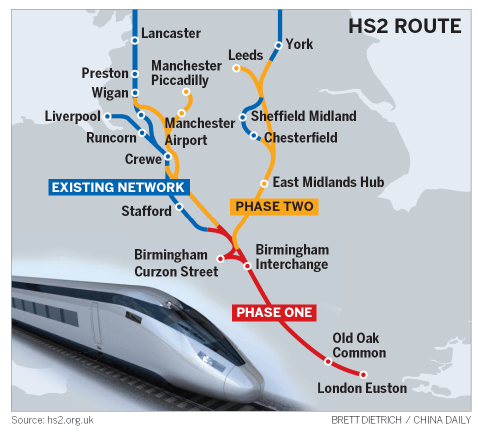
Roll on to October 2023 and the UK government announces the cancellation of Phase 2 (the northern leg to Manchester), with costs for the remaining leg (London to Birmingham) expected to exceed £100 billion.
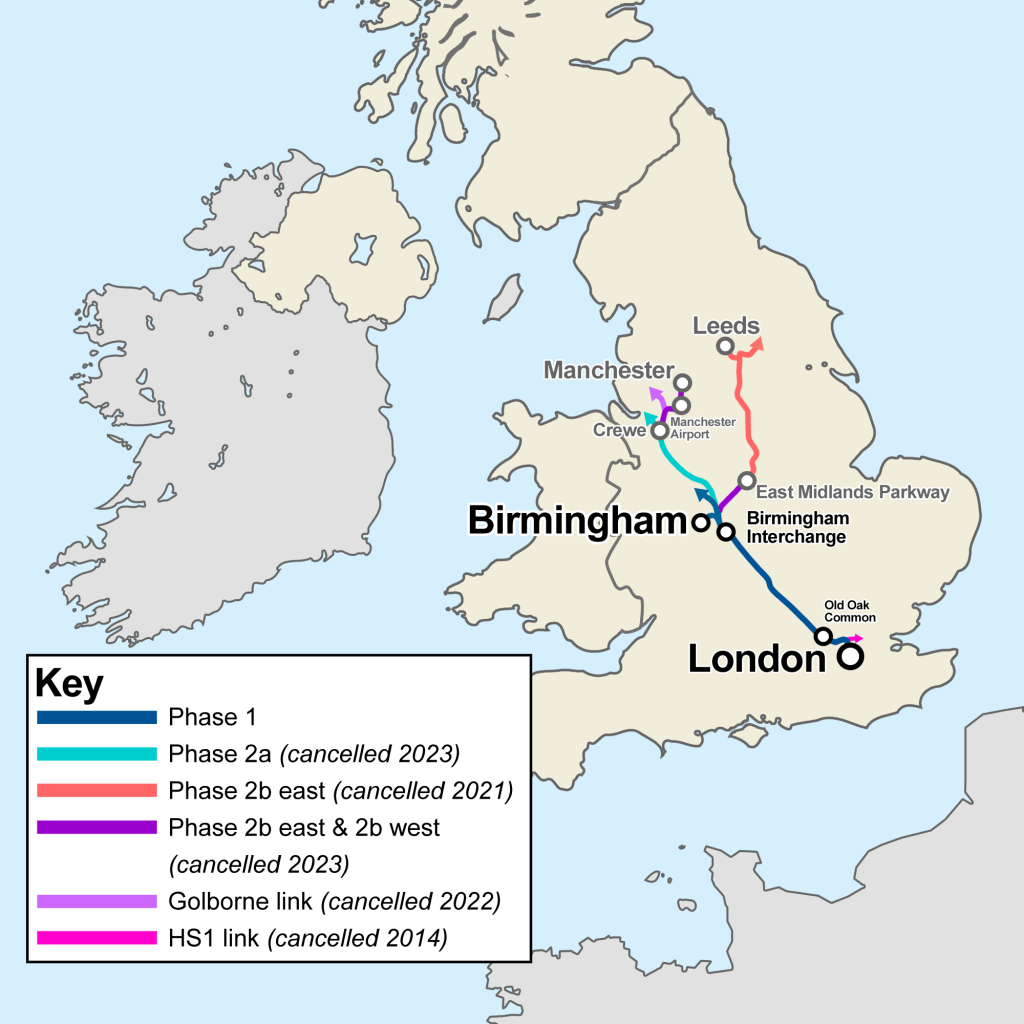
A fuller history/chronology of the HS2 programme, published by The Railway Magazine (19 May 2026), is available here
And the saga rolls on…
A subterranean railway hub is currently under construction at Old Oak Common (linking HS2, Great Western Railways, and the Elizabeth Line). Completion of the Old Oak Common to Birmingham leg is now not expected to be completed until well into the 2030s. Full completion of the truncated HS2 dream – with London Euston and Old Oak Common connected – is now being projected into the 2040s.
And here’s the rub…
In early 2020, the state-owned China Railway Construction Corporation (CRCC) sent a proposal to HS2 Ltd offering to build the network within 5 years at a significantly lower cost. No contracts or agreements were ever awarded.
Now, I don’t pretend to understand the minefield that is political and security concerns between us and nations such as China but I know who my money would have been on!
Striking, too, that one of the food outlets at Yuyuan Bazaar, yesterday, was proudly displaying a video of then Prime Minister Keir Starmer buying from and eating at their place. he had made a State visit in January 2026.
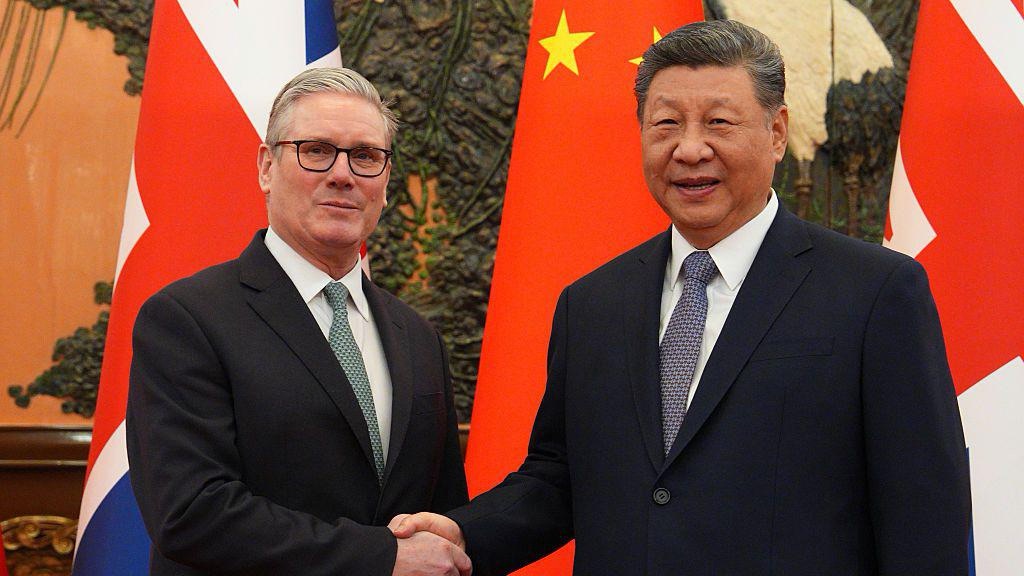

It seems to me that we are all grown up now, and accepting that China absolutely knows what they are doing so far as high-speed railway network development is concerned makes any other concerns necessarily negotiable?
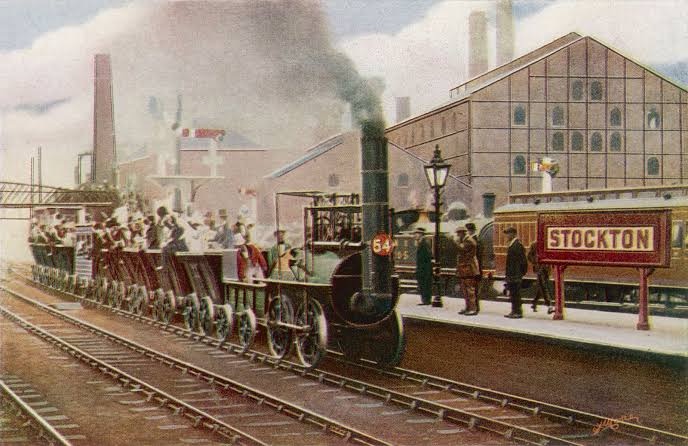
We are rightly proud of the achievements of our past but the big ones rest in the mists of time…
We identified Guilin as a must-go-to place because we wanted to see another side of China, after the wonders of big city Beijing/Xi’an/Shanghai.
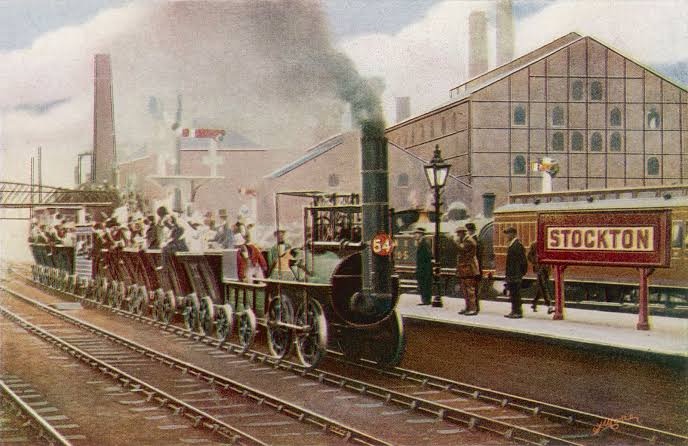
Essentially, from this…
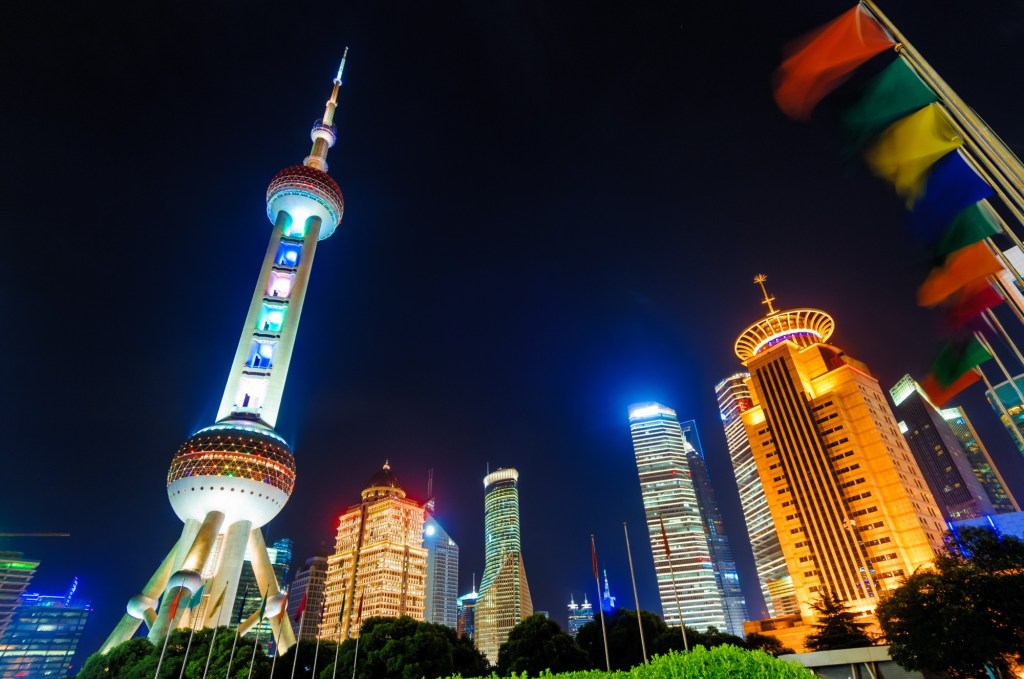
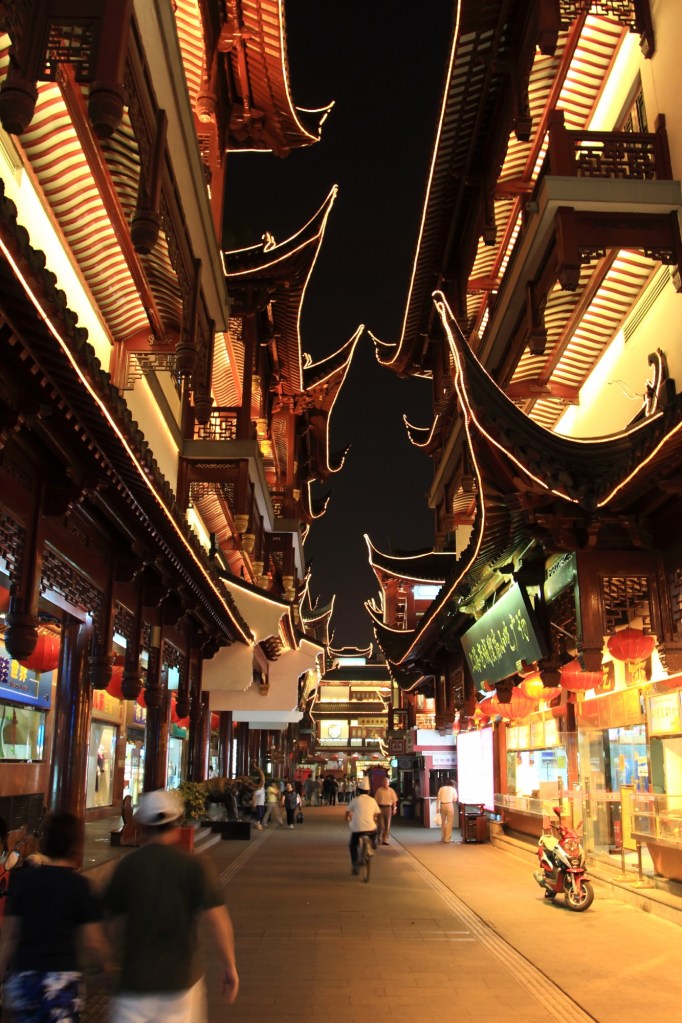
… to this…


… on this…
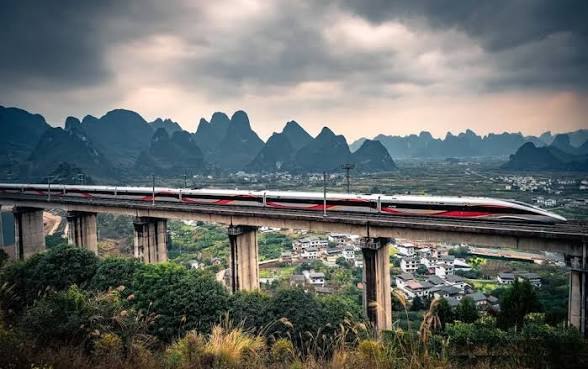
… not this…
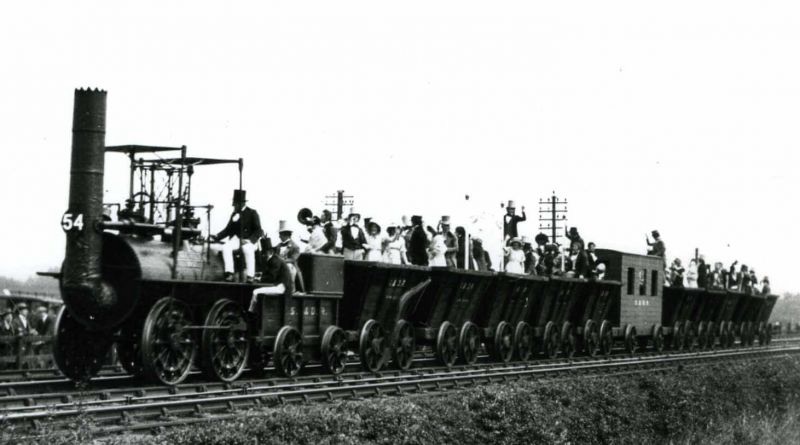
The clue is in the name:
桂 (guì): Sweet osmanthus tree
林 (lín): Forest or woods
Quite the contrast!
Previous China daily blog posts here


Leave a Reply