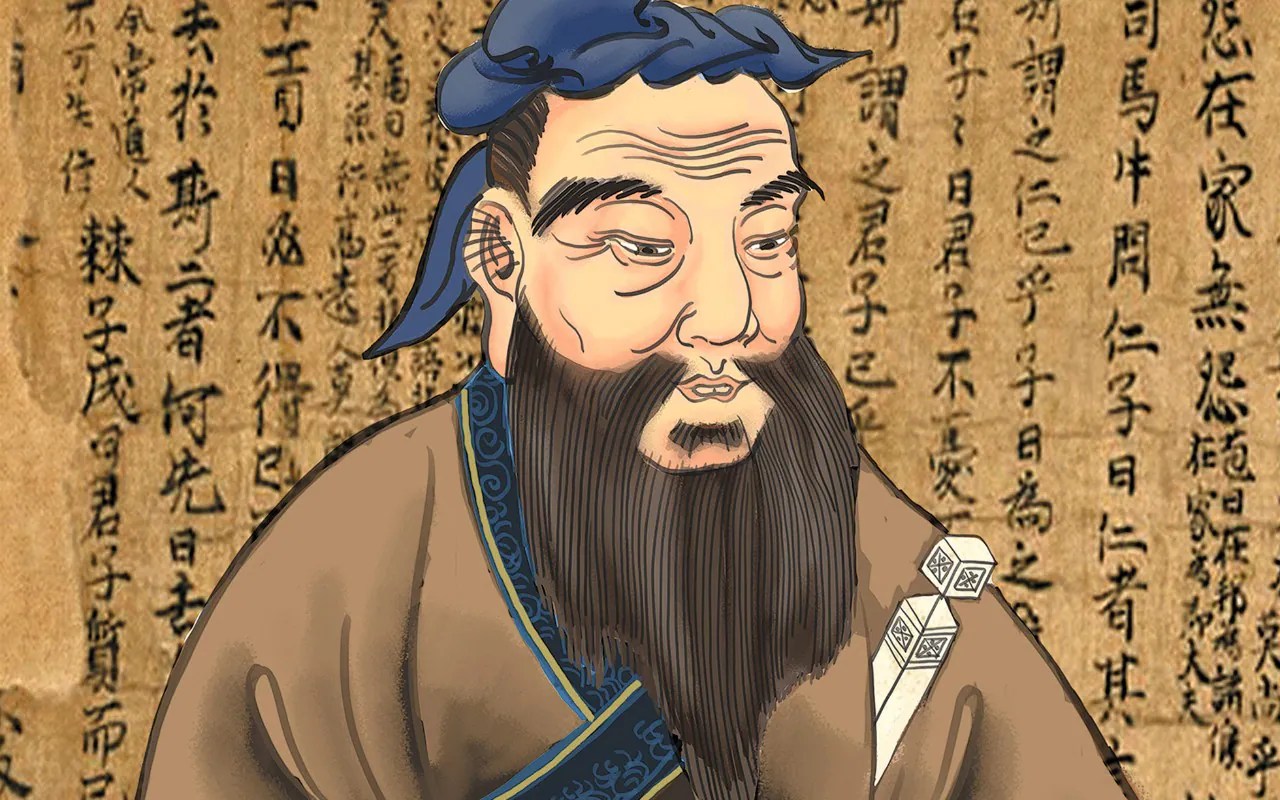
Hong Kong is not a country; it is a special administrative region (SAR) of China.
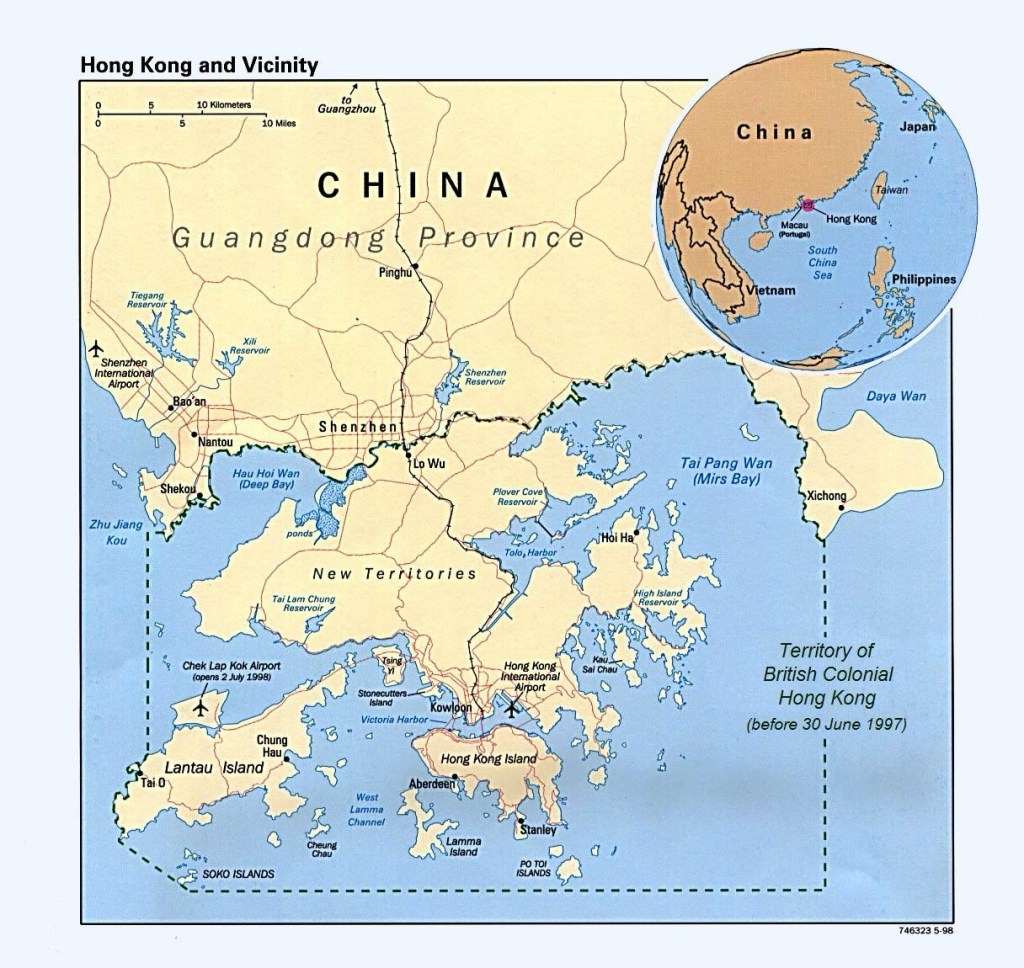
The literal meaning of 香港 is ‘Fragrant Harbour’.
With 7.5 million residents in a 1,114-square-kilometre (430 sq mi) territory, Hong Kong is the fourth-most densely populated region in the world.
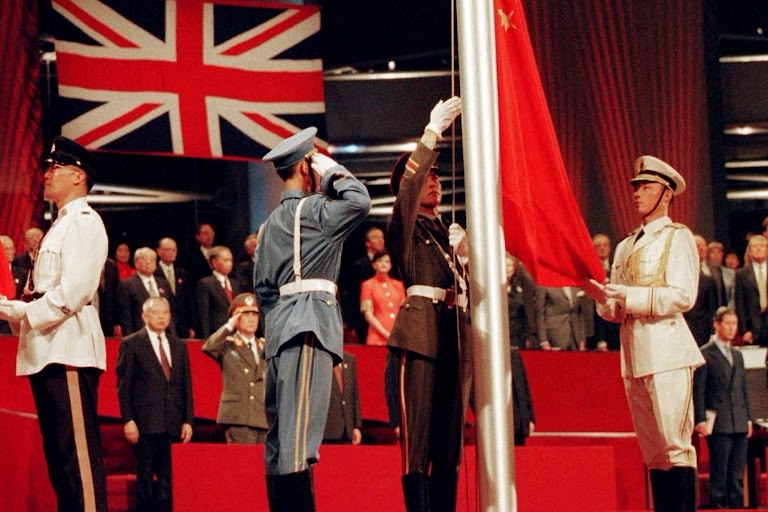
Sovereignty over Hong Kong was transferred from the United Kingdom to the People’s Republic of China on 1 July 1997, after 156 years of British rule.
Under the ‘One Country, Two Systems’ framework, Hong Kong maintains a high degree of autonomy. It operates a separate legal (derived from English common law principles and local judicial precedents set by the courts), monetary (Hong Kong dollar), and economic system from mainland China.
A brief history of British occupation:
1. Cession of Hong Kong Island (1842)
- Trigger: The First Opium War between Britain and Qing China.
- Agreement: The Treaty of Nanking in 1842 (preceded by the 1841 Convention of Chuenpi).
- Area: Hong Kong Island and Stonecutters Island (later grouped) were ceded in perpetuity to the British Crown, turning the area into a military and trading outpost.
2. Acquisition of the Kowloon Peninsula (1860)
- Trigger: The Second Opium War.
- Agreement: The Cinvention of Peking in 1860.
- Area: The southern tip of the Kowloon Peninsula (up to Boundary Street) and Stonecutters Island were also ceded in perpetuity to provide a buffer and deep-water harbour defence for Hong Kong Island.
3. Lease of the New Territories (1898)
- Trigger: Weakening of Qing China after the First Sino-Japanese War, leading to Western “scramble for concessions”.
- Agreement: The Convention for the Extension of Hong Kong Territory in 1898.
- Area: The rural mainland area north of Kowloon and over 200 outlying islands (the New Territories) were leased for 99 years, starting July 1, 1898, and expiring on June 30, 1997.
Handover / Return to China (1997)
- Negotiations: Because the New Territories made up over 90% of the colony’s land and infrastructure, and separating the territories was deemed impractical, the UK and China negotiated the future of the entire colony in the 1980s.
- Agreement: The Sino-British Joint Declaration was signed in 1984.
- Transfer: British colonial rule officially ended at midnight on 1 July, when sovereignty over all of Hong Kong was transferred to the People’s Republic of China under the “one country, two systems” framework
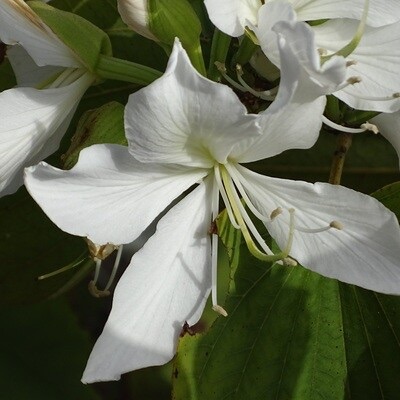
Hong Kong’s flag was adopted and first hoisted at the Handover in 1997. It has at its heart, the bauhinia flower, a traditional emblem of Hong Kong; previously it had appeared on colonial stamps and coins. The five petals and red stars reflect the use of that number in traditional Chinese symbolism and represent the five major regions of China. Red evokes both communism and the traditional Chinese colour for happiness.
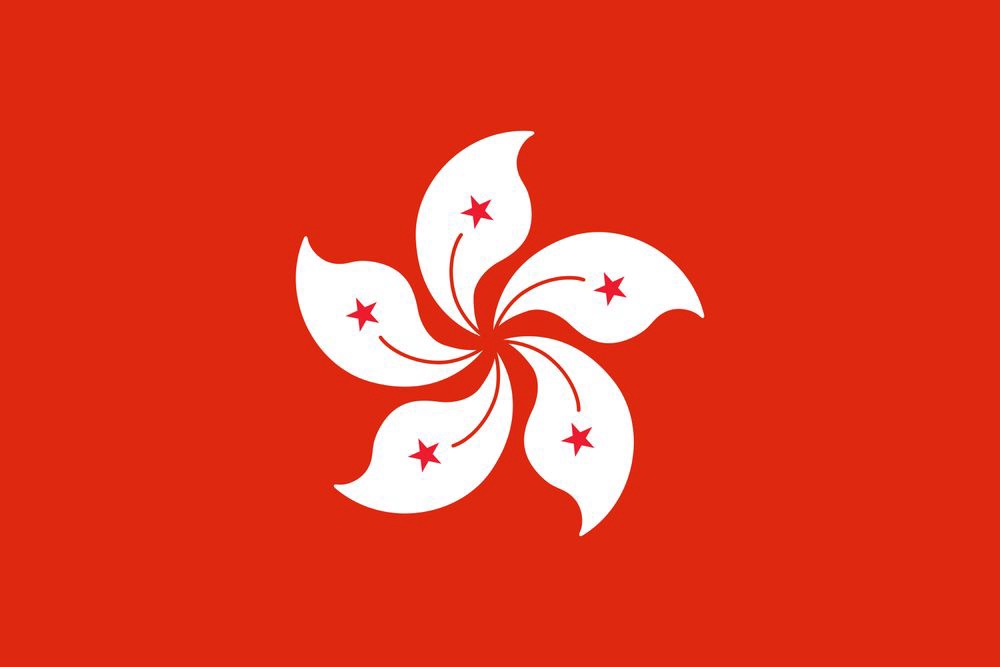
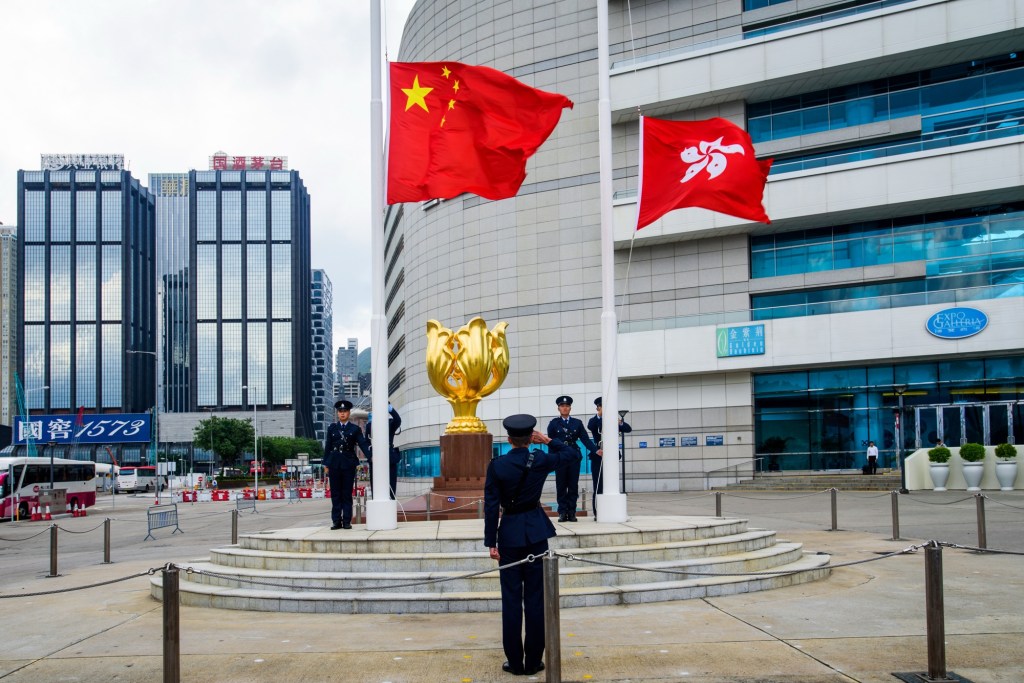
The Hong Kong flag may only be displayed together with and subordinate to the Chinese national flag.
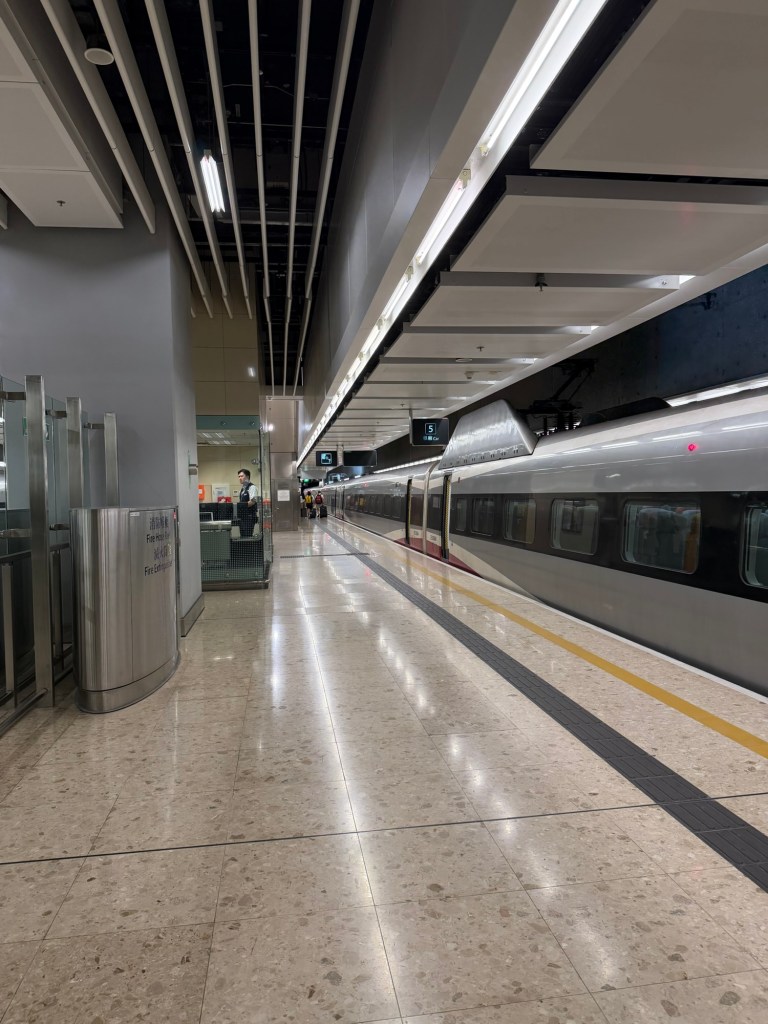
And here we are, Hong Kong…
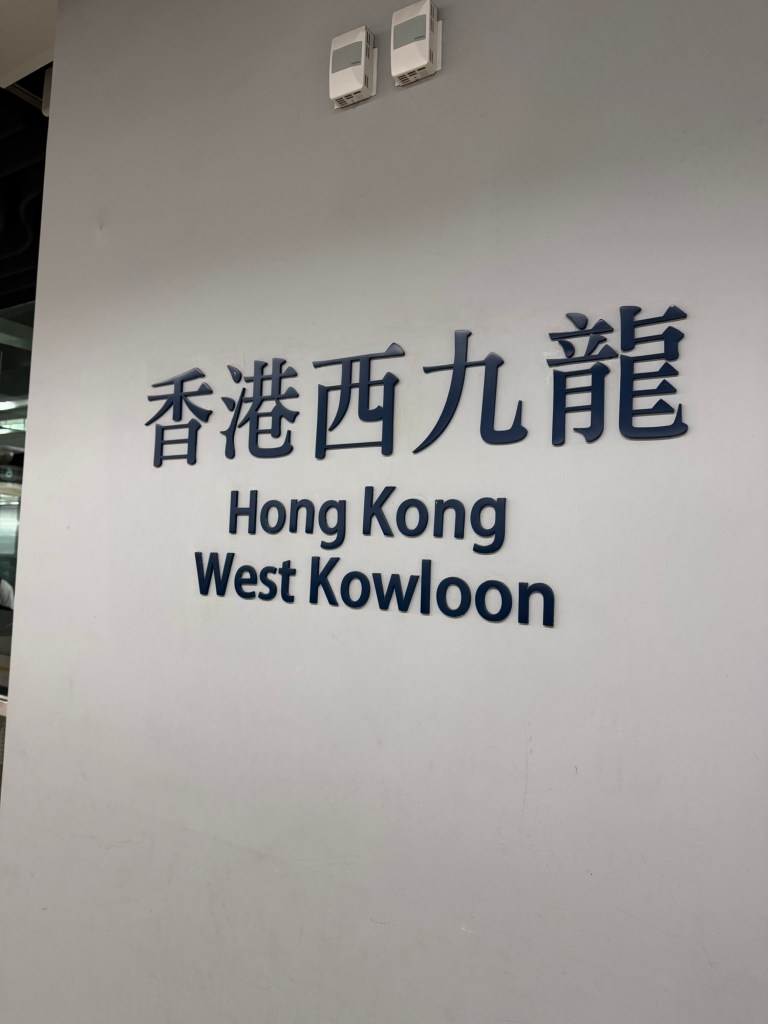
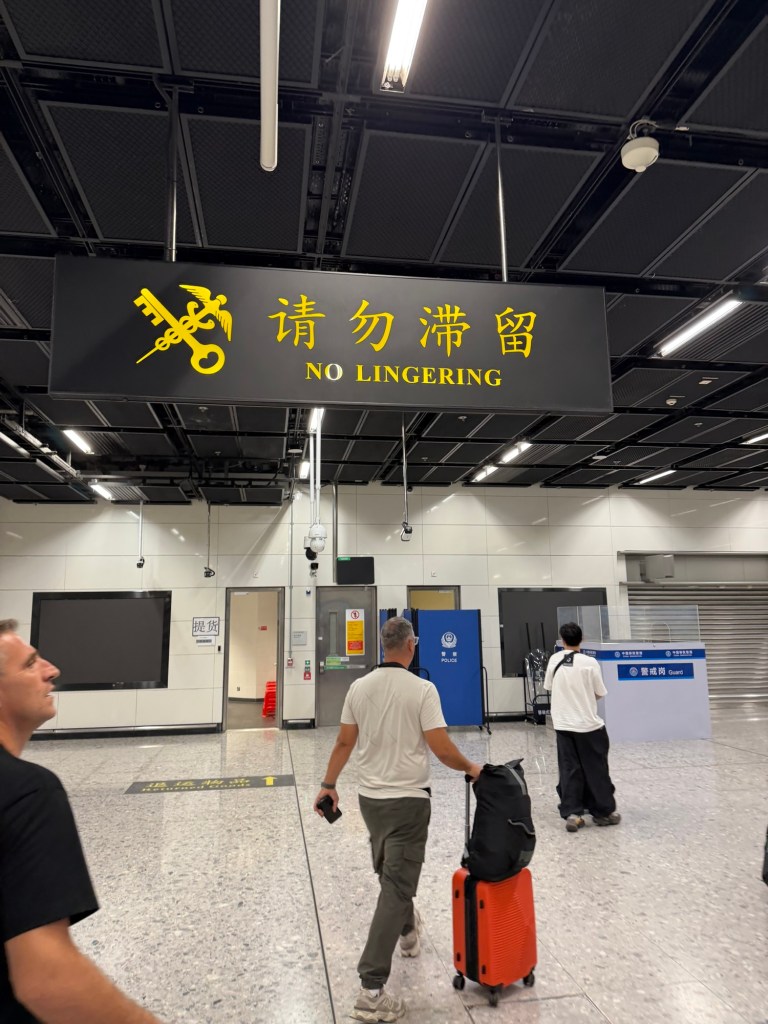
Bit of a gripe. After the sublime efficiency of DiDi on the China mainland we switched to Uber for Hong Kong. After waiting 10 minutes, we received a message from the driver saying that he was low on petrol and would be a further 10 minutes. We cancelled and re-ordered. This was a good thing, for the lady who came was absolutely delightful. We had a very interesting chat with her – a proud Hong Konger, born and bred – about happenings in Hong Kong over the past few years.
Hong Kong Harbour has drawn the attention of scores of artists over the years…
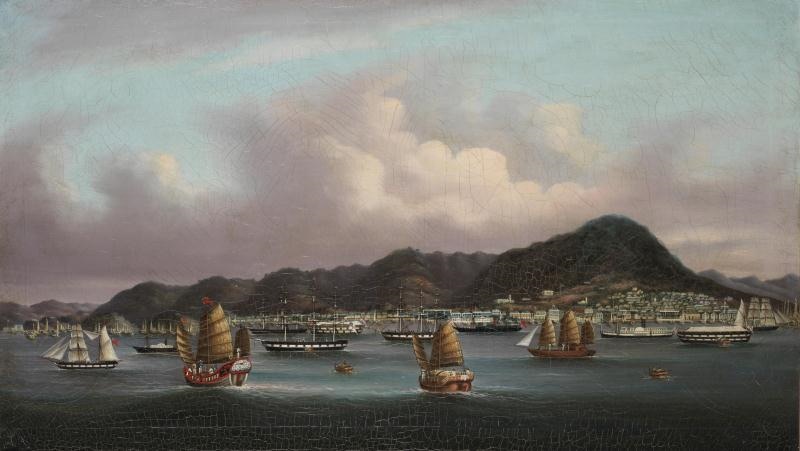
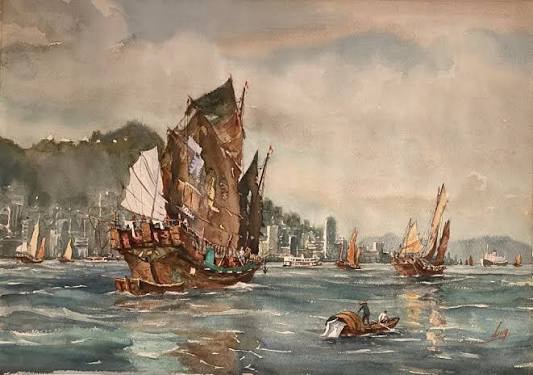
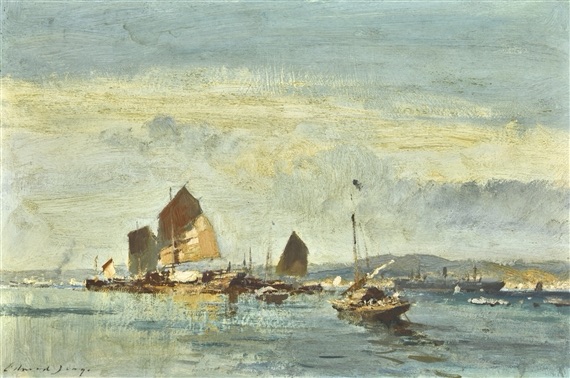
The Squall, Hong Kong Harbour, painted in 1962 by Edward Seago
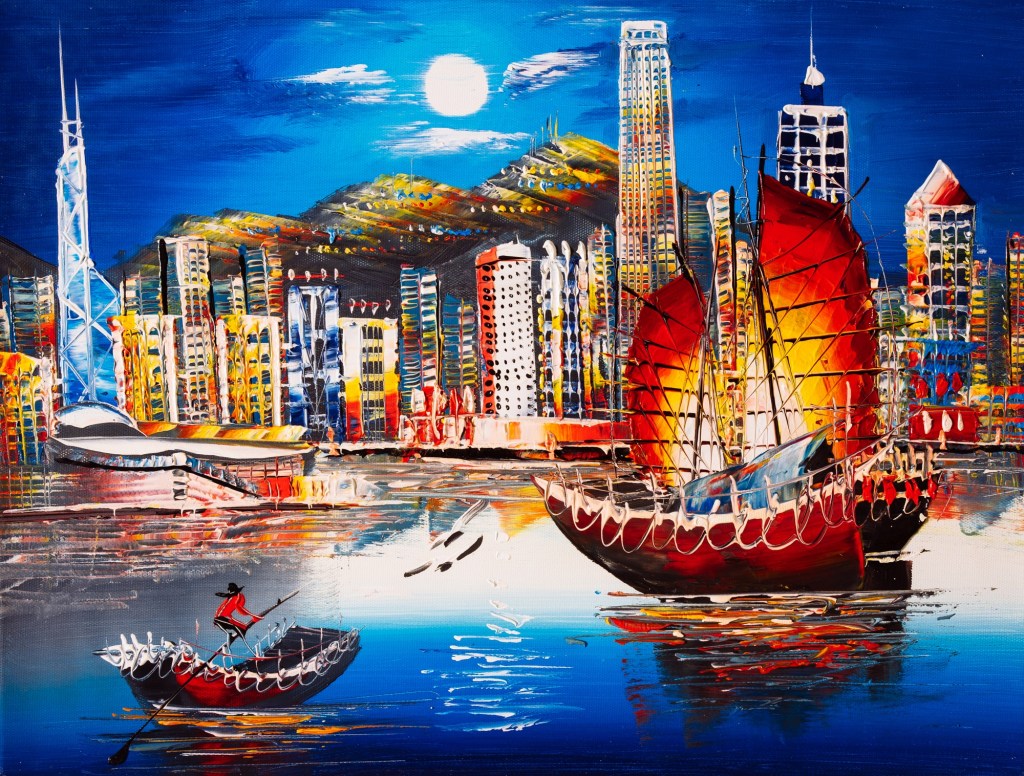
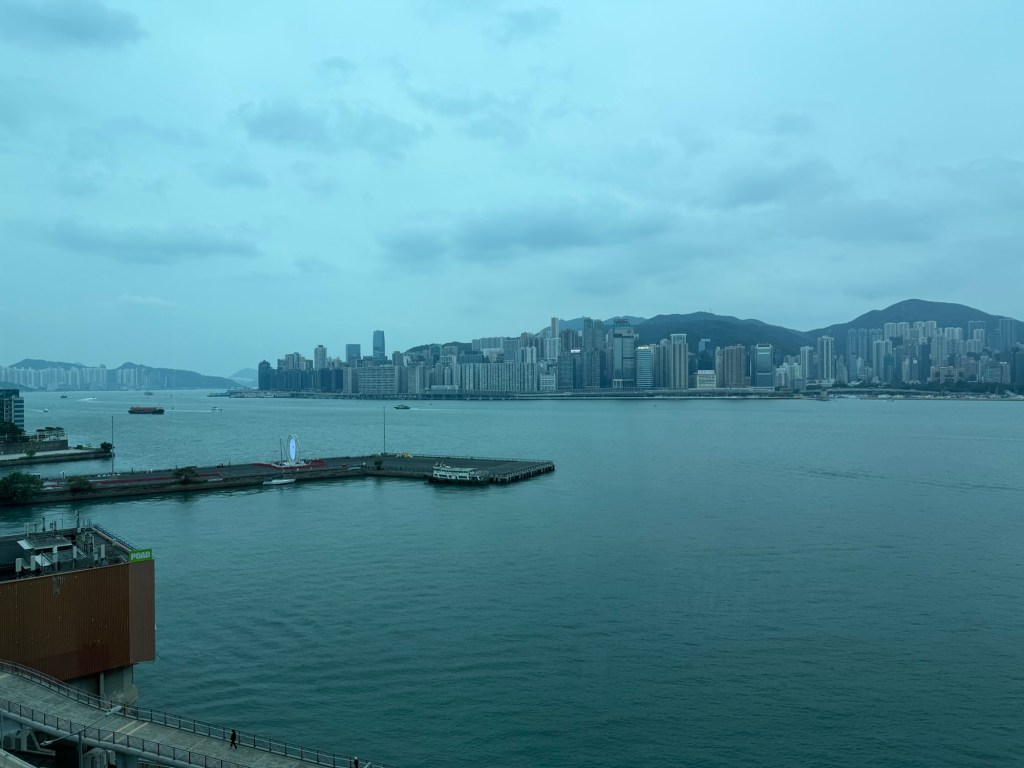
We chose Hong Kong Harbour as our base. At least, our hotel looked out over the harbour…

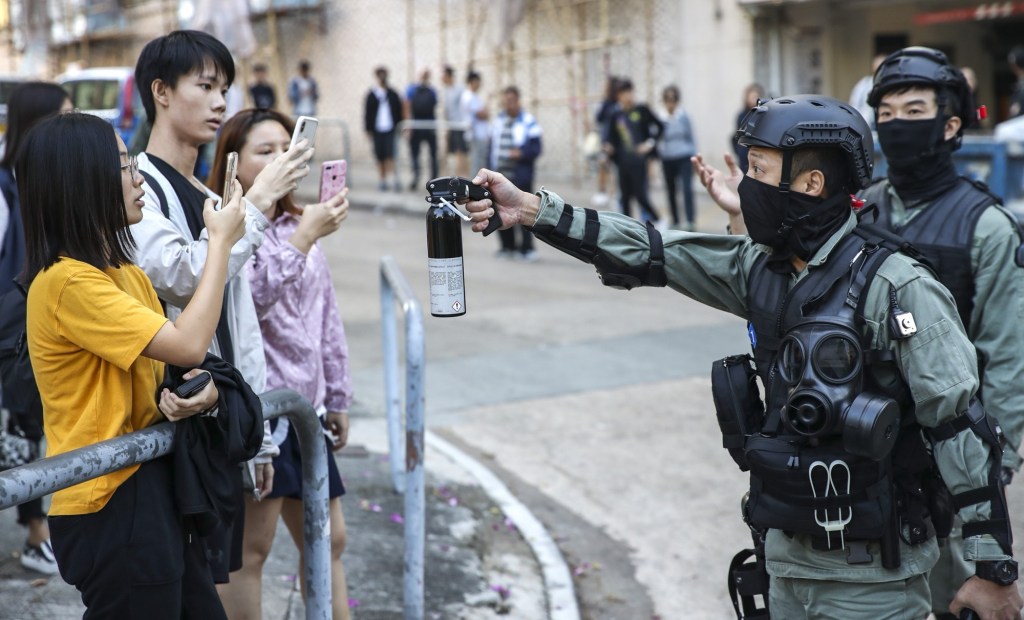
As said, our conversation with the lady Uber driver was an interesting one. In 2019, proposed changes to Hong Kong laws sparked fear that residents could be subjected to the mainland Chinese legal system. The change would have allowed for extraditions to mainland China. It is estimated that up to 2 million Hong Kongers took to the streets. Demonstrations frequently escalated into violent confrontations between frontline activists and police deploying tear gas, rubber bullets, and water cannons.
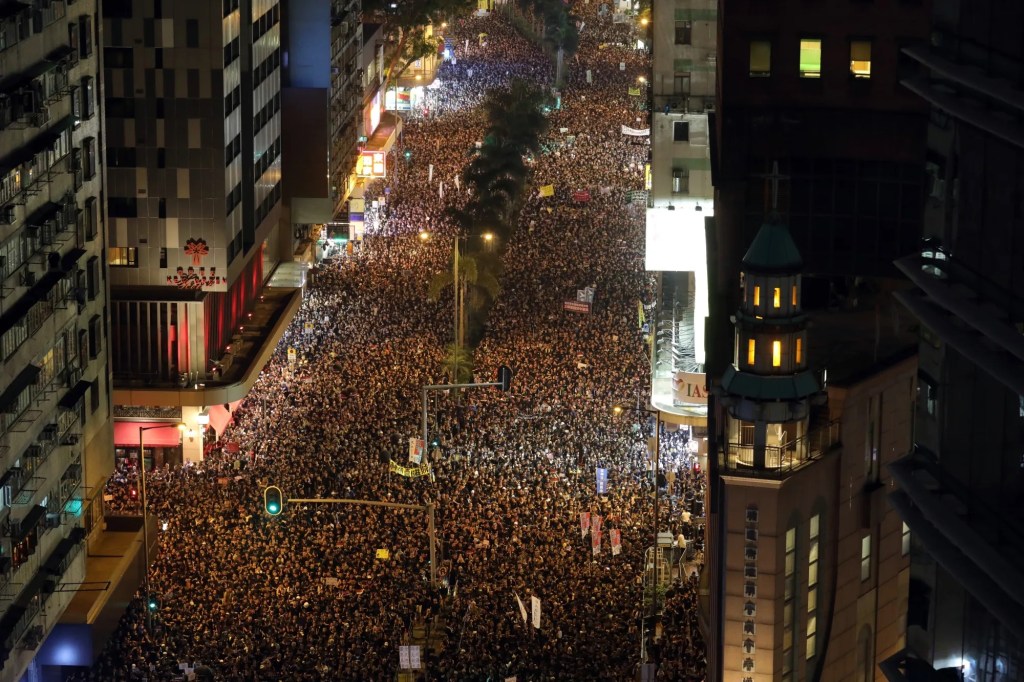
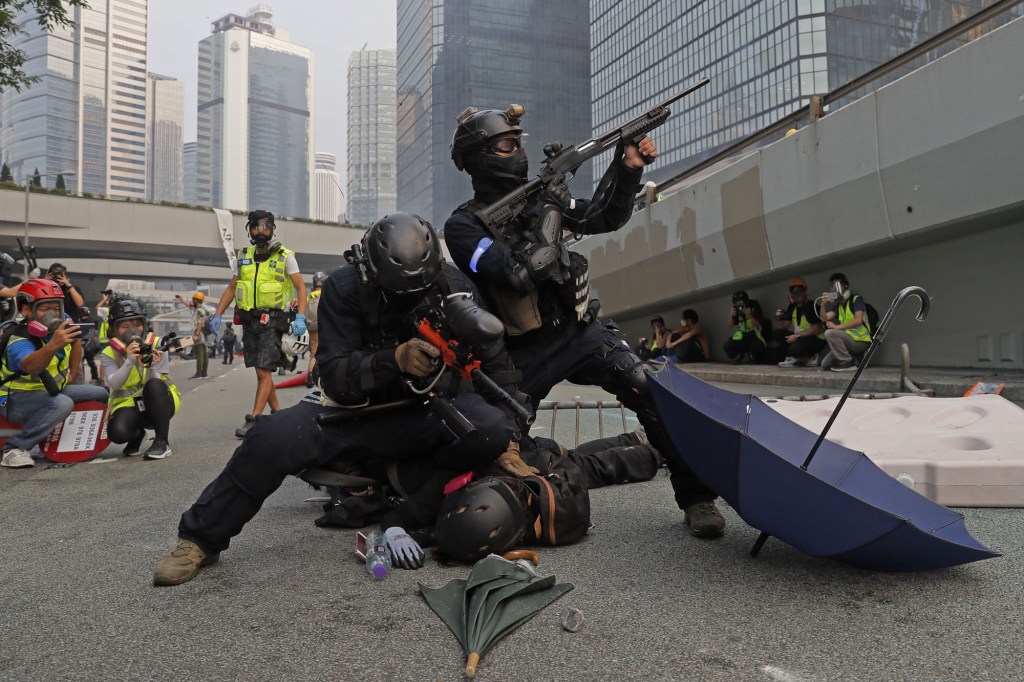
The Extradition Bill has now been dropped but protest movement organisers remain vigilant.
The movement prompted a number of adaptations of art, such as…
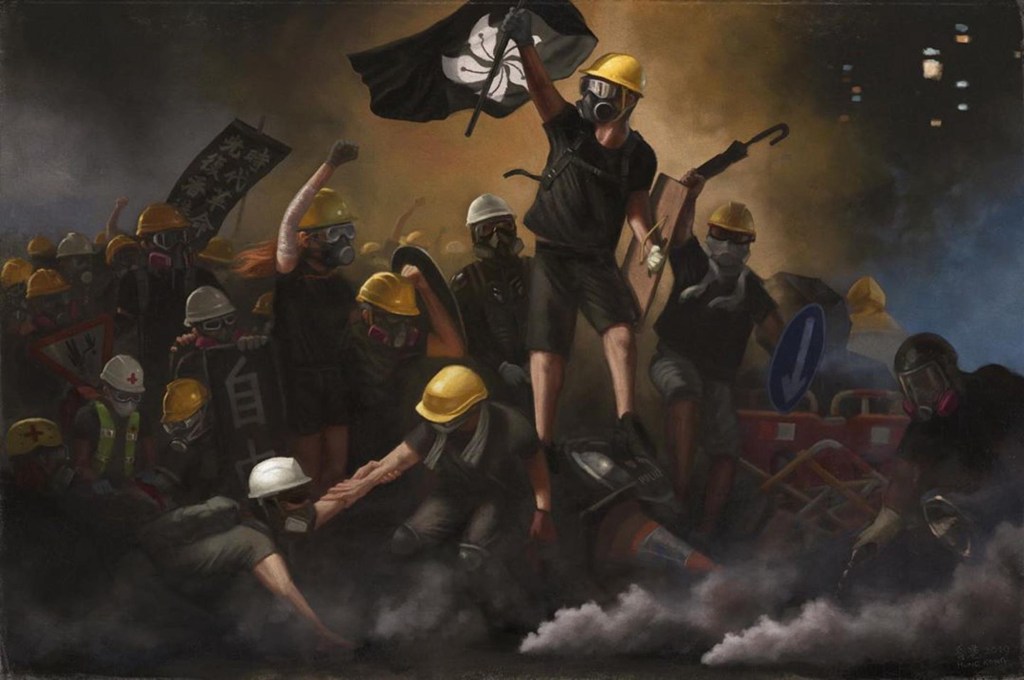
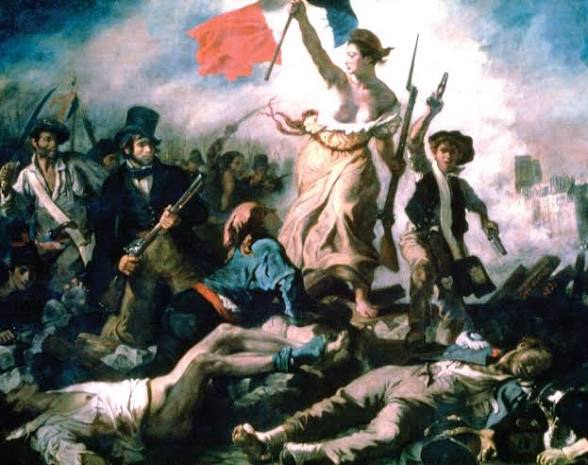
Liberty Leading the People, oil painting (1830) by French artist Eugène Delacroixcommemorating the July Revolution in Paris that removed Charles X, the restored Bourbon king, from the throne.
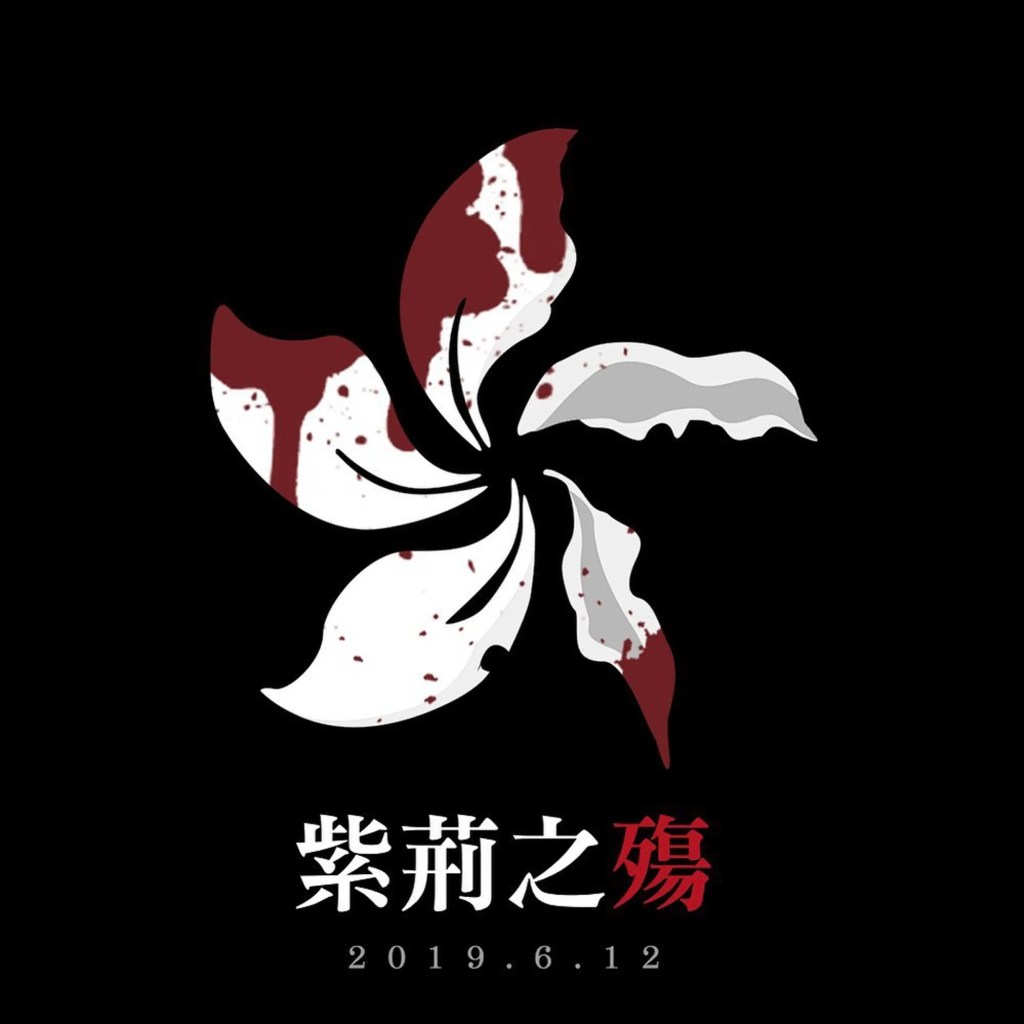
Y created this image of a bloodstained black-and-white bauhinia after police used tear gas and rubber bullets to disperse protesters outside Hong Kong’s Legislative Council
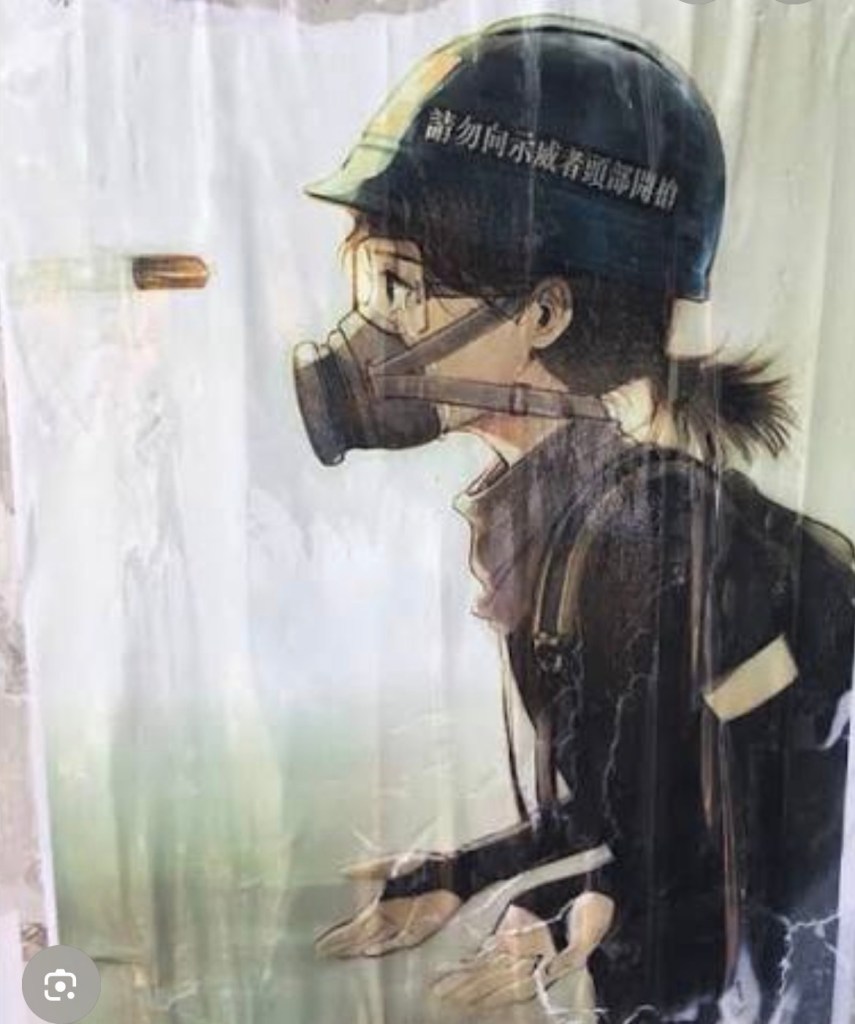
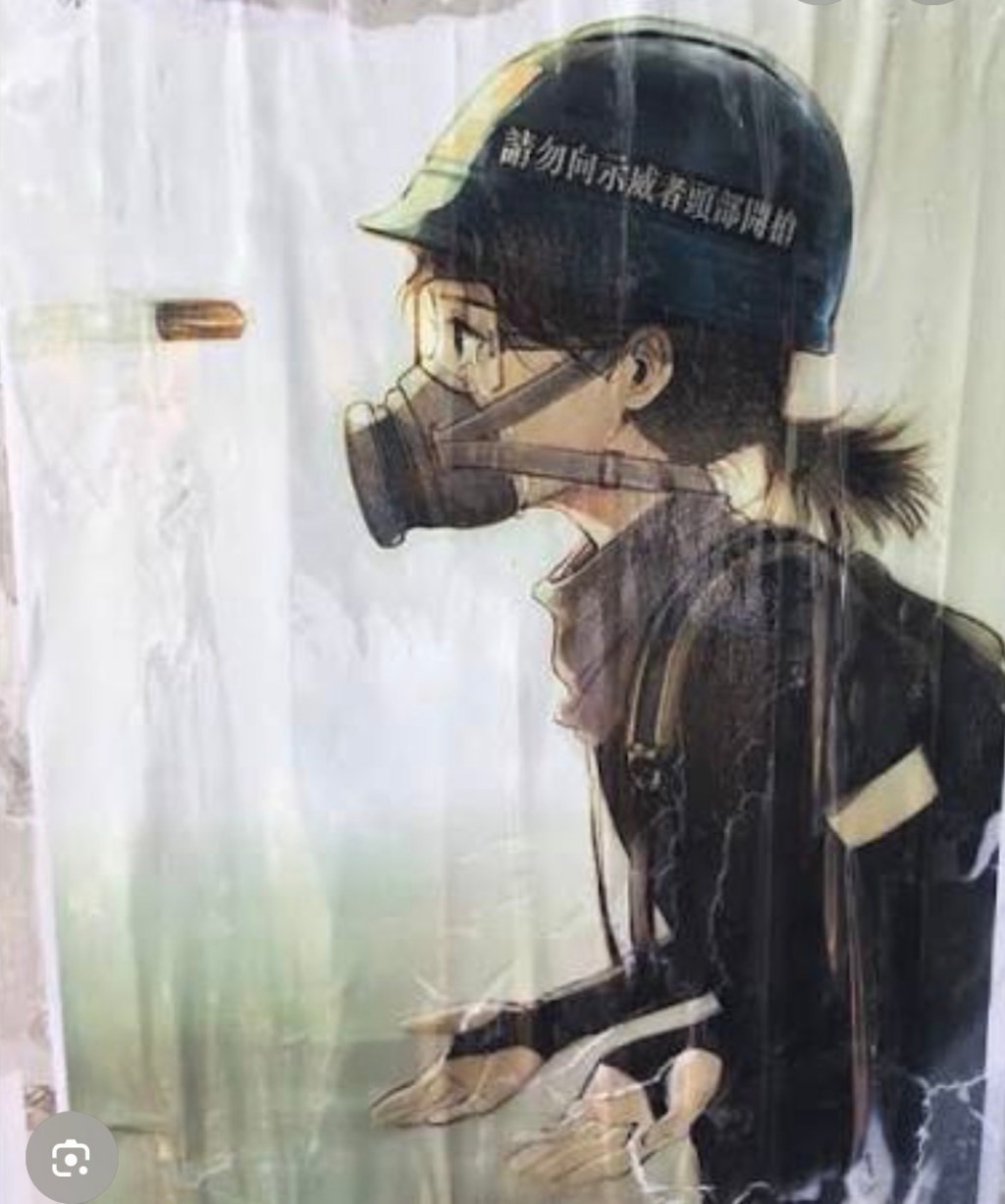
This poster shows a bullet heading towards a female protester standing with her hands in a gesture that seems to offer peace. The text reads: Please don’t shoot at the heads of the protesters.
There is always a place for art, it can be used to express so very much; good, bad, and anywhere in between.
And a picture really does paint a thousand words…
Previous China daily blog posts here


Leave a Reply