

Watermelon is probably not up there in your top 5 culinary delights but it is something that has featured strongly on the breakfast menu over here. And it is extremely tasty. The watermelon juice is also very flavourful and refreshing, too. It stands out in local food shops and supermarkets because of its very size.
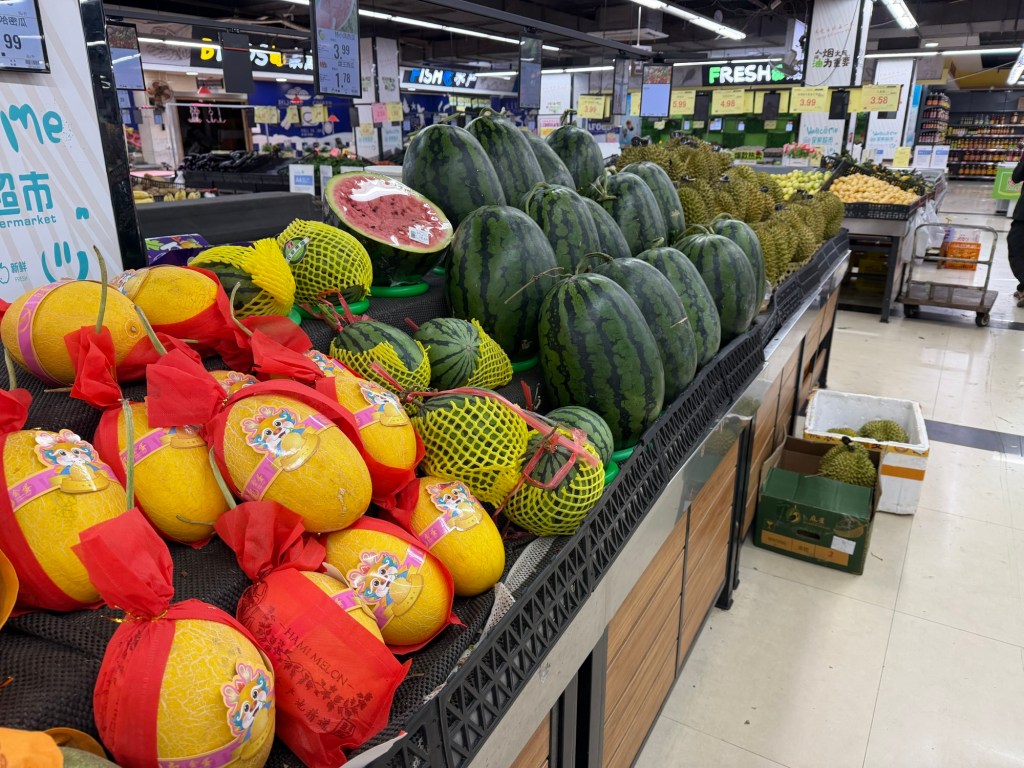
The substance that gives watermelon its red colour is lycopene. Lycopene is a natural compound that has antioxidant properties. It has been shown to reduce the risk of cancer, heart disease, and age-related eye disorders. Lycopene works to protect your cells from damage, and is great for keeping you hydrated. We were sure to front-load at breakfast.
As is the case with all countries we have visited in this region over the past few years, we have marvelled at the range of foodstuffs locals eat at breakfast. No Jamu to be had here mind; a big miss!
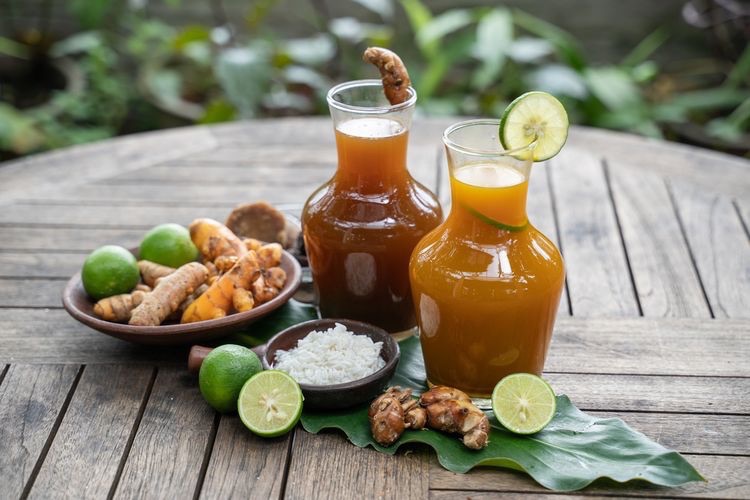
Jamu is a traditional turmeric juice from Indonesia that has been used for centuries to promote health and well-being. This juice is made from a variety of herbs and spices (among them, turmeric) that are believed to have medicinal properties. Jamu is a popular drink in Indonesia consumed daily by millions of people.
The ingredients used in jamu vary depending on the Indonesian region and the recipe. In Bali, jamu is made using turmeric, ginger, and lemongrass.
More on our Jamu experience in Bali, here.
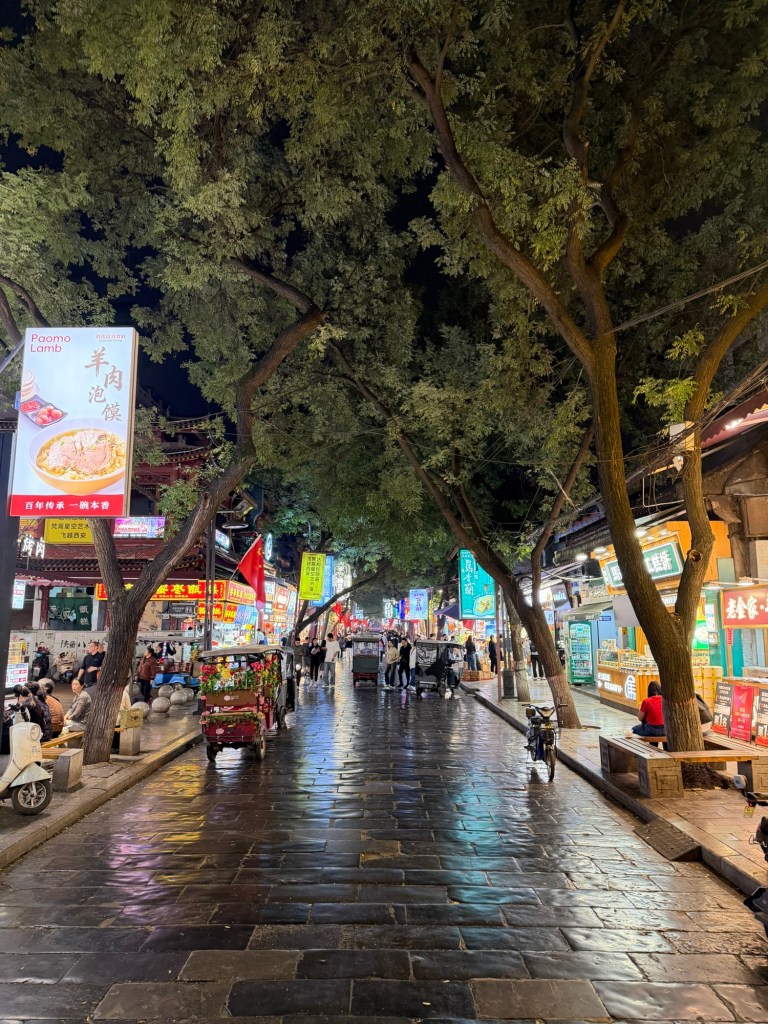
You might remember the fruit and veg at the Old Market when we were in Xi’an…
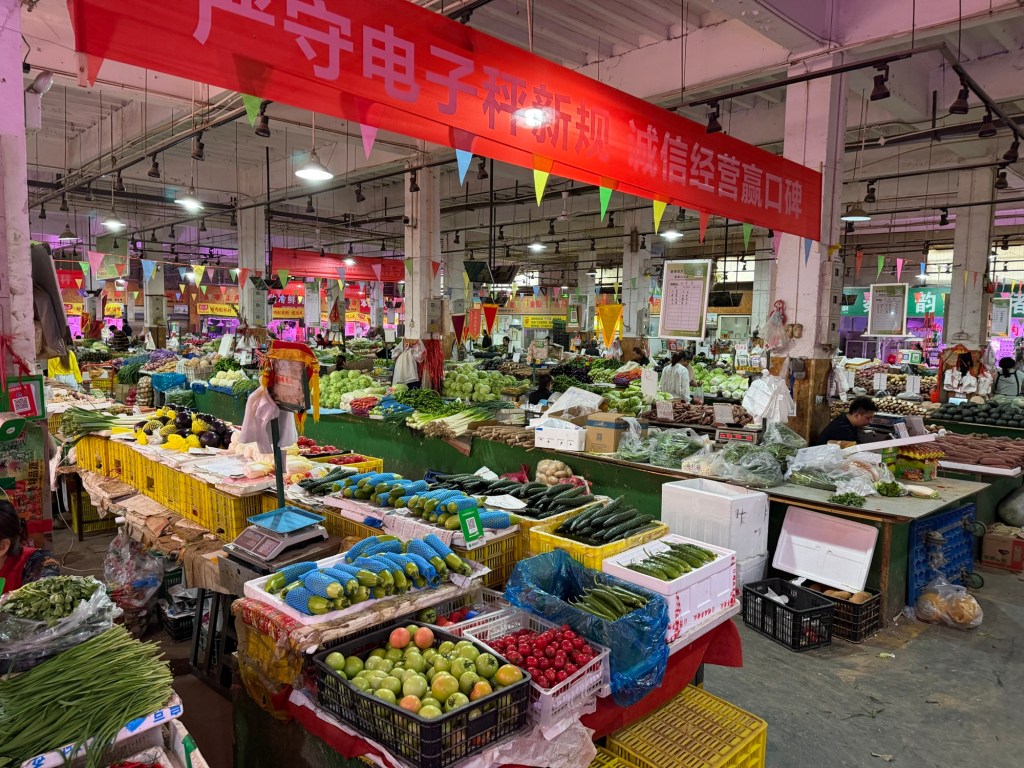
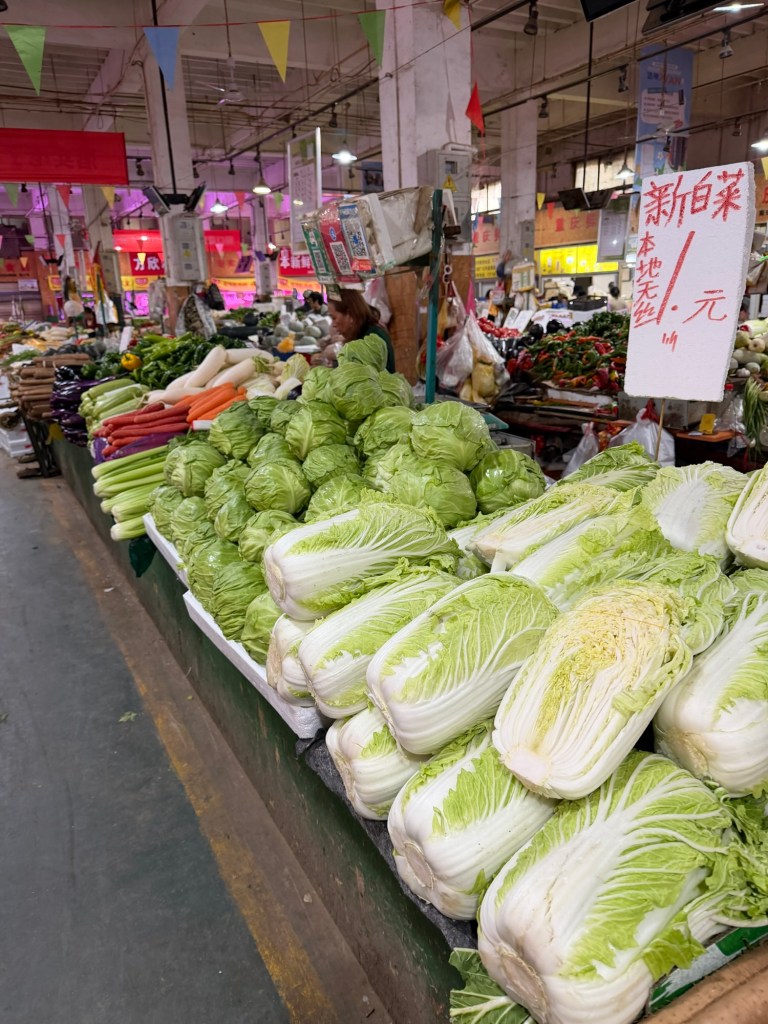
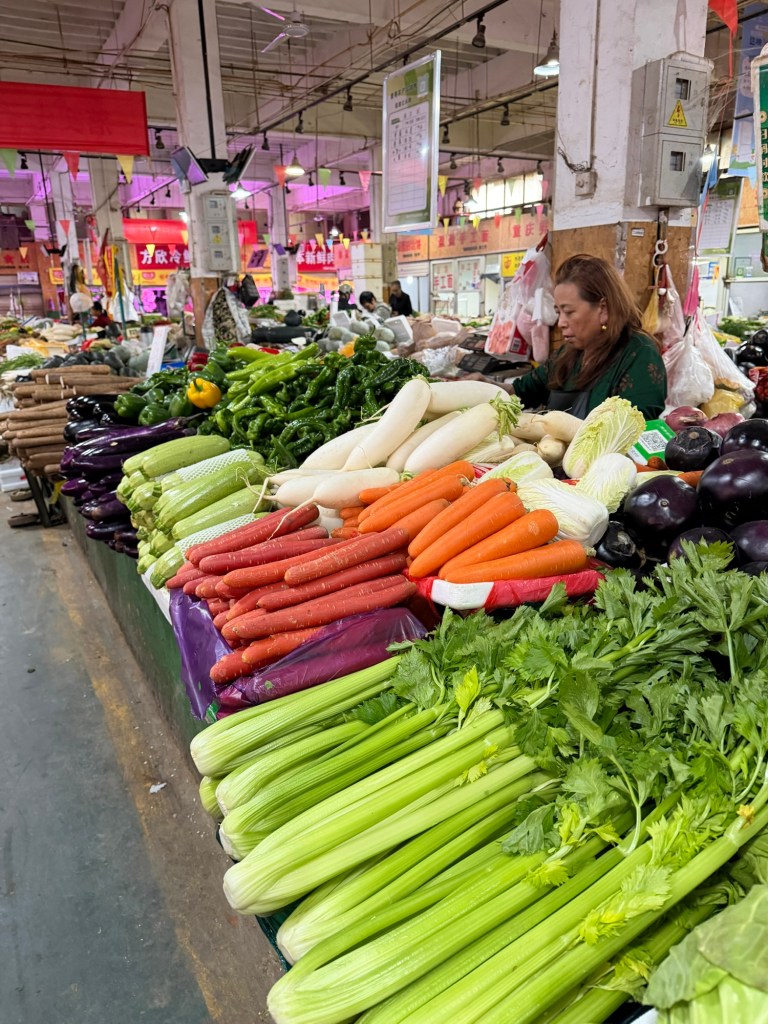
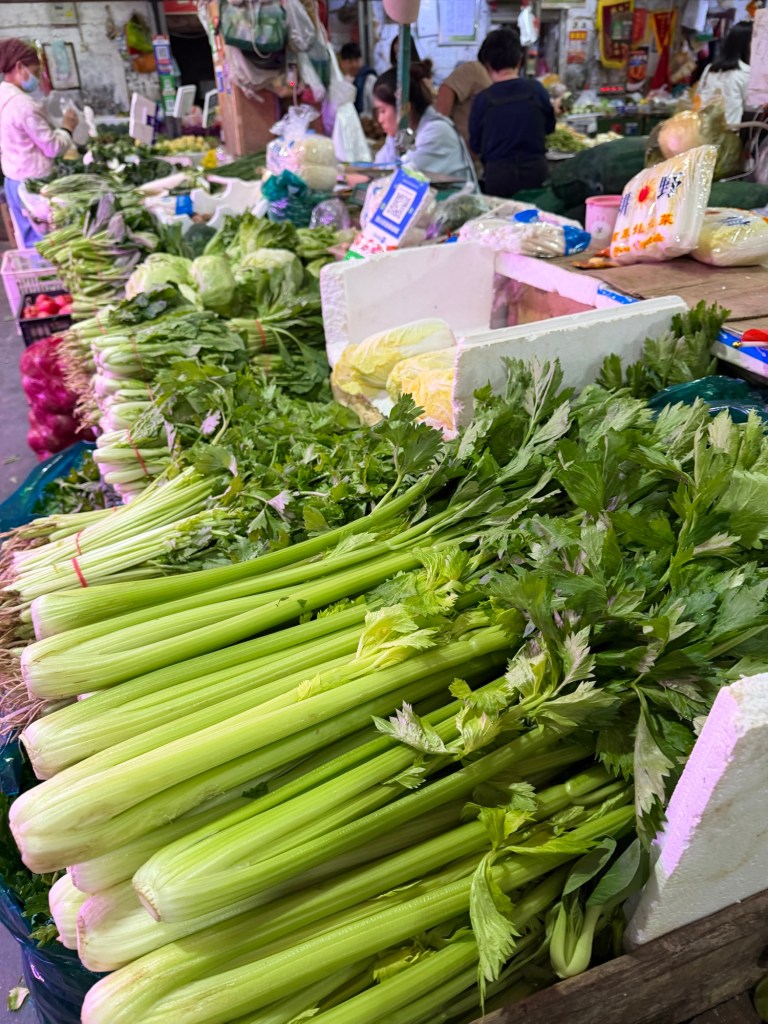
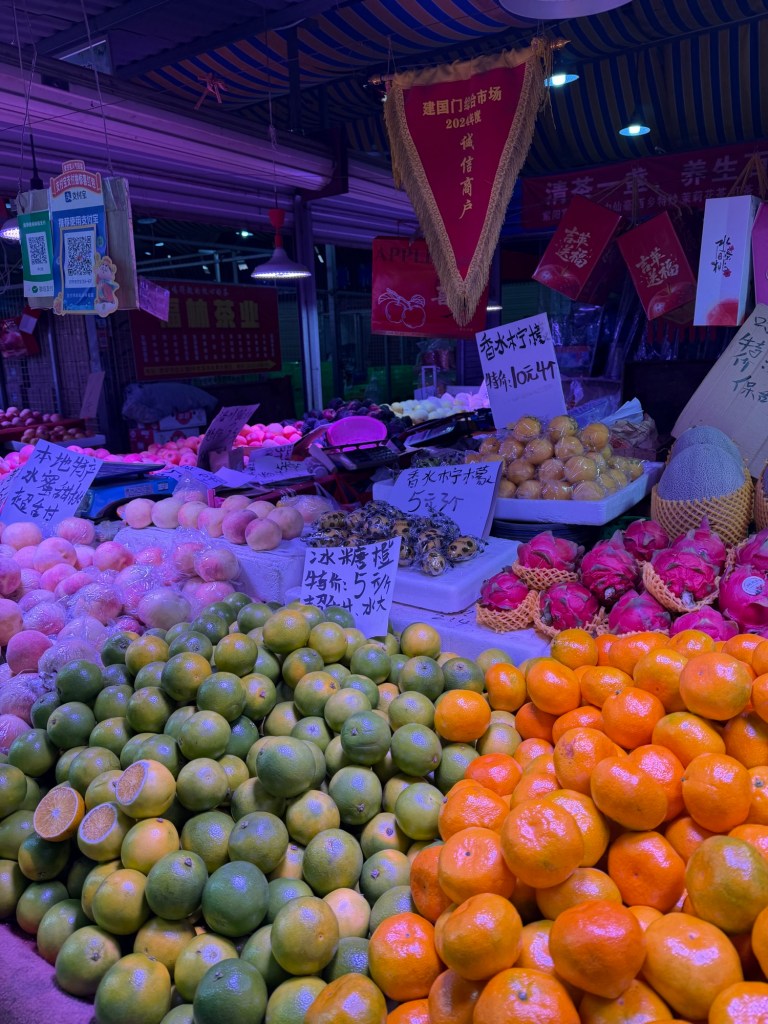
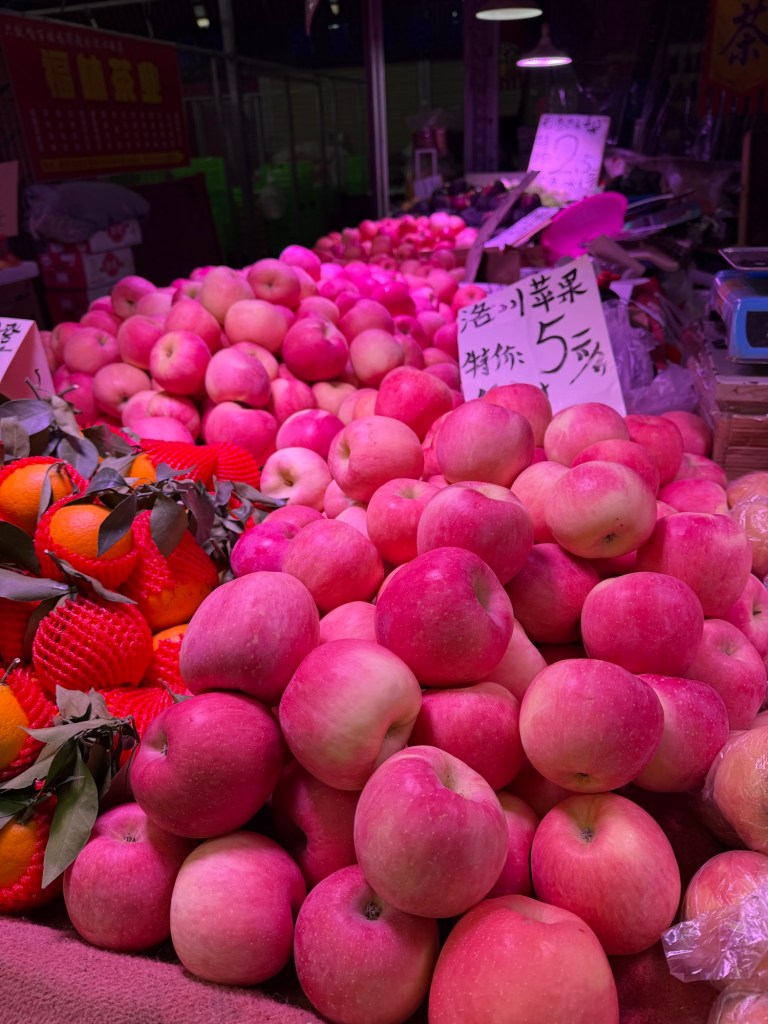
The quality is there wherever you shop.
We have travelled thousands of miles across China by train over the past few weeks. What is noticeable as you pass through the countryside is the mile upon mile upon mile of produce growing in the fields, along with fish farms in the more watery areas.
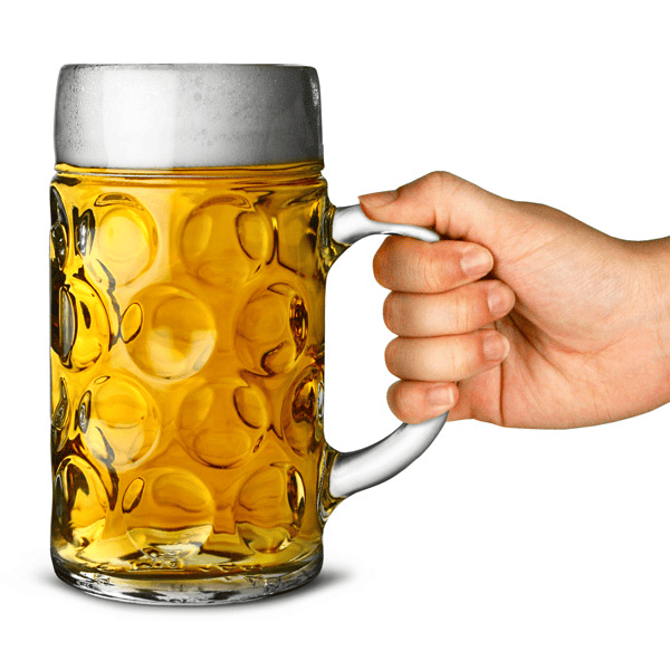
We have had some good meals over here, and some not so good; more down to our wants being lost in translation, truth be told. In one place we asked for a large beer and were handed a stein each! All part of the fun. Needless to say it wasn’t wasted!
Something else food-related that is unmissable is the shock of colour on shop shelves. You would be well advised to don a pair of your best shades when stepping in for a pack of gummy bears 😎
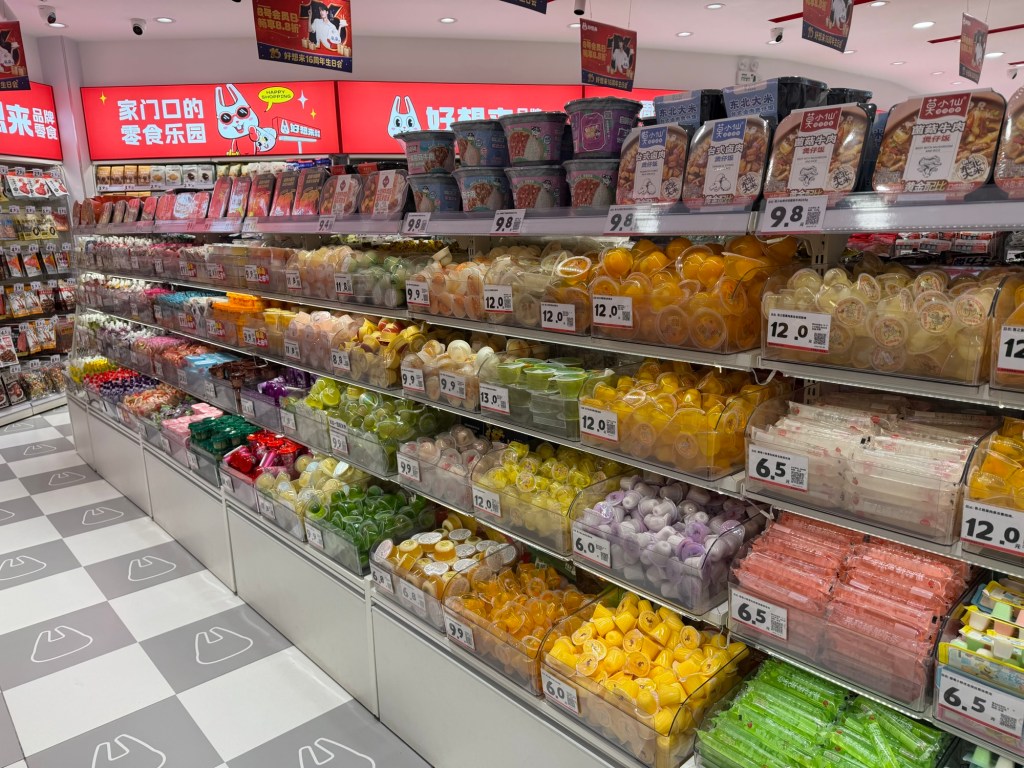
Aisle after aisle of pre-packed goodies…
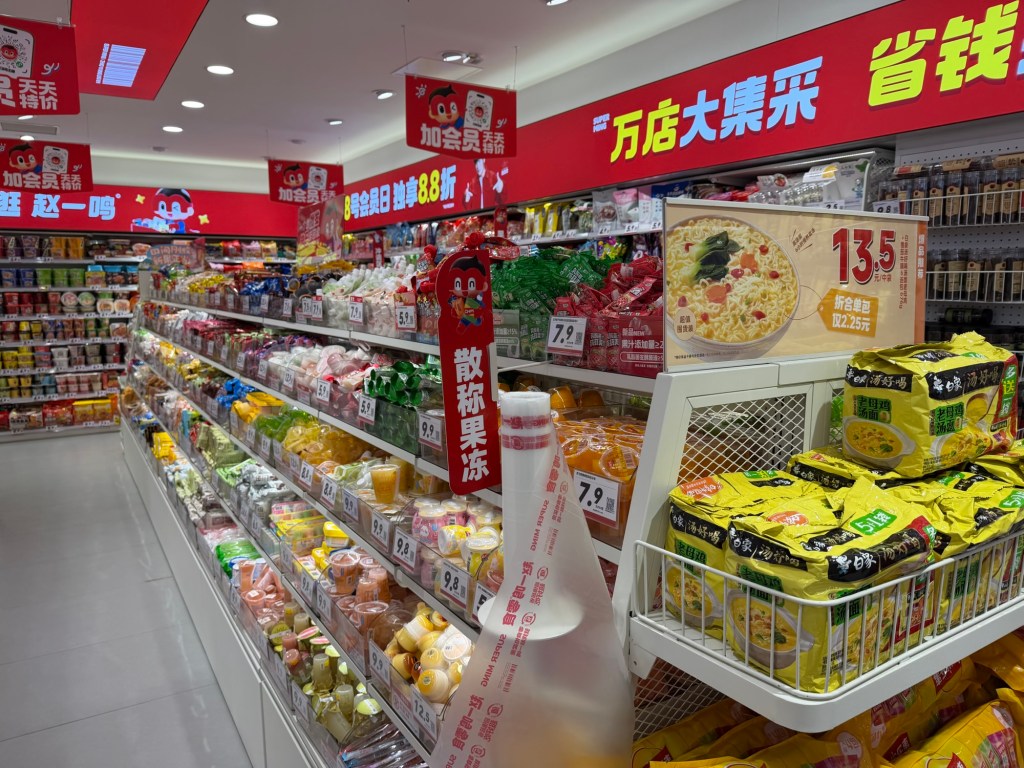
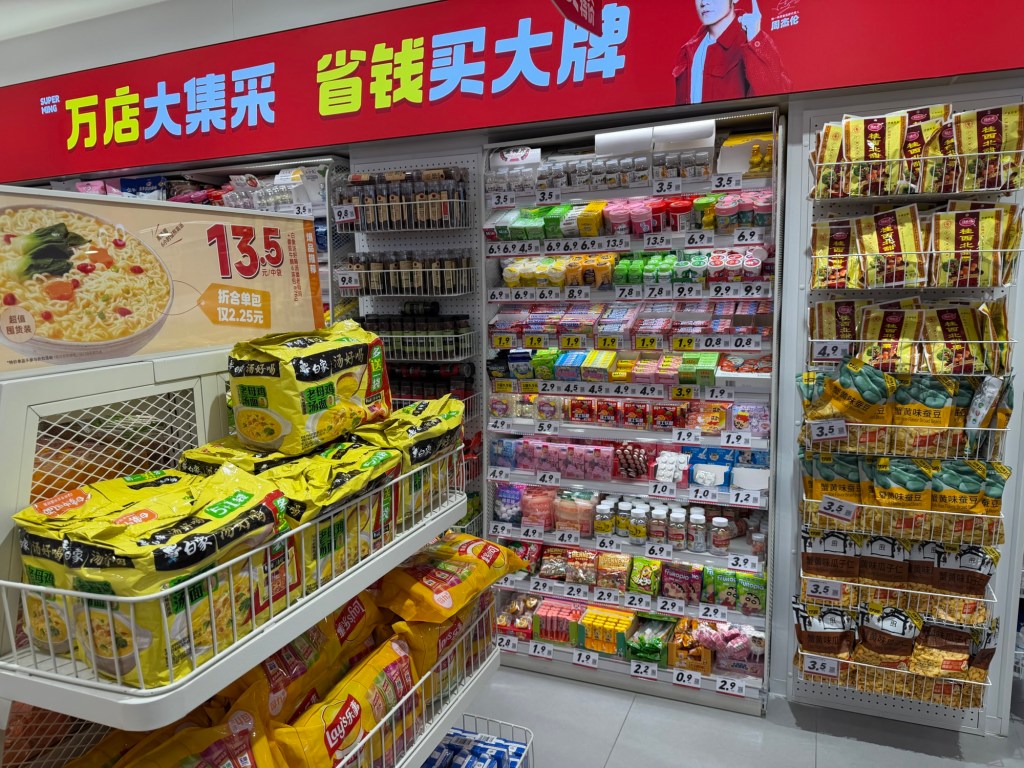
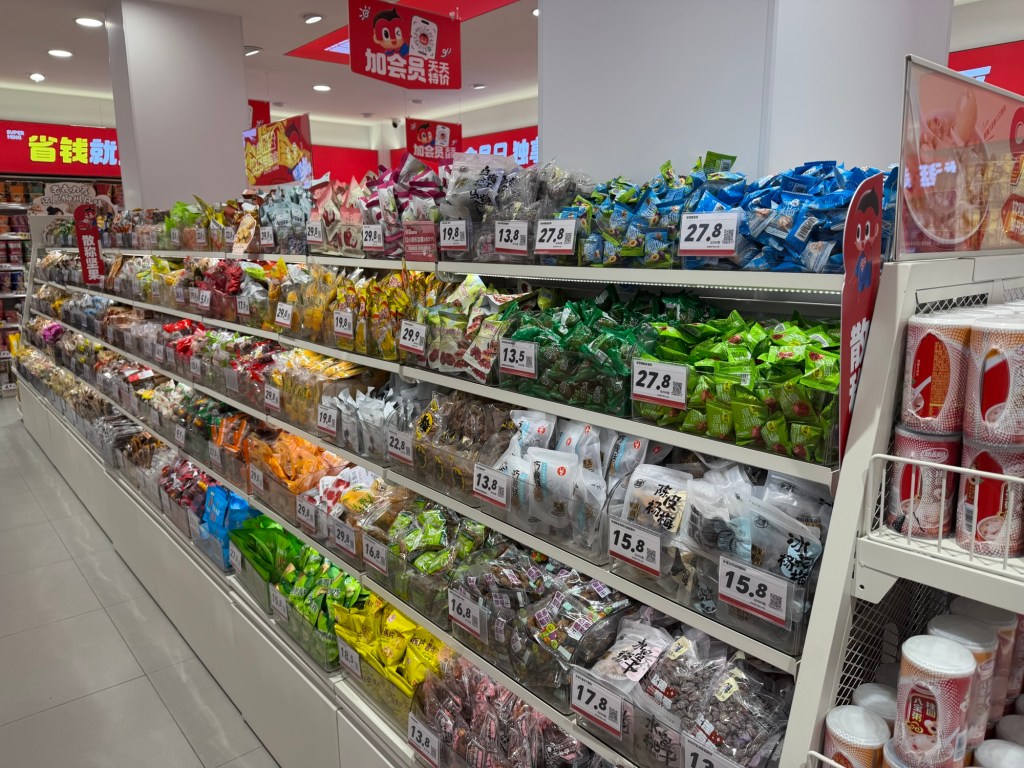
Three concerns hit the surface immediately:
- the contents of some of the packages;
- the nutritional value of much of it;
- the packaging and where it ends up.
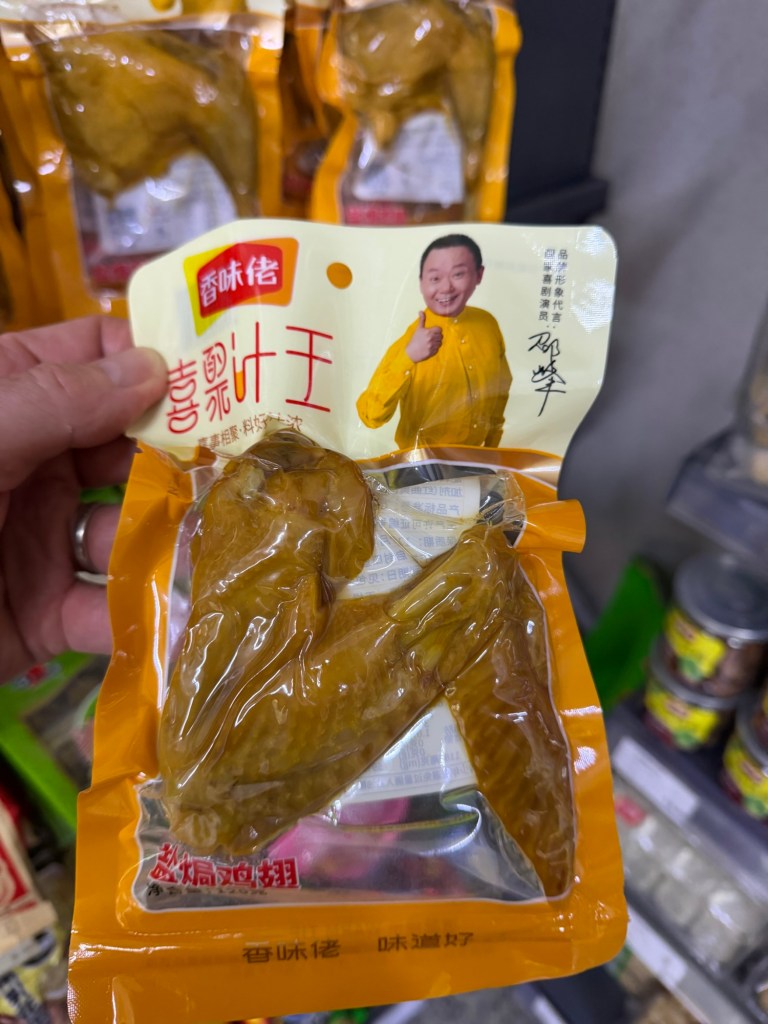
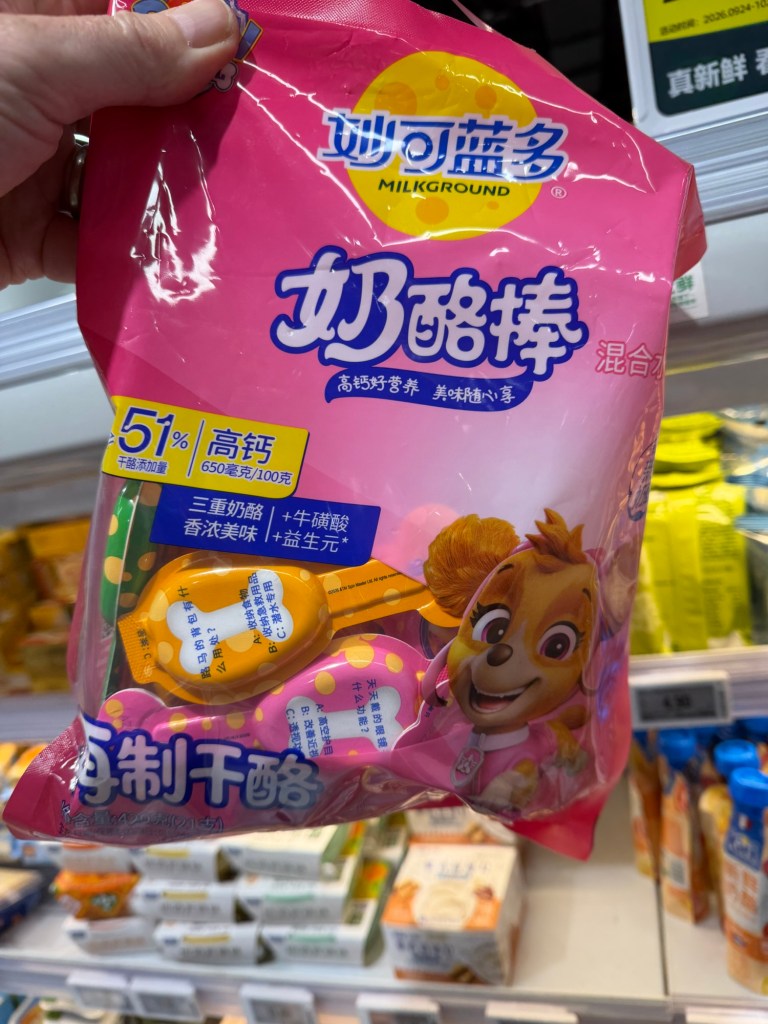
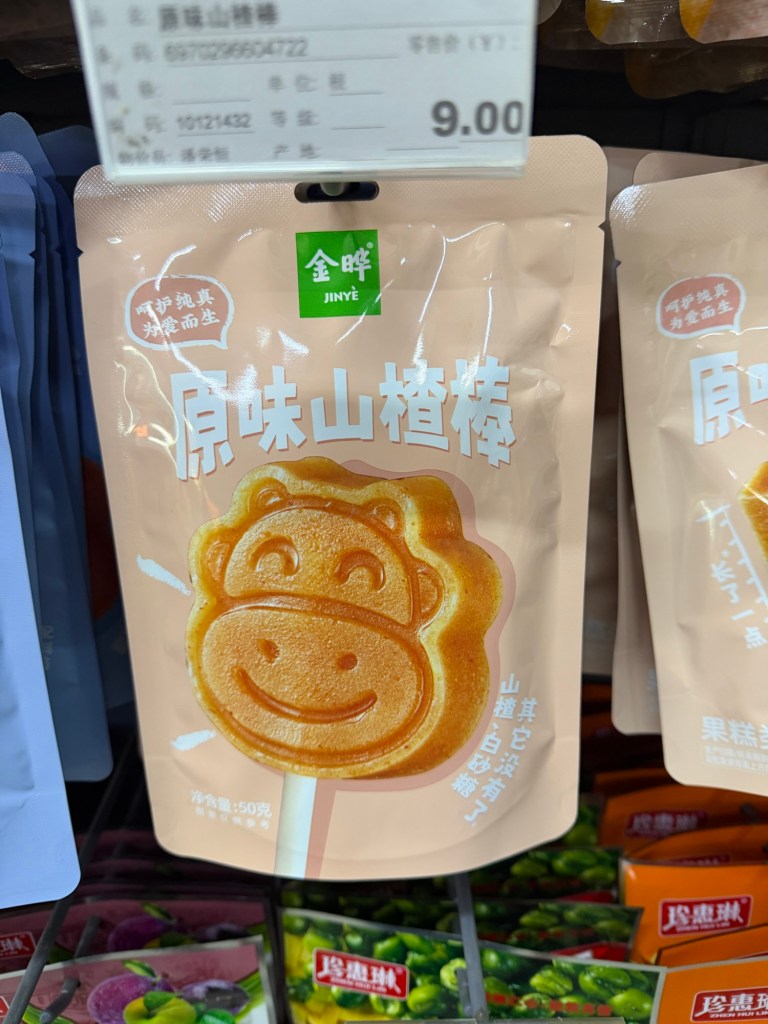
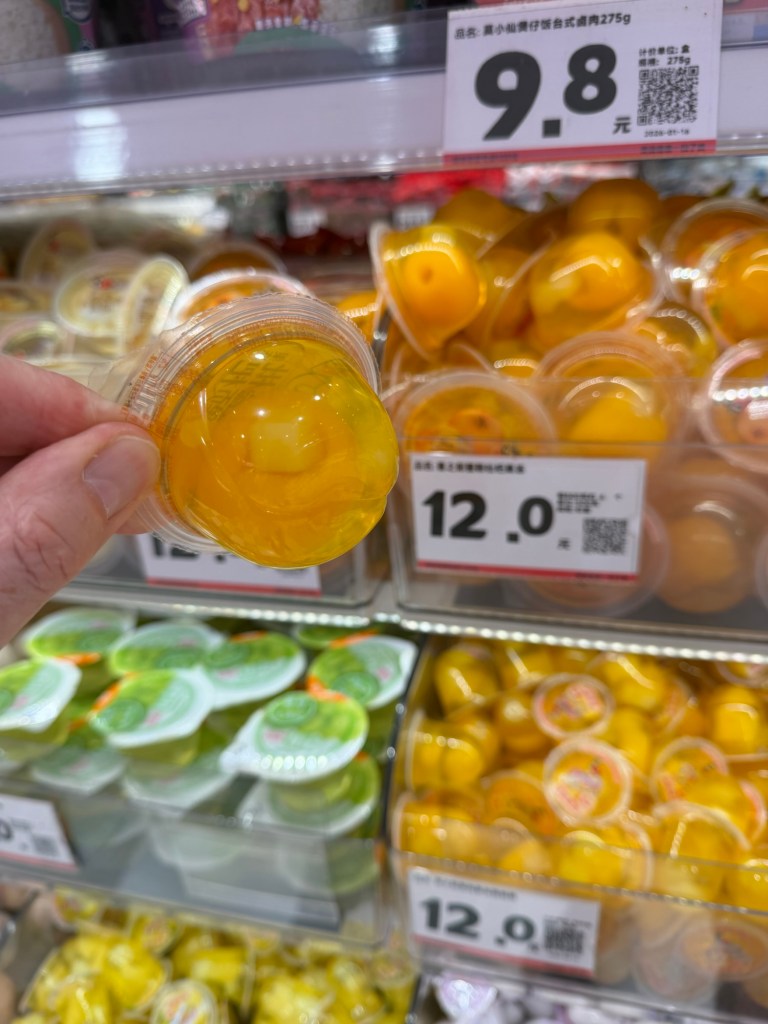
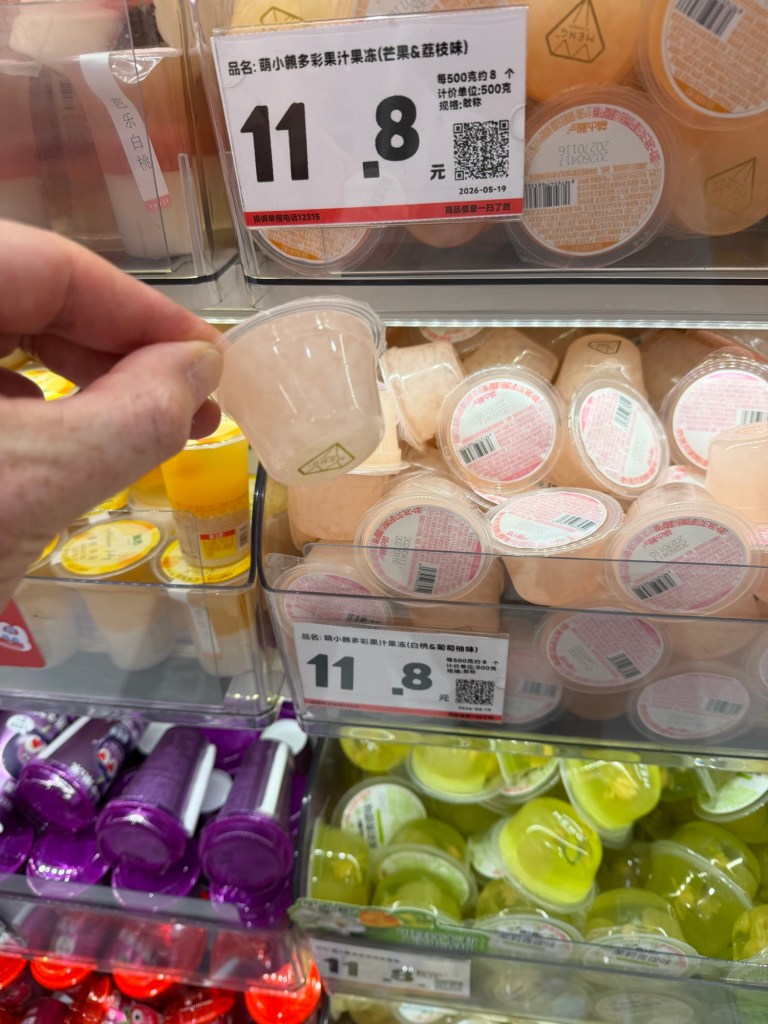
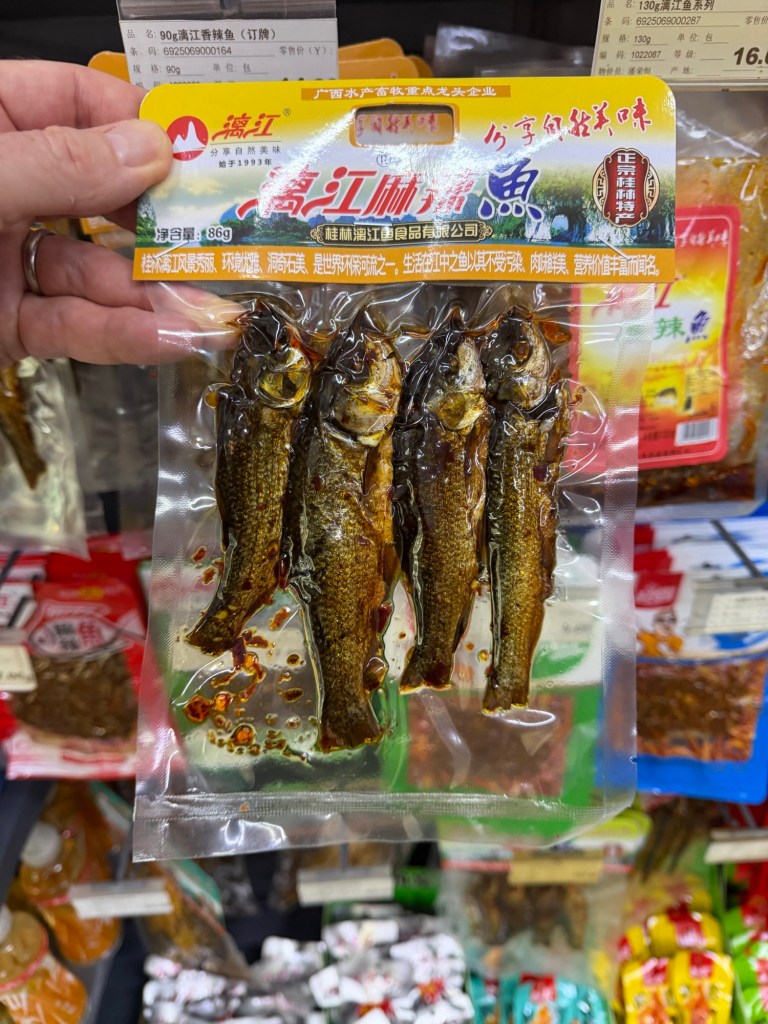
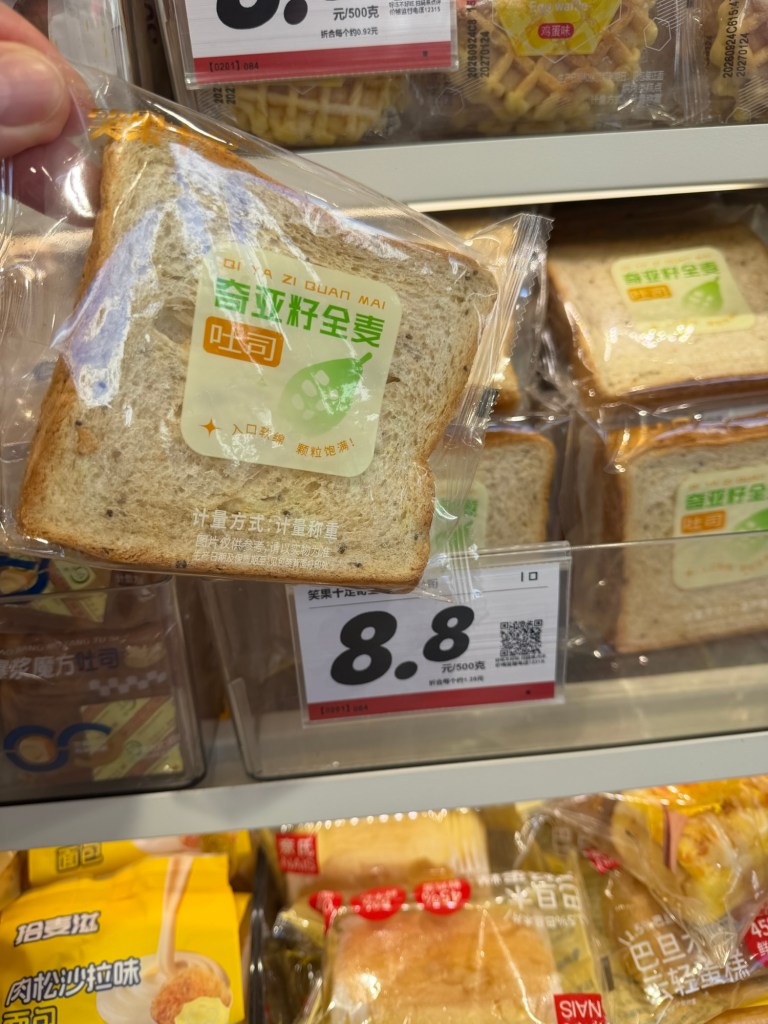
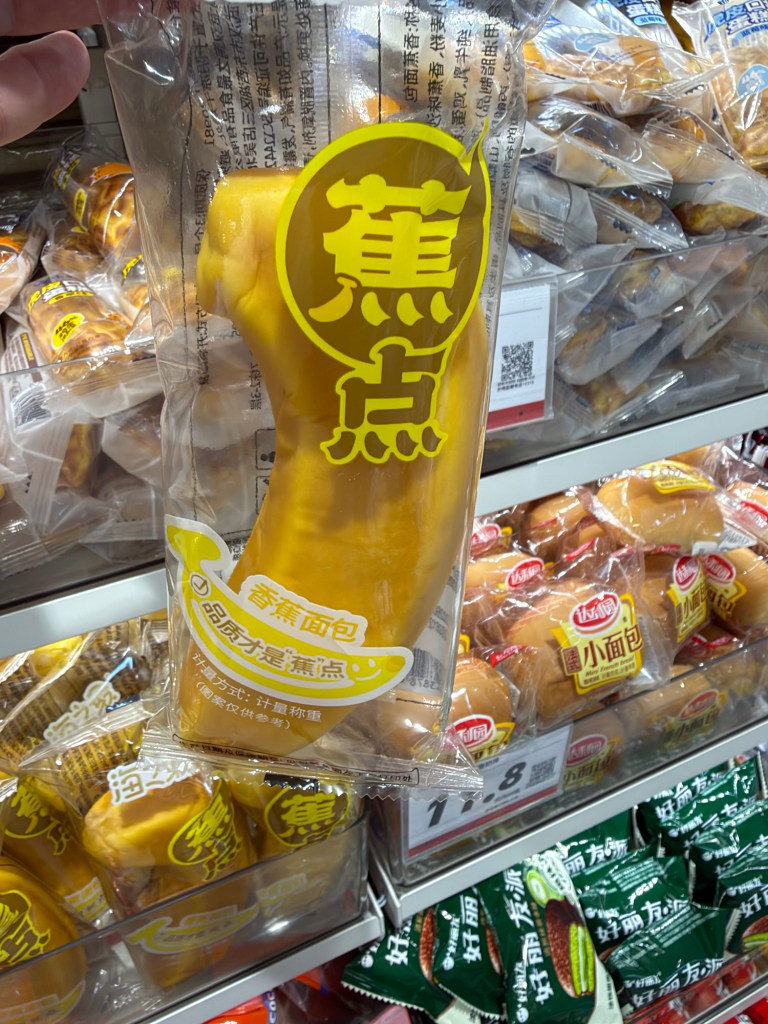
No surprise then that we were handed these on one of our long distance train journeys…
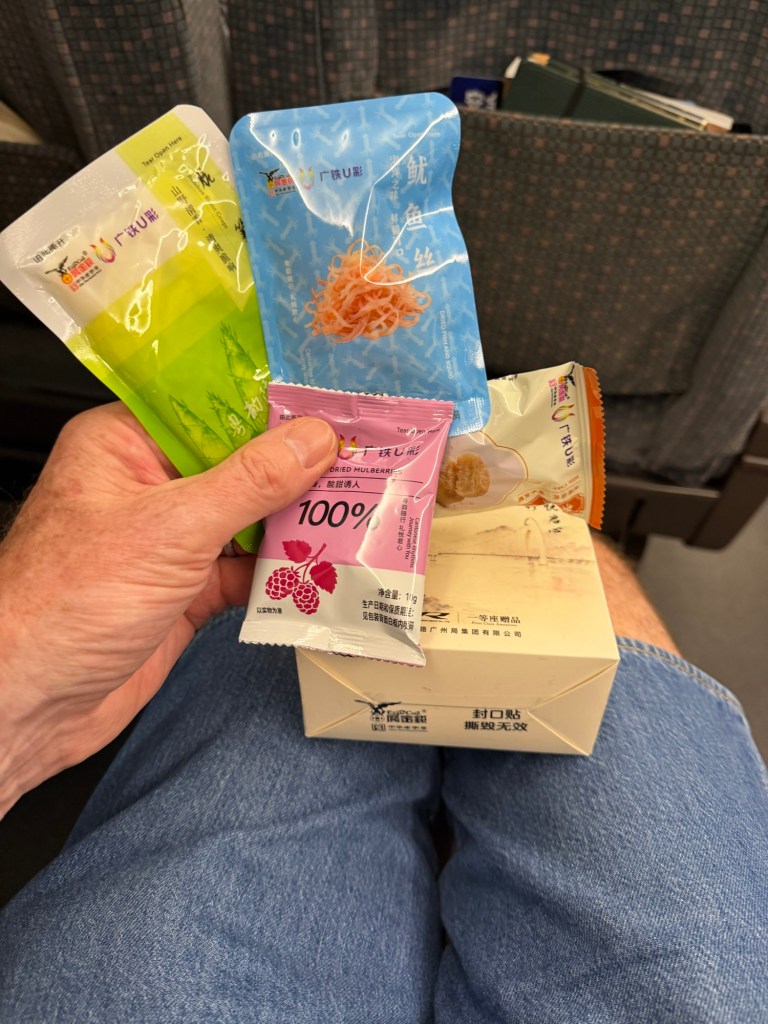
Some of them were edible, others you would not give to your pet goldfish!
The global plastic pollution crisis continues to worsen every year. Today, the world produces more than 400 million tonnes of plastic waste each year, which is projected to double by 2040 if no action is taken. What’s more, about 91% of all plastic that has ever been made is not recycled, meaning that plastic – which can take up to 500 years to decompose – keeps accumulating and degrading our natural environments.
Plastic pollution has long plagued China. Not only does the country consume at least one fifth of the world’s plastics, it is also the single largest producer and exporter of single-use and virgin plastics (meaning new plastics made without any recycled materials), and up until 2018, the largest importer of plastic as well.
In 2020 alone, China produced about 60 million tonnes of plastic waste, yet only 16 million tonnes of which was recycled, according to the China National Resources Recycling Association. On average, only about 17% of the plastic used in China is recycled in some shape or form.
China is also by far the largest source of mismanaged plastic waste, and is the biggest offender of ocean plastic pollution.
Sources: Earth.org; Statista; World Population Review
But the country is not ignorant of its environmental impacts, and has moved to take more aggressive strides to combat this exponentially growing problem.
The Chinese government has recently introduced a raft of new laws and regulations to limit plastic waste, and announced a plan which aims to “further improve the management of the entire chain of plastic pollution”.
The evidence of its use is right in front of your nose. China has a lot of work to do but then haven’t we all.
We troubled over plastic pollution when in Thailand a couple of years ago – here
If cooking from scratch, the ingredients are all out there…
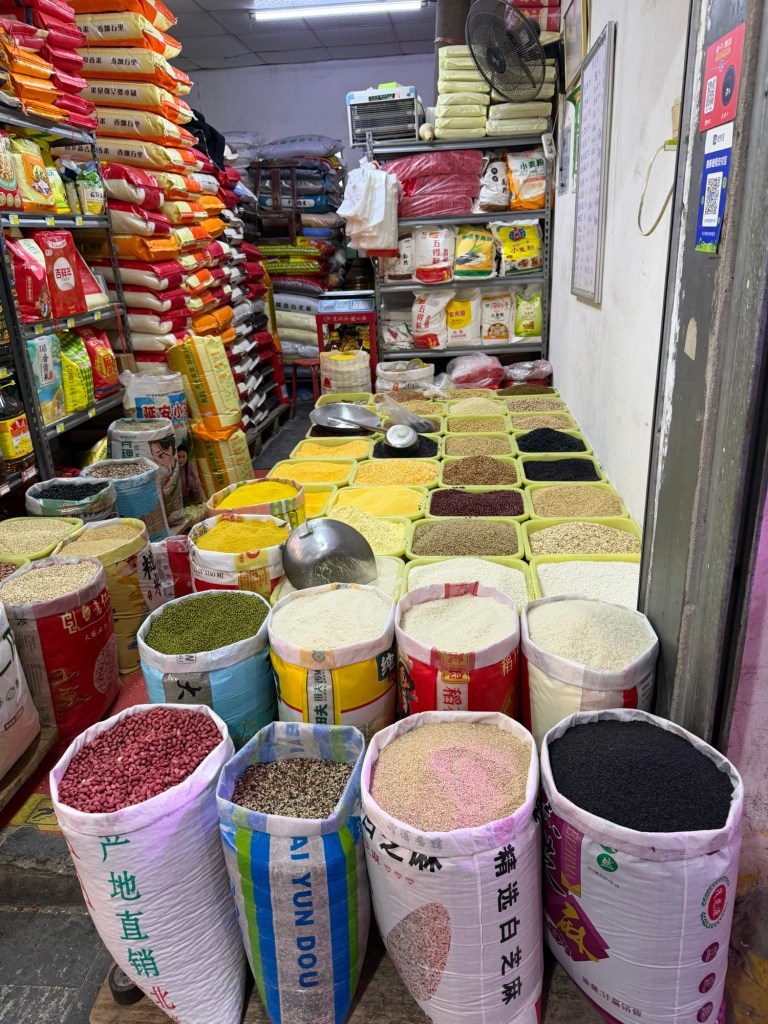
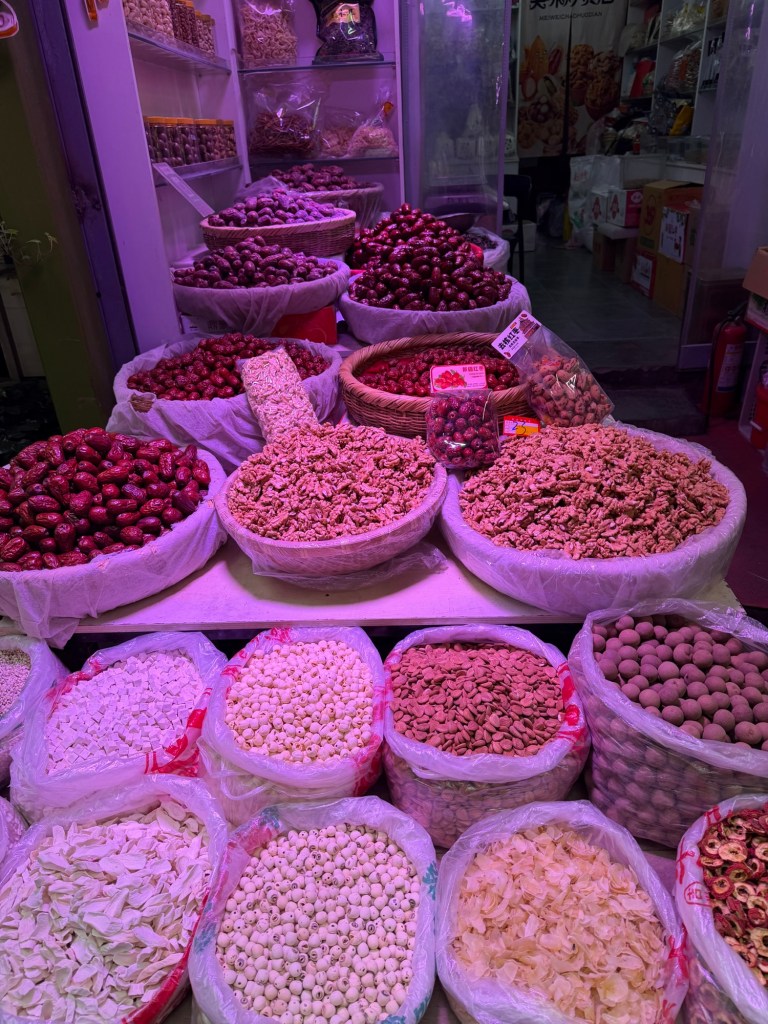


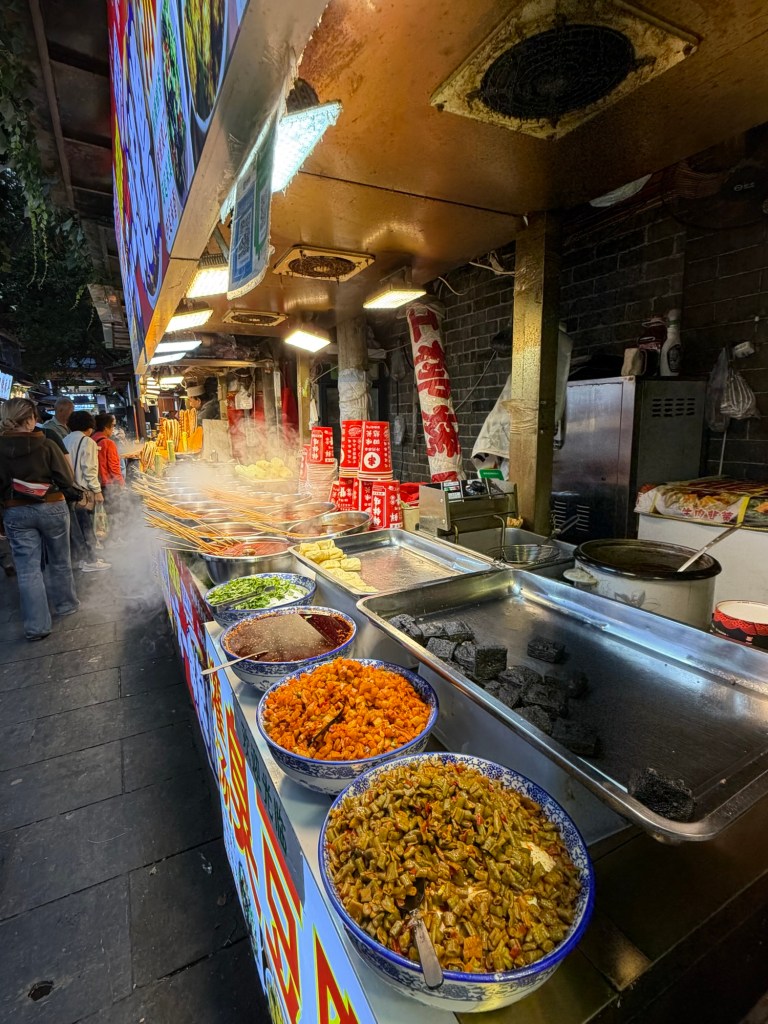
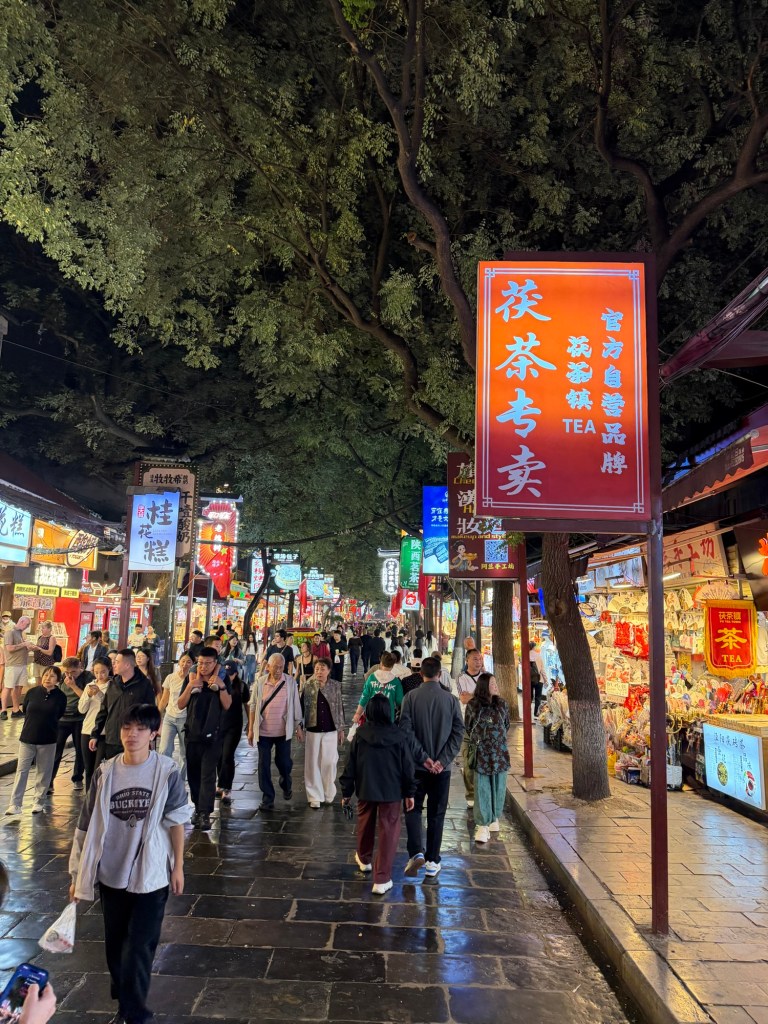
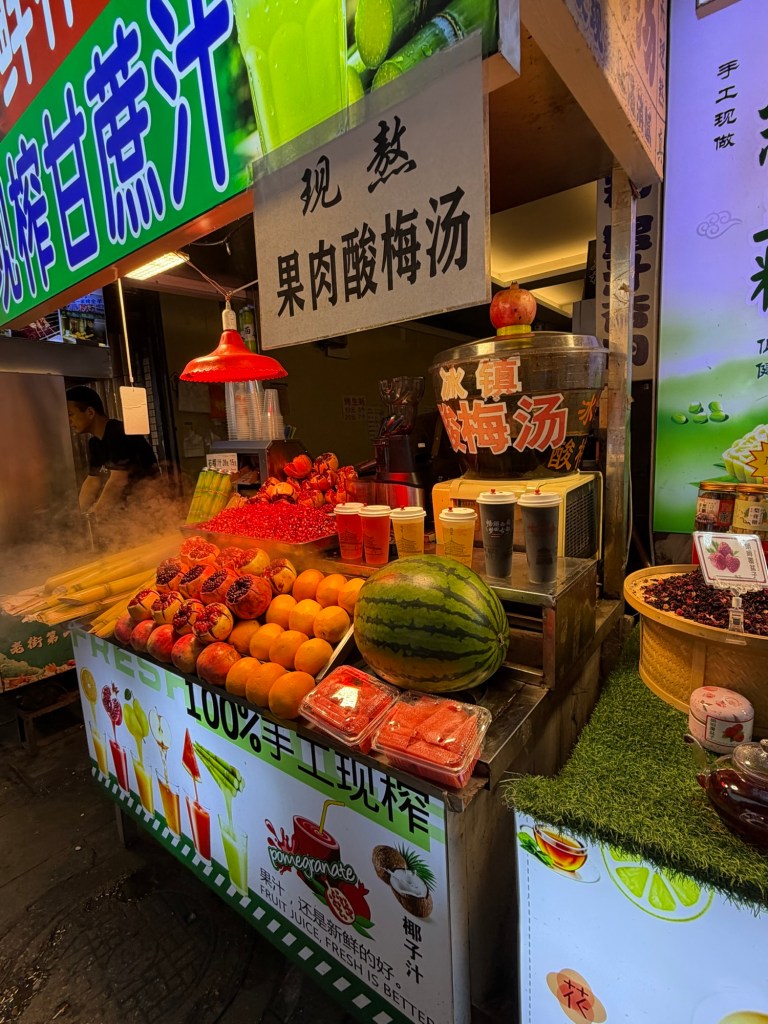
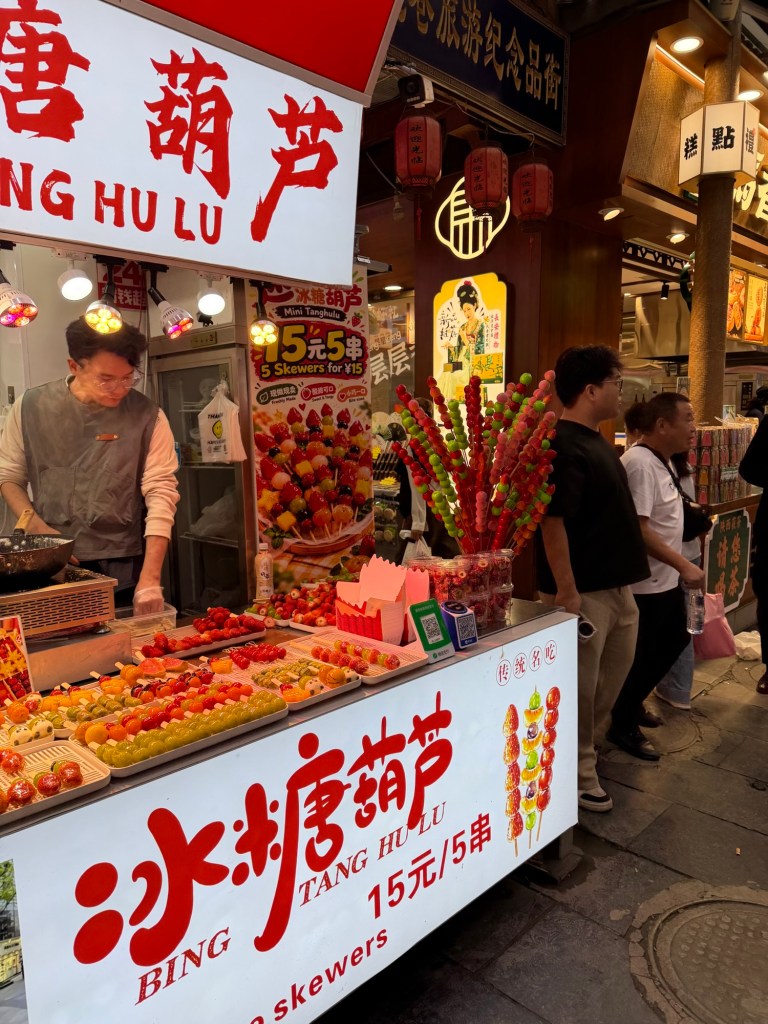
If on the hoof, there’s street food aplenty. Take your pick if you’re brave enough…
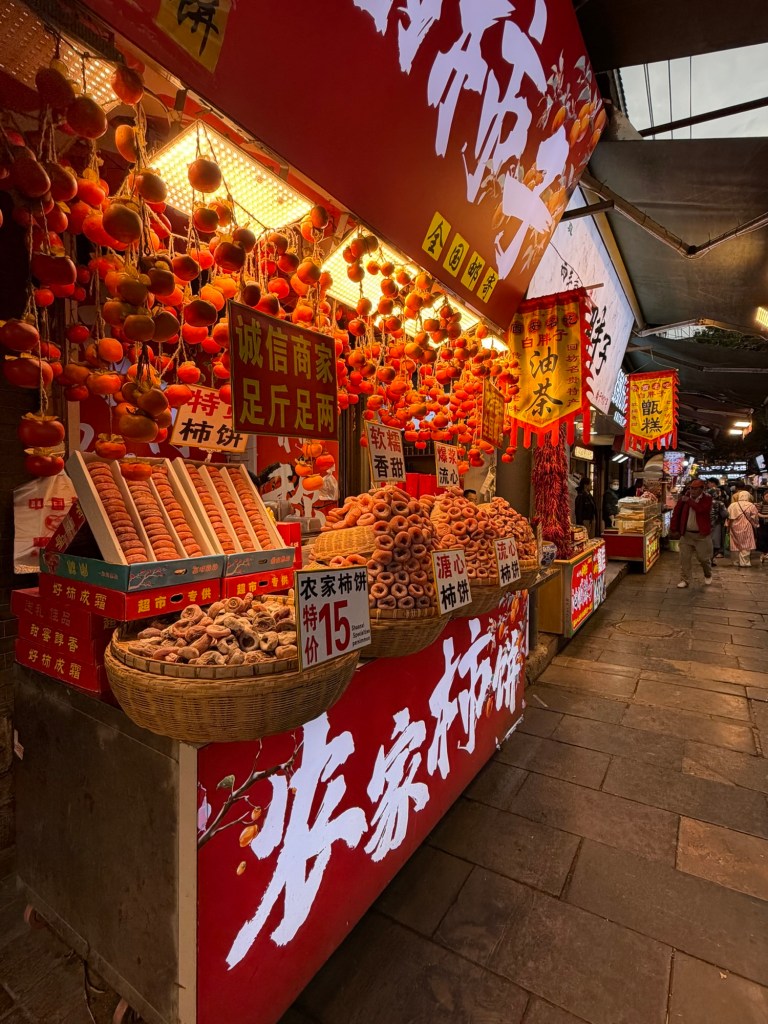
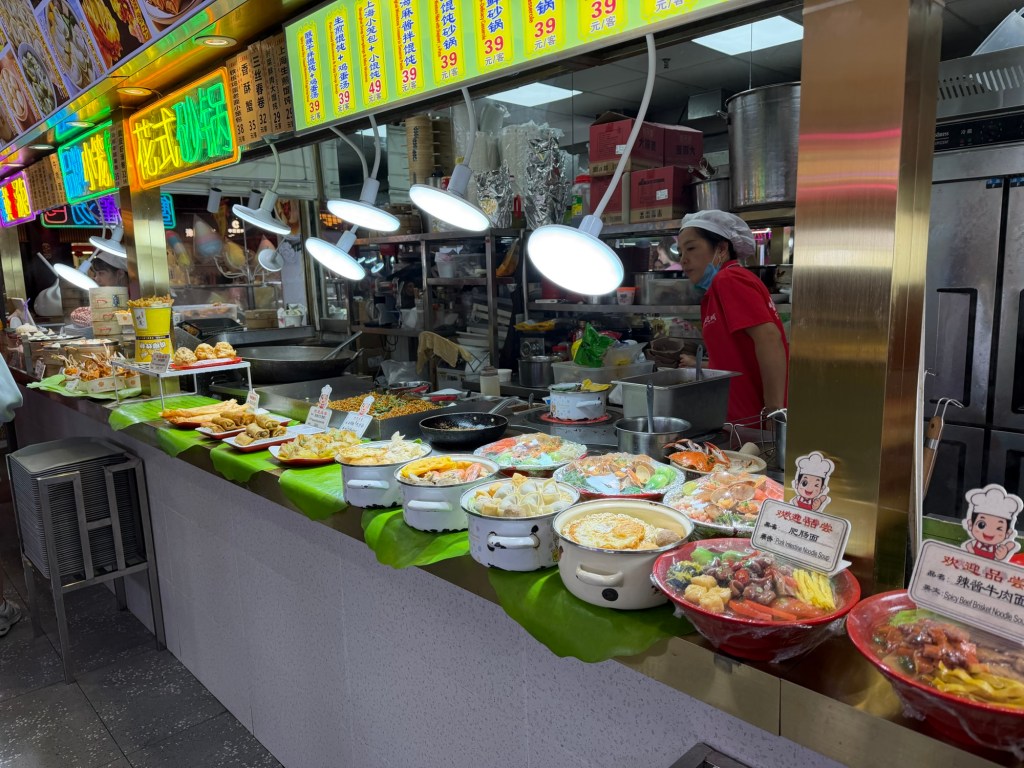
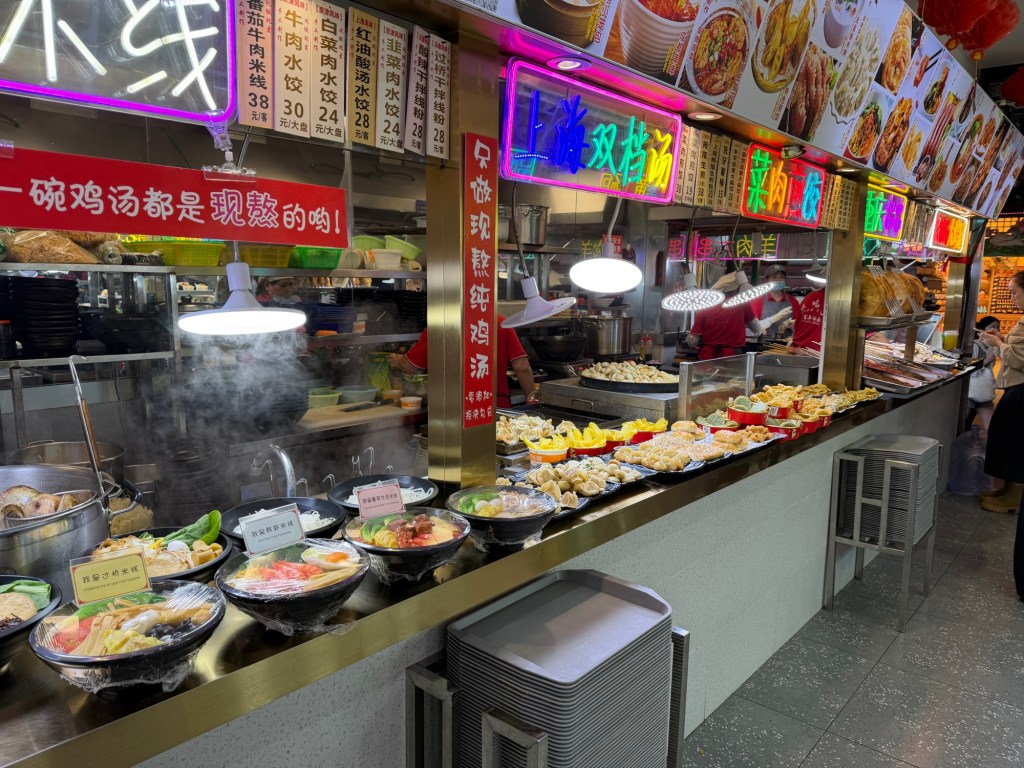
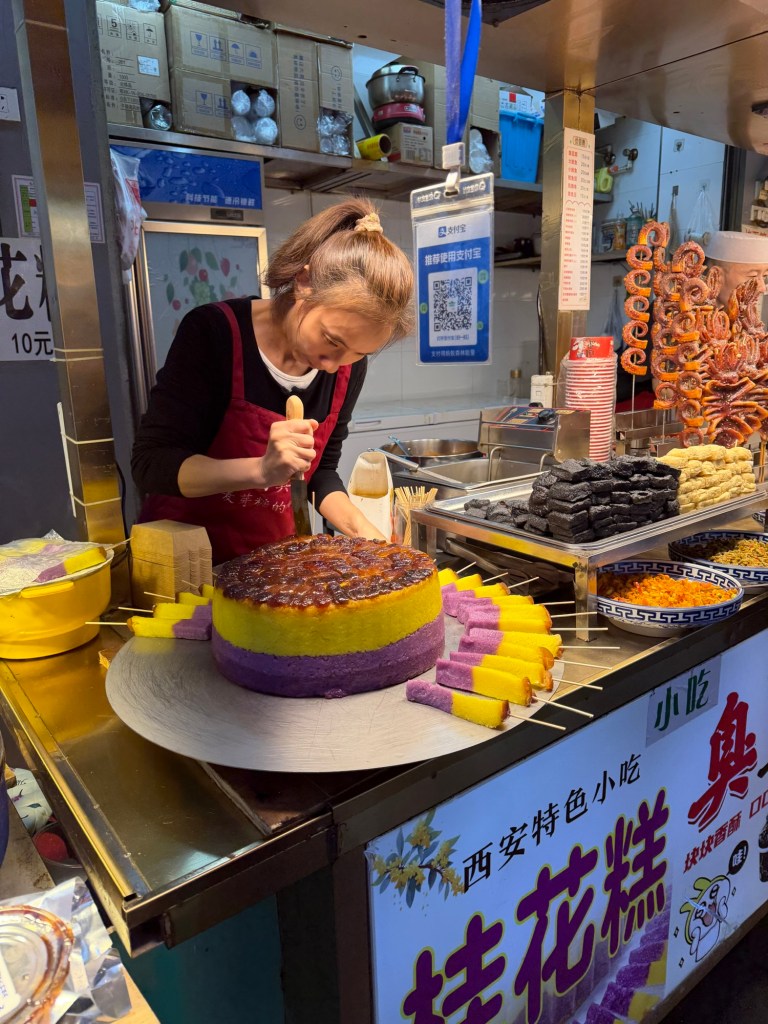
Side note:
a stuffed toy, often used as a mascot
Collins English Dictionary
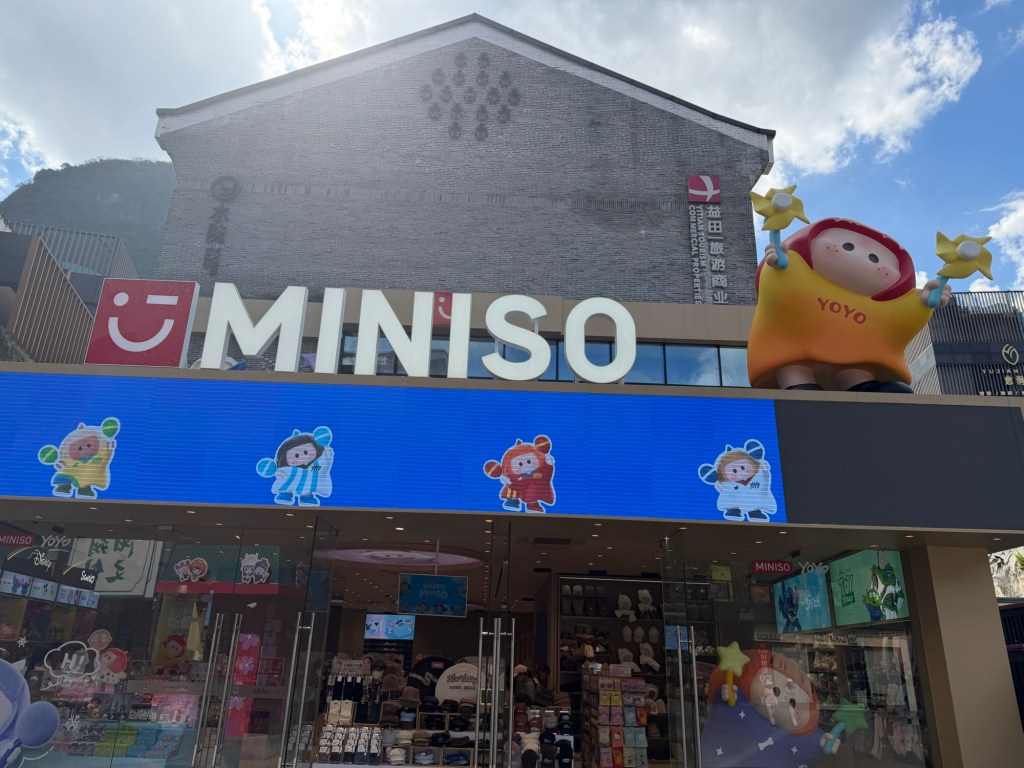
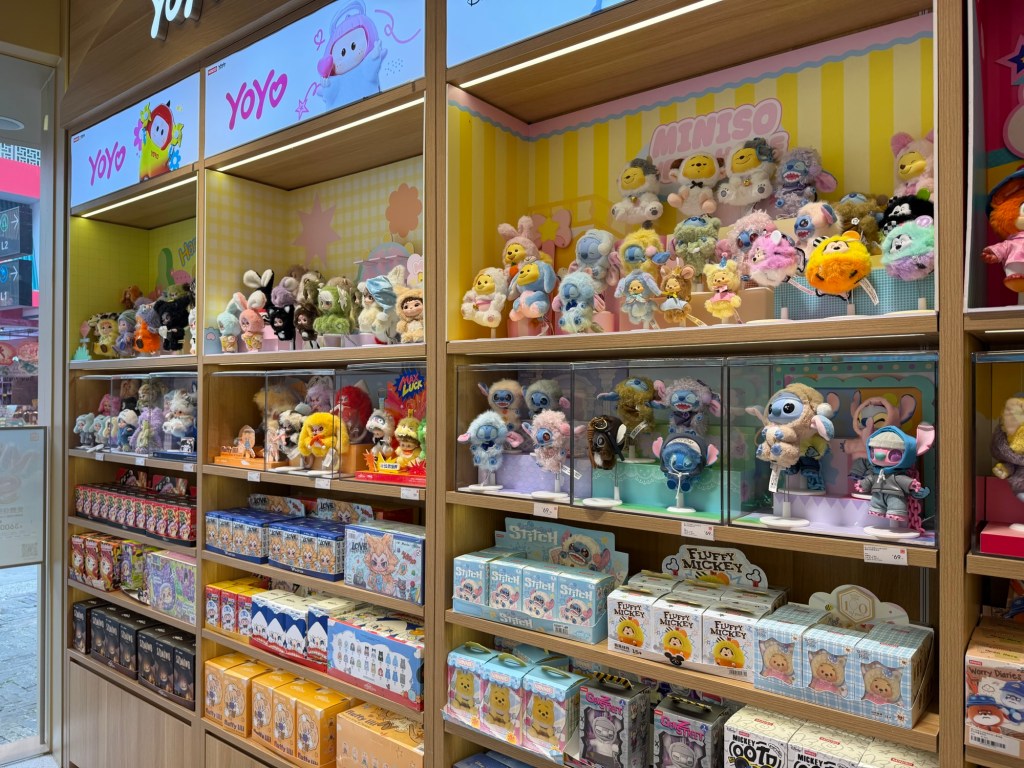
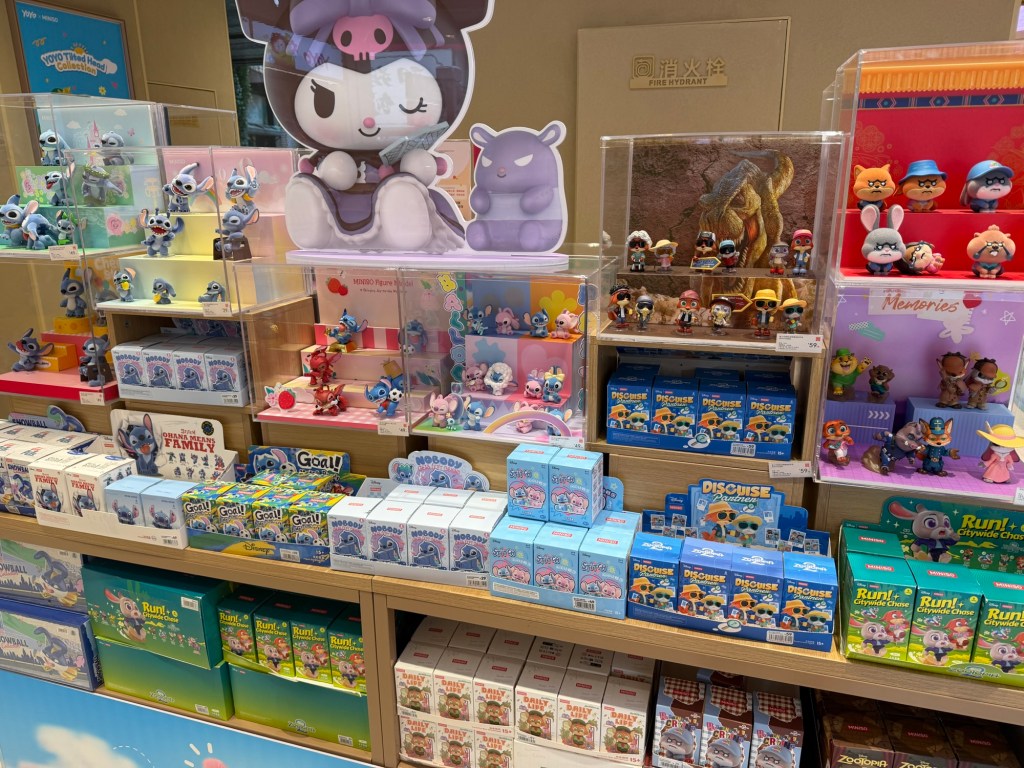
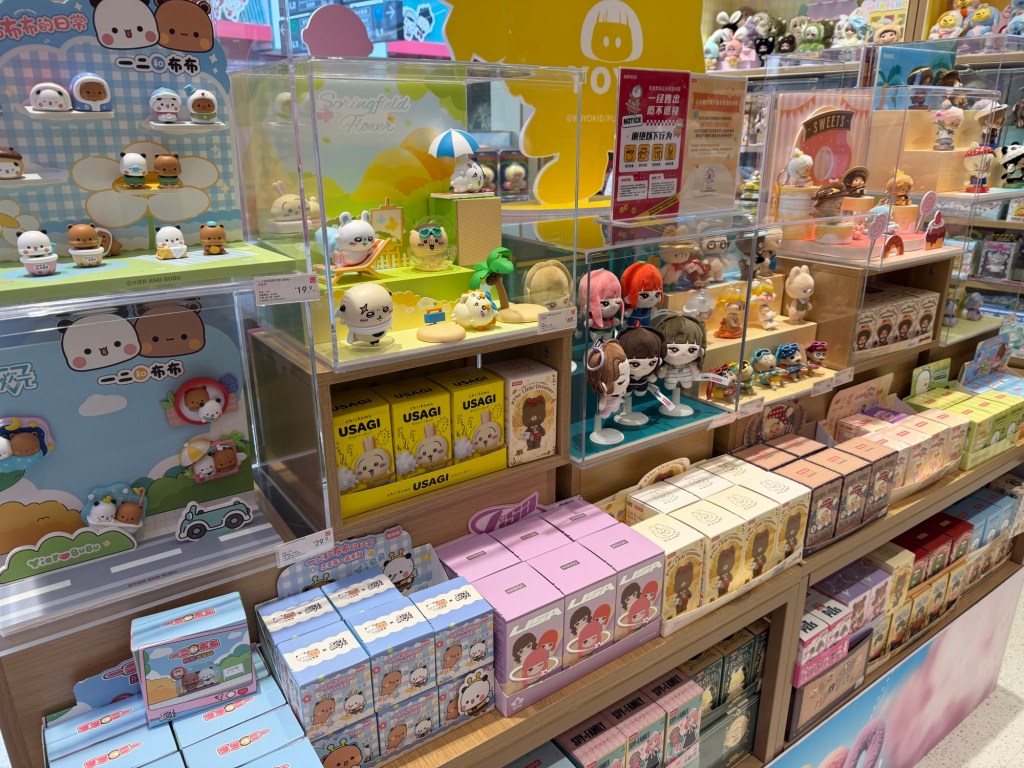
If you want a gonk, get yourself down Miniso, there’s one for every occasion…


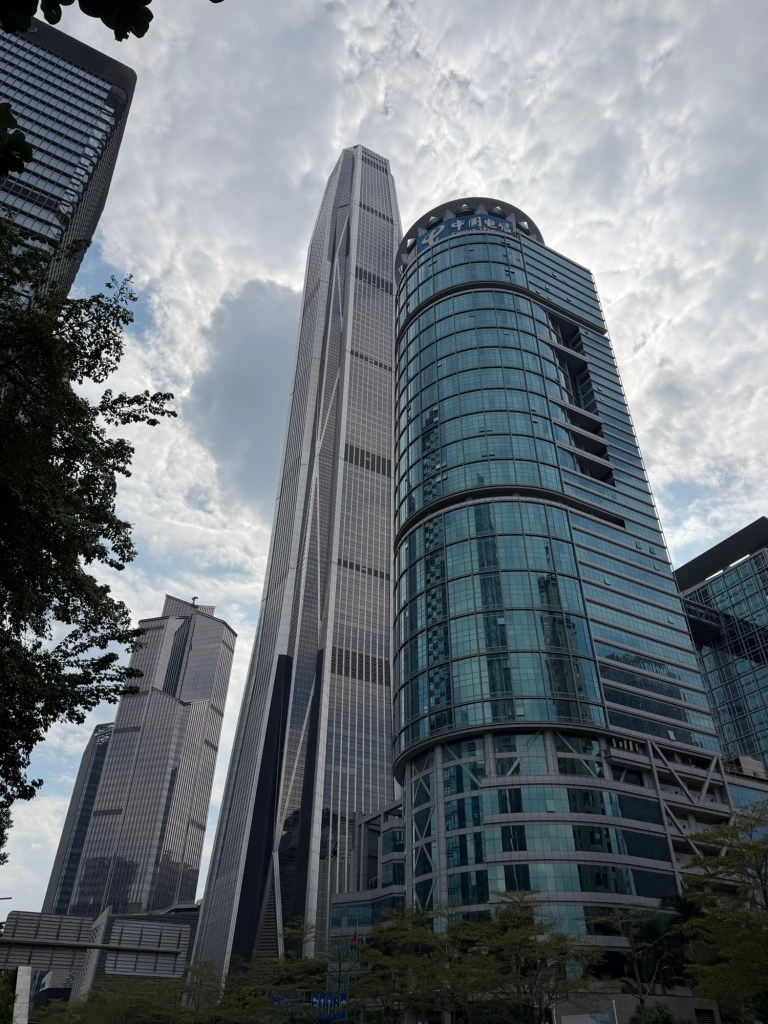
We needed to go to the bank today. So, why not the one by the Ping An Finance Centre, Futian. Not just any old building but the highest in Shenzhen, second highest in China, and fifth highest in the World. Bit of a theme developing here isn’t there? China really is a land of superlatives.
Completed in 2017, Ping An is 599.1m high. You’d think for the sake of 90 cms they would have mixed a tad more concrete!

In January 2015, the daring Malaysian rooftopper (apparently, that’s what they are called) Keow Wee Loong successfully climbed Ping An; no climbing aids or harnesses, and in flip-flops (so the story goes).
Previously, April 2014, he gadded up the Shanghai Tower, some 32m and 90cms taller.
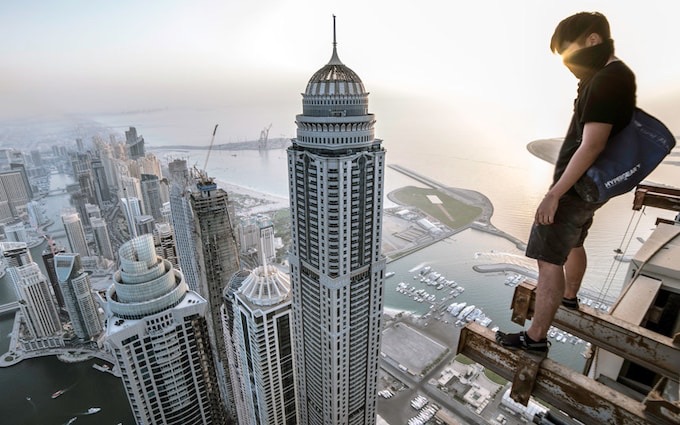
I do get it. If he had nothing better to do that day, why not? But in flip-flops! I would draw the line there. He’d need more than a lycopene-laced watermelon as a recovery agent if he fell off.
“Everyone can take good pictures with good practice. So I try shooting something unique that can’t be done by others.”
Keow Wee Loong – more here
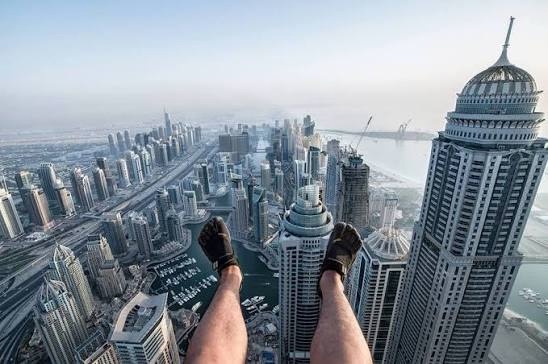
He’s got a point hasn’t he. I could do this from the end of our sofa but it would not have quite the same artistic appeal.
End note:
Art works absolutely anywhere and everywhere doesn’t it (apart from the end of the sofa)…



This is situated in a residential area close to our base in Dameisha.
Previous China blog posts here


Leave a Reply