Today we head to the far South of China – 548km (341 miles) – by bullet train.
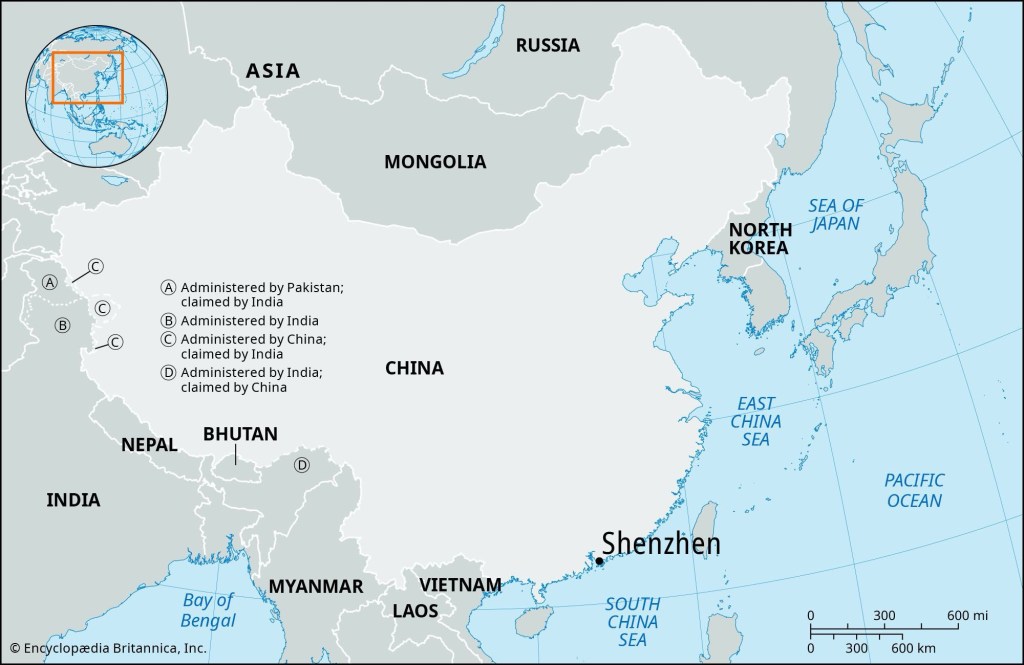
Shenzhen is a city in south-central Guangdong. It lies along the coast of the South China Sea and immediately north of Hong Kong.
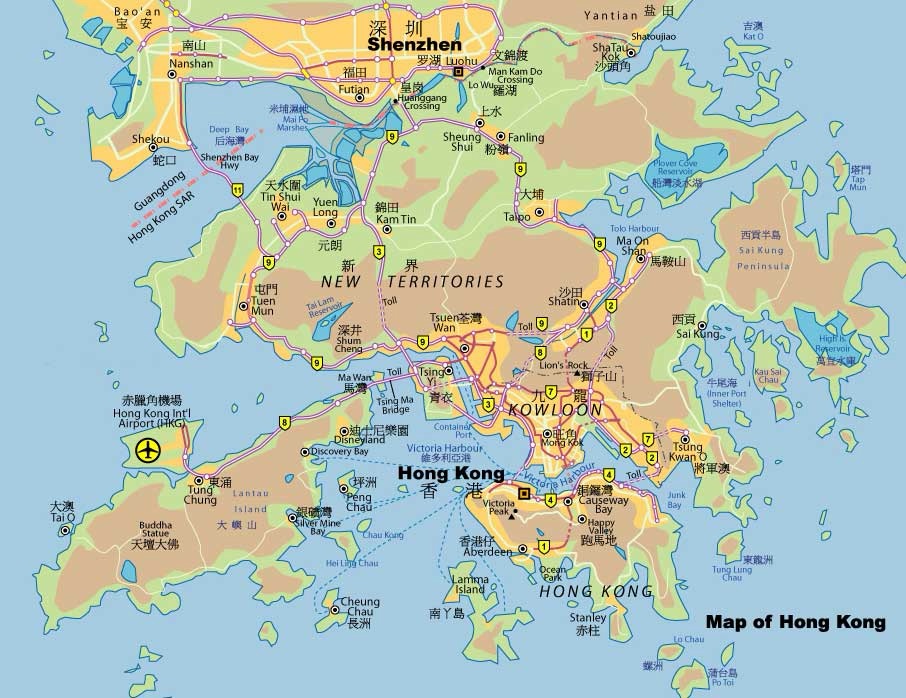
Shenzhen current population: 18.25 million
Middlesbrough current population: 152,795
In 1825, Middlesbrough (UK) was a small, rural farming community with a population of approximately 25-40 people. It remained so…
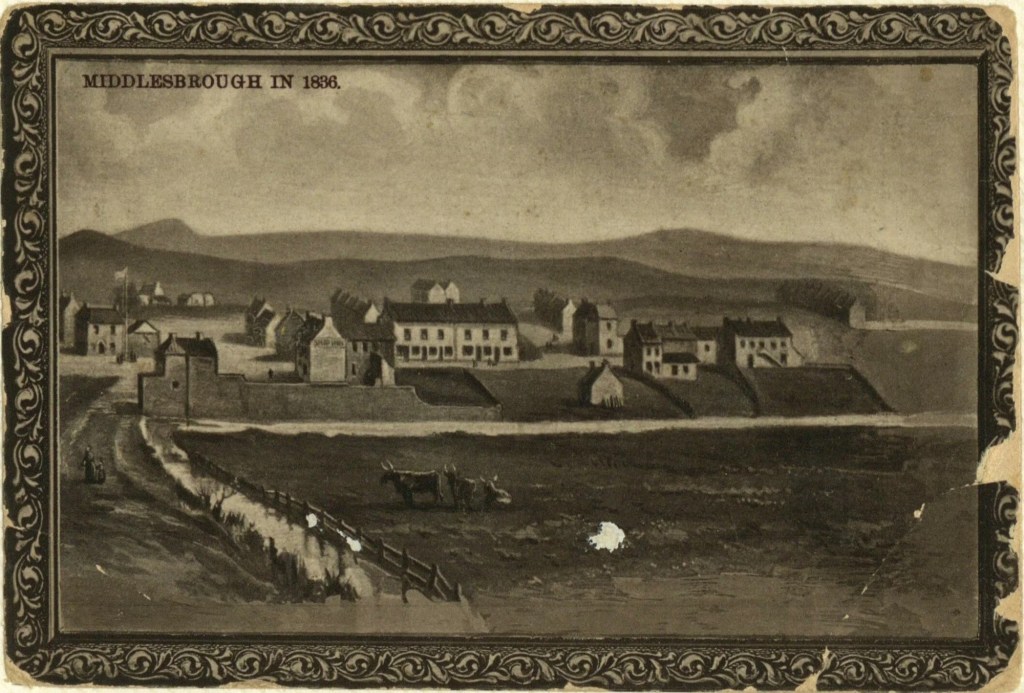
Until, that is, June 1850, when iron master John Vaughan and mining engineer John Marley discovered iron ore (Cleveland ironstone) in the Eston Hills. The massive main seam triggered the regional ‘iron rush,’ transforming Middlesbrough into the industrial powerhouse known as ‘Ironopolis’.
In 1862, Chancellor of the Exchequer William Gladstone visited Middlesbrough and famously described it as
A remarkable place – the youngest child, as I may call it – of England’s enterprise… an Infant Hercules
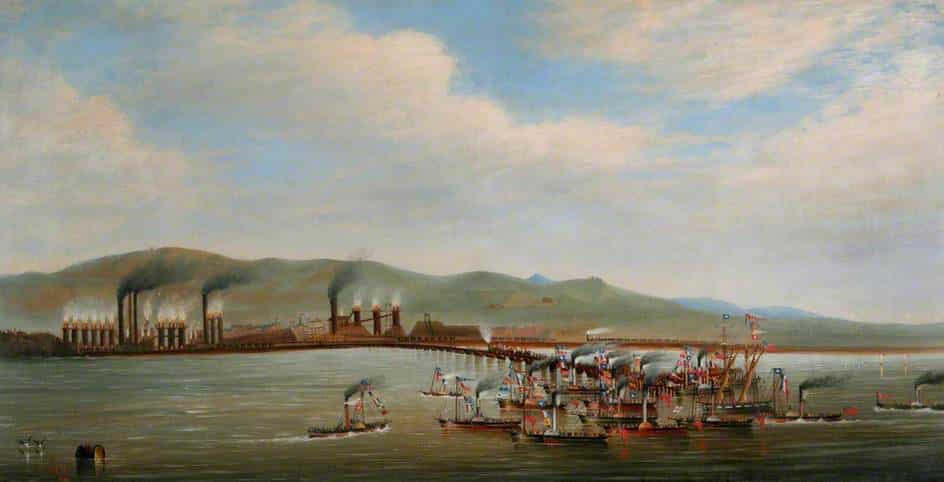
By 1874, Middlesbrough had become England’s biggest iron-producer. It produced one-third of the nation’s output. A tradition that continues to be proudly announced and nurtured by Teesside folk.
Where alchemists
Were born
Below Cleveland’s hills
A giant blue dragonfly
Across the Tees
Reminds us every night
We built the World,
Every metropolis came from Ironopolis
Ian Horn, ‘Ironopolis’
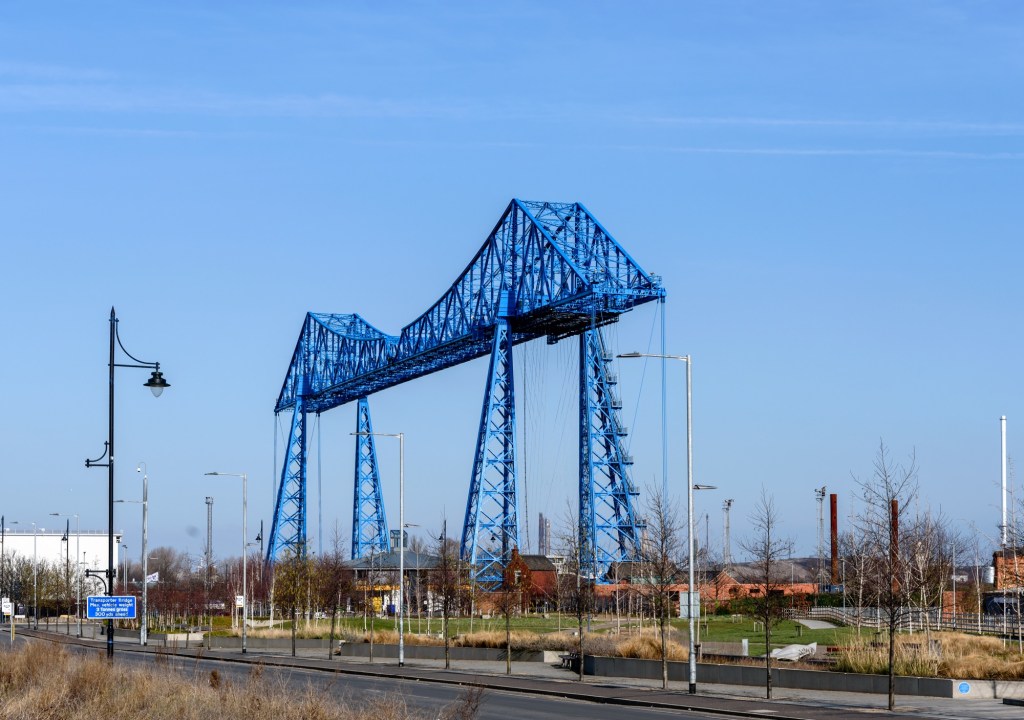
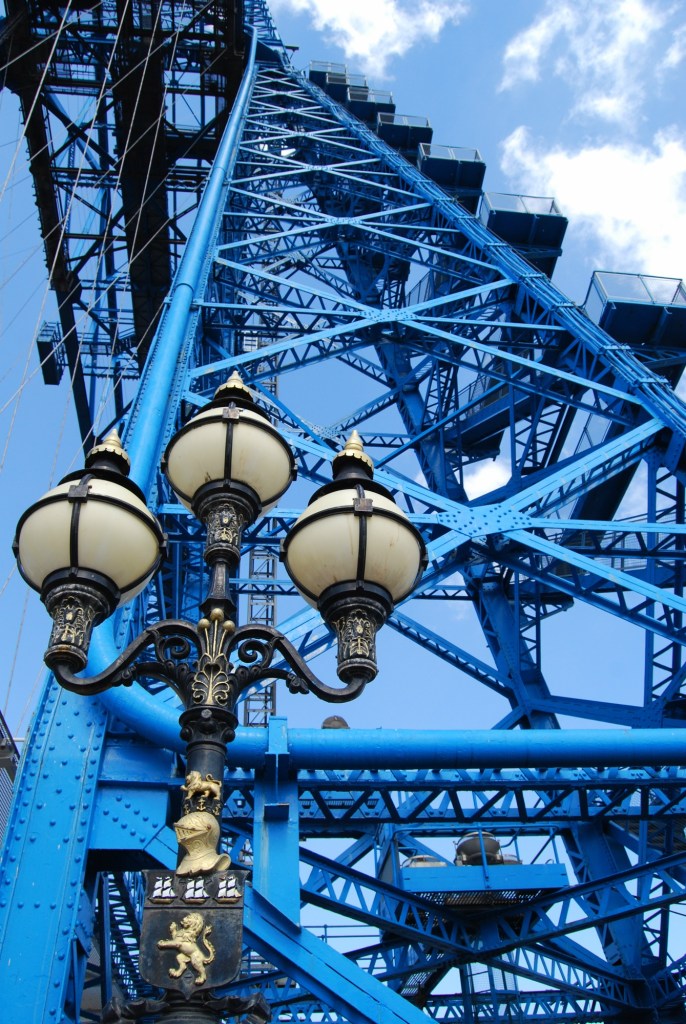
Middlesbrough Football Club was formed in 1876 and played at Ayresome Park for 92 years, from 1903 to 1995, before moving to the Riverside Stadium, which is adjacent to the old Middlesbrough Dock.
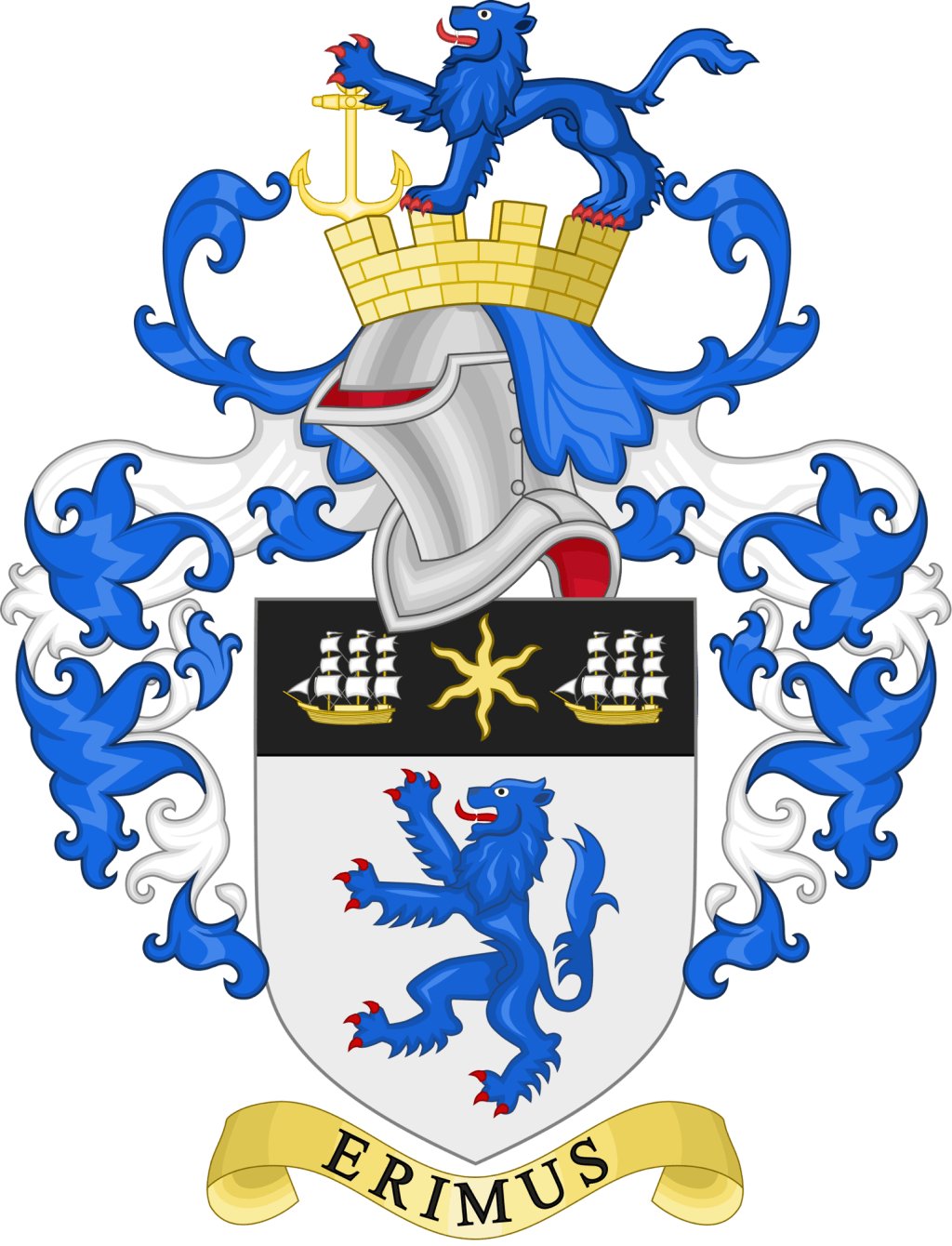
The new club badge – introduced for this (2026) year’s 150th anniversary of the club’s founding – is reflective of the town’s heritage (see emblem on lamp stand, above).
Chris Rea’s song ‘Steel River’ serves as a pre-match anthem at Boro home games.
I was born and raised on steel river
I see it all like it was yesterday
The ships and bridges they were all delivered
From Sydney harbour to the Cisco bay
An ‘Infant Hercules’, indeed – from nothing in 1825 to World renown.
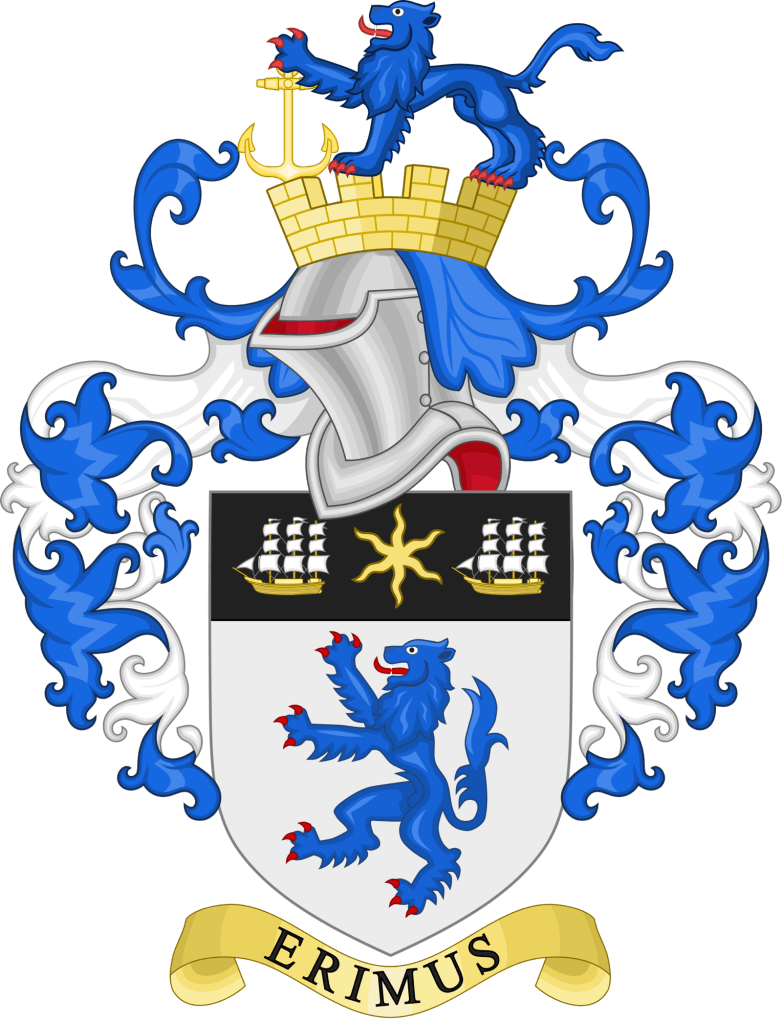
The Middlesbrough F.C. club motto is Erimus: We Shall Be. This reflects the moment in 1853, when the town was incorporated, and its first councillors adopted the motto to symbolise ambition, industrial growth, and a forward-looking spirit on Teesside. Interestingly, it contrasted nicely with the historical motto of the de Brus family who once owned the local land; Fuimus, ‘We have been’.
The parallels between Shenzhen and Middlesbrough may not be immediately apparent. Indeed, Middlesbrough is now a mere shadow of its former self; a time when it punched well above its weight, founded on iron and steel, and then a prodigious chemical manufacturing output by world-leading players. As for Shenzhen, it’s boom time, now, today! But it, too, transitioned through its own ‘Infant Hercules’ stage.
In 1979 Shenzhen was a small border city of some 30,000 inhabitants that served as a customs stop into mainland China from Hong Kong.
All was to change in that very year, 1979, when Shenzhen was declared a special economic zone, along with other cities along the coast of China that were opened to foreign investment, technology, and managerial expertise through the establishment of foreign-owned, joint-venture, and other business enterprises without the prior approval of the central government. The fledgling city also received sizable loans from Chinese banks, which were used to build new roads, housing, schools, and water, power, and communications facilities for its burgeoning population.
From 1980 the city grew at a phenomenal rate, as a tremendous amount of both domestic and foreign capital was invested there.
The rapid growth rate in the region became known in China as “Shenzhen speed,” and the success of the project prompted the Chinese government to convert several other coastal cities into special economic zones and to encourage modernization in different fields. The city has been regarded as the model for the country´s economic success over the past three decades.
Shenzhen is home to the Shenzhen Stock Exchange, one of the largest stock exchanges in the world. It has the second-largest number of skyscrapers, fifth-largest number of billionaires, and the seventh-most Fortune Global 500 headquarters of any city in the world. Do we stop drawing parallels with Middlesbrough at this point? Not so fast!
The city (Shenzhen) is a global technology hub. In the media, Shenzhen is sometimes called China’s Silicon Valley. It boasts the headquarters of giant technology corporations such as Huawei. Shenzhen is home to the main operations of BYD Company, and is the largest automobile manufacturing city in China.
As for the Boro… it is recognised as the fastest-growing technology hub in the UK, outside of London. Teesside University has a long-established worldwide reputation for digital games design, computer animation, and virtual reality.
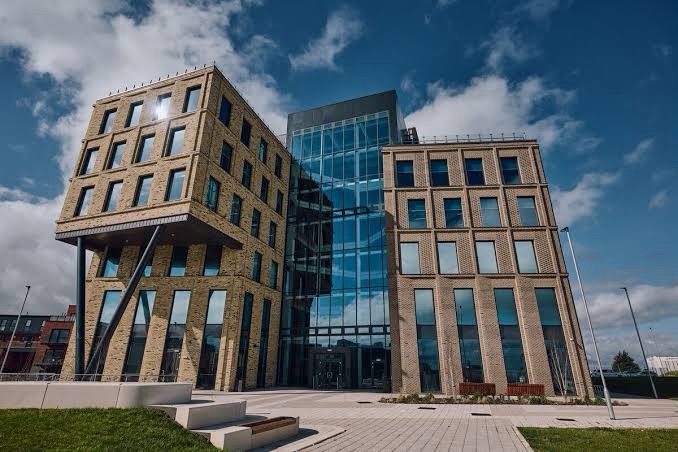
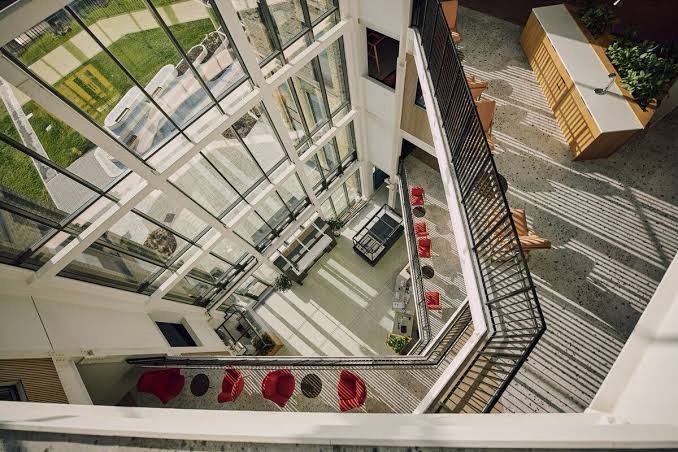
Middlesbrough’s local tech successes include global games developers Double Eleven, who occupy the entirety of the impressive Boho X building (above).
So, don’t be too quick to dismiss the town of Middlesbrough as a force. The match-day announcer at the Boro home games always rallies the troops with, “let’s hear it for the Boro, loud and proud!”
Which begs the obvious question, what about football prowess in Shenzhen? The city’s premier team is Shenzhen Peng City F.C. (深圳新鹏城足球俱乐部) The club competes in the Chinese Super League, the top tier of Chinese football.
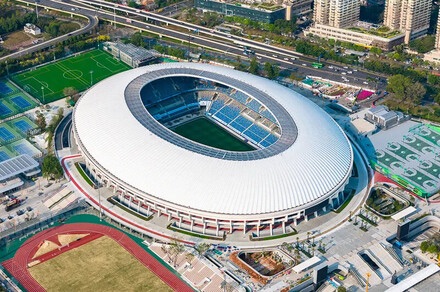
The Boro will be competing in the English Premier League, next year, 2026-27; We Shall Be!
But that is where the parallels fall away… Shenzhen Peng City is co-owned by the City Football Group (CFG). CFG holds a minority stake of 47%. CFG is the global football organization backed by Abu Dhabi’s Sheikh Mansour that also owns Manchester City.
The Boro is owned and run by – and has been since 1986 – by local man (born and bred) Steve Gibson
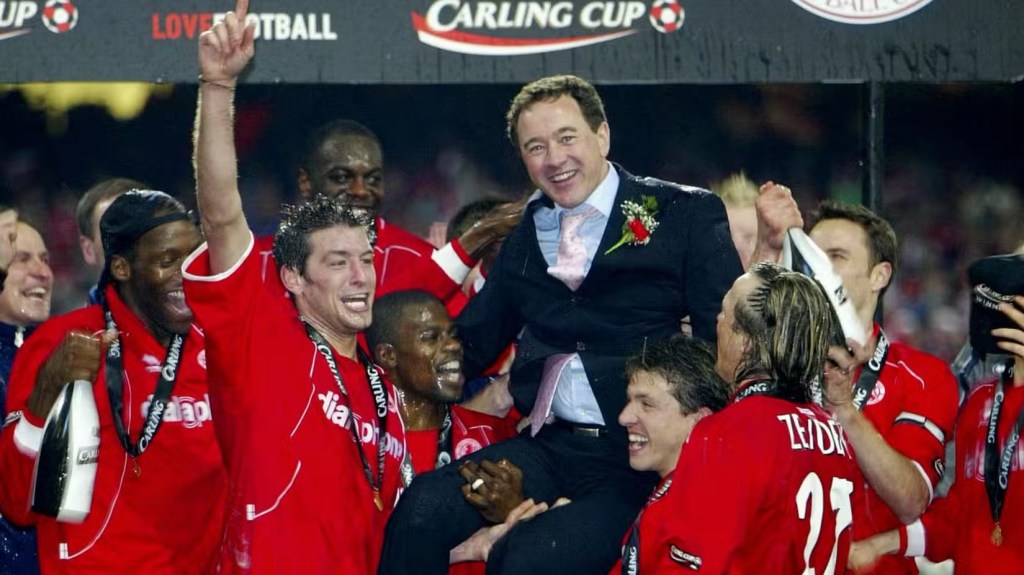
And besides, unlike City – or Southampton, for that matter – we don’t cheat. Up the Boro!!
All that said, we are so looking forward to exploring Shenzhen and all it has to offer.
Previous China daily blogs here


Leave a Reply