

Something we noticed immediately here in Dameisha is that beach goers are often prevented from going into the sea, often for hours at a time. And then everyone piles back in again. A little research required, don’t you think?
A lead…
Controlled by waves, tides, tidal currents, as well as antecedent geology, the complex morphology of beaches yield many hidden safety issues and present challenging questions to tourism management.
SOURCE: ‘Rip current hazards in South China headland beaches’, Journal of Ocean & Coastal Management (March 2016)
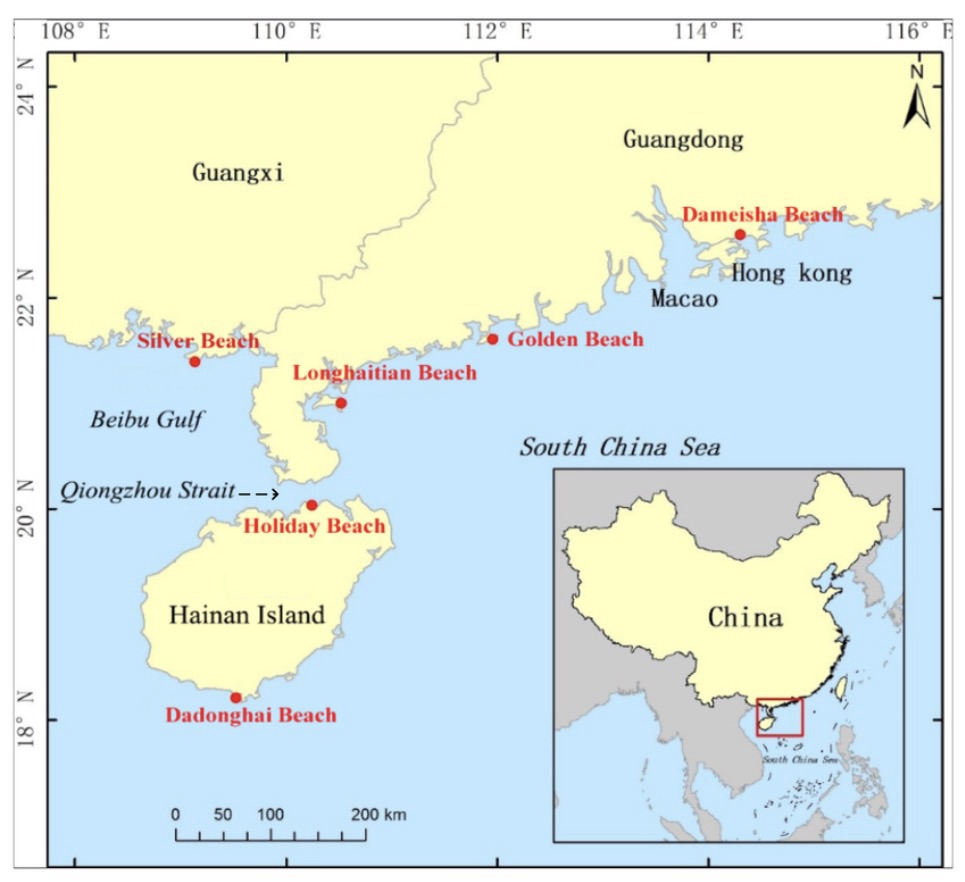
The journal article reports that 71% of South China beaches may develop rip currents. The beaches in southern Fujian, Shanwei (in eastern Guangdong) and western Guangdong, and eastern and southern Hainan coasts have the highest risk of rip current development.
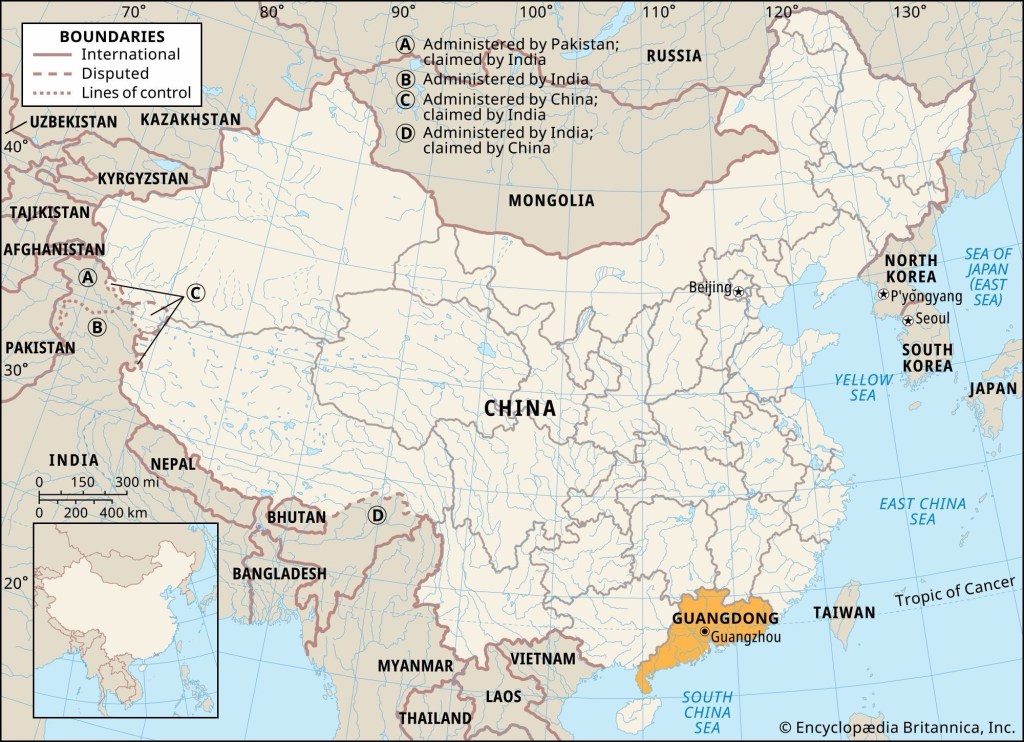
And hey, guess what! Where are we? Guangdong…
It makes perfect sense, therefore, to evaluate the degree of rip current risk along recreational beaches in order to protect lives. Swimming is strictly restricted to designated, supervised areas. Venturing outside open or patrolled areas is strictly prohibited.
A survey administered by academics at Guangdong Ocean University (2025), titled ‘Investigation and Analysis of Chinese Beachgoers’ Safety Perception of Rip Currents’, found that: ‘Beachgoers lack awareness of beach safety and rip currents in China.’ They recommended that ‘local governments and management agencies strengthen public education and outreach efforts regarding knowledge of rip currents, as well as enhance beach safety management capabilities’. The research was conducted across 6 beach areas…
Well, it would appear that the authorities in Dameisha are well aware of the need for strict enforcement of safety measures.
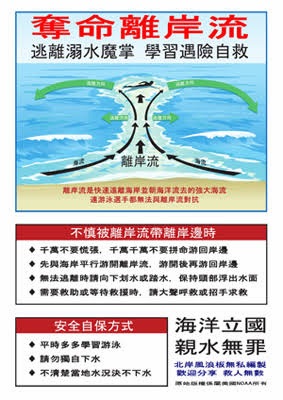
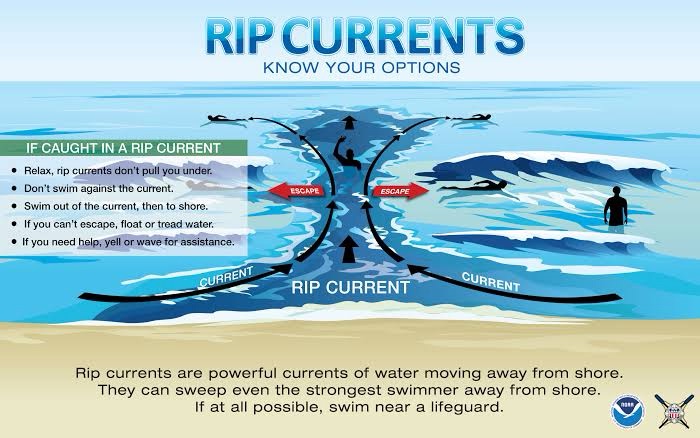
Dig a little deeper and the issue becomes a whole lot more interesting…
Apparently, not only are we marshalled into strictly demarcated and supervised swimming zones in Dameisha but said areas are encompassed by shark nets. Yes, shark nets!!
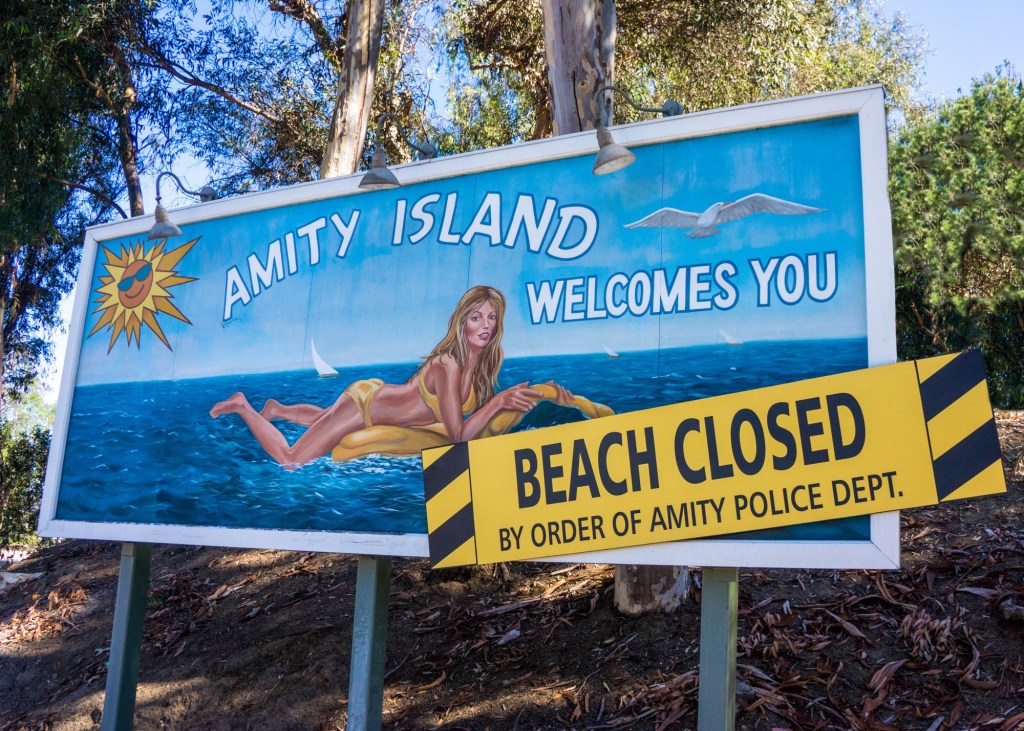

GULP!!
While on the subject of forces of nature…
Earlier on today, apparently, a woman rang the BBC and said she’d heard there was a hurricane on the way. Well, if you are watching, don’t worry, there isn’t.
Michael Fish, BBC Weather presenter – 15 October 1987
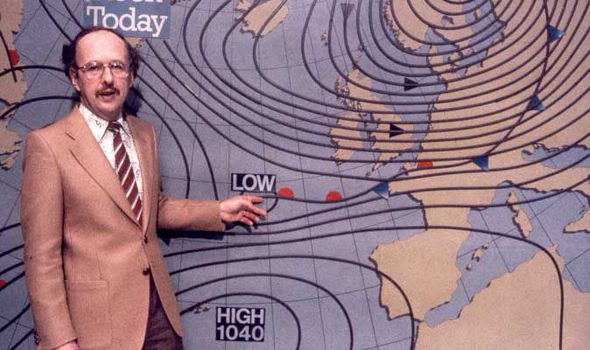
Just hours later, in the early morning of October 16, 1987, a rapidly deepening low-pressure system swept across southern England. Winds reached up to 115 mph, felled an estimated 15 million trees, caused widespread destruction, and claimed 19 lives.
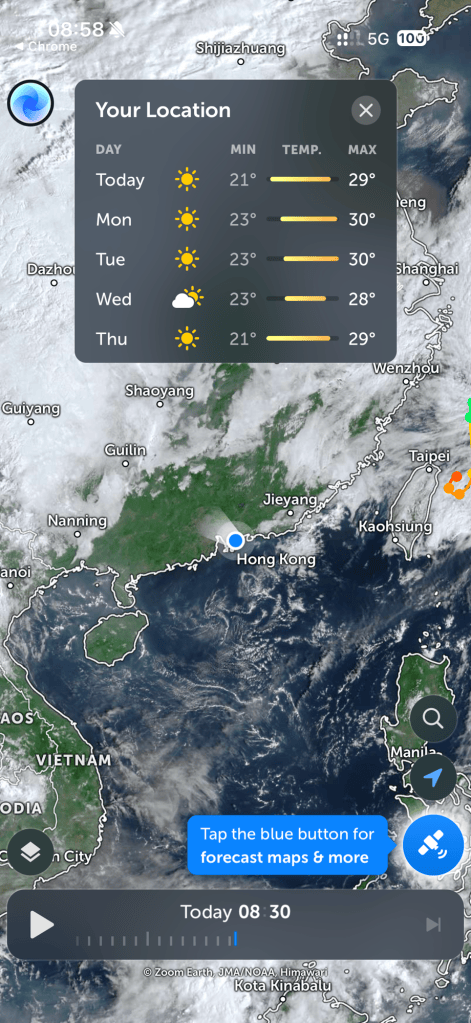
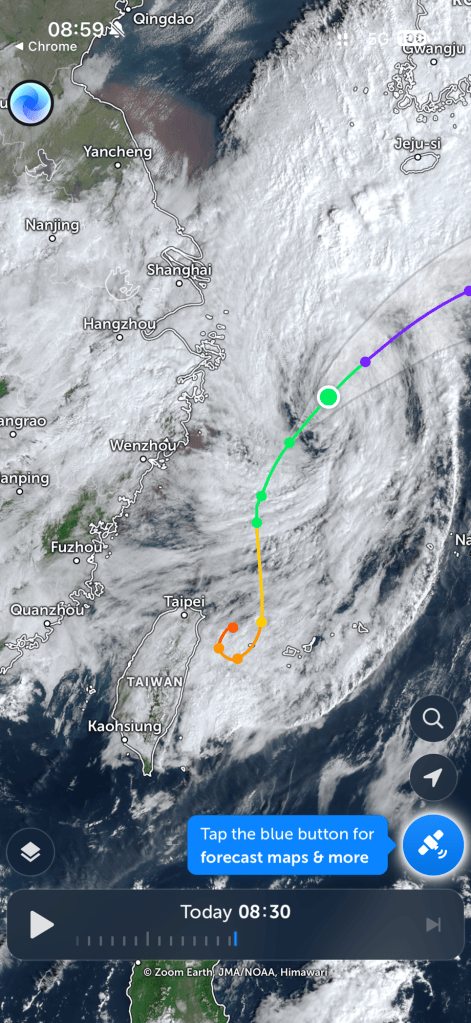
This time last year we were in Japan. We spent some time in Okinawa, an archipelago of some 160 beautiful islands to the south-west of mainland Japan (Okinawa blog posts start here). It was tranquil and the weather was glorious. Not so right now, today…
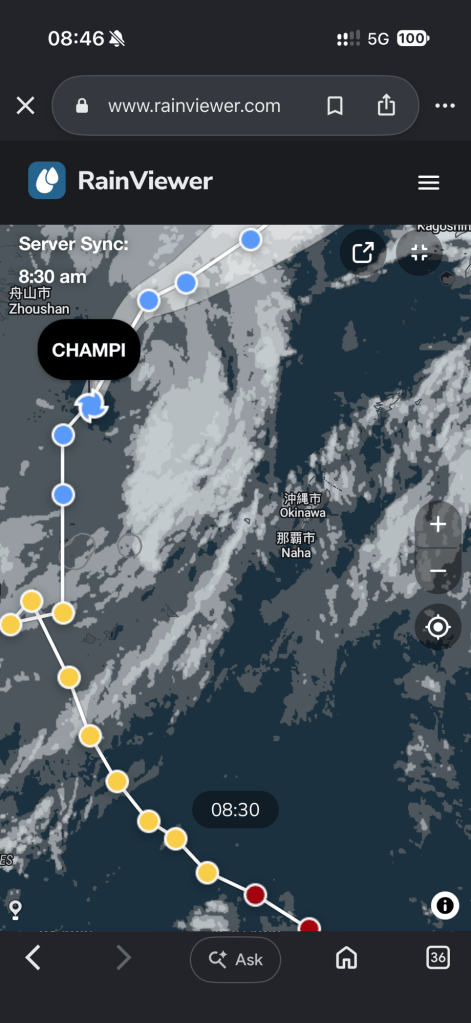
Taiwan would appear to be faring even worse…
When in Thailand (2024), we reflected on the force of nature that is the terrifying phenomenon, tsunami – blog post here
On the basis of statistical analysis, studies of the features of the distribution of typhoons in the South China Sea for the period 1951-2019 were carried out using satellite information. As a result, it was revealed that 851 typhoons were observed over the water area of the South China Sea (SCS) during this period. Of these, 464 had a maximum speed of over 33 m/s. Typhoons were observed more often in the northern part of the sea and were more intense than in the southern one. Most typhoons originate in the northwestern Pacific Ocean near the Philippine Islands, while the rest originate directly in the South China Sea. The South China Sea has an average of more than 12 storms per year, which is about half of all storms in the NW Pacific.
Source: Russian Journal of Earth Sciences 21(1): 1-8 (January 2020)
The Meteorological Bureau of Shenzhen Municipality have risk assessment and management buttoned up – here
Academics in China are on this, too, accounting for social behaviours and social media utilisation. Studies such as that titled, ‘Understanding residents’ responses towards disaster-related urban emergency management: A case study of typhoons in Shenzhen, China’, is a case in point. The study proposed ‘an analytical framework that leverages publicly available social media data to model residents’ behaviours in response to disaster emergencies and capture their underlying determinants’.
As we have seen elsewhere – not the least of which being transportation networks – China gets on with so much stuff, while the Western world talks. It does beg the question, who will be the first to place a man/woman on Mars. If China does turn its attention to such feats then it’s game over, I say.
Live typhoon tracker. Real-time… as in right now! Naha is the capital of Okinawa.
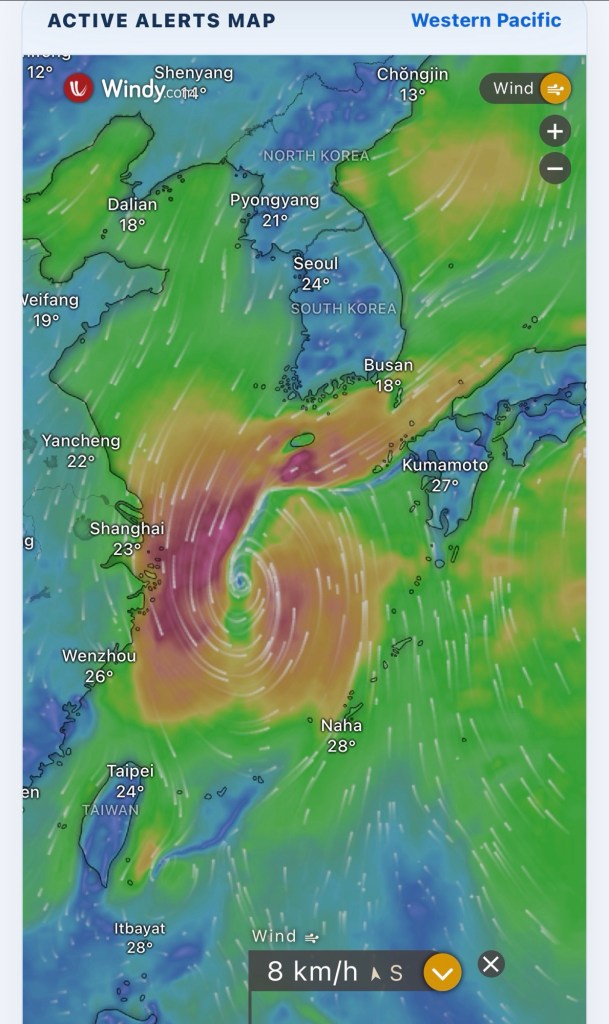
You can download apps (Zoom Earth works well on my iphone) and track typhoon progress. This one has been named Champi-26
A little closer to home…
veryweather.co.uk paints a bleak picture, right now, too…
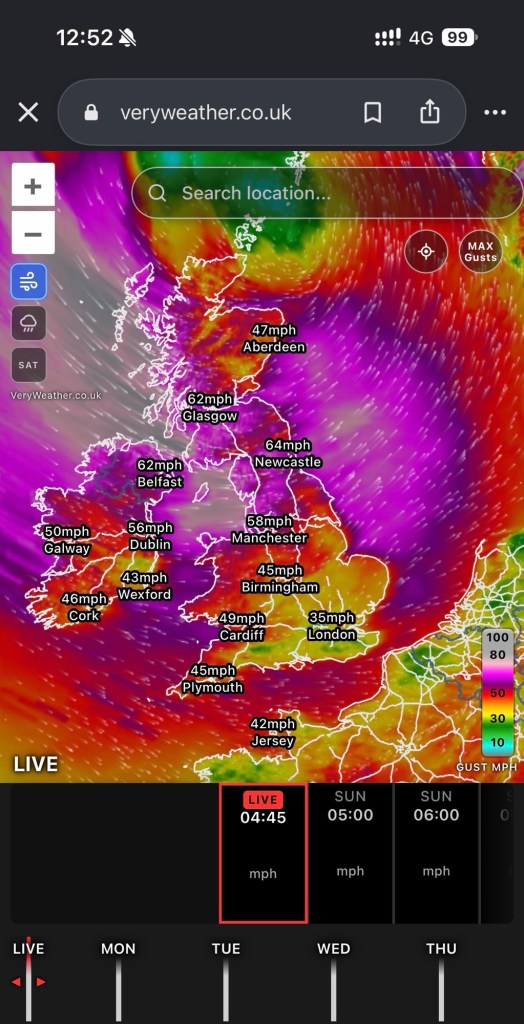
It looks like we will be out of the fire and into the frying pan come our return to Blighty.
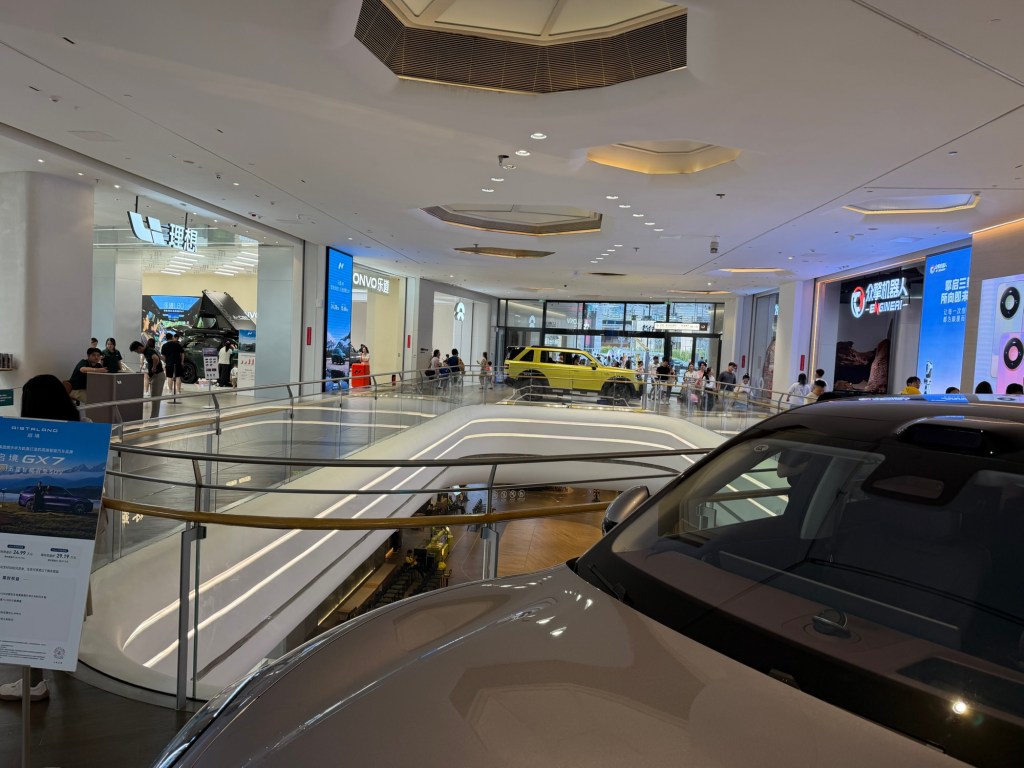
We suffered a few shopping malls today. Like everything else in Shenzhen they are on a monumental scale. The Metro stations alone blow your mind. You are left wondering if there is just as much underground as there is above. You can literally walk for miles and not hit the surface. The chief reason for that is that so many Metro stations exit into shopping malls.
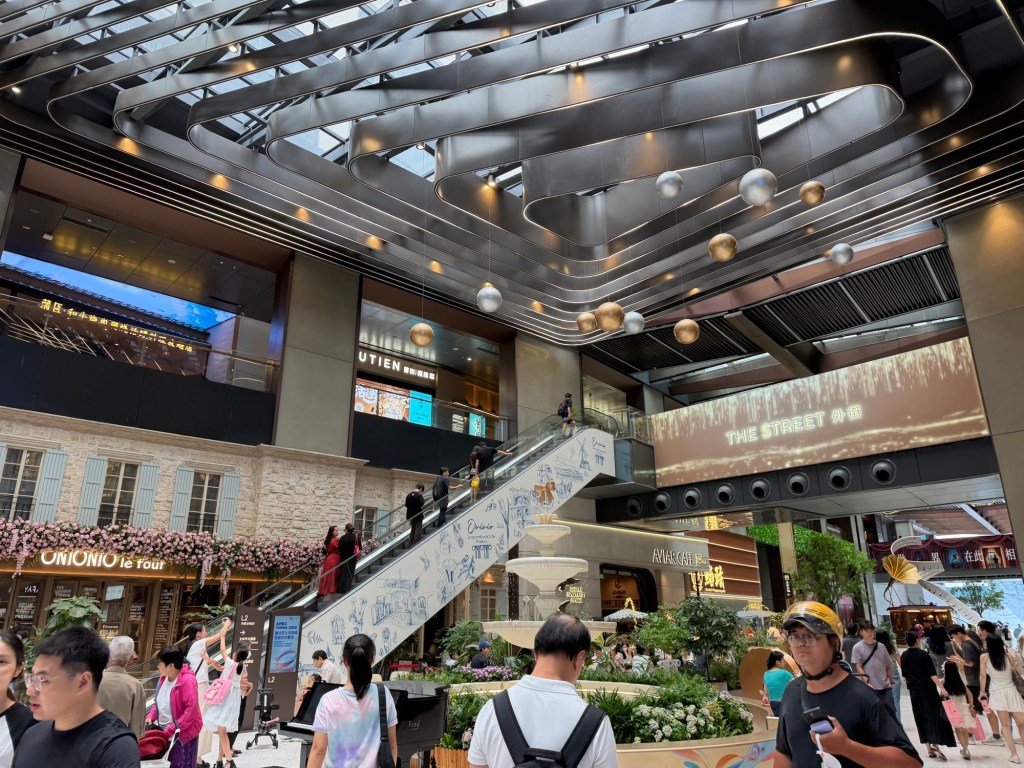

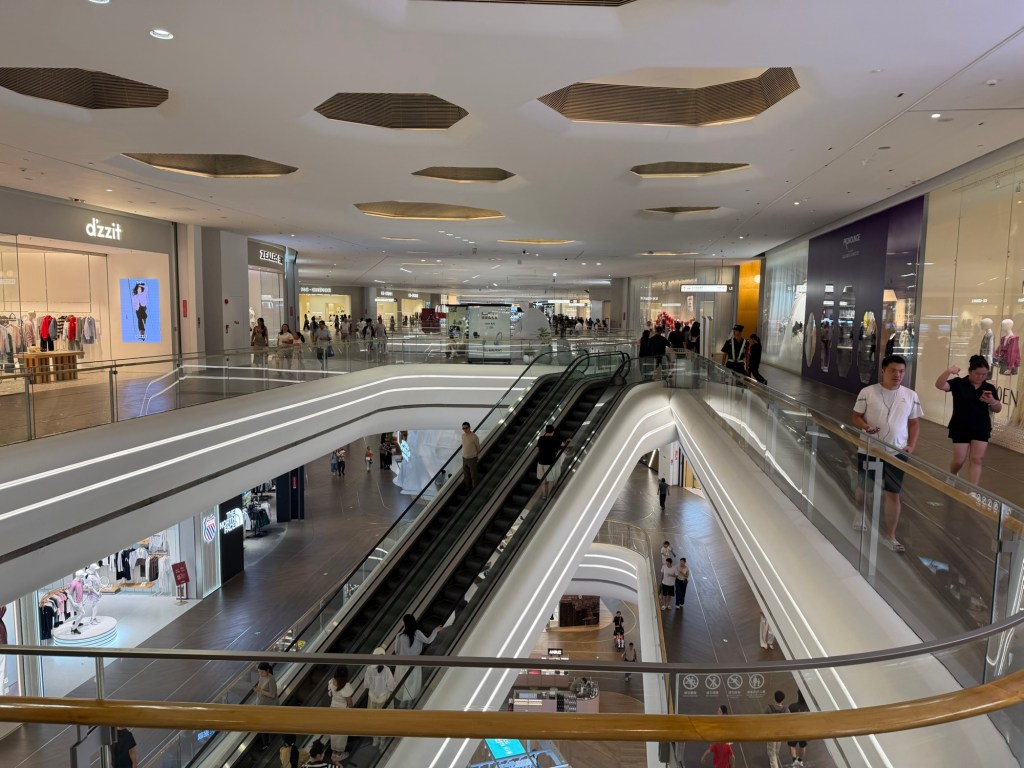
No need to head for your standard car showroom either, you simply segue from Zara into the shop next door!
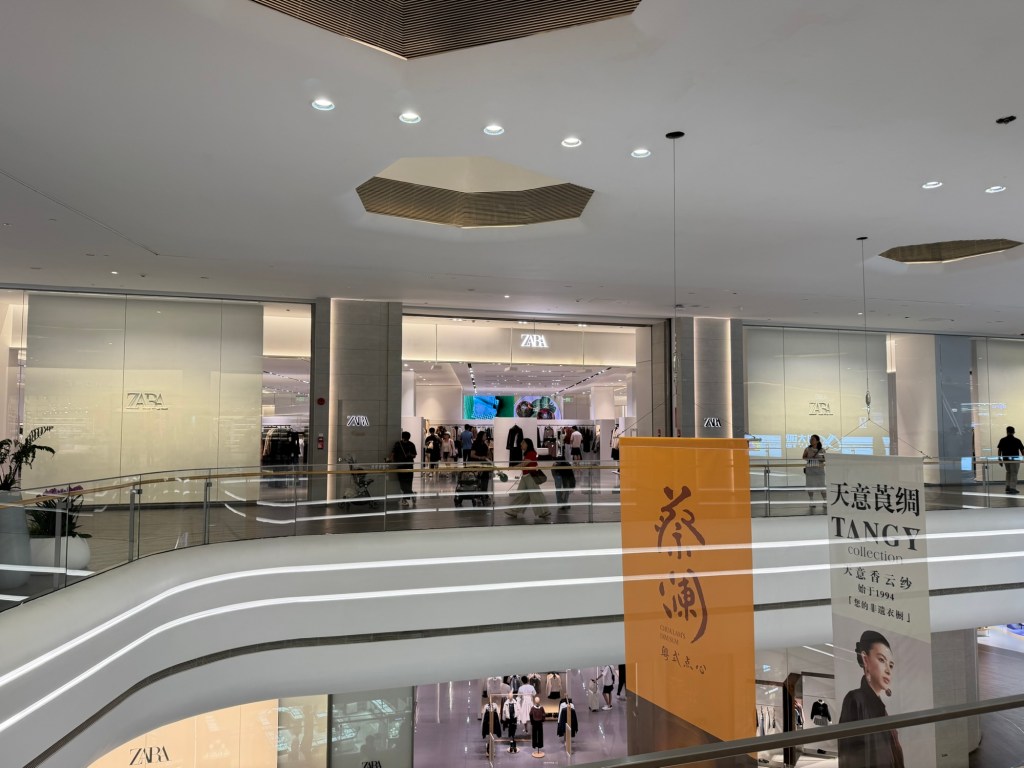
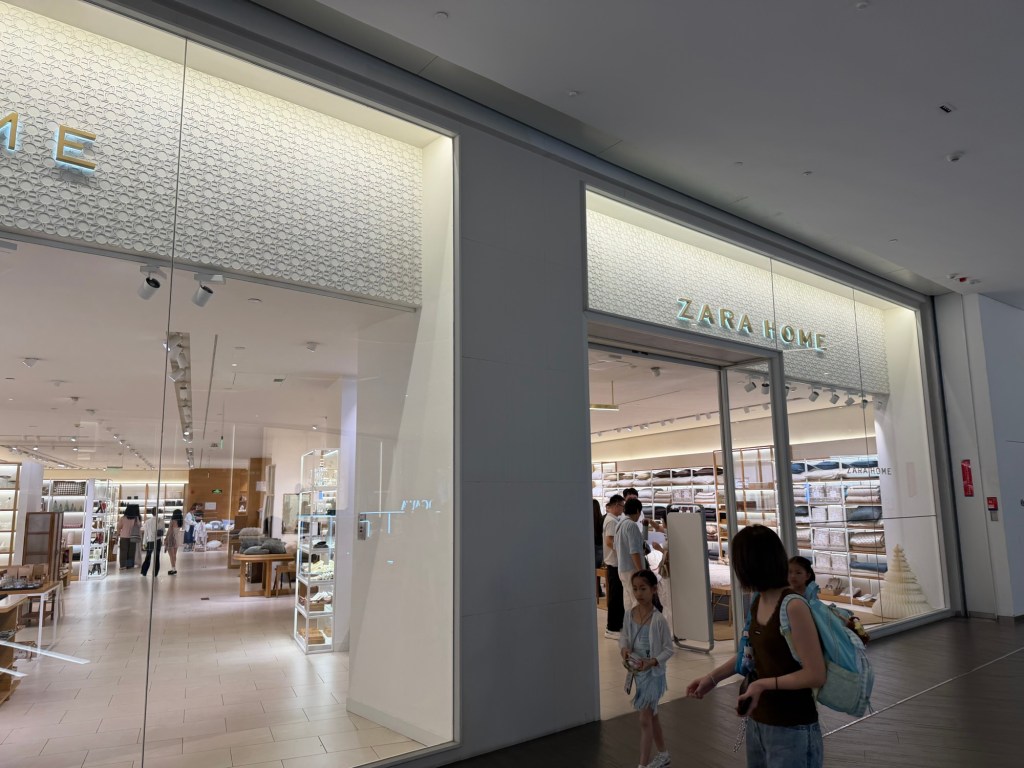
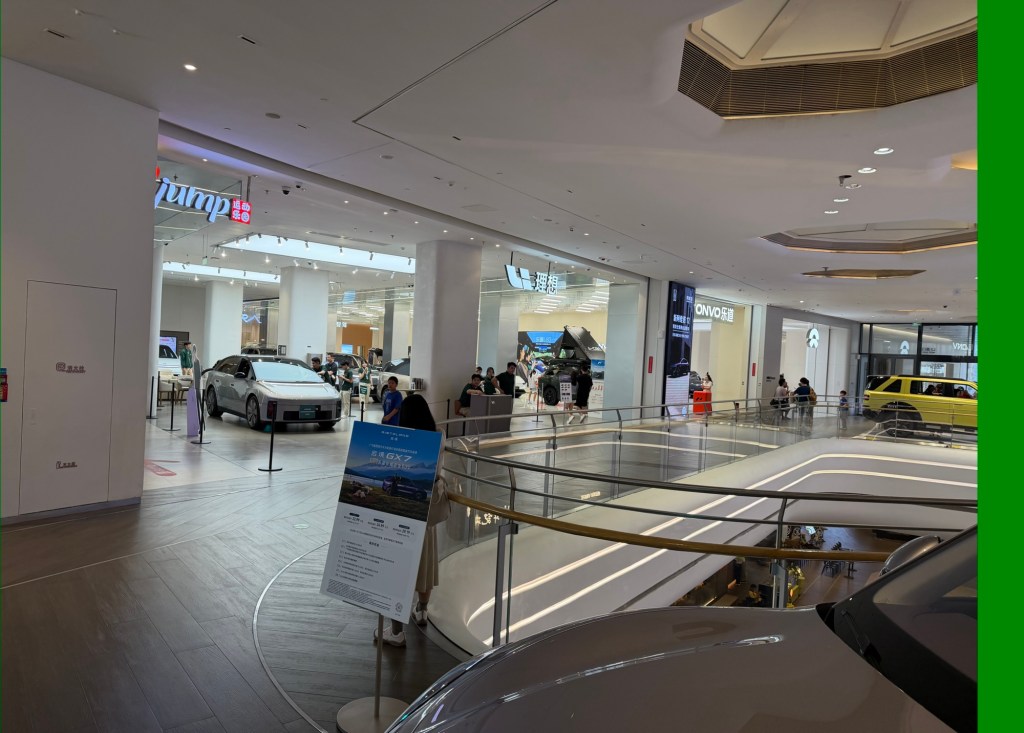
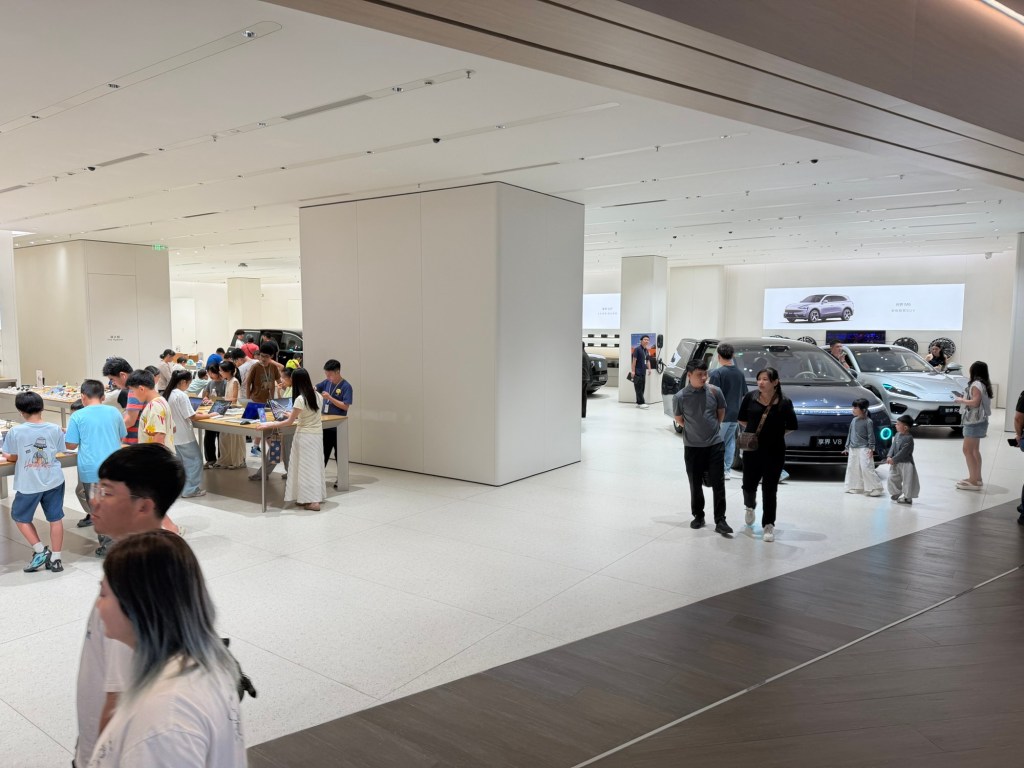
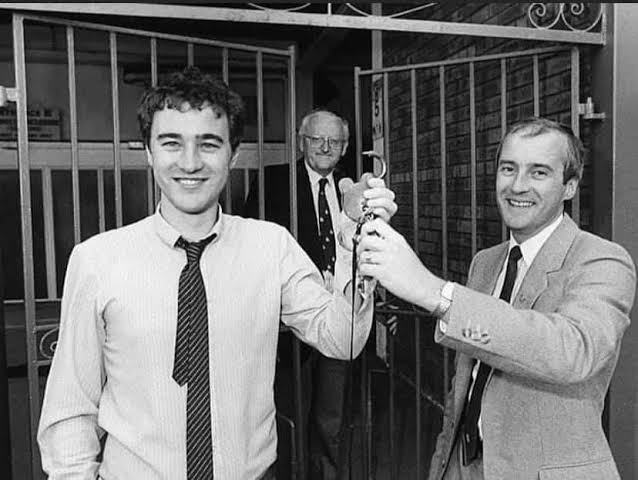
And to think, when the visionary Sir John Hall did this in 1986…

… Shenzhen was only just about to take off – see Day 18 blog here
Which takes us full circle to this – see Day 21 blog here
There are scores of lifeguards on Dameisha Beach. In fact, everywhere is well manned, everywhere. It was Shenzhen Peng’s final home game of the season yesterday. As the final whistle approached, policemen (they were all men) ringed the playing area, standing side by side. Shenzhen had not won anything.

The crowd appeared to be extremely well-behaved, there was never a hint of anything worthy of the name reprobate among them. But no chances were taken. You were not getting on that pitch.
The security stations at every point of entry at all Metro stations are populated by numerous uniformed chaps and chapesses.
And then, something most peculiar and, frankly, really quite irritating. Go in any shop larger in scale than a mini-mart and you are highly likely to be accosted by a uniformed shop worker doing… well, this…
We were idling with intent around the haberdashery and homeware section in this large subterranean supermarket. One of the aforementioned uniformed shop workers made a bid for our attention. We were actually looking for a lemon squeezer. She waltzed up with a jaunty, “nǐ hǎo”, and wafted a pack of beef jerky under our jibs. Honestly, in some shops it happens at every turn. In the same shop, we gave up on the lemon squeezer and went in search of a pack of crisps that weren’t doughnut flavour, or pink, or had sausages threaded through them. Another lady tacked in on the starboard bow, offering us tiny little pots of mustard and asparagus-flavoured gelato!
Endnote: Don’t you just love the word haberdashery.

Previous China daily blogs here


Leave a Reply